Quick and easy week! Some little development projects, a transit workshop, and Utility Assistance update.
Hours 0:00 – 1:35: Some new apartments on North LBJ, La Cima is growing, and a new Habitat for Humanity duplex is coming
Bonus! 3 pm workshops: Two workshops. First, on transit: the city partners with Texas State to coordinate bus systems. Second, the Utility Assistance Program: it runs much more smoothly than it used to, but it runs out of money faster.
Election Notes:
I’ll publish my recommendations next Sunday, October 18th!
Early voting starts on the 19th.
Upcoming events:
Possibly a Mayoral Forum hosted by San Marcos Area Dems at their October meeting? (They really make it extremely hard to find any official info published online. Facebook page here.) October meeting: Thursday, October 15th, 6 pm? or 6:30? San Marcos Public Library
Possibly a CONA Candidate Forum? (Again, nothing available online.) October meeting: possibly Thursday, October 15th? 7-8 pm? Details should be posted here eventually
No one spoke at the 6 pm Citizen comment! And just one person at the 3 pm:
We have two young daughters who love the library, but there are too many incidents with homeless people that make us feel unsafe. There was a guy sleeping in the entrance with his pitbull off the leash, and another guy with a knife on his belt.
I demand a safety action plan within 60 days or I’ll be back with more notes!
I will note that I am a frequent library user, and this does not match my experience.
But also: this is a great example of how everybody wins when we take care of homeless people!
Imagine if everyone had a safe home with air conditioning and space for their dog, and access to mental health services.
Imagine if there was a social work emergency line to call if someone is acting weird in the parking lot.
(Also I’d like a pony.)
Anyway: there is a lot of transition of leadership at the library right now, so I’m pretty sure there will not be a safety action plan within 60 days.
…
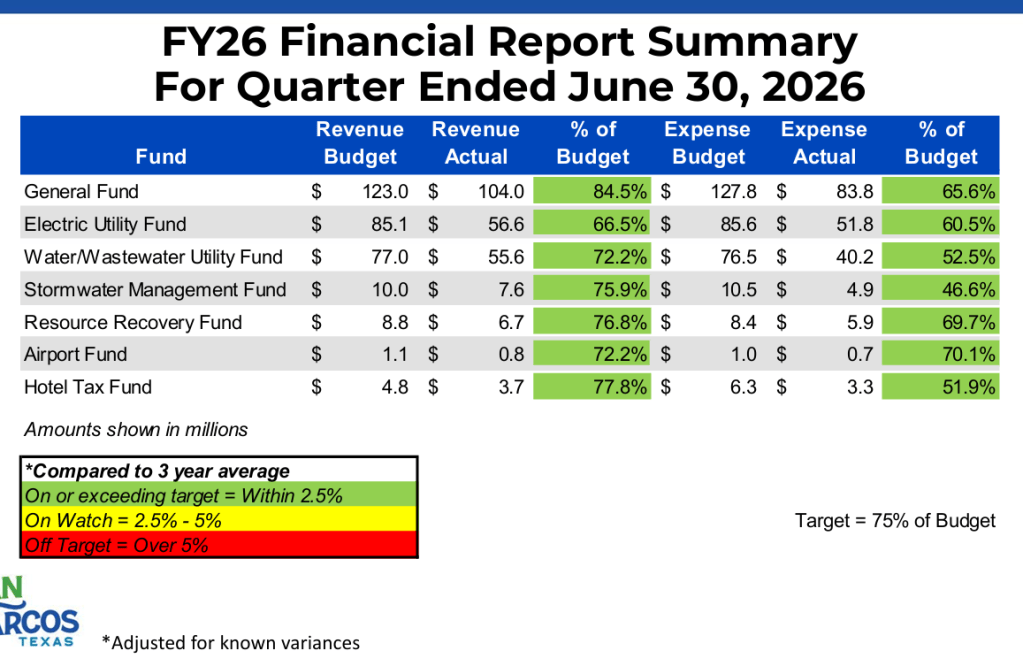
Items 1-2: Quarterly financial report and update:
How was the budget from March-June last year? Did we actually bring in the money we expected to, and did we limit spending to the amounts we expected to?
We did! Green is healthy. None of the funds are yellow or red. Great.
…
Item 17: New apartments on North LBJ
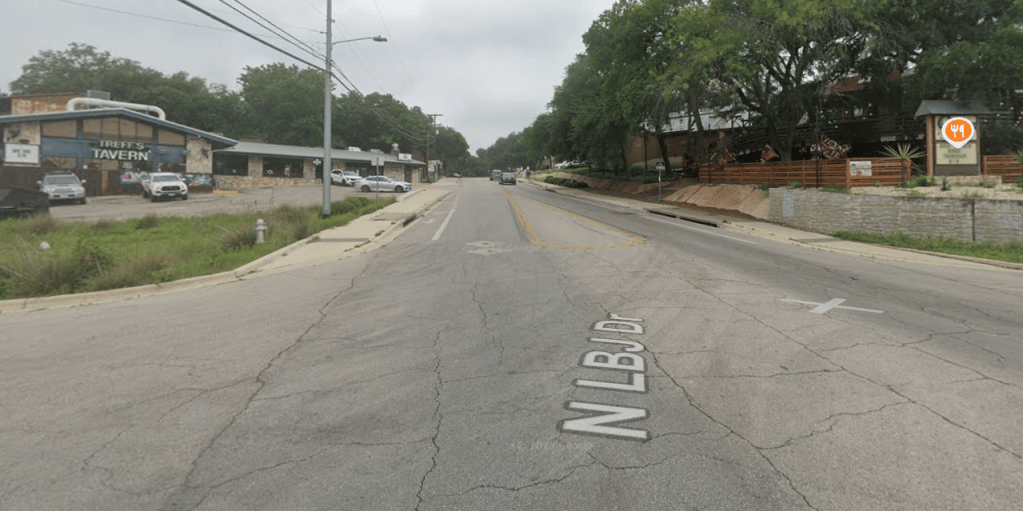
Suppose you’re heading north on LBJ, north of campus.
You pass Treff’s Tavern on the left, and Grins on the right:
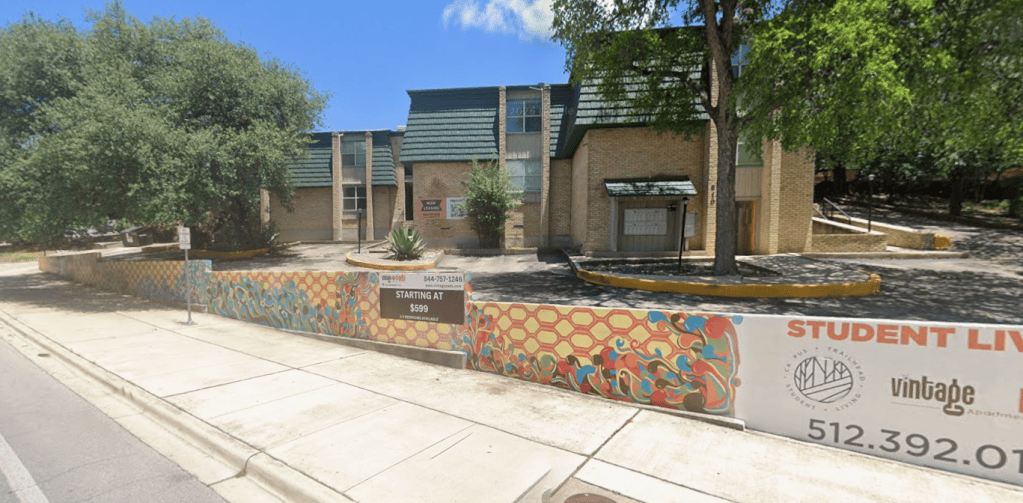
You pass these apartments on the right, with the charming mural on the retaining wall:
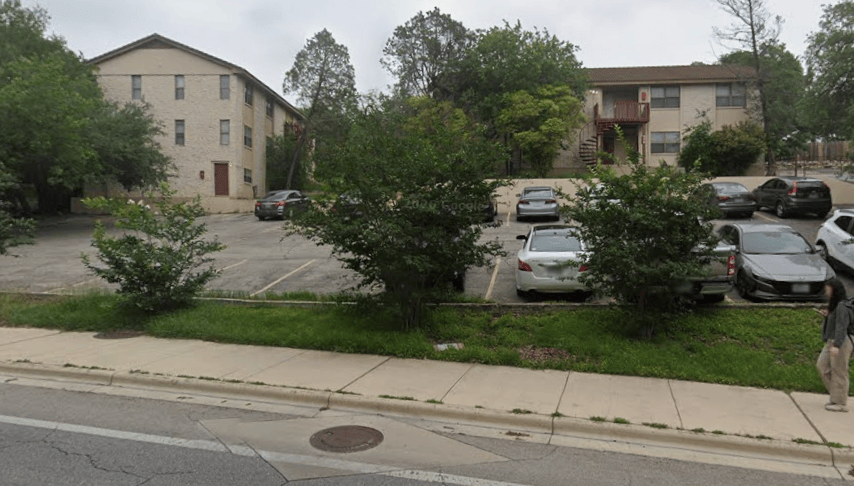
And then you pass these apartments that I’ve literally never noticed before:
They’re fine! Totally nondescript. I’m told they were built in 1979.
What if there were bigger, better, and more urban apartments there?
A developer wants to tear down those vague brown buildings and rebuild shinier versions. This is partly because of the North Campus Area Plan: we’re being intentional about what parts of the city should feel walkable and urban. This is one of those areas.
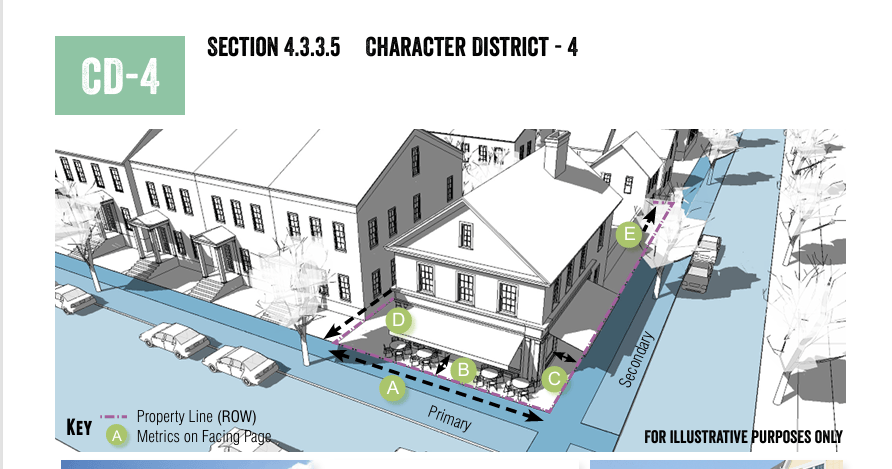
Sadly I don’t have any renderings of what it might look like, but here’s the generic ideas from the city code:
The biggest difference is that the buildings will be by the sidewalk, and the parking lots will be in back. This is much nicer for pedestrians. It makes your street feel more like Sesame Street and less like a sad parking lot.
I’m guessing there is one other major difference. Zooming in to the photo above, of the current 1979 buildings:
Looks like there are nine total units there. I’m guessing the new building will have a lot more!
That’s fine! Building more housing is good, and this is a good spot for it. (It’s only going to be 3 stories tall, anyway.)
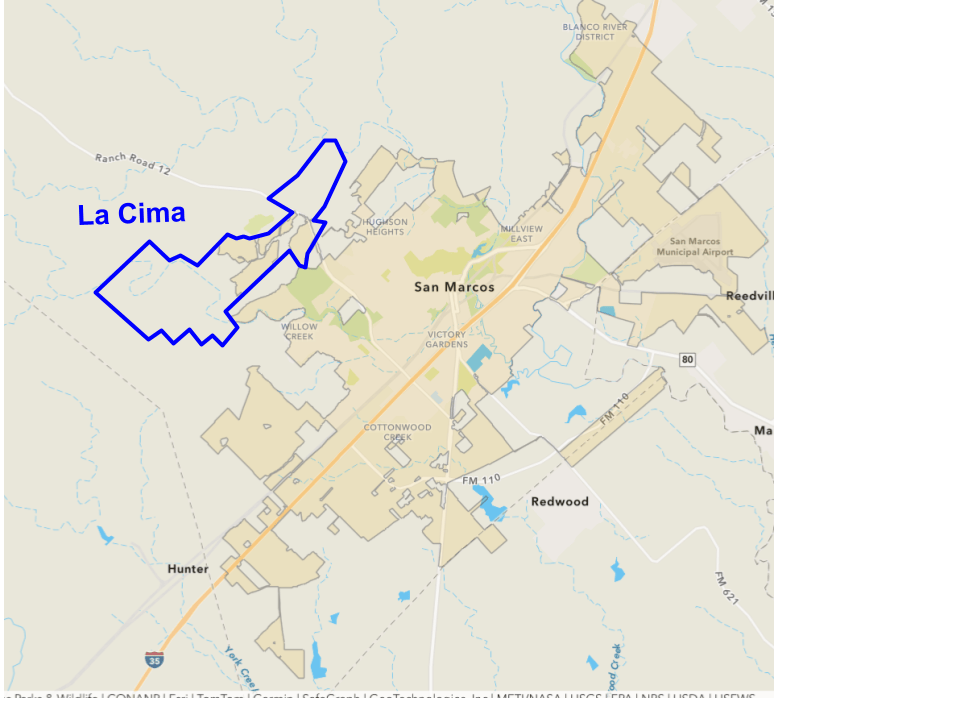
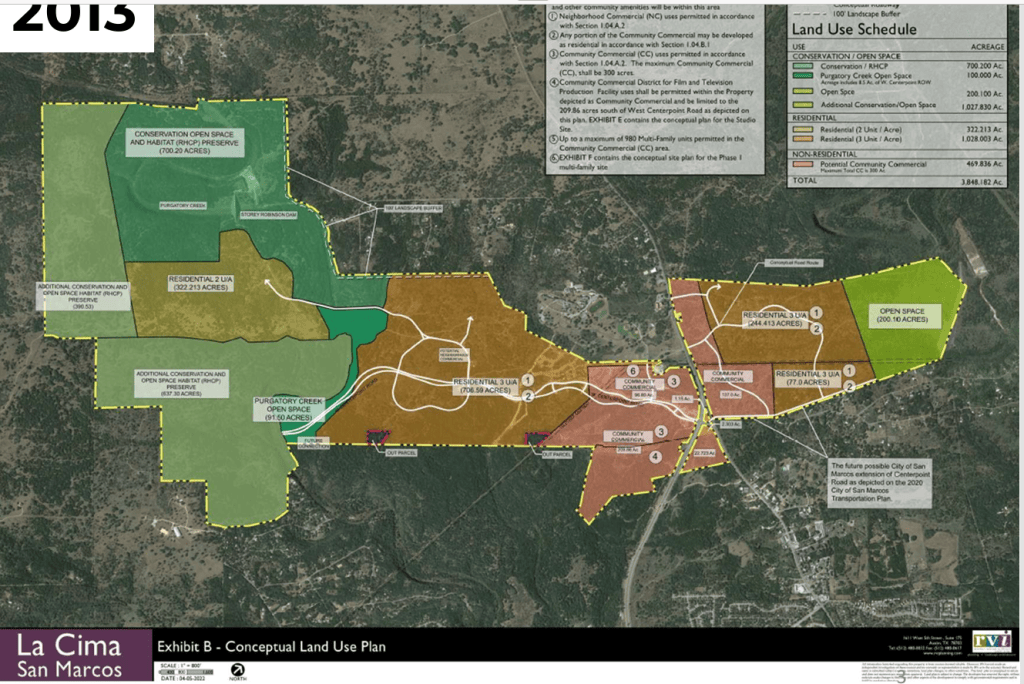
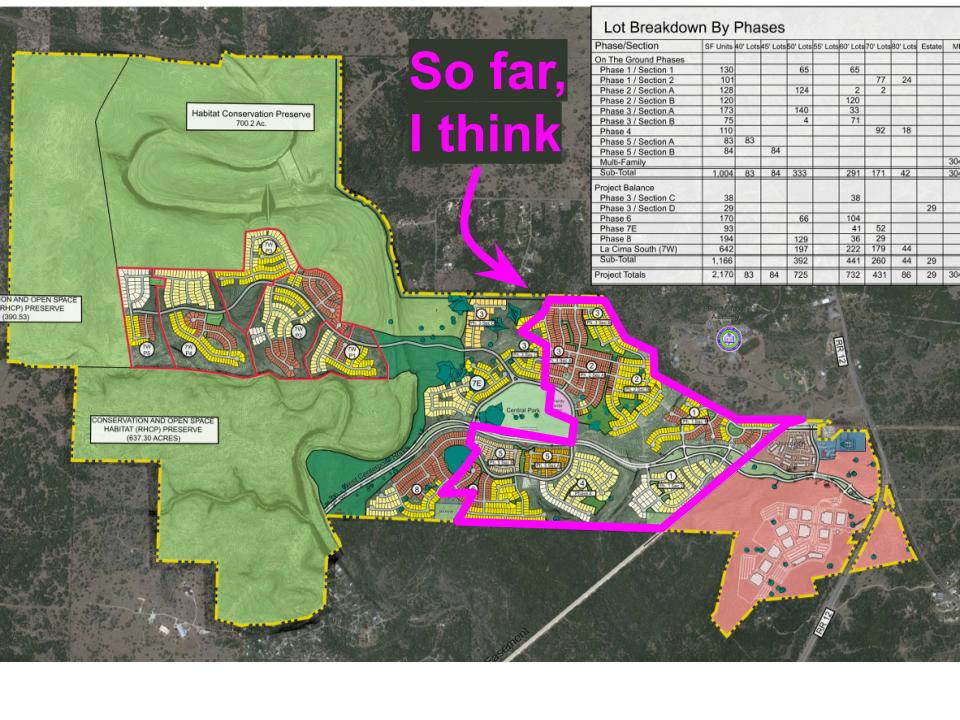
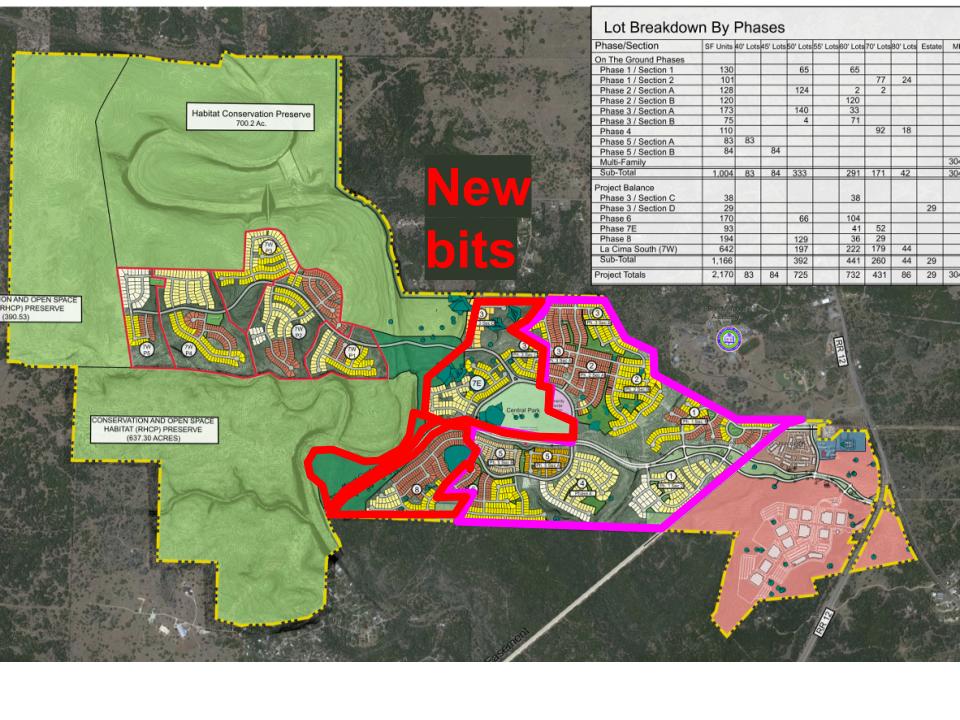
This is the whole point of today: they want to start building out these red sections:
I don’t love La Cima very much!
I don’t love how residents pay an extra $1600-$2700 yearly, which feels like a property tax and contributes to the idea that property taxes are out of control, but is not actually a property tax and goes exclusively to La Cima. I don’t love the sprawl. I don’t love how these huge decisions get locked in, back in 2012, and last for decades. I don’t love how it’s over the aquifer, which is super environmentally sensitive.
That said, it’s not the absolute worst:
A lot of land was set aside for conservation, on the aquifer.
They are going to build apartments out there, so it’s not exclusively single family homes.
There are significant constraints on impervious cover.
Anyway: we’re 13 years deep into La Cima. Give that, today’s bit isn’t particularly controversial. They want to annex and zone those bits in red, above.
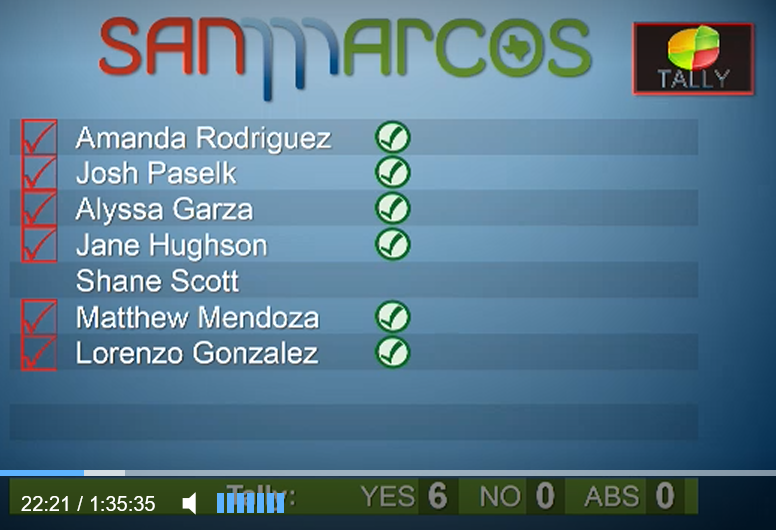
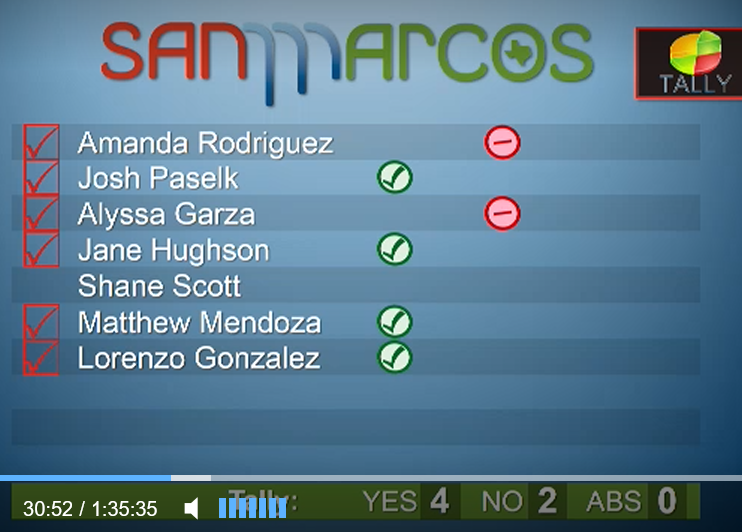
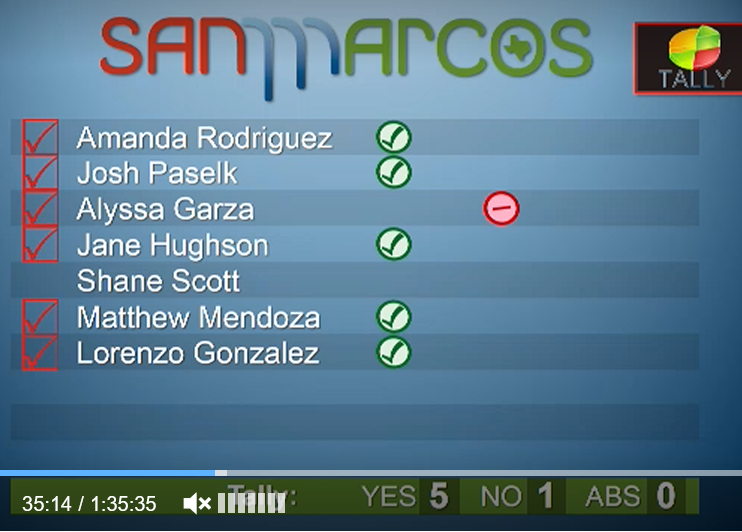
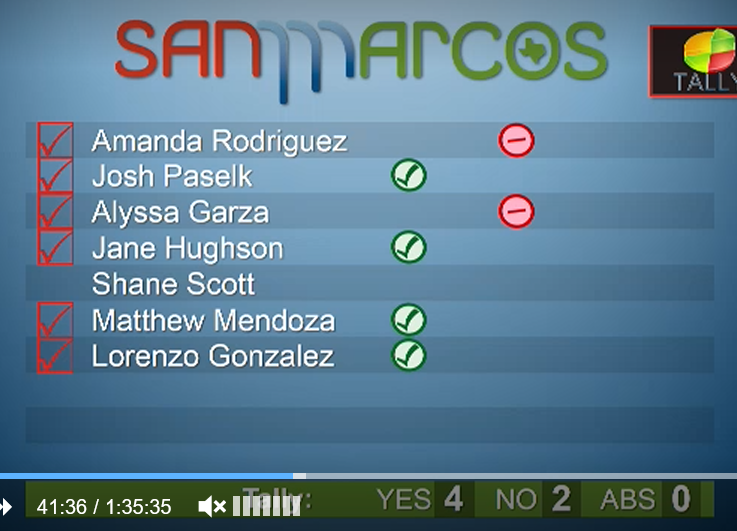
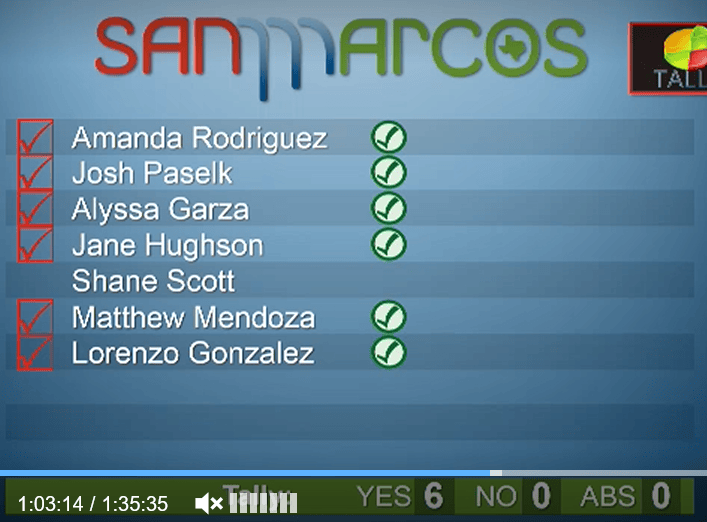
The four votes:
Annex the northern bit (22:21, using time stamps in the lower left)
Rezone the northern bit (30:52)
Annex the southern bit (35:14)
Rezone the southern bit (41:35)
Sure.
…..
Item 3: Meeting minutes
They’re approving the minutes to the September 15th meeting. Amanda flags some inconsistencies about what time people are recorded as being present.
It sparks a brief conversation about how the process for meeting minutes actually works. How do meeting minutes actually work?
It turns out: staff draws up the minutes, which then go to the Mayor, which then come forth to Council as a whole.
In the future, they’re going to bring Council the redlined version, so that everyone can see the revision process, and determine which version is most faithful to the meeting. (This matches the procedure that we use for other revisions, anyway.)
Great.
….
Item 16: Hays Caldwell Economic Development Partnership
There used to be something called Economic Development San Marcos, which was supposed to go out and court businesses and make life better for businesses. We used to give them $400k every year.
Now their name is the Hays Caldwell Economic Development Partnership, and we give them $200K per year, and we have an in-house economic development person who works for the city.
There’s going to be some changes coming next year. Right now, Hays county puts in $400k, and has less board representation than we do. It sounds like they’re frosty about this.
But for today: do we want the status quo for one more year, until the changes are proposed?
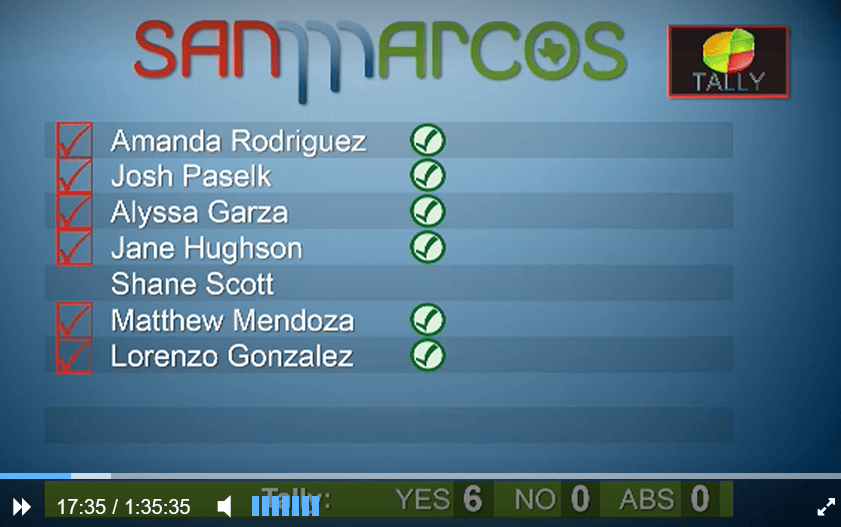
The vote:
Great.
…
Item 22: Habitat for Humanity
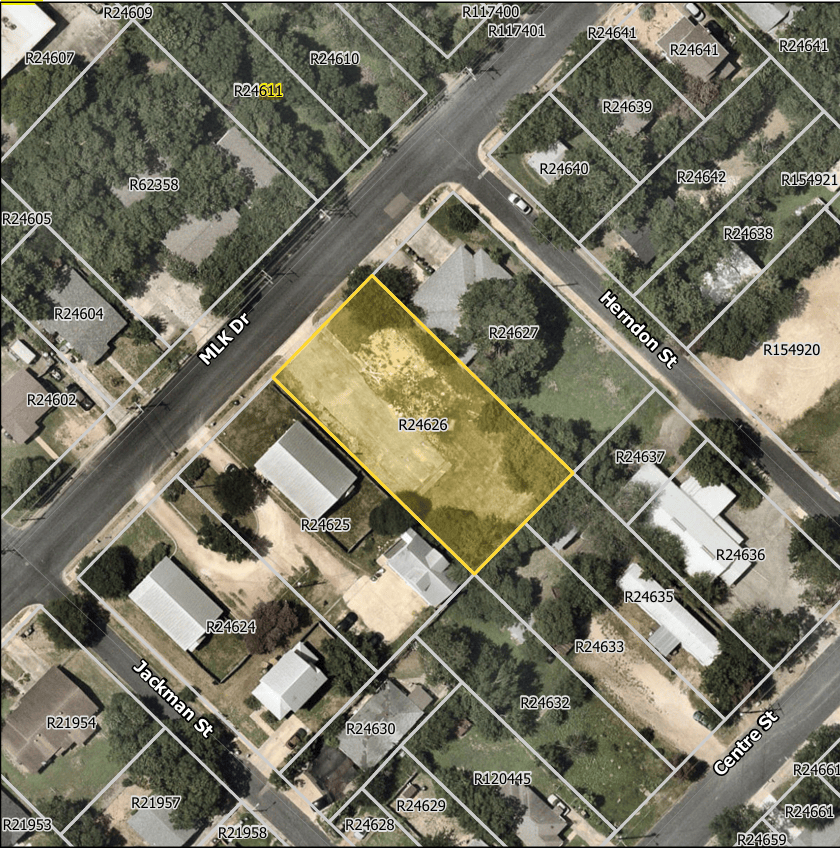
Back in the 60s and 70s, the city acquired this little lot:
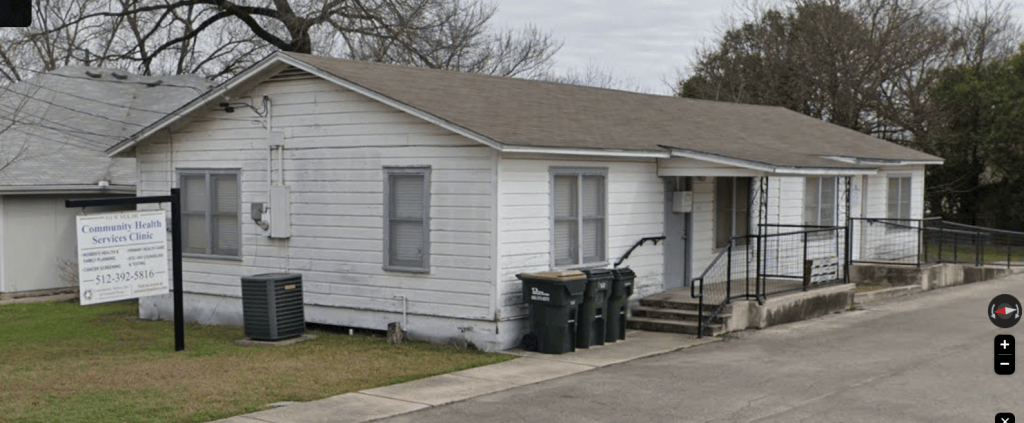
For years, it was home to the Community Health Services Clinic:
In 2023, they announced they were vacating.
Shortly thereafter, Habitat for Humanity asked we had any properties that they could develop?
Council said:
don’t demolish the existing building
don’t spend one dime of city money
So they sold the existing building, and the buyer moved it a few blocks away. Great.
The city’s aerial photo shows that it’s gone:
but google maps hasn’t been updated yet.
Habitat for Humanity has a lot of rules, like the future owner (or a relative) must work on the house for 200 hours. (It’s called Sweat Equity.) If the owner sells the house in the future, it must stay affordable. If Habitat ever dissolves or the property stops being a Habitat property, it reverts back to the city.
It’s going to be a duplex. Sounds great!
…
Item 25: Arts Commission
Two vacancies on the Arts Commission get filled – congrats to Nancy Slitz and Steve Wilson.
Note: I usually don’t post when vacancies get filled. This is because it all happens out loud, and they mumble the last names, and then refer to the applicants by their first names. The names of the nominees aren’t written down anywhere (until the minutes get approved at a later meeting). So I’m usually stuck.
However: today they said the first and last names very clearly, and even spelled S-L-I-T-Z.
Workshop 1: Transit Partnership with Texas State University
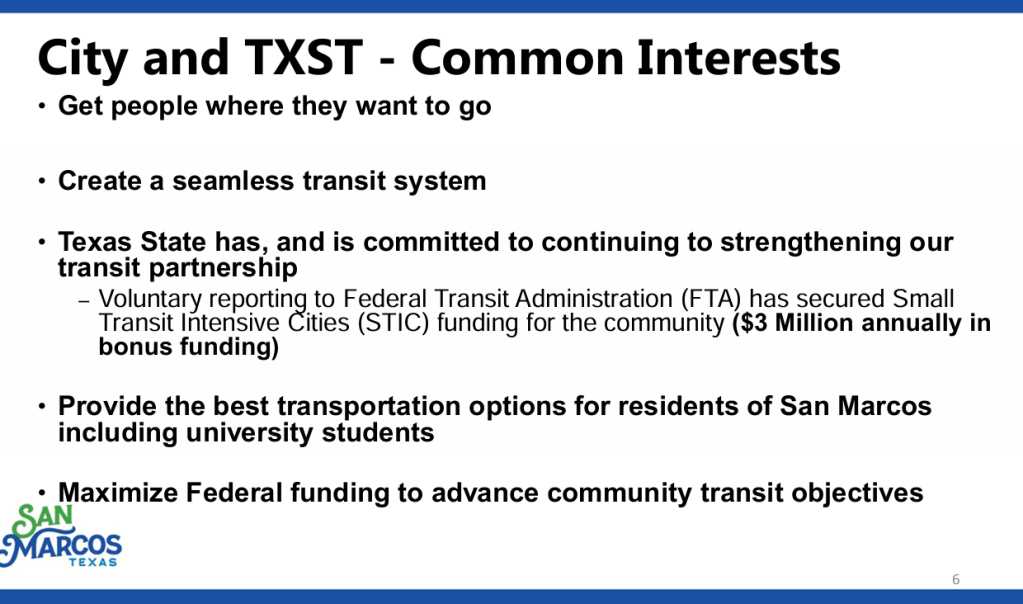
We often kvetch about how the city and Texas State don’t collaborate. This is the opposite of that. This is a fantastic, cooperative, good-faith long term partnership. It’s really outstanding.
Things to keep this in mind:
A well-functioning public transit system has
routes that cover the town, and
buses that come frequently. (Like every 10-15 minutes)
If you don’t have those two things, no one rides the bus if they can help it. But it’s also really expensive to implement those things.
This leads to a chicken-and-egg problem:
In order to have a lot of riders, you need a well-funded program.
In order to get funding, federal agencies want you to show that you have a lot of riders.
See the problem? Let’s dive in.
Background:
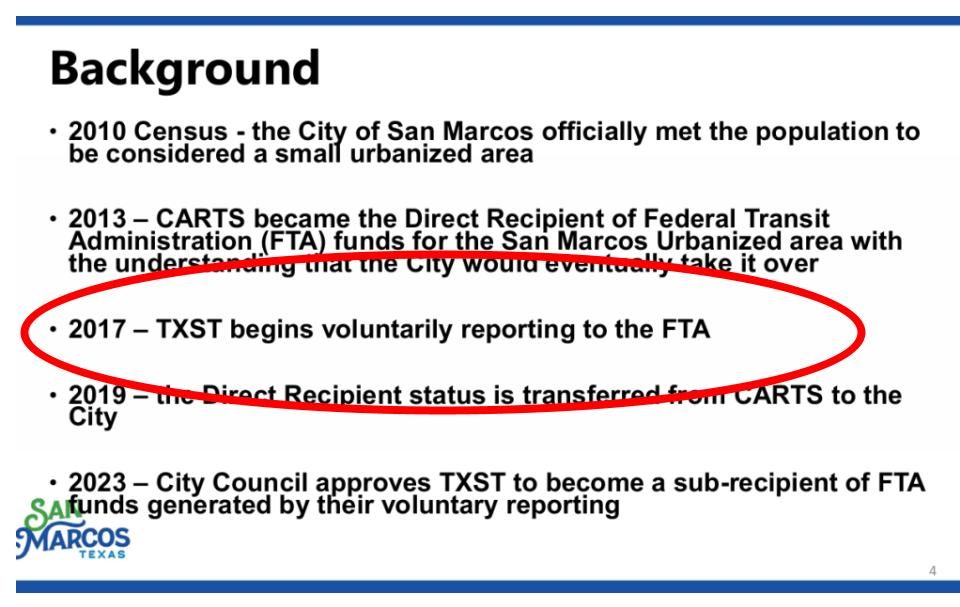
2010: It all starts when San Marcos hits 50K people in the 2010 census. This means we can now start applying for federal grants for busses, from the FTA. (Federal Transit Administration)
2013: We get a grant for CARTS from the FTA. Then we take over CARTS in 2019.
This is where Texas State comes in:
Texas State has a ton of riders, because their system is designed to do something very specific: get students back and forth from apartment complexes to the university.
Their system works great! There are a ton of students, and parking is terrible on campus. They can run buses frequently and have lots of riders.
Their task is easier, because they are not trying to cover all of San Marcos. They just connect high density apartment complexes with the university. High demand, low coverage.
So 2017 is a big deal:
Basically, Texas State starts sending in their ridership data to the FTA, and this makes San Marcos look REALLY good. This gives us a huge boost because we can show ridership demand.
They didn’t have to do this! Just straight up helping us out.
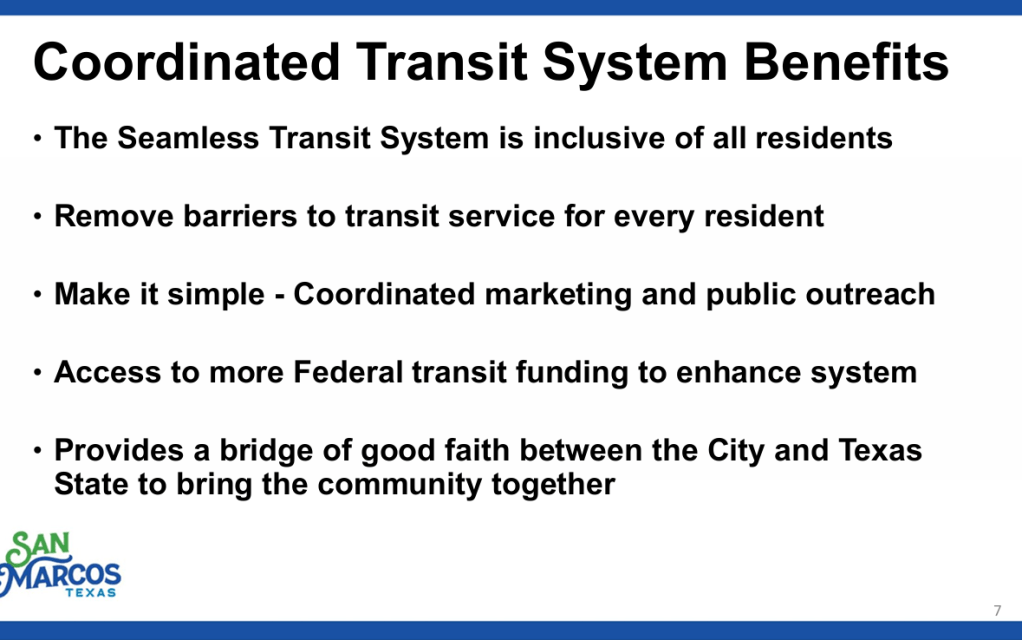
Behind the scenes, the city and Texas State then started working to merge their systems into a single system:
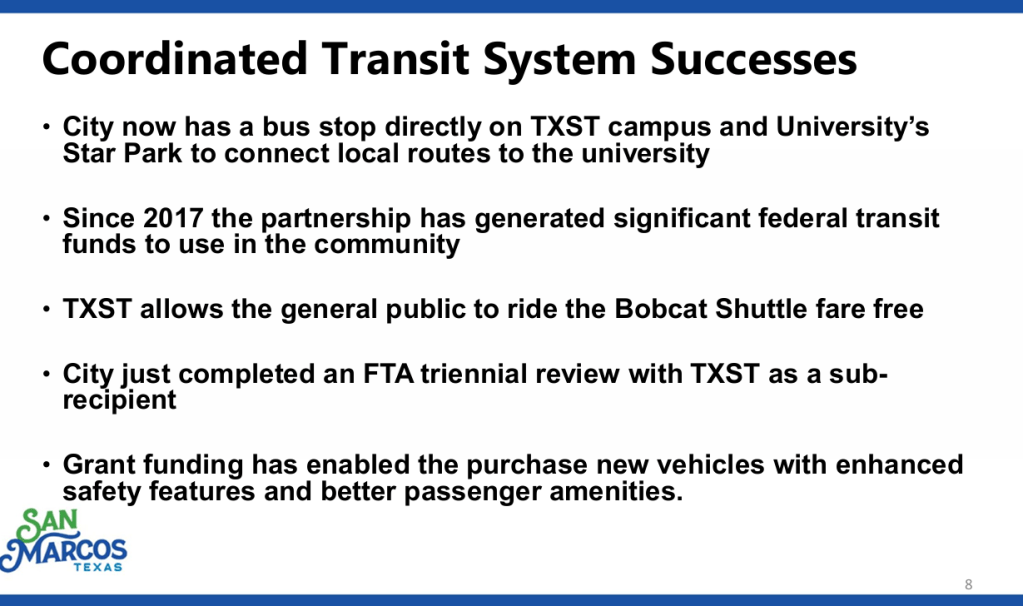
Everyone can ride the Bobcat shuttles for free, and everyone can run the city buses for free.
This is all great!
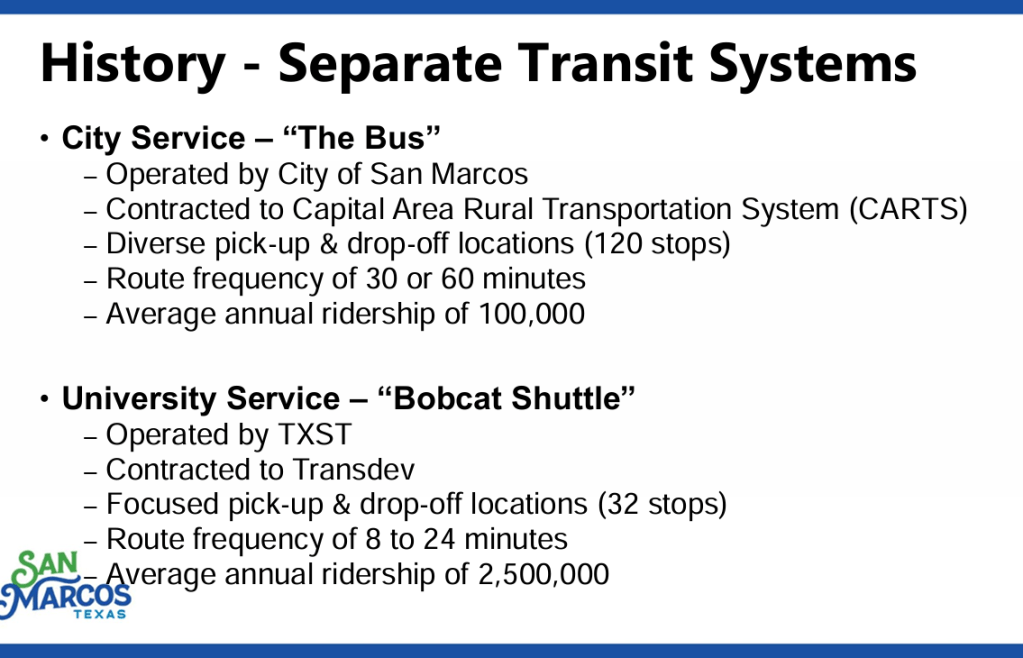
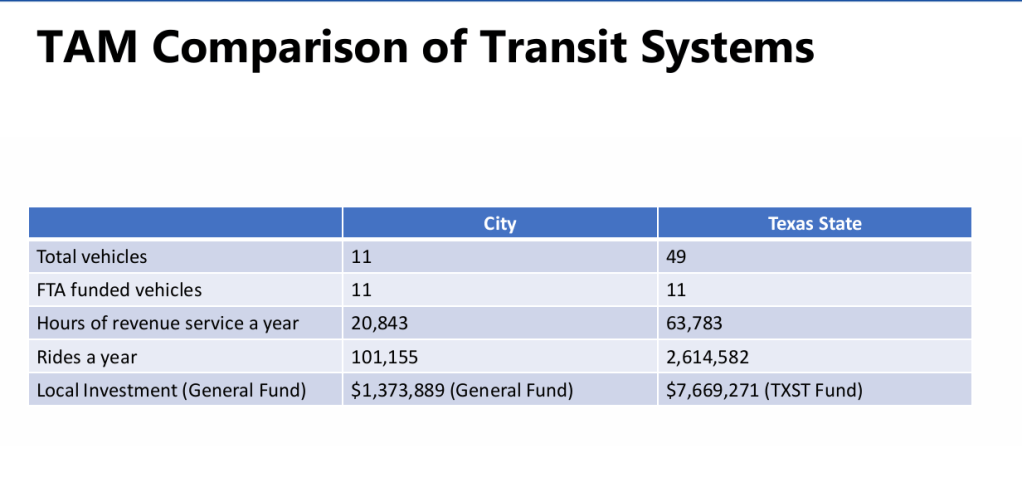
Here’s how the two systems compare:
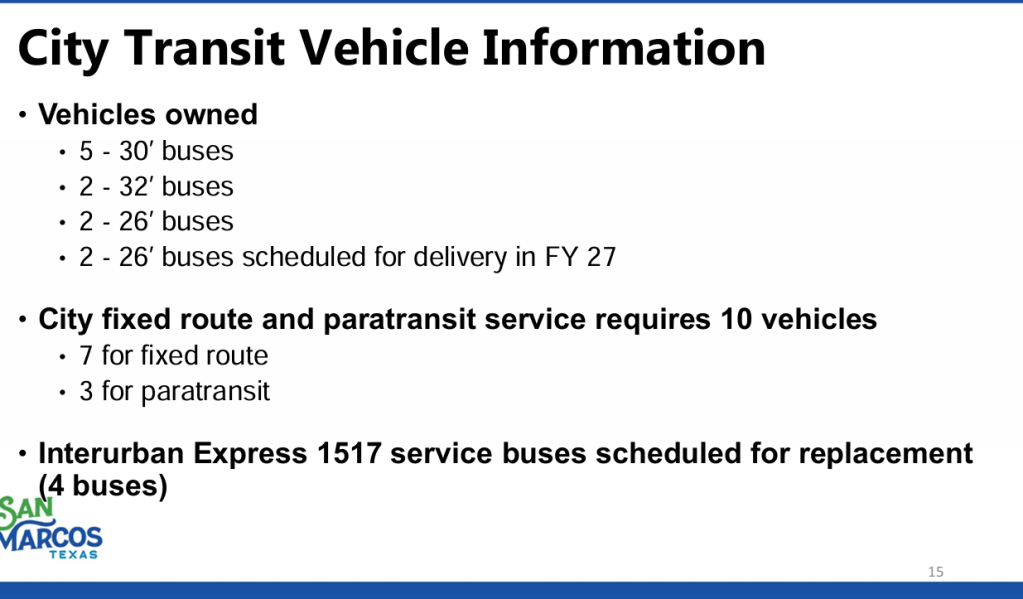
Here’s how the city breaks down:
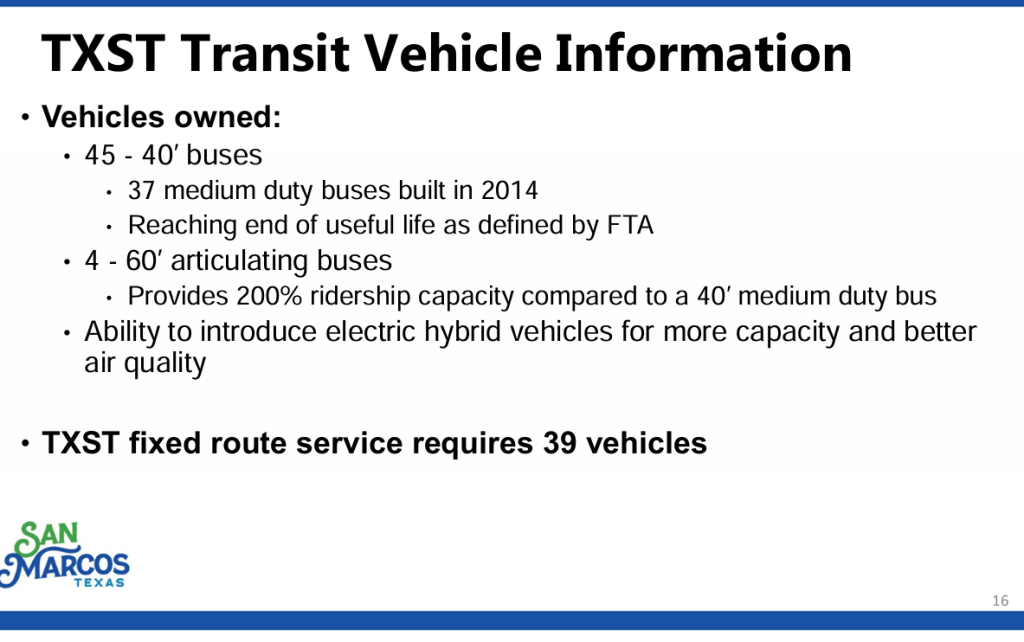
and here’s how Texas State breaks down:
So now we’ve got the riders. And it’s really because of Texas State – they didn’t have to start reporting their data, but they did, and it made all the difference.
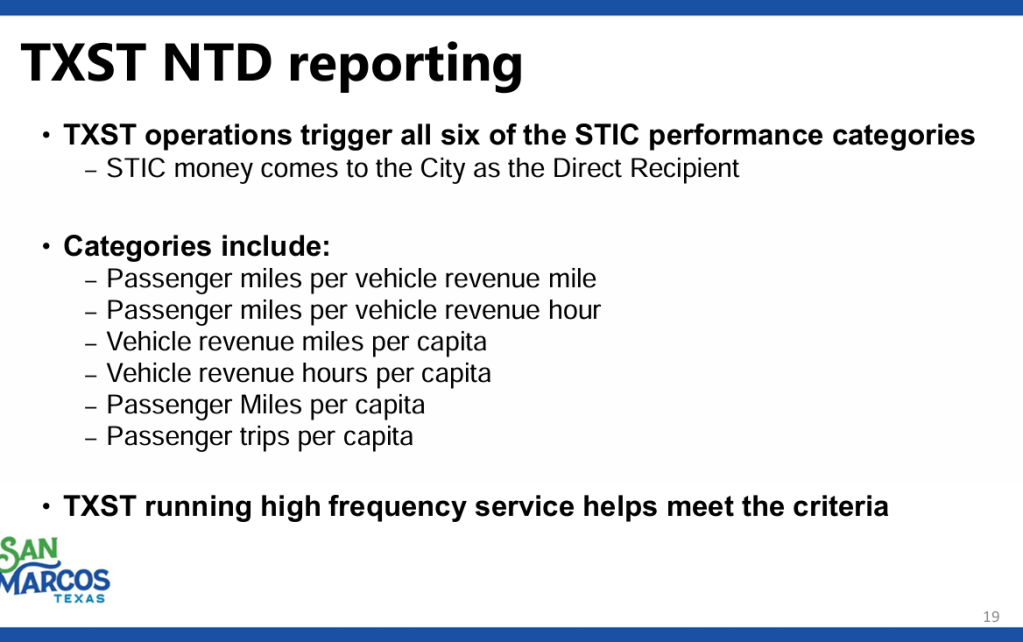
Here are the kinds of stats that they report:
This is all really great. (They didn’t include what those category statistics actually are.)
…
Next they needed some grant funding. We’ve been getting money, but it’s on a five year cycle, and so right now they’re working on the next cycle.
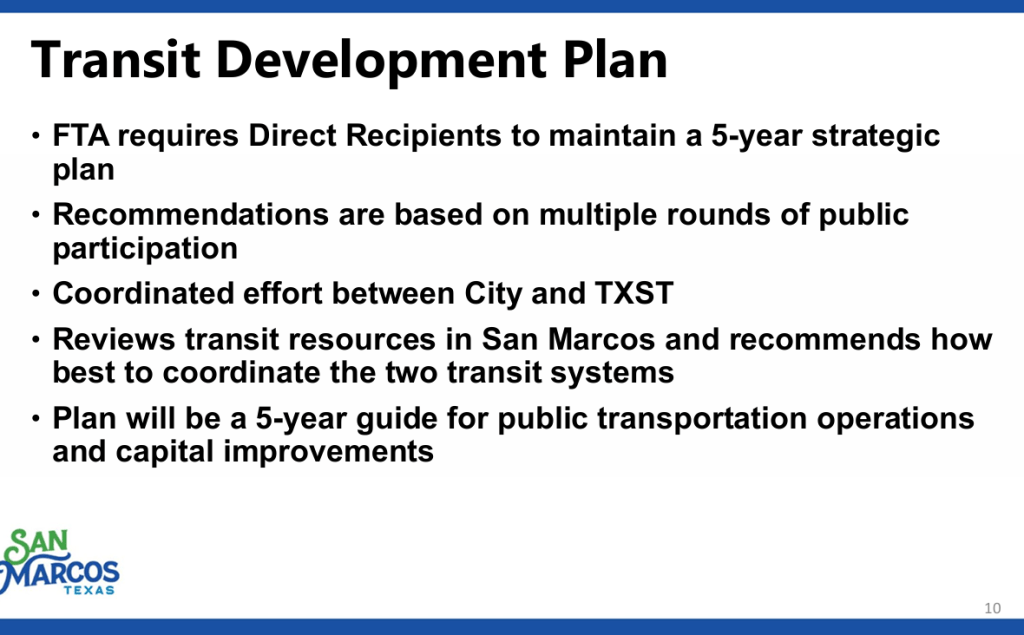
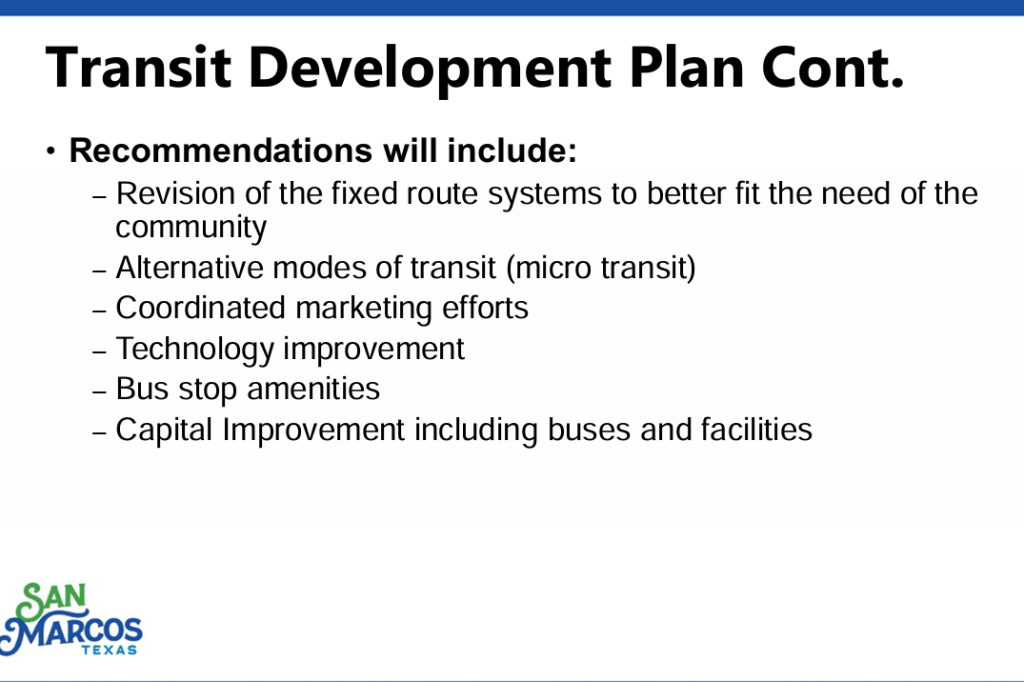
First off, you need a Transit Development Plan.
We’re working on it.
Keep an eye out for surveys and city meetings, so that you can give your input.
…
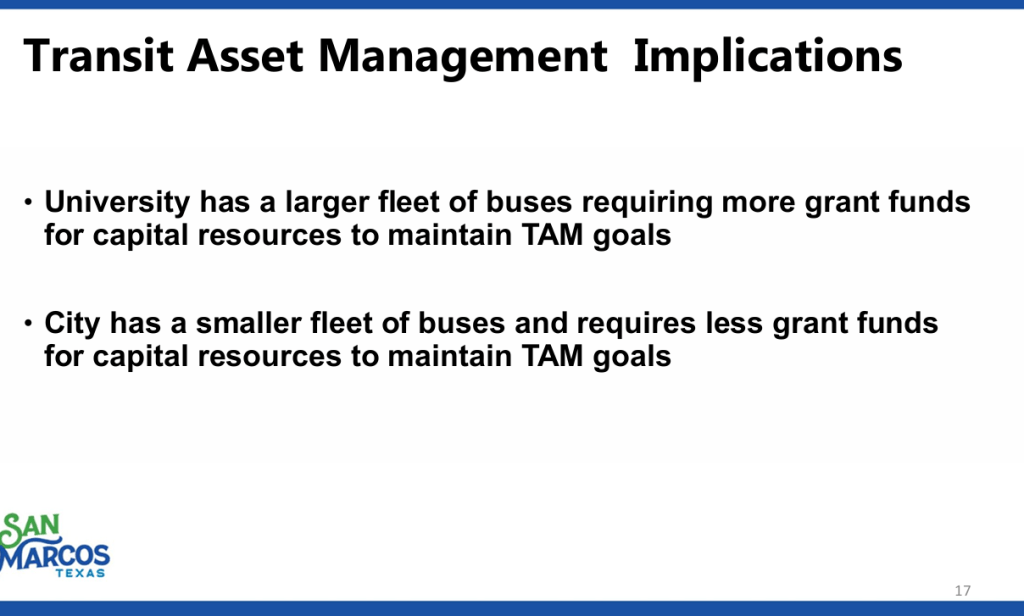
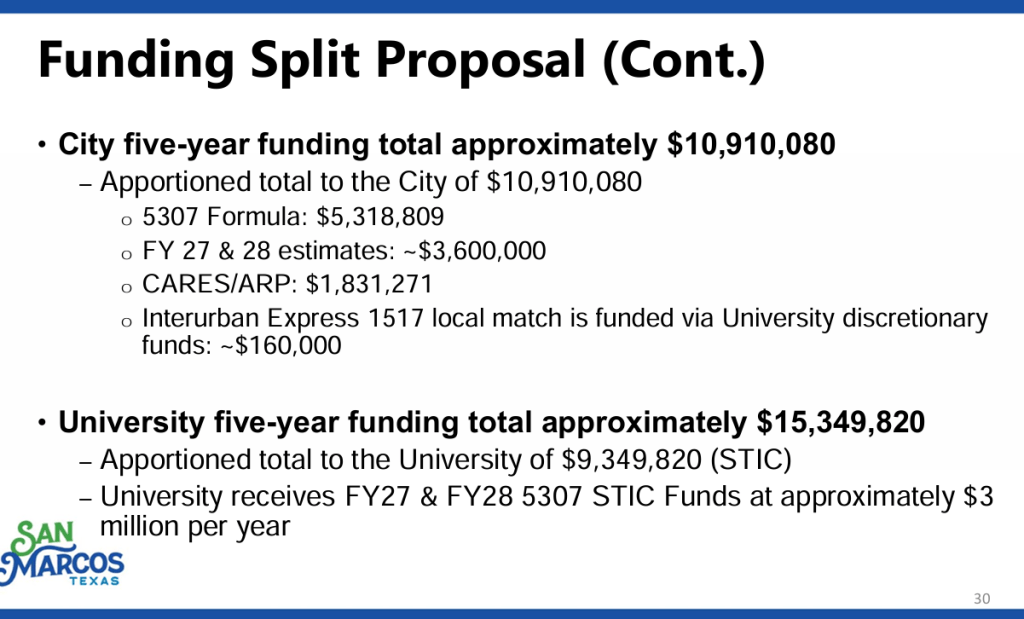
The last part of the presentation gets really weedy – it’s about how best to split up grant funding between the city and the university.
Some of the federal money has to be spent on the actual buses, so we send that over to the university, and then we keep the kinds that can be spent on staffing or whatever.
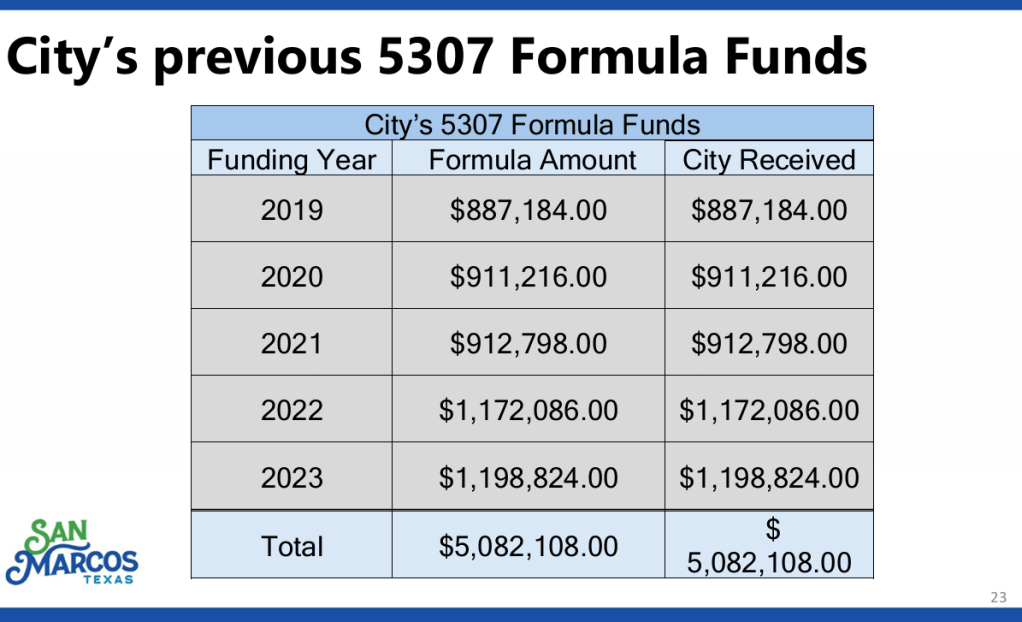
There were three different pots of money, but I think basically this is how it shook out for the past five years:
…
Side note
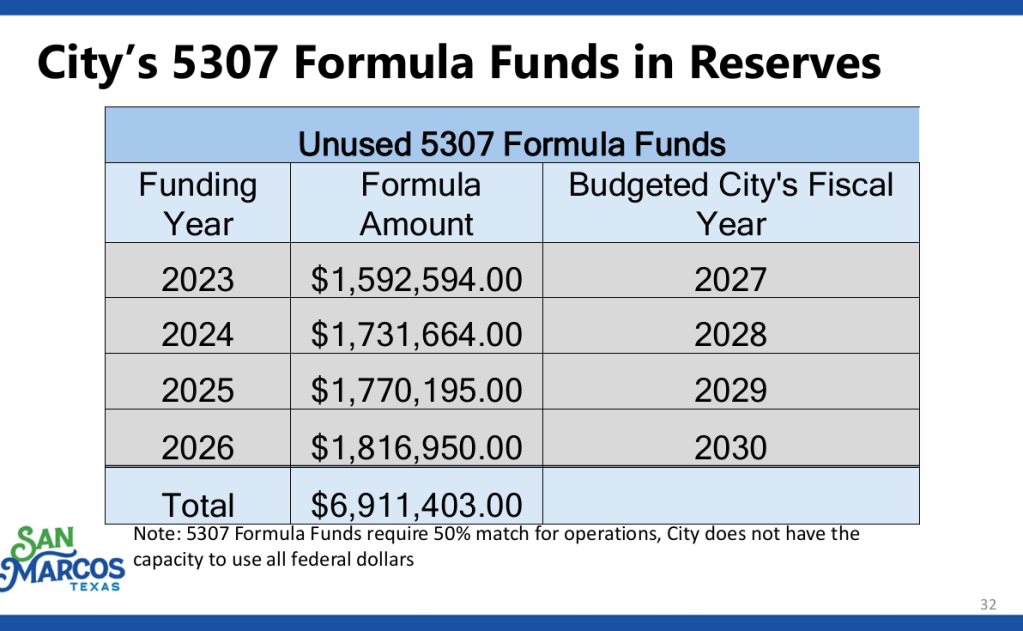
It’s worth noting one thing: we’re leaving a bunch of money on the table.
All that money requires the city to put up a 50% match. But we can’t afford the 50% match! So we just sit here and watch the money sit there.
Fortunately, it’s not going to get clawed back. It’s just going to wait for us.
I mean, we’d need an extra $900,000, just to cover 2026. Where on earth would we ever get that kind of money?
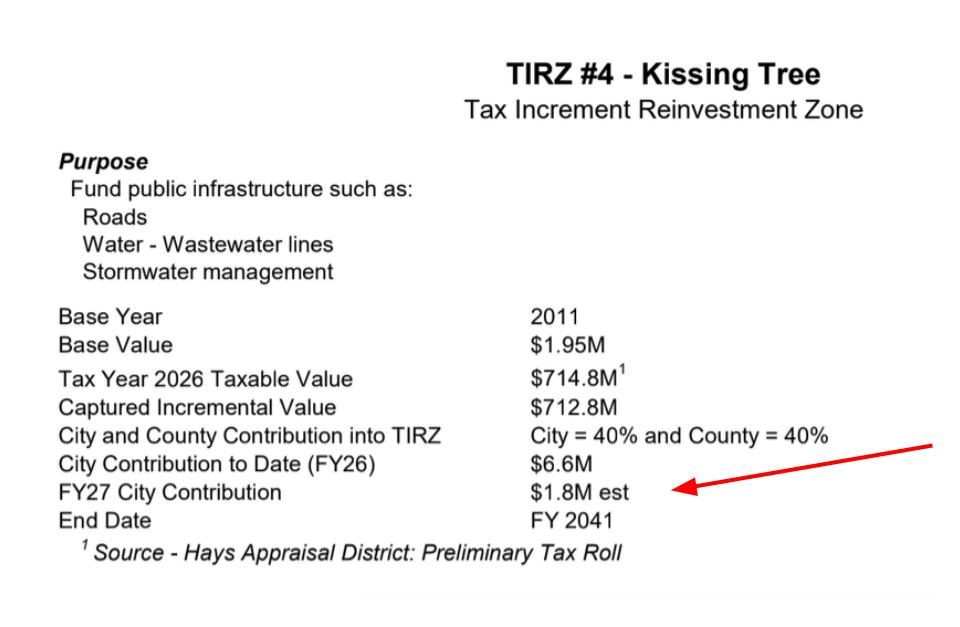
Just you wait until 2041, when we’re done giving Kissing Tree $1.8 million every year!
…
This is the decision before Council – is Council okay splitting the funds for the next five years in similar ways to how we’ve split funds for the past five years?
….
What does Council say?
Everyone is basically on board.
Great!
….
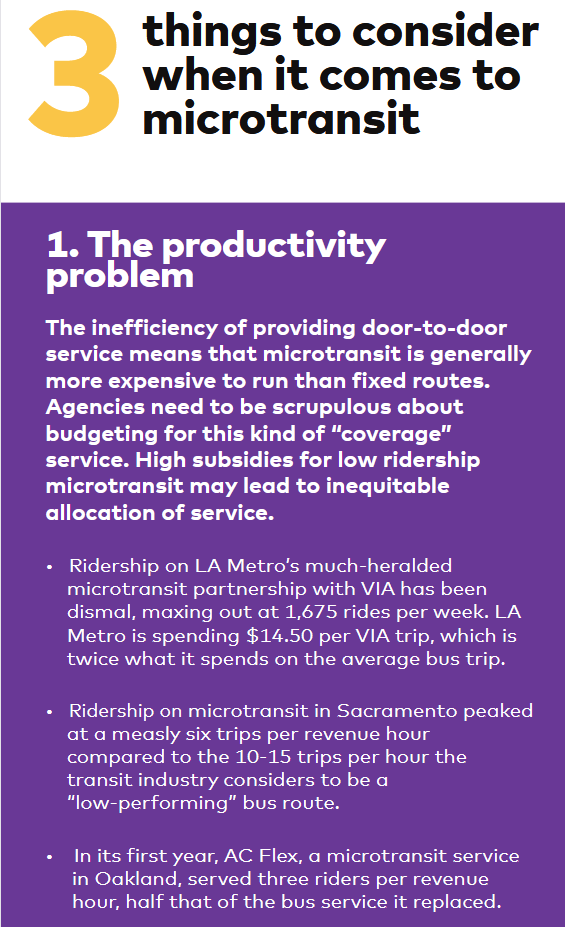
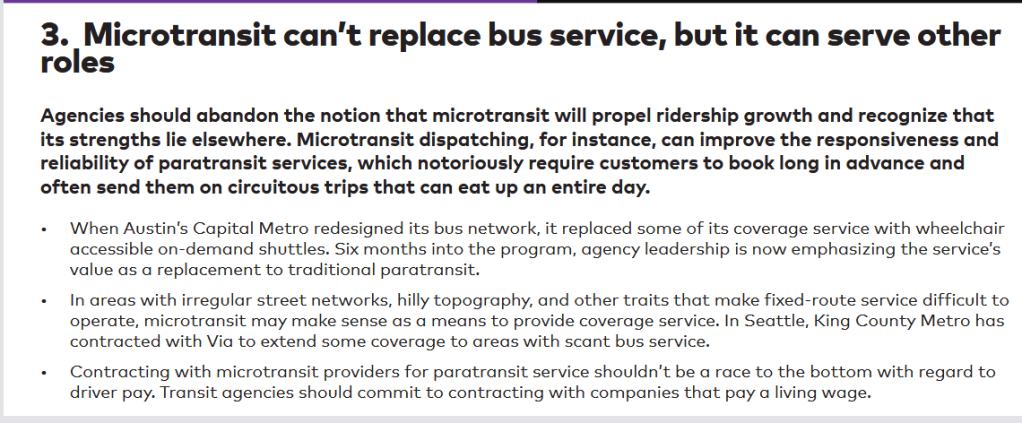
Side note on microtransit:
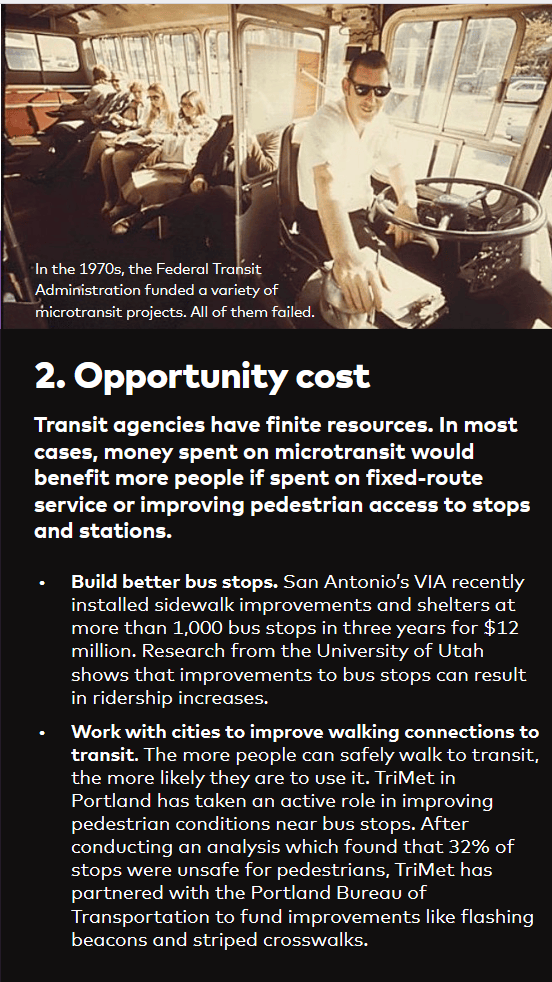
Several times the phrase “micro-transit” gets tossed around. This basically means paying for things like uber, on an individual basis, for users.
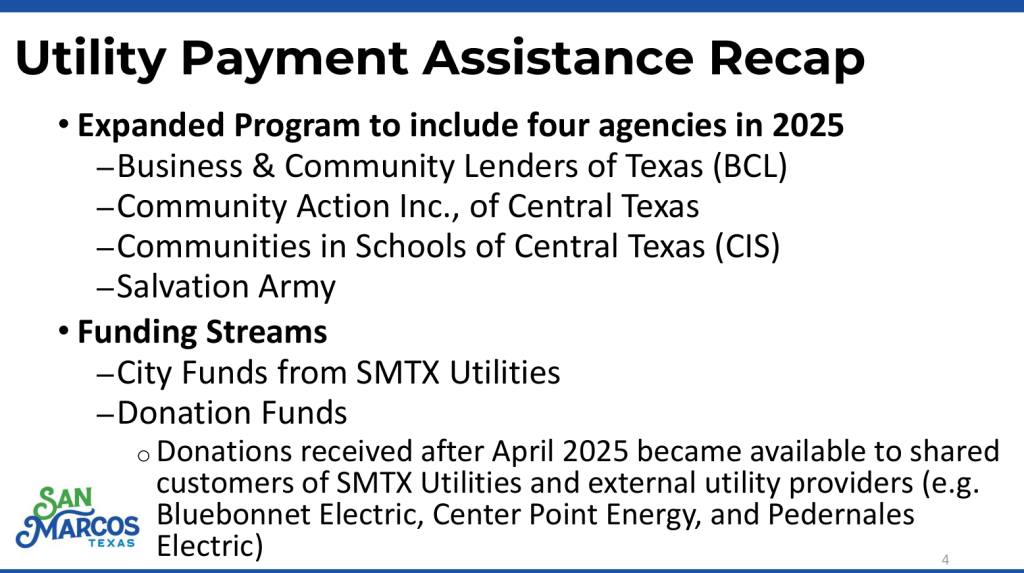
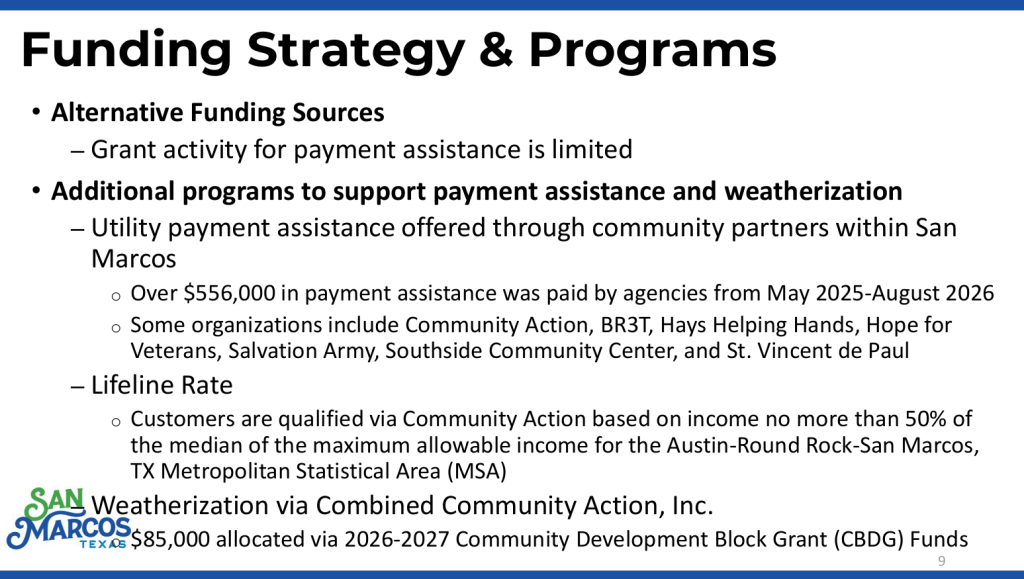
Council made a one-time pay-off of all delinquent utility bills, and then spent many, many, many meetings trying to figure out how to improve the system. (This was driven by Alyssa Garza, who absolutely refused to accept that it was just too hard to figure out how to do it right.)
The program works pretty smoothly now: we allocate money, and the money ends up getting to people who need assistance.
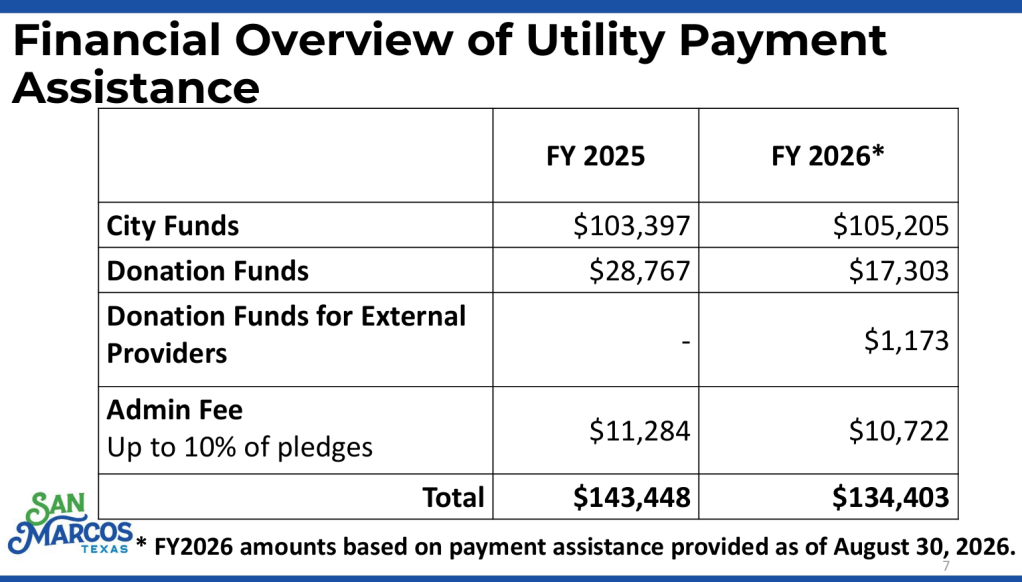
Here’s how much the city kicks in:
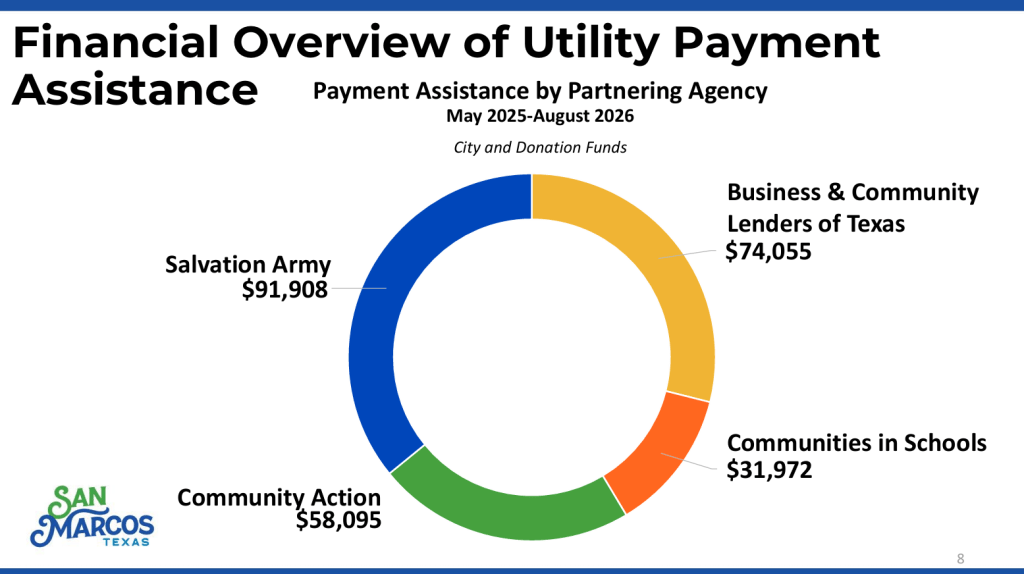
Here’s where it goes:
We used to be able to give a lot more, because we had a lot of Covid money. But Covid spending has basically ended.
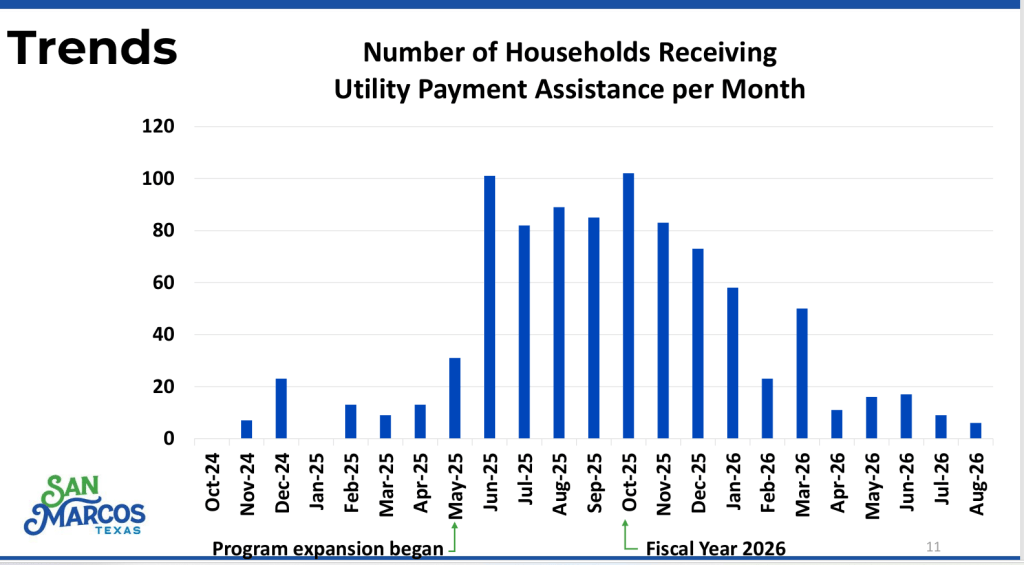
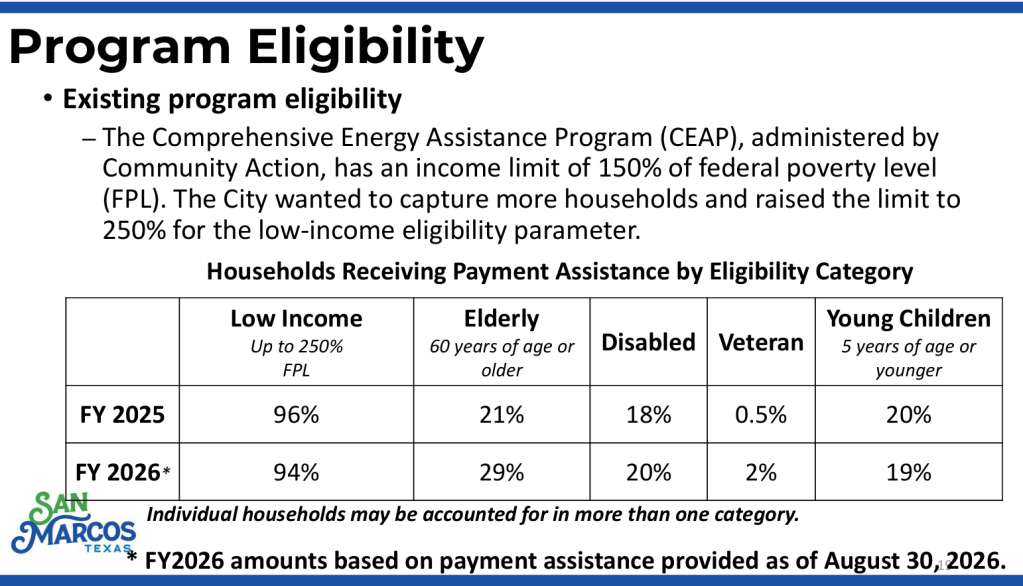
Here’s how many households have been assisted, since the program was redesigned last year:
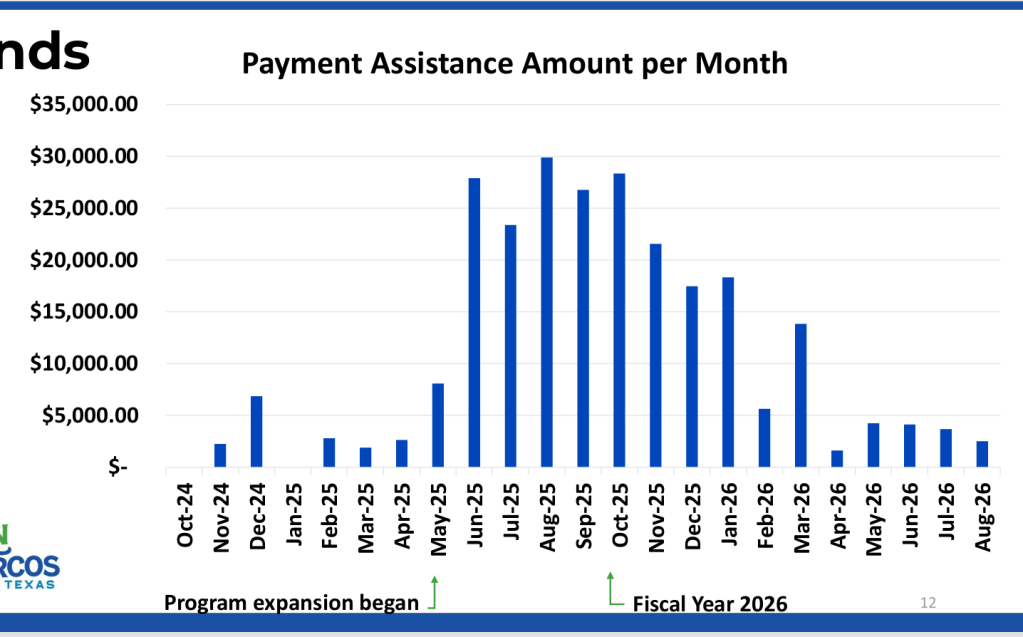
And here’s how much was given out each month:
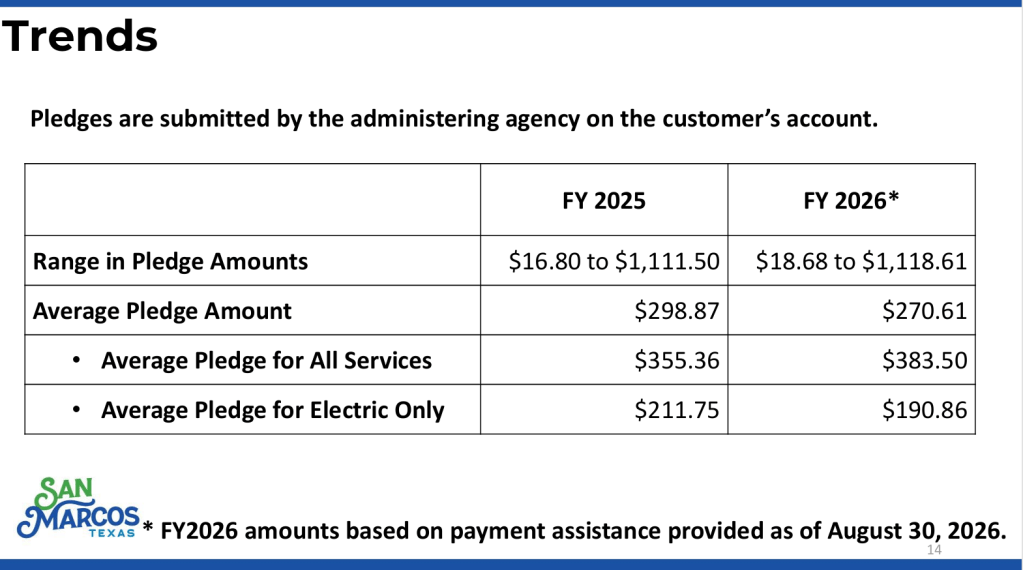
Here’s what the average recipient gets:
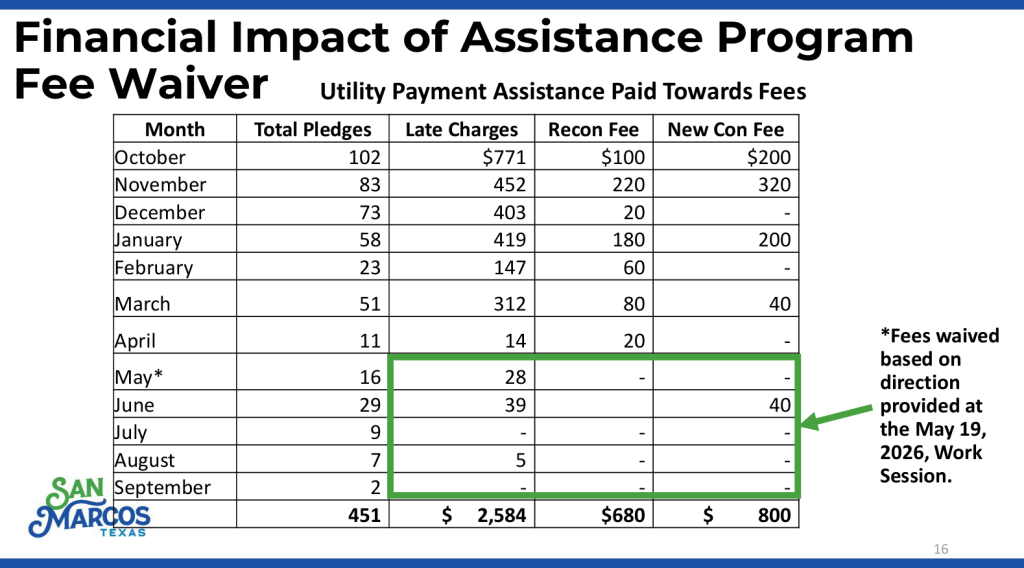
Last May, we also started waiving late fees and reconnection fees:
Does Council want to keep doing this?
Jane: is it hurting the budget? Answer: It’s about $4000.
Amanda: Does it make sense to include Southside on this fee waiver? So many people go there to get help.
Jane: What about Hays Helping Hands?
Alyssa: How about any organization that has received funding in the past can get the fee waiver?
They’re going to keep doing this.
…
They didn’t get into it in these slides, but the big problem is that Covid money has run out. Since we no longer get federal money, we don’t have enough money to last all year long. It runs out very quick.