
Workshop 1: Transit Partnership with Texas State University
We often kvetch about how the city and Texas State don’t collaborate. This is the opposite of that. This is a fantastic, cooperative, good-faith long term partnership. It’s really outstanding.
Things to keep this in mind:
A well-functioning public transit system has
- routes that cover the town, and
- buses that come frequently. (Like every 10-15 minutes)
If you don’t have those two things, no one rides the bus if they can help it. But it’s also really expensive to implement those things.
This leads to a chicken-and-egg problem:
- In order to have a lot of riders, you need a well-funded program.
- In order to get funding, federal agencies want you to show that you have a lot of riders.
See the problem? Let’s dive in.
Background:
2010: It all starts when San Marcos hits 50K people in the 2010 census. This means we can now start applying for federal grants for busses, from the FTA. (Federal Transit Administration)
2013: We get a grant for CARTS from the FTA. Then we take over CARTS in 2019.
This is where Texas State comes in:
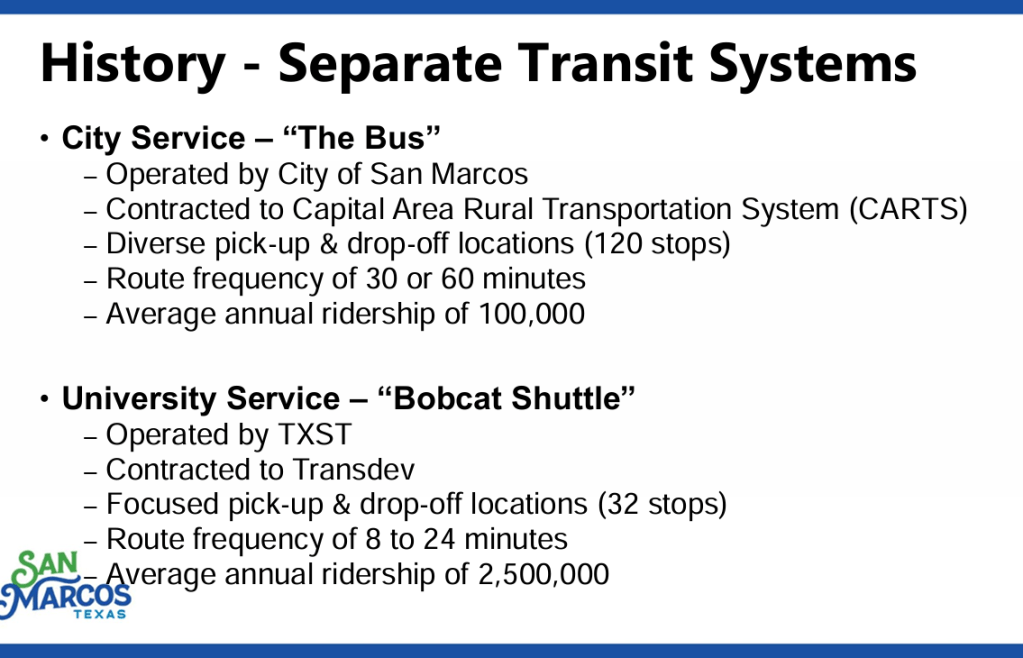
Texas State has a ton of riders, because their system is designed to do something very specific: get students back and forth from apartment complexes to the university.
Their system works great! There are a ton of students, and parking is terrible on campus. They can run buses frequently and have lots of riders.
Their task is easier, because they are not trying to cover all of San Marcos. They just connect high density apartment complexes with the university. High demand, low coverage.
So 2017 is a big deal:
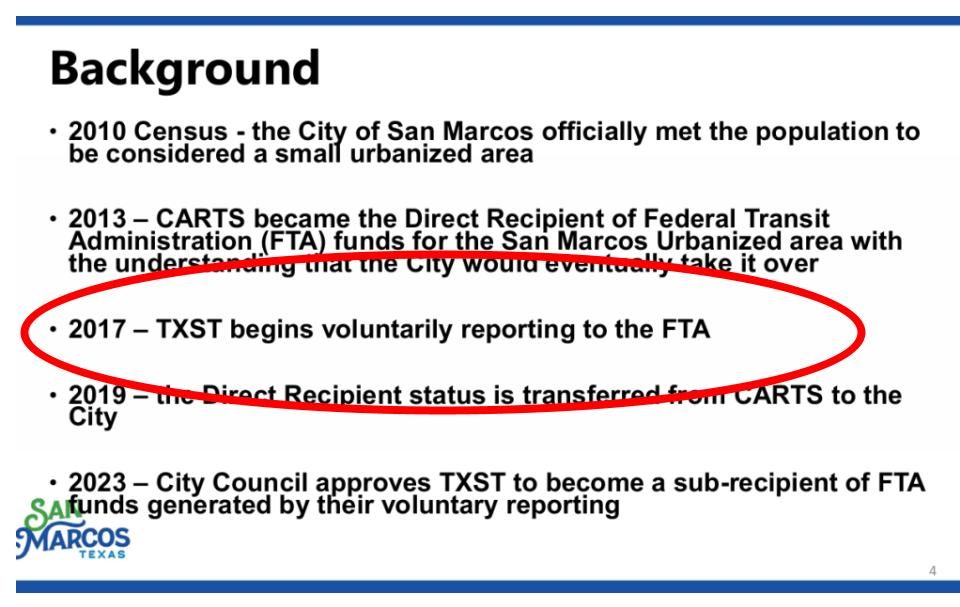
Basically, Texas State starts sending in their ridership data to the FTA, and this makes San Marcos look REALLY good. This gives us a huge boost because we can show ridership demand.
They didn’t have to do this! Just straight up helping us out.
Behind the scenes, the city and Texas State then started working to merge their systems into a single system:
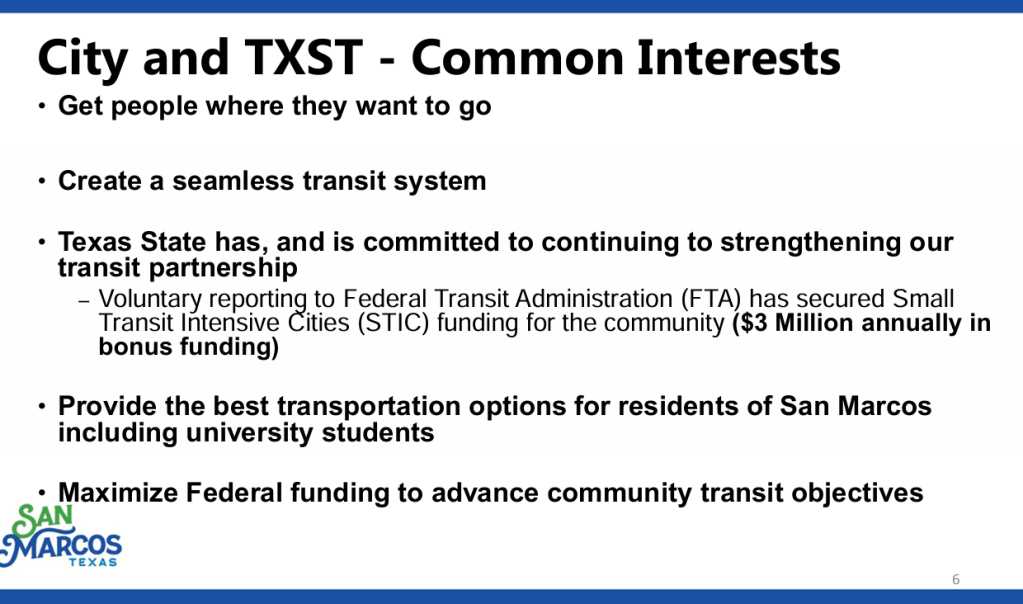
This got finalized in 2023 – not too long ago! But they’ve been working on it for a long time.
So now we have:
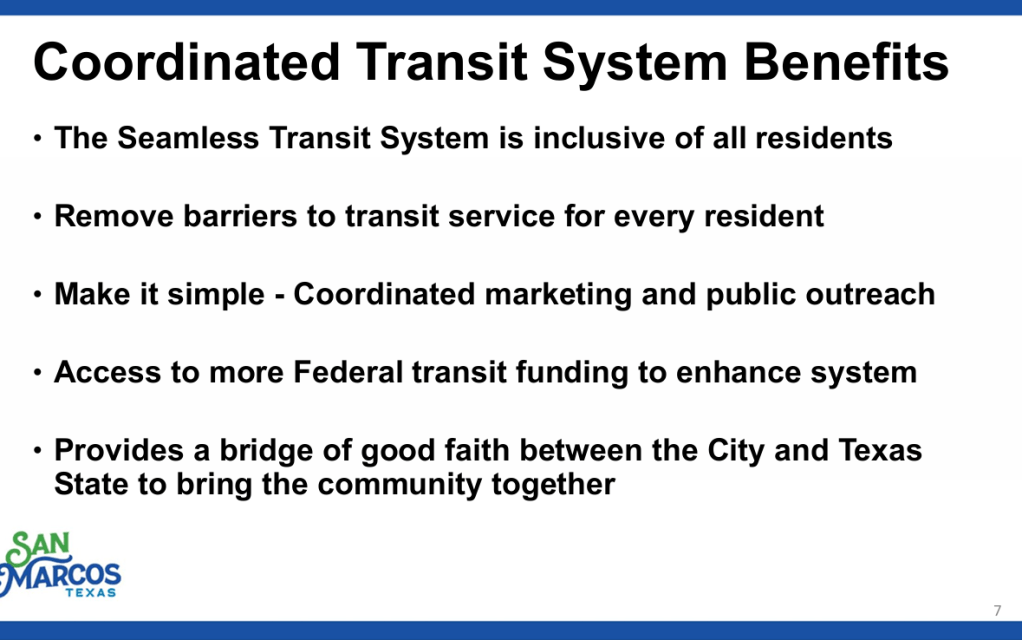
Everyone can ride the Bobcat shuttles for free, and everyone can run the city buses for free.
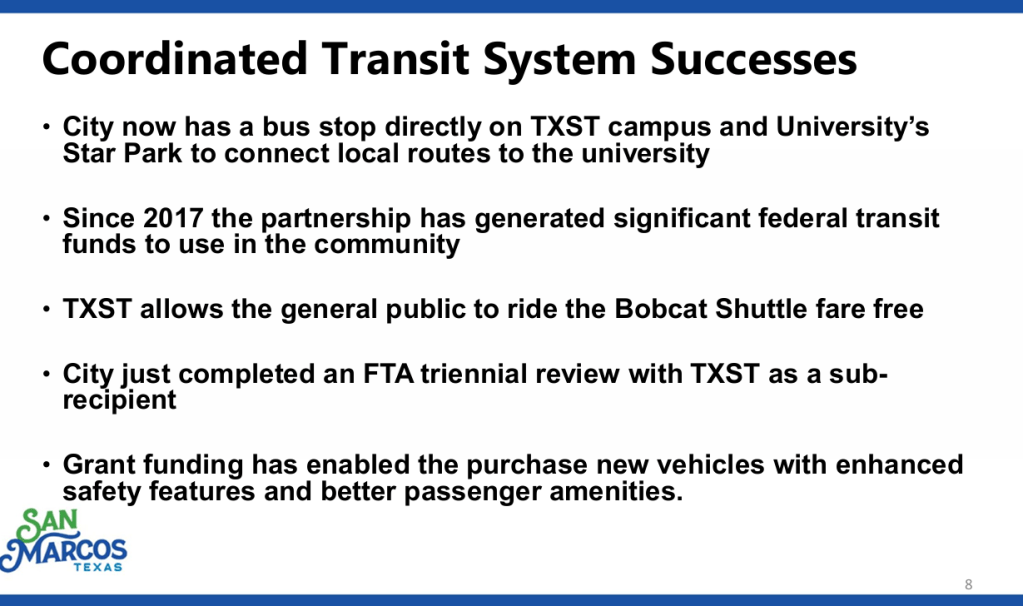
This is all great!
Here’s how the two systems compare:
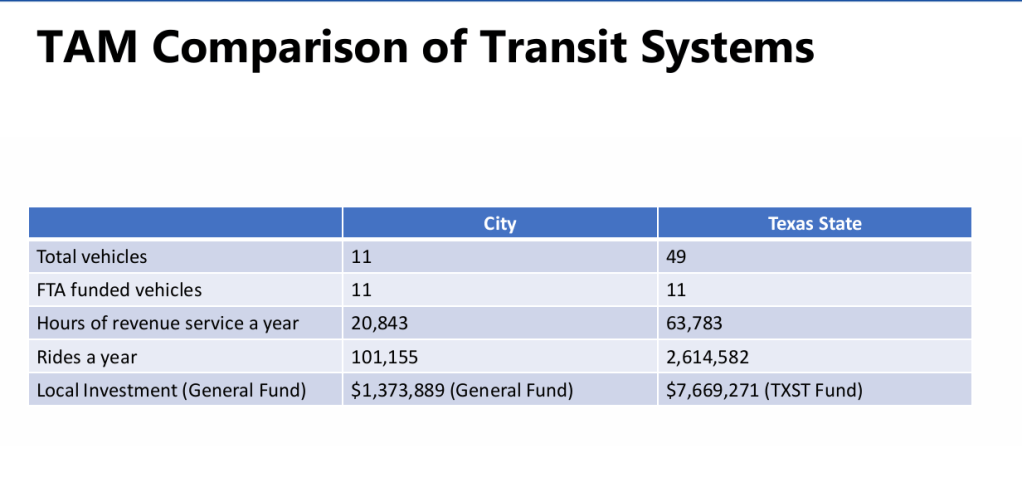
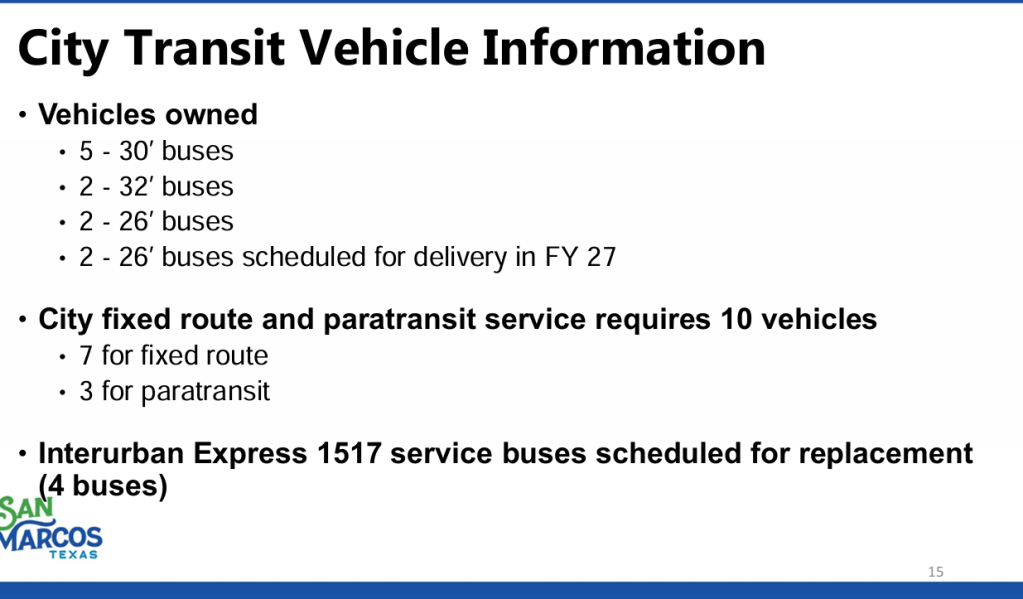
Here’s how the city breaks down:
and here’s how Texas State breaks down:
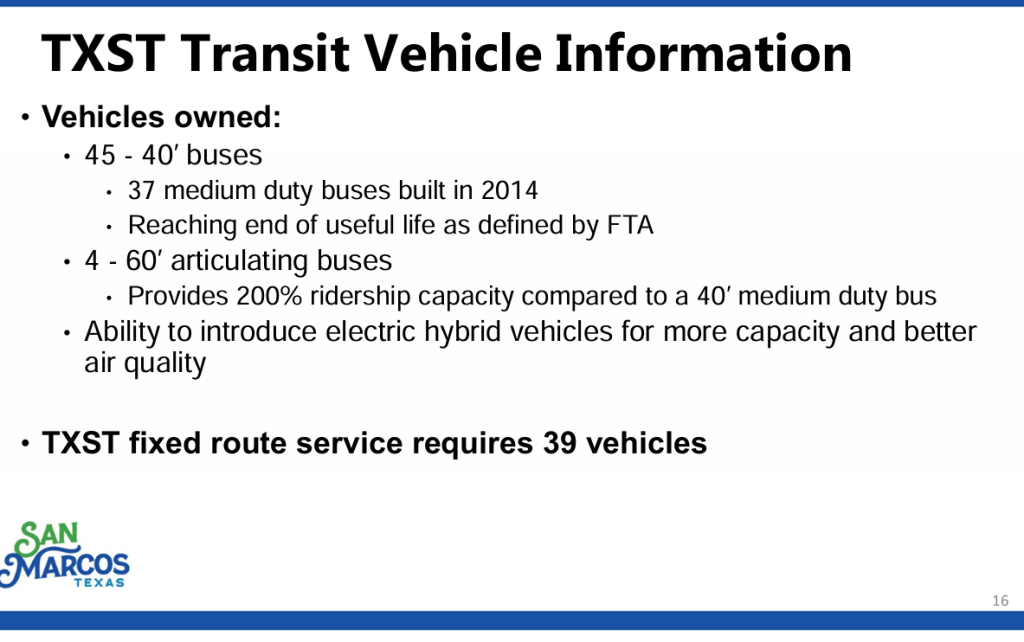
So now we’ve got the riders. And it’s really because of Texas State – they didn’t have to start reporting their data, but they did, and it made all the difference.
Here are the kinds of stats that they report:
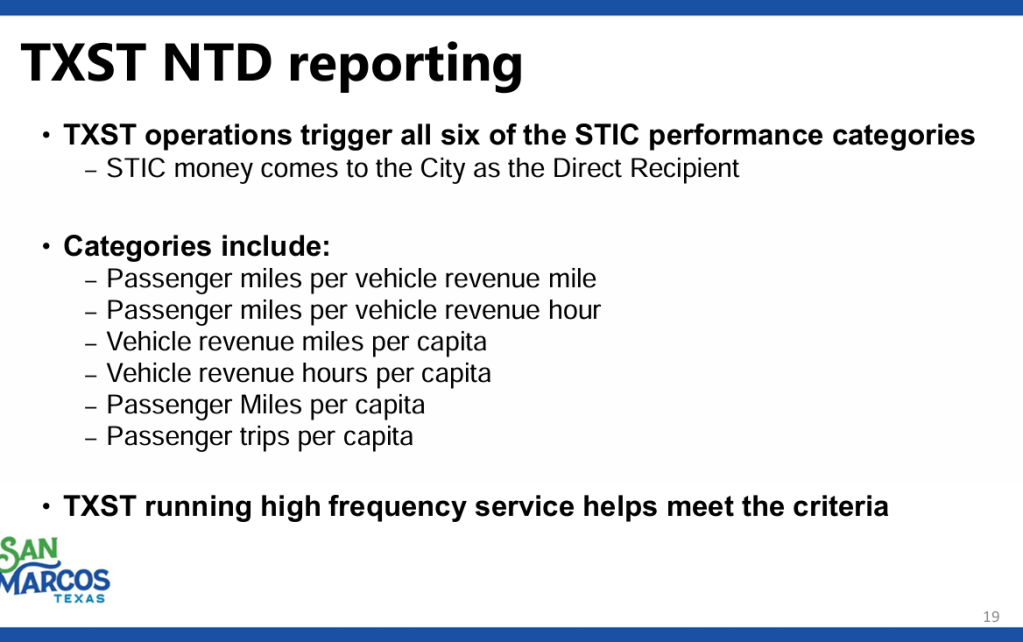
This is all really great. (They didn’t include what those category statistics actually are.)
…
Next they needed some grant funding. We’ve been getting money, but it’s on a five year cycle, and so right now they’re working on the next cycle.
First off, you need a Transit Development Plan.
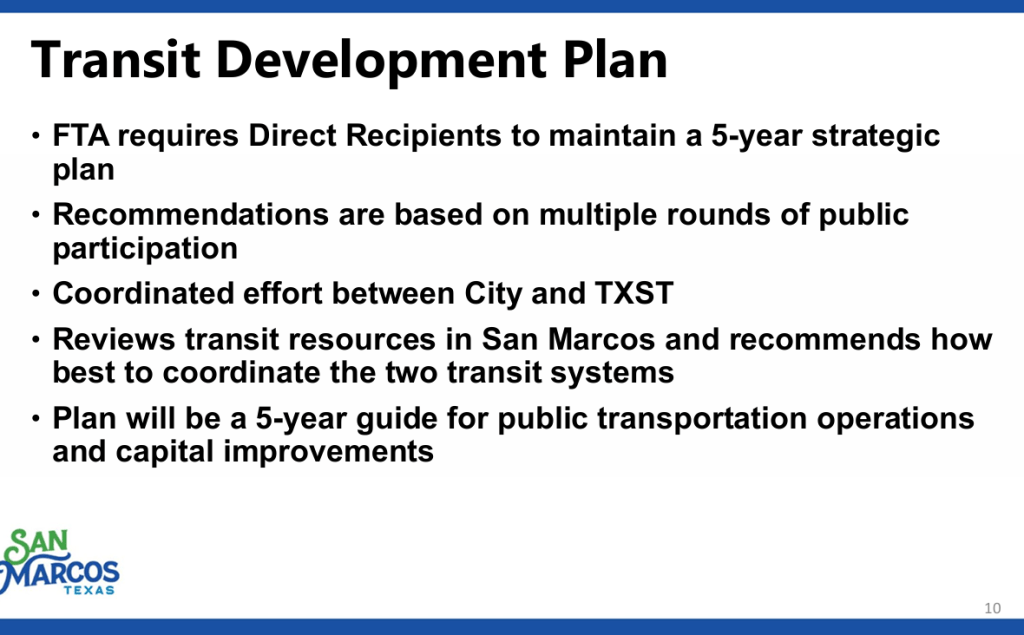
We’re working on it.
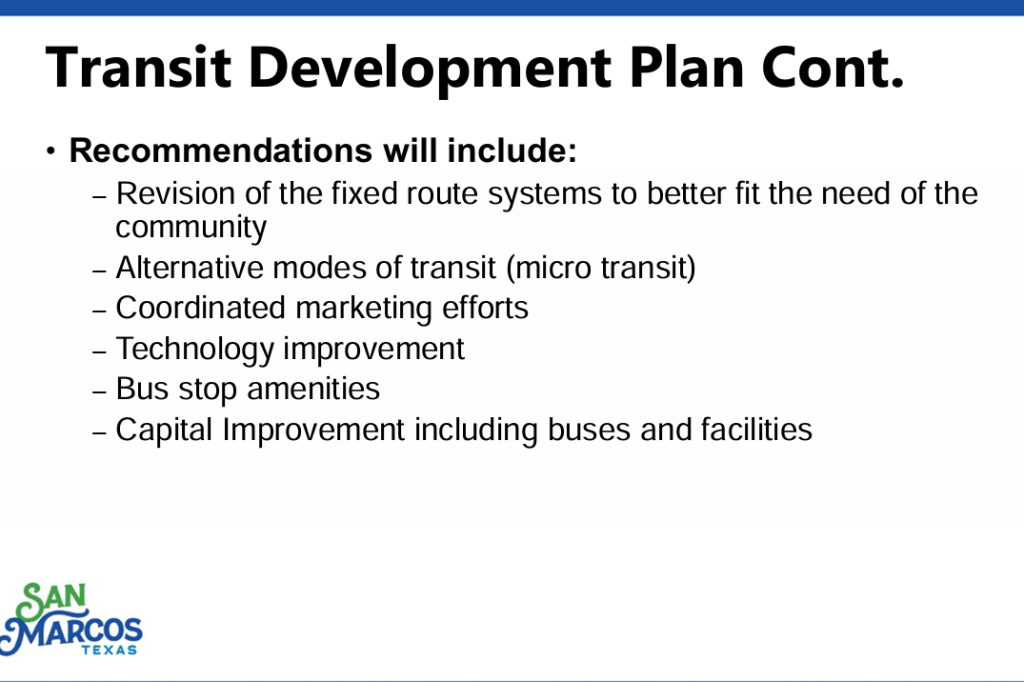
Keep an eye out for surveys and city meetings, so that you can give your input.
…
The last part of the presentation gets really weedy – it’s about how best to split up grant funding between the city and the university.
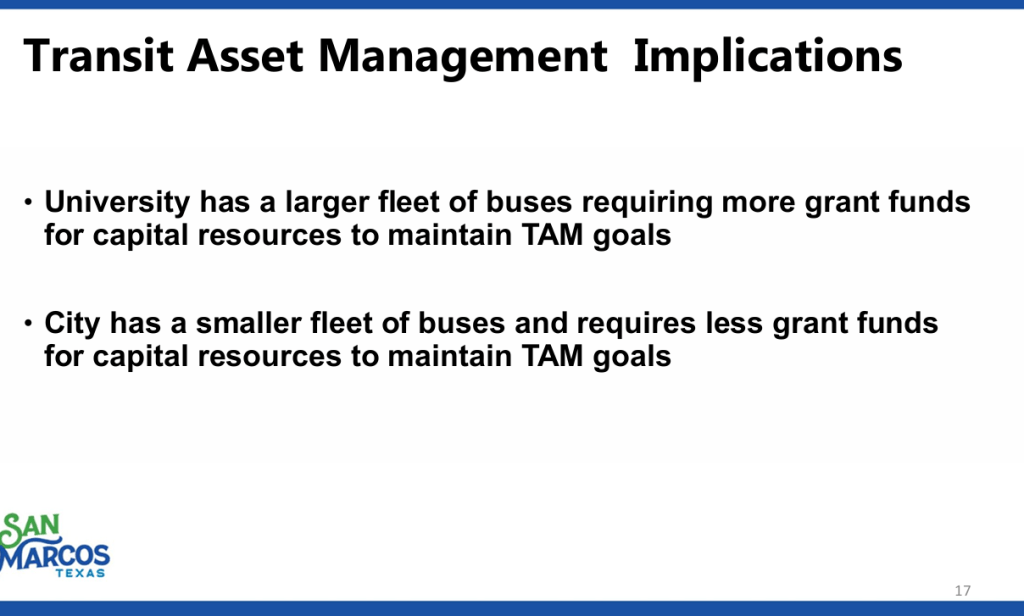
Some of the federal money has to be spent on the actual buses, so we send that over to the university, and then we keep the kinds that can be spent on staffing or whatever.
There were three different pots of money, but I think basically this is how it shook out for the past five years:
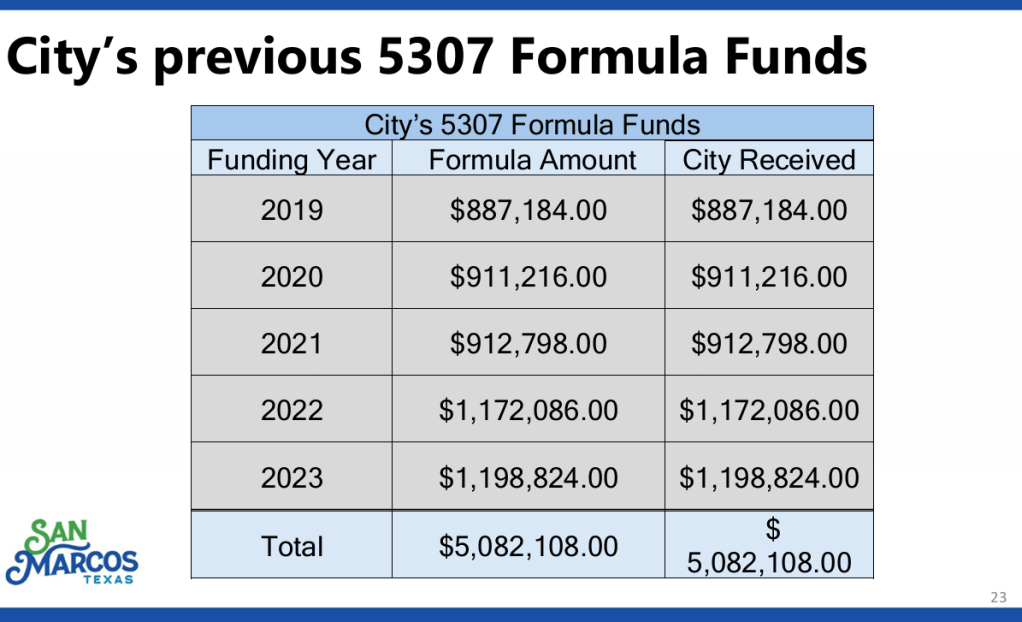
…
Side note
It’s worth noting one thing: we’re leaving a bunch of money on the table.
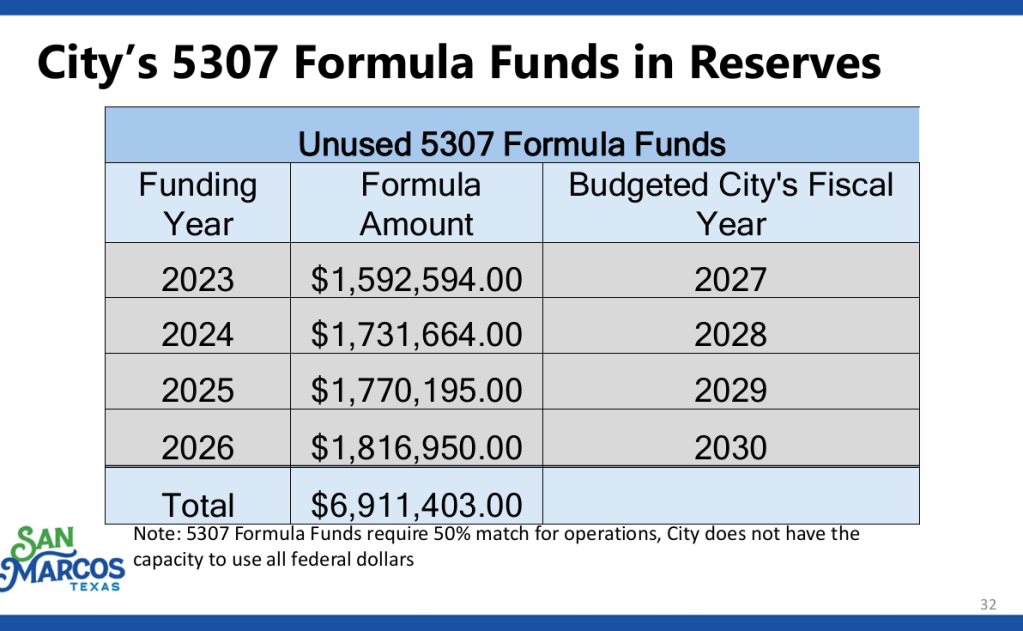
All that money requires the city to put up a 50% match. But we can’t afford the 50% match! So we just sit here and watch the money sit there.
Fortunately, it’s not going to get clawed back. It’s just going to wait for us.
I mean, we’d need an extra $900,000, just to cover 2026. Where on earth would we ever get that kind of money?
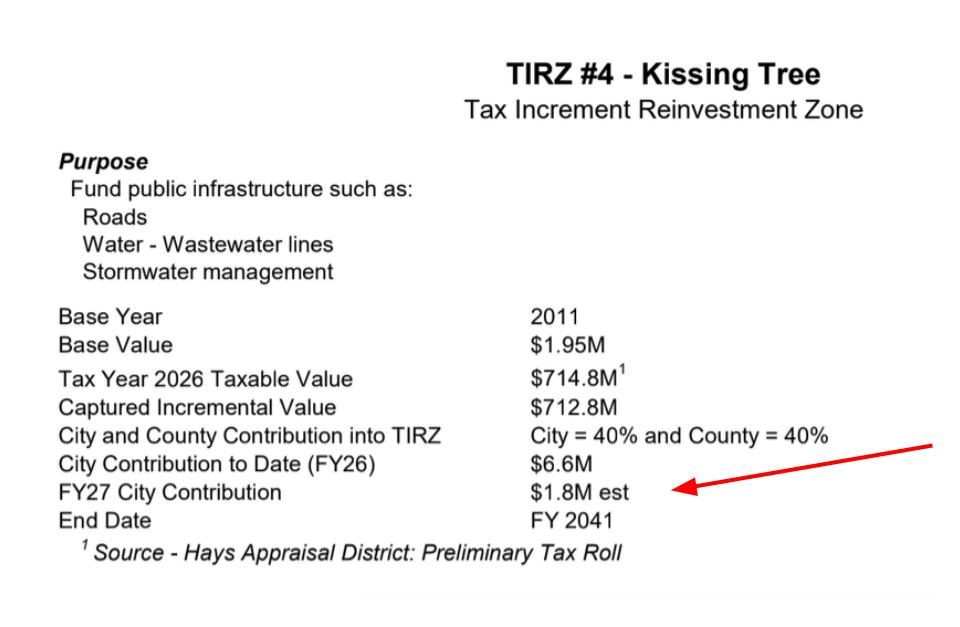
Just you wait until 2041, when we’re done giving Kissing Tree $1.8 million every year!
…
This is the decision before Council – is Council okay splitting the funds for the next five years in similar ways to how we’ve split funds for the past five years?
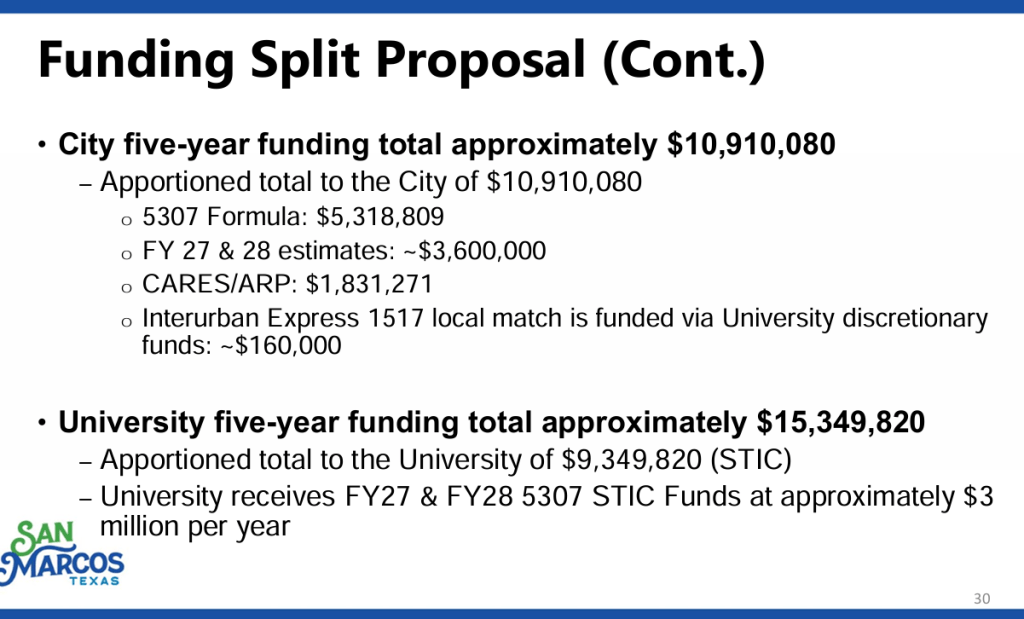
….
What does Council say?
Everyone is basically on board.
Great!
….
Side note on microtransit:
Several times the phrase “micro-transit” gets tossed around. This basically means paying for things like uber, on an individual basis, for users.
Here is a useful way to think about micro-transit:
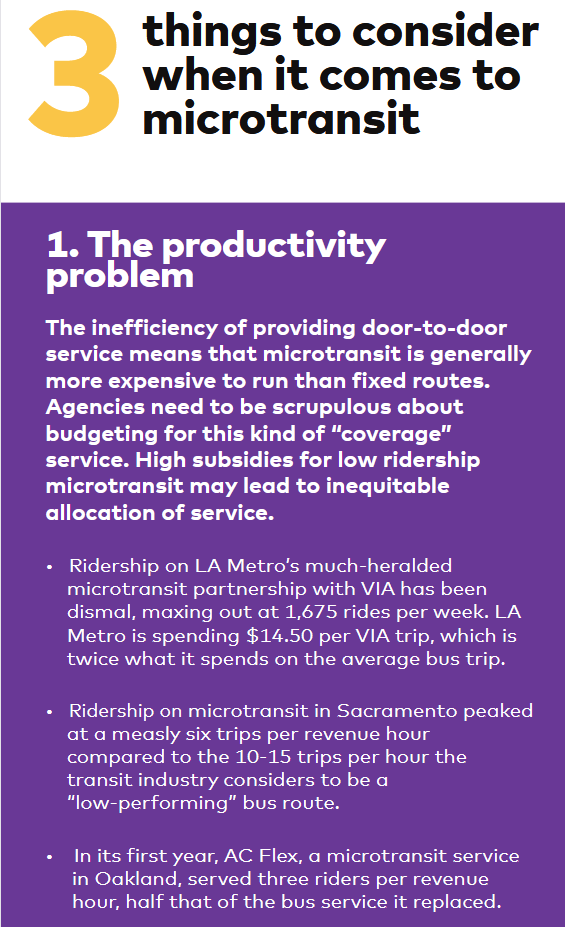
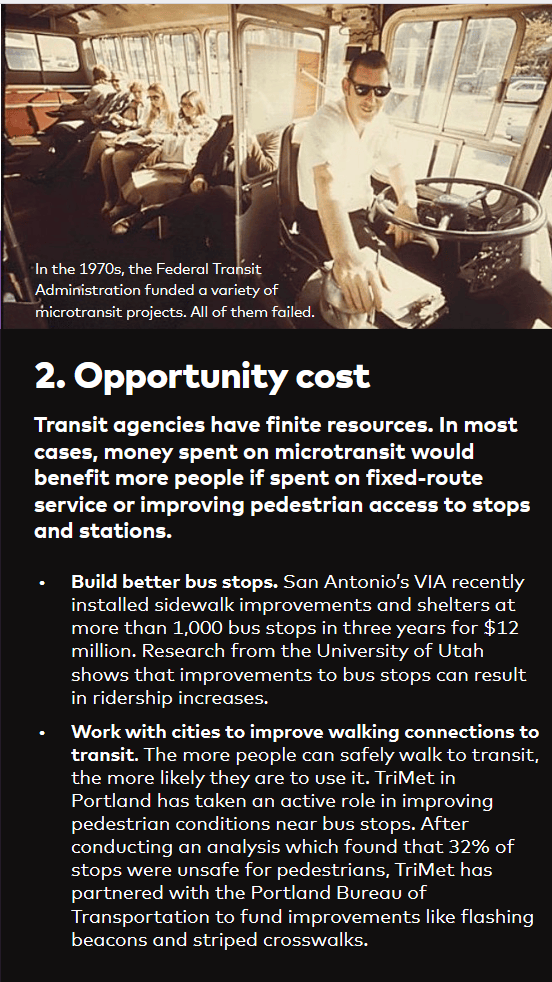
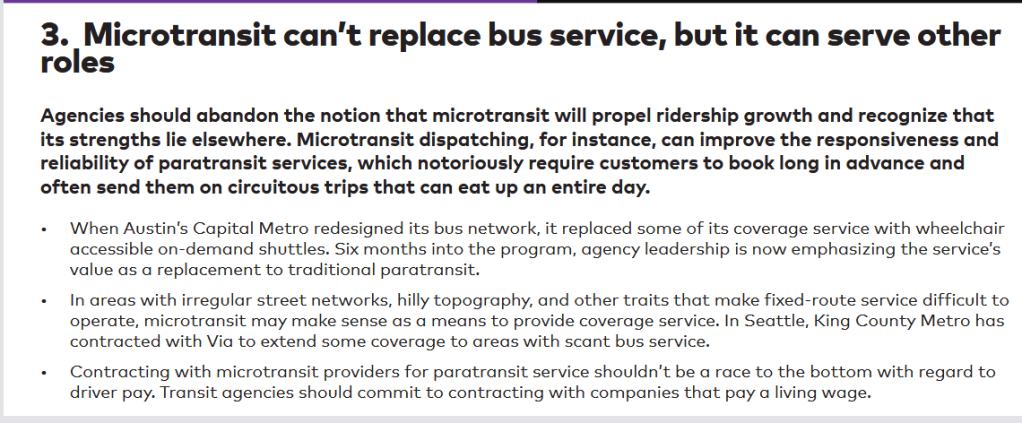
(Thanks to Dr. Ray for the link)
…
Workshop #2: Utility Assistance
We’ve been working on this for a LONG time.
Back in 2021, utility assistance was going really poorly. We had allocated $1 million in Covid money, and only 20% of it had gotten spent.
Council made a one-time pay-off of all delinquent utility bills, and then spent many, many, many meetings trying to figure out how to improve the system. (This was driven by Alyssa Garza, who absolutely refused to accept that it was just too hard to figure out how to do it right.)
The program works pretty smoothly now: we allocate money, and the money ends up getting to people who need assistance.
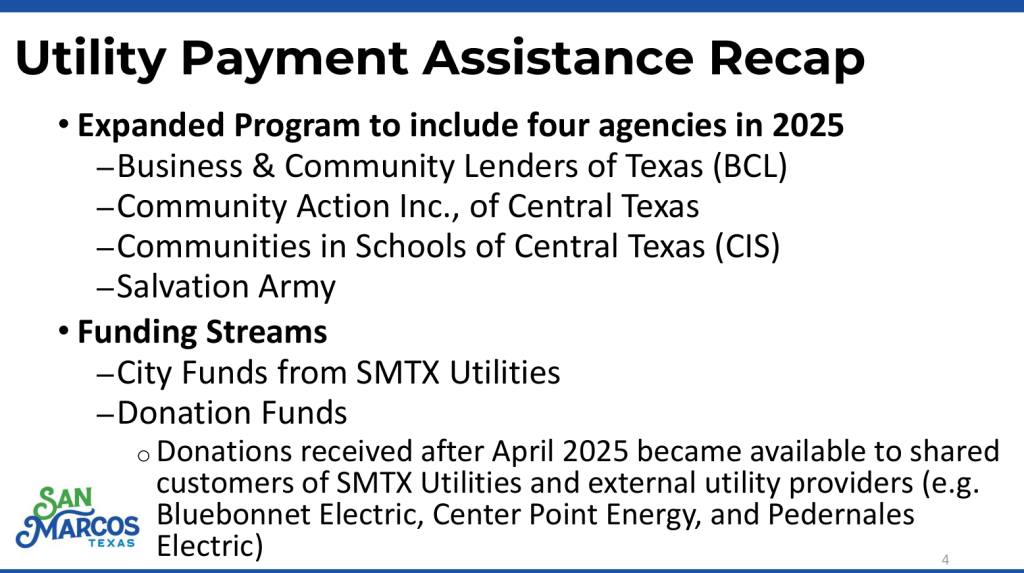
Here’s how much the city kicks in:
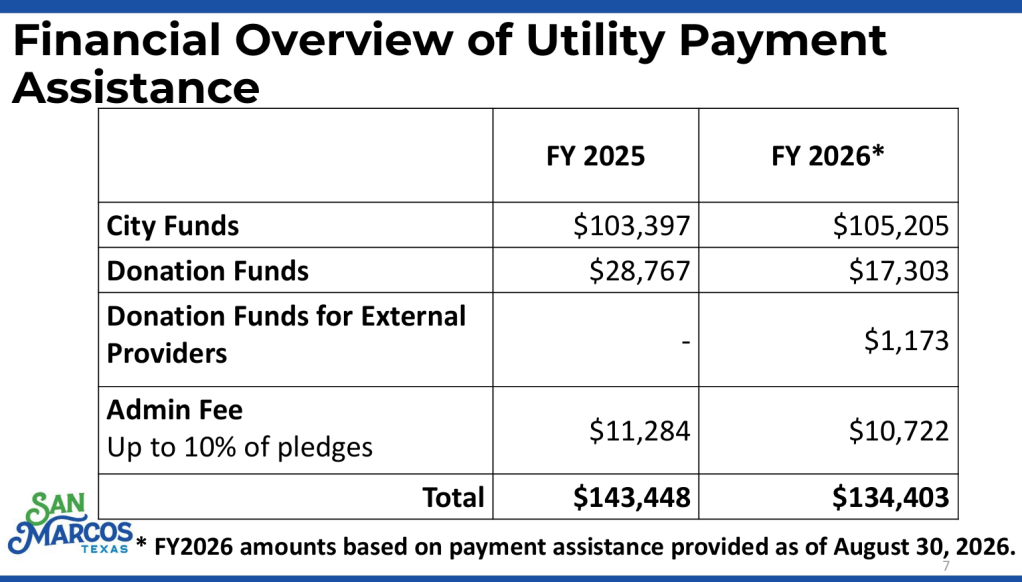
Here’s where it goes:
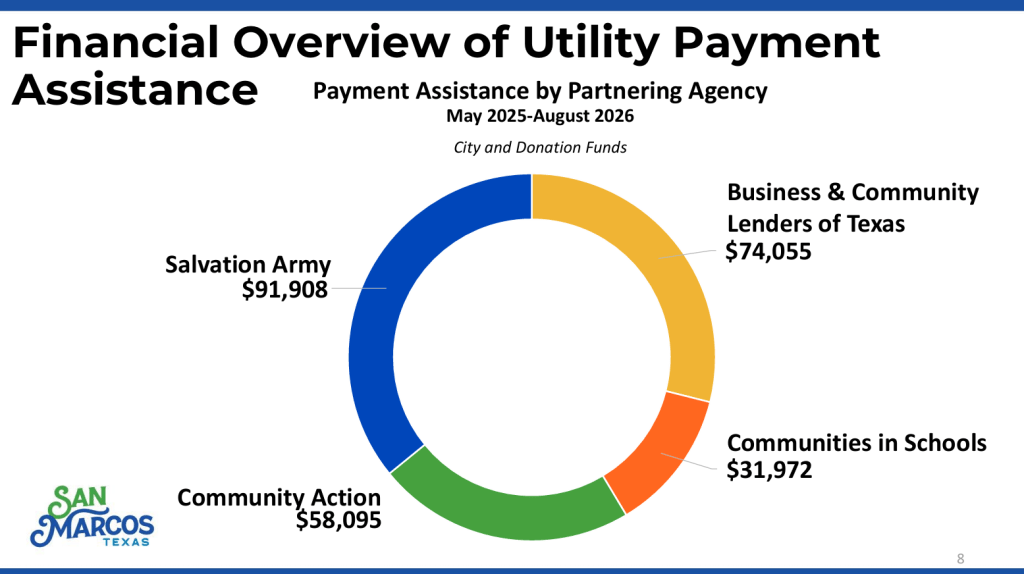
We used to be able to give a lot more, because we had a lot of Covid money. But Covid spending has basically ended.
Here’s how many households have been assisted, since the program was redesigned last year:
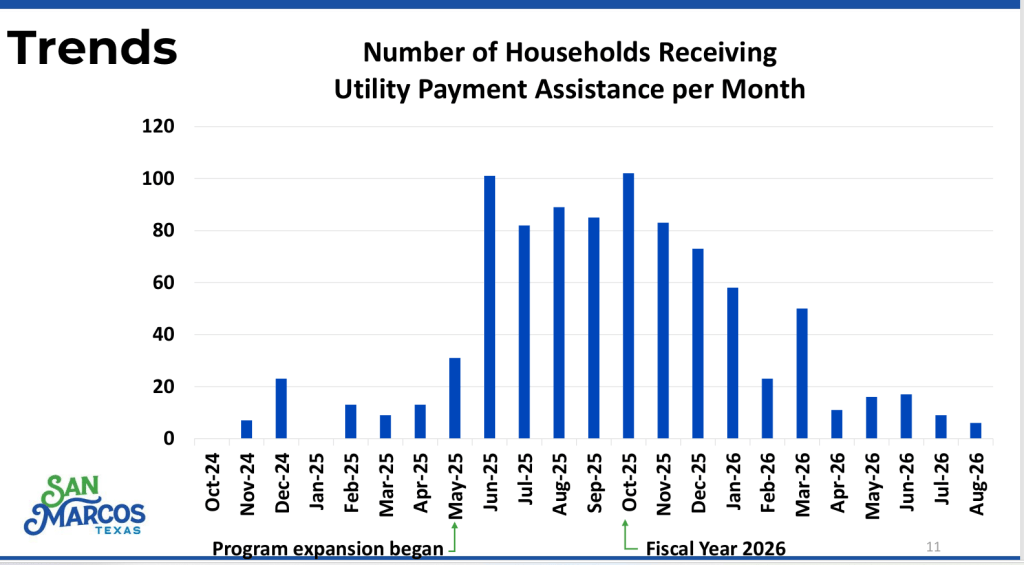
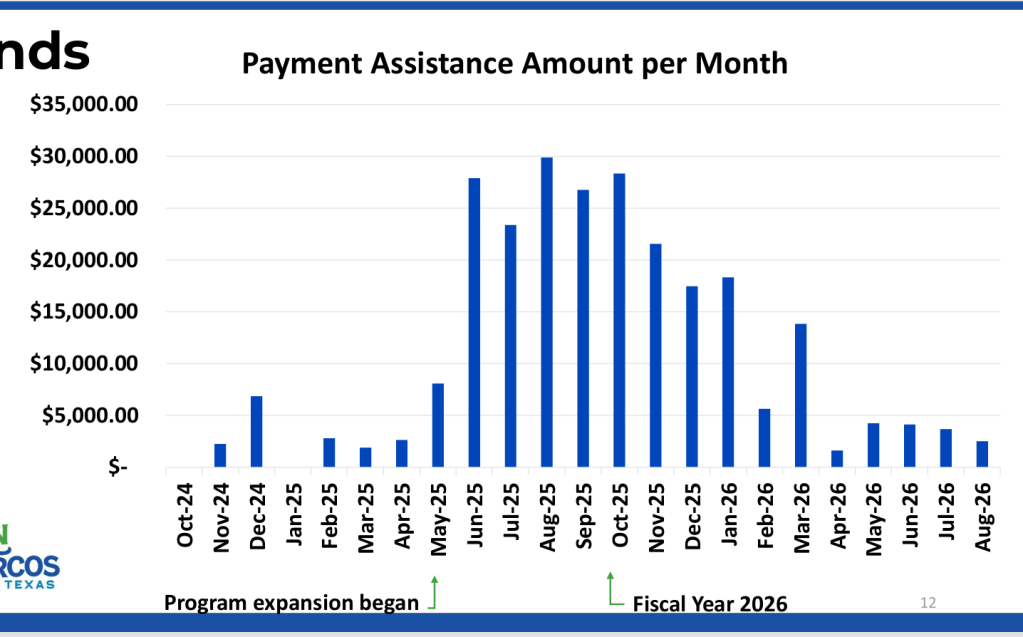
And here’s how much was given out each month:
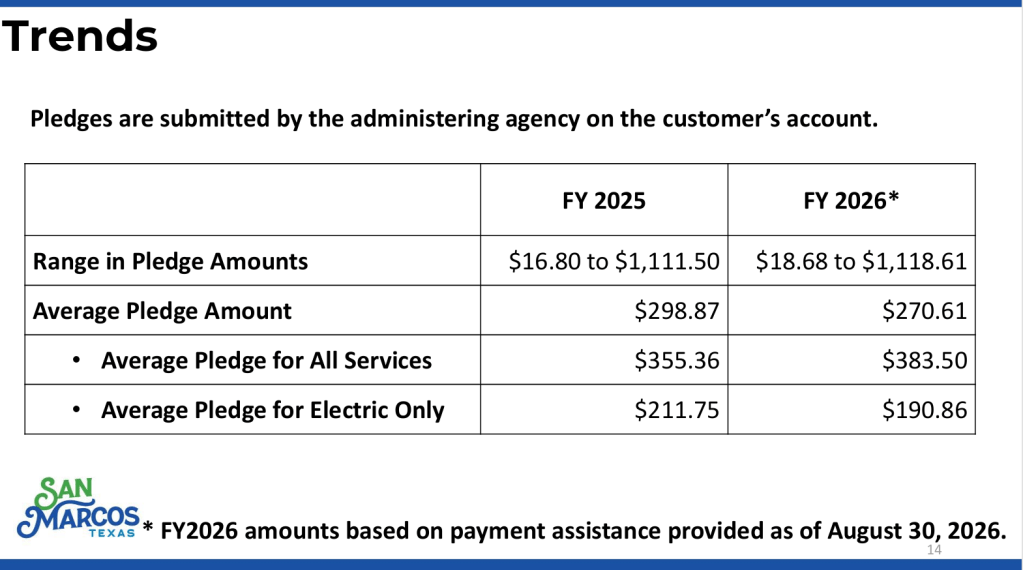
Here’s what the average recipient gets:
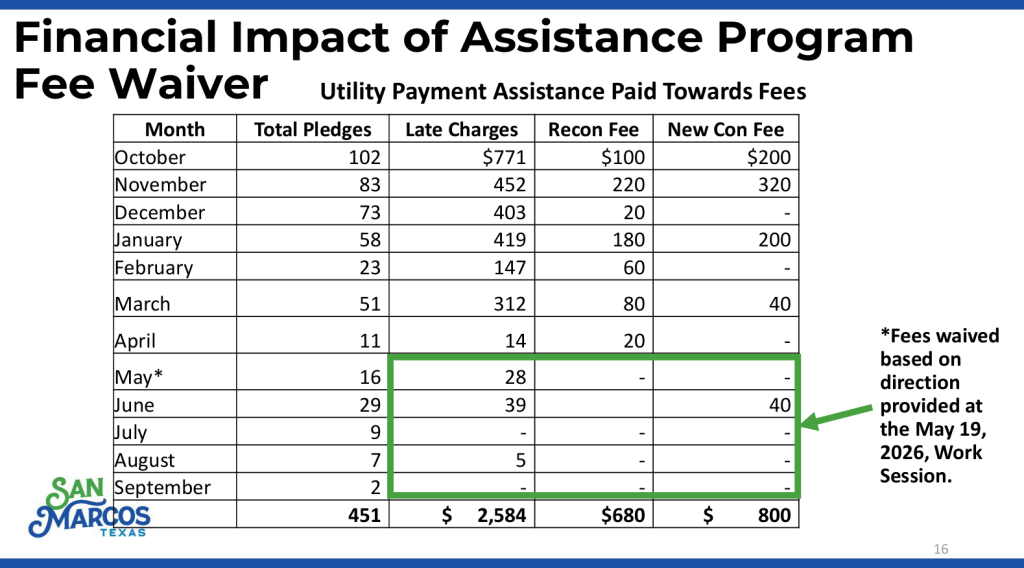
Last May, we also started waiving late fees and reconnection fees:
Does Council want to keep doing this?
Jane: is it hurting the budget?
Answer: It’s about $4000.
Amanda: Does it make sense to include Southside on this fee waiver? So many people go there to get help.
Jane: What about Hays Helping Hands?
Alyssa: How about any organization that has received funding in the past can get the fee waiver?
They’re going to keep doing this.
…
They didn’t get into it in these slides, but the big problem is that Covid money has run out. Since we no longer get federal money, we don’t have enough money to last all year long. It runs out very quick.
Here’s what they said back in May:
At the start of FY2026:
- BCL gave out all their money, $21K, in 28 days. They got an extra $11K in March, and gave it out in 18 days.
- Salvation Army gave out $45K in 4 months.
- Communities in Schools can only assist students that are enrolled in their program, and can’t help in the summer.
- Community Action is SUPER slow, because they get federal money, and so they have to follow federal paperwork rules. This takes forever.
So in 2026, most of the money ran out before the summer, before air conditioning bills even kicked in.
…
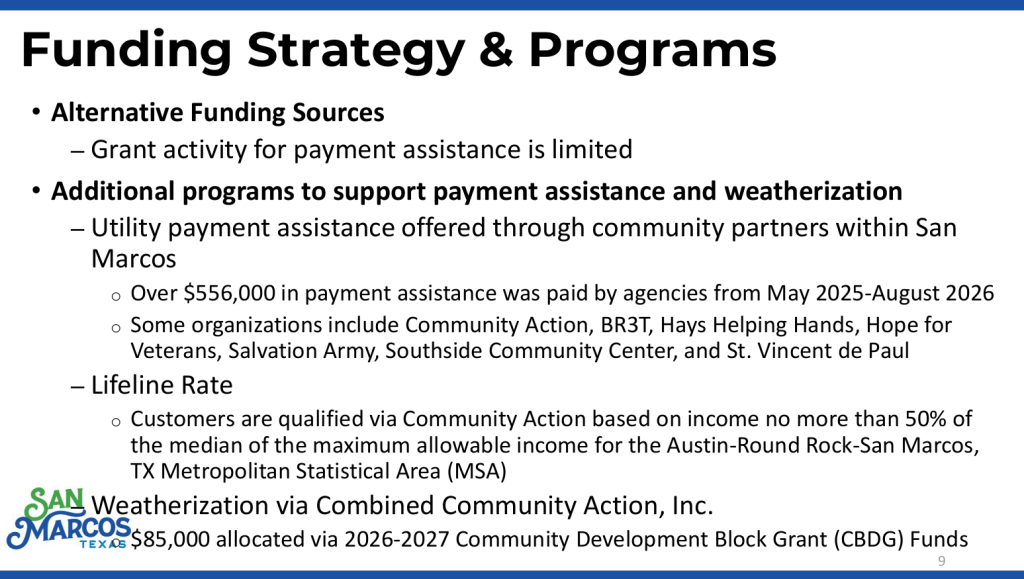
One part of all this is an extra program run by Community Action:
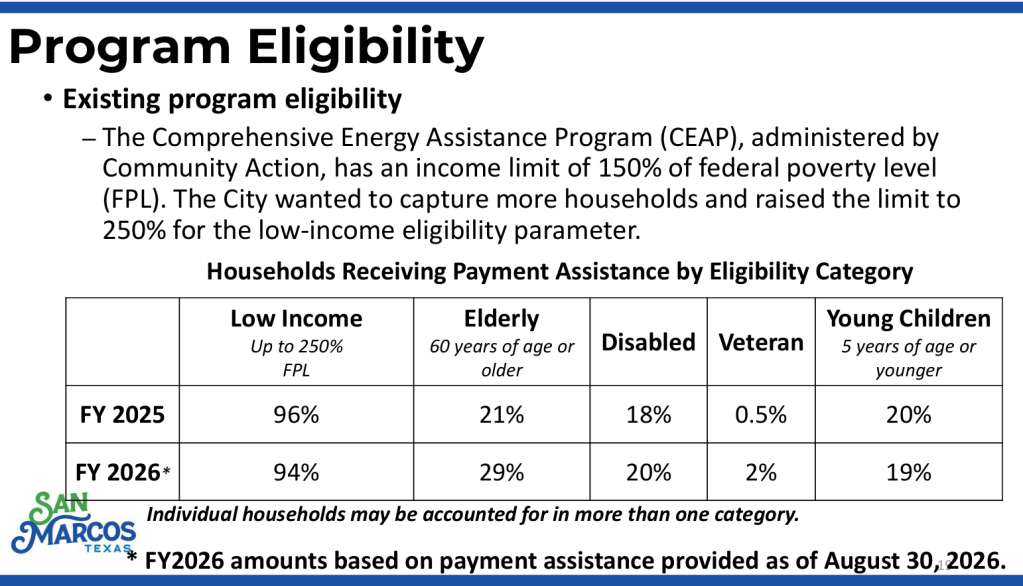
Staff is proposing that we add in more people to qualify for this program:
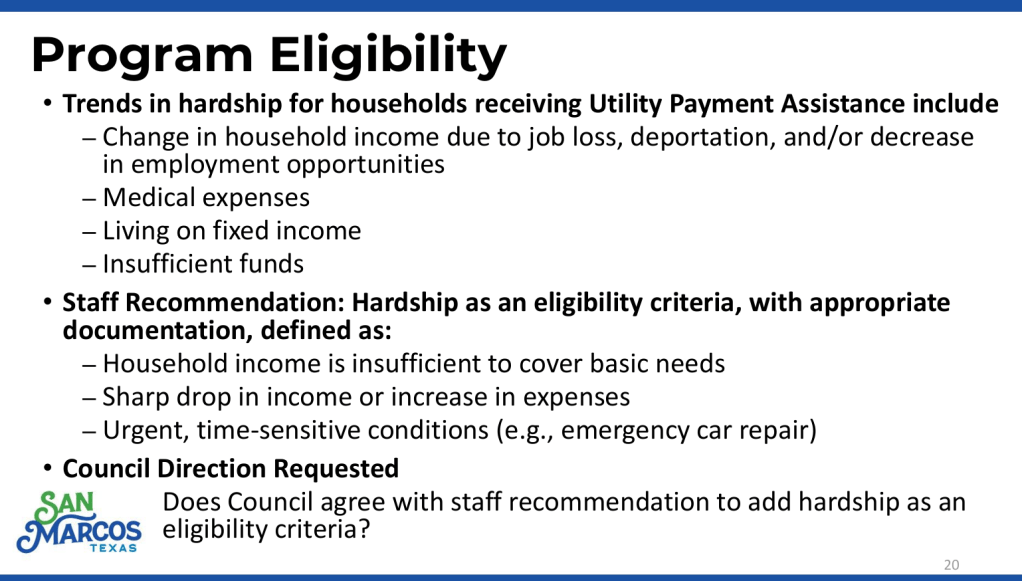
Everyone thinks this is great.

