
Citizen Comment:
By the numbers:
- 11 speakers at the 6 pm meeting,
- Two at the 3 pm workshop, and
- 22 more at the public hearings, mostly for the Land Development Code.
(I just pooled them all together here.)
The biggest theme of the night: Data Centers in the Land Development Code. (5 speakers during Citizen Comment, and another 19 at the public hearing.)
Roughly speaking, everyone said: “When you revise the land development code, either ban data centers altogether, or at least regulate them tightly. They’re terrible and we hate them.”
…
Side note: several speakers had spent their morning at the Guadalupe Commissioners Court. Guadalupe County approved a whole package of tax breaks for a Cloudburst Data Center on 123, despite listening to four hours of public comment about how much everyone hates them.
To put it mildly, this smells corrupt. The only argument in favor of a data center is the money. There is zero upside to giving a data center tax breaks.
…
Back to citizen comment. Non-Data-Center thoughts on the Land Development Code:
- Don’t require bars to clean 100 feet from their door. 50 ft is plenty.
- Serving food at all hours is fine, but don’t inadvertently ban food trucks downtown.
- Most of the proposed amendments on housing density look good. But be careful with permeable pavers – they can stop working if you get the wrong kind.
- Keep the watershed quality protection program presentation in P&Z. Even if they don’t vote on it, it’s important to cast sunlight on these things. (I strongly agree.)
- Don’t remove the tree requirement for situations where there aren’t previous trees. The east side was farmland, and so what looks like “no trees” was actually cleared by people.
- Mandate rainwater capture and gray water re-use
- Targeted stormwater fee with offsets for water innovation
- No potable water for any cooling
Note to Council: I strongly agree with keeping tree requirements. Developments without trees age really badly. We are talking about farmland, east of 35, which is also the more economically vulnerable side of town. If you allow developers to skip the trees, then the residents’ homes will not gain as much value over the years, the way it would on the west side.
We need a tree canopy in Texas to make the summer tolerable. You absolutely must require tree planting, unless the developer is putting in actual xeriscapes. (I’m okay with a xeriscape exception.)
…
Other comment topics, unrelated to the Land Development Code:
- We need to fight for immigrants and their safety. For example, AI entrenches a systematic bias in our health care.
- We need to bring industries to bring in tax dollars
- The city needs to stop rewarding incompetence
- We need more public and affordable housing. Also this would ease homelessness.
Onto the meeting!
….
Item 9: Five Mile Dam Park
Back in November 2024, the city bought Five Mile Dam parks from the county. This is where the youth soccer leagues have all their games:

The idea was that we didn’t want the county to privatize the soccer fields, and the county would only let us buy the soccer fields if we also took these two Blanco River parks:

This is the Blanco River, but the river runs underground and so the river bed often looks dry.
The county charged us $0, because they REALLY did not want those parks any more. (Presumably because of upkeep and liability.)
Readers, meet Dudley Johnson:
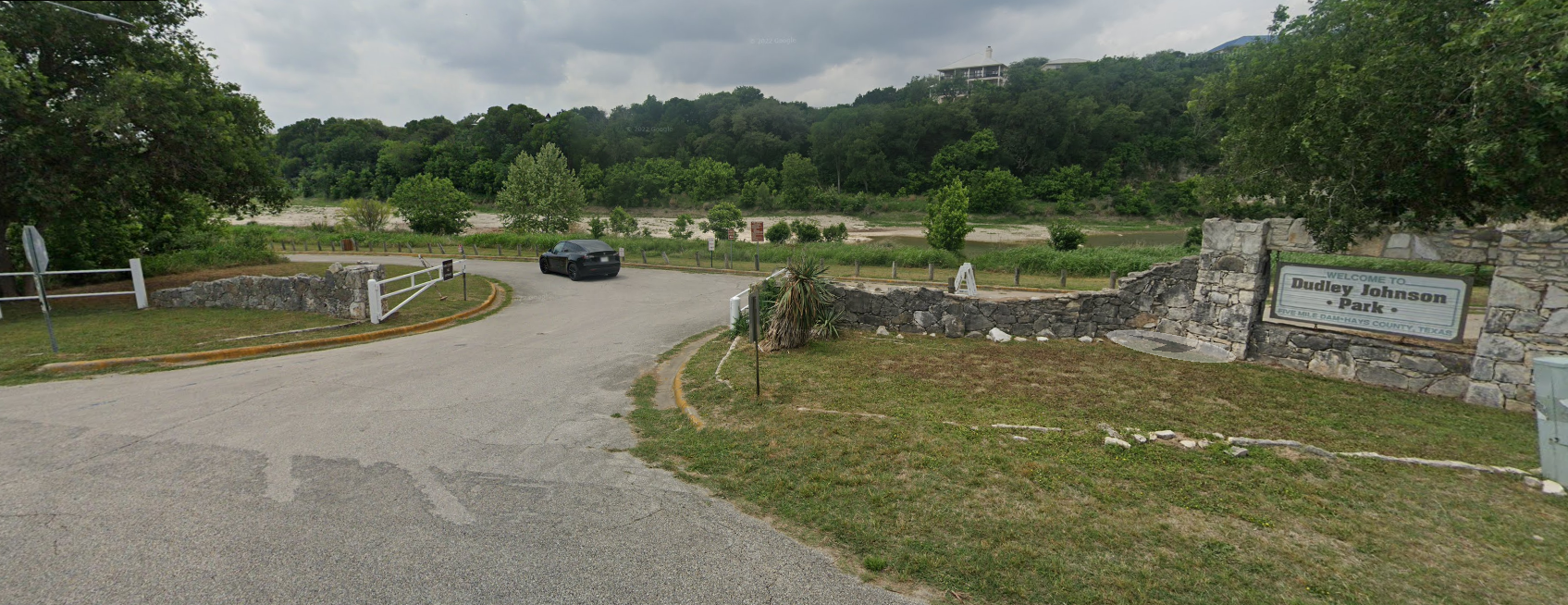
and Randall Wade Vetter:
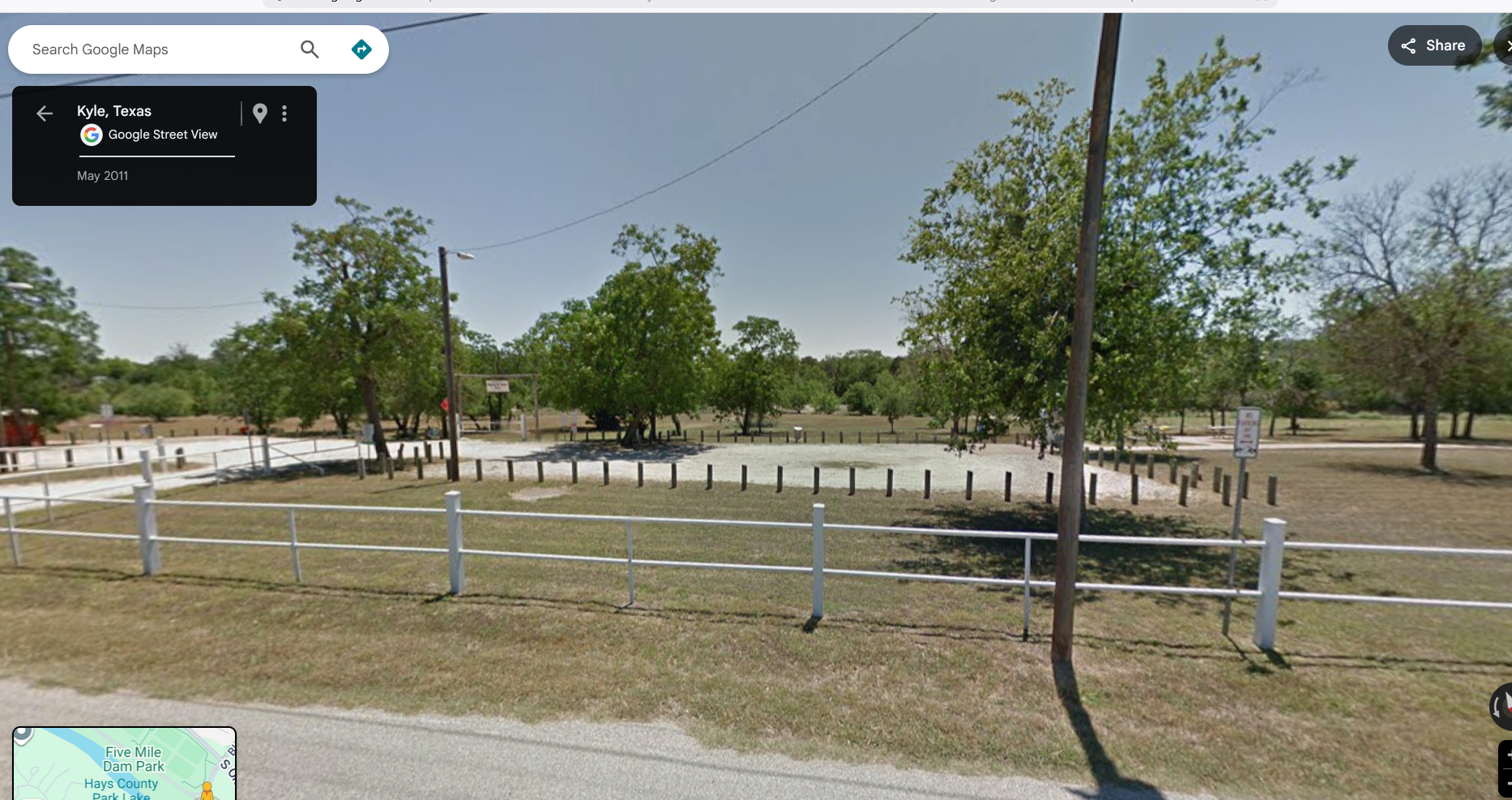
Dudley Johnson, Randall Wade Vetter: meet my readers. Go say hi. You’ll get along beautifully.
Anyway, Dudley Johnson Park and Randall Wade Vetter Park now belong to the city, and so at Tuesday’s meeting, we formally annexed them into city limits.
Note: According to the deed, the land will stay parkland forever. Go enjoy it.
…
Item 11: Amending the Land Development Code
We update the Land Development Code every few years. This means we’ve accumulated 300+ things to address – some big, some small.
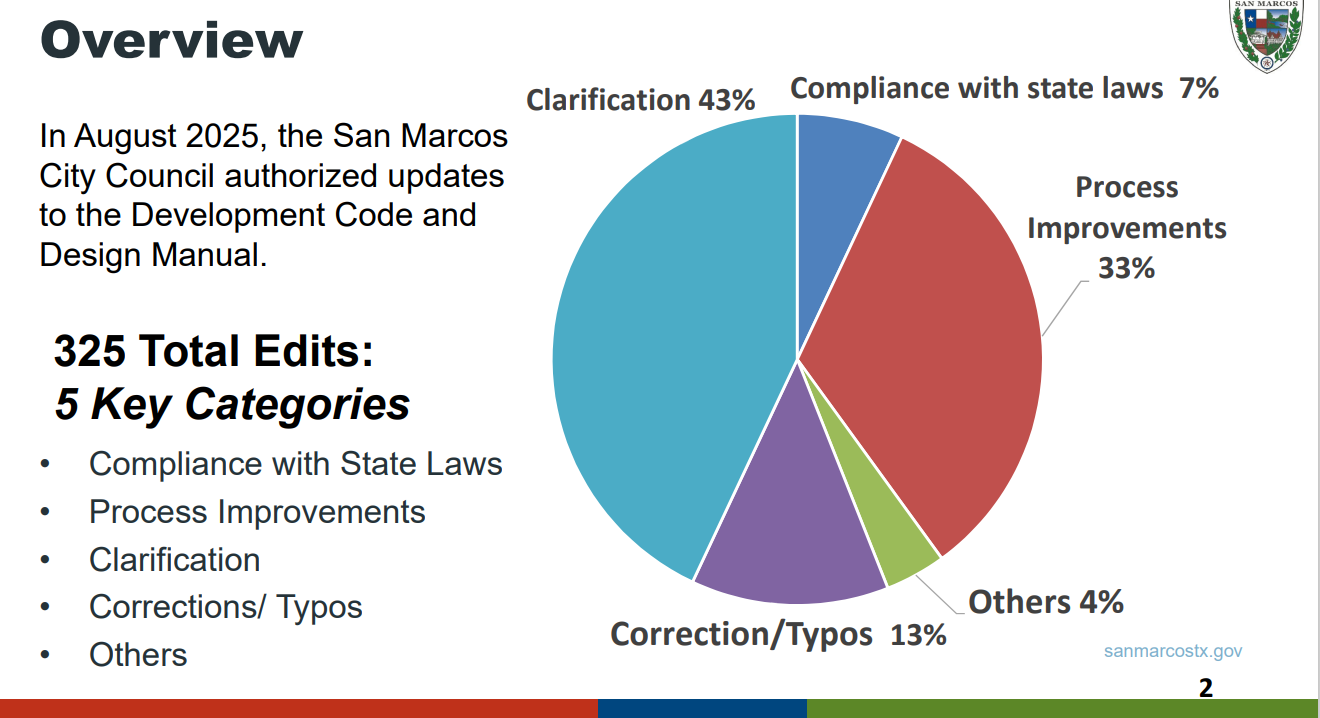
We saw this briefly back in March, when Council was overwhelmed by the sheer volume of 300+ changes. They postponed it till this week, to give the public and themselves time to wade through it.
The biggest issue is data centers. They’re so new that they’re not yet in the development code, so we need to build those policies from scratch. But there are also a lot of more minor topic.
Note: this is only the first half of the first reading. They paused because it was getting so late. There will be at least two more meetings where they can hash out the details.
Data Centers
Let’s start here. What do we want our data center policy to be?
Five people spoke during Citizen Comment and 19 more during the public hearing. Everyone hates data centers!
Nationwide, there is a swelling backlash against data centers. Everyone hates them, everywhere!
Issue #1: Zones and Permits. Should data centers be allowed in just Heavy Industrial? Should they be allowed in other zones? Should they require a special permit?
Jane and Amanda each propose an amendment, so we have dueling amendments.
- Jane’s proposal: all data centers should need a special Council-approved permit, regardless of zone.
- Amanda’s proposal: no data centers anywhere, at all, in any zone.
The conversation kind of overlaps on these, but they each get their own vote.
The votes:
- Jane’s amendment: Should every data center require a special Council-approved permit?
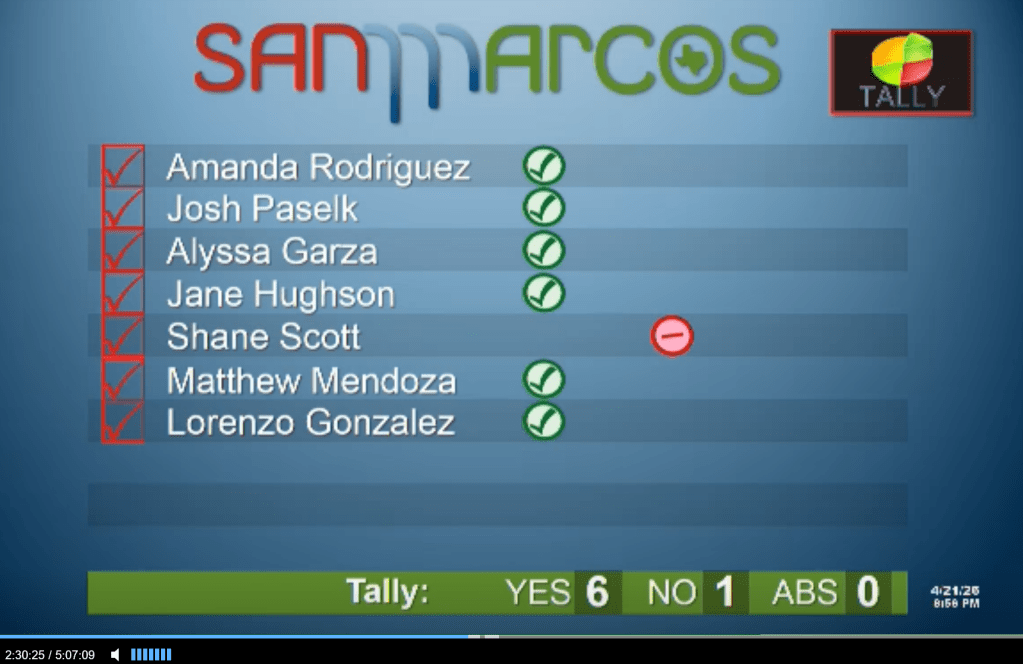
Data centers will all be required to get a specific Conditional Use Permit from Council.
2. Amanda’s amendment: Should data centers be banned altogether in city limits?
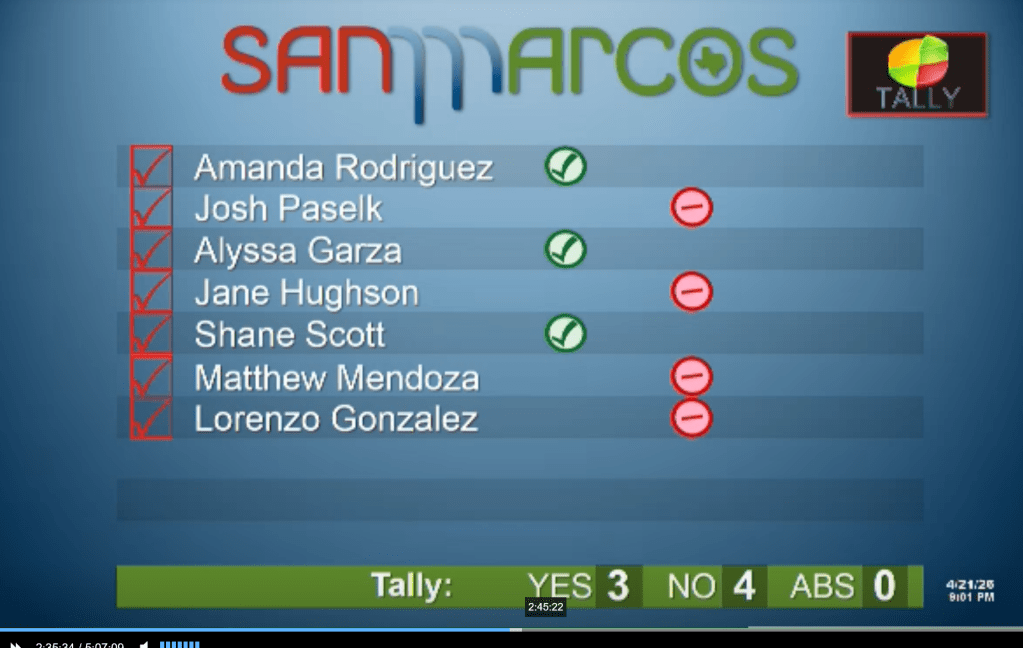
So Data Centers will not be banned altogether.
My $0.02: This is the right outcome. I’m a techno-optimist. There is a version of data centers, somewhere over the rainbow, where they run on reclaimed water and renewable energy.
I don’t want to ban data centers – I want them to be well-regulated. So I’m glad Amanda’s amendment did not pass.
(Also Shane’s votes don’t really make sense. He wants data centers banned or unregulated, but nothing in between?)
…
Issue #2: What counts as a Data Center?
Here’s what Staff proposes as a definition:
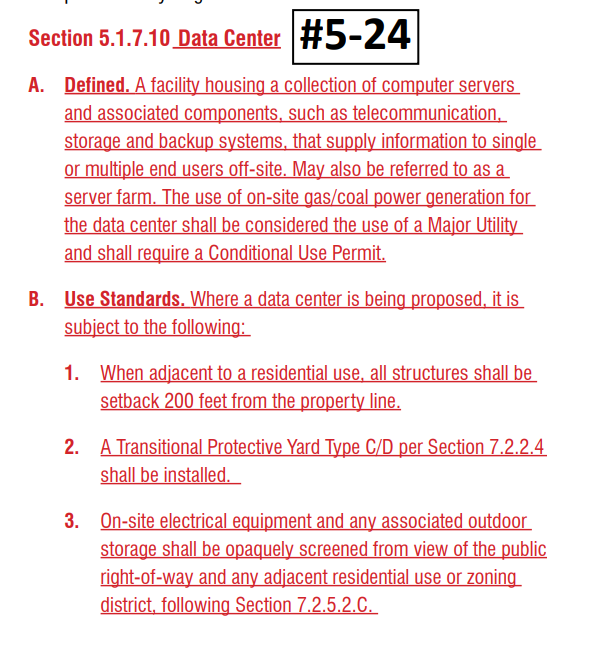
Amanda proposes: Add “Cryptocurrency mining and facilities”.
This vote passes. The definition has now been modified to include that use.
Josh: Data centers have been around forever on a small scale. Do old school data centers fall under this definition? Or just these giant new AI data centers?
Jane: What if a big business has a room full of servers, but it’s not their primary function as a business? Do they count as a data center?
Everyone agrees that this is incomplete. You want to regulate a building of computers if it’s hoovering up lots of electricity and water and spewing pollution. You don’t want to micromanage a small architecture firm who has their own servers for running CAD. We need some notions of scale and purpose.
Everyone’s going to look into this and bring back suggestions for the next meeting.
…
Issue #3: Potable water for data centers:
Amanda proposes: No data center may use a potable water source for cooling purposes.
In other words, data centers must either use reclaimed water, or find an alternative cooling technology. But no wasting massive amounts of drinking water.
My $0.02: this is great!! This is what I mean when I say I am a techo-optimist! Renewable energy is cheap and available, if Texas wants it. If data centers decide to invest in non-potable water cooling, then we can solve two of the major environmental problems.
We can imagine a world where we don’t sacrifice the environment to data centers, and in turn, big tech executives accept regulations.
This passes 7-0.
This is probably my favorite amendment of the night.
…
Smaller Data Center Proposals:
- Amanda: Increase setbacks to 1000 ft near residential zones, hospitals, hotels, agricultural, schools, and daycares.
- Amanda: Extra permit required for on-site generators
- Jane: On-site generators must meet Tier 4 emissions standards
- Amanda: Noise limit of 60 dB at property line
All of those pass.
Matthew floats the idea of requiring a supermajority to approve a data center, but says he’ll bring something back at the next meeting.
Matthew has generally been very quietly pro-data centers for the past two years, so I don’t think he’s serious here.
…
Non-Data Center LDC Amendments:
Waiting Periods:
Suppose a developer wants to build some apartments, but they get turned down when they apply to re-zoning the land. How long do they have to wait until they can re-apply and try again? The answer is “it’s complicated”.
Here is the technical answer: it depends on how the motion was phrased. This is the hair that is getting split:
- Situation 1: The motion is, “A vote to approve a new zoning,” and the vote fails.
- Situation 2: The motion is, “A vote to deny the new zoning,” and the vote passes.
Situation 1 does NOT trigger a waiting period, and Situation 2 DOES trigger a waiting period of one year. It’s very subtle!
Council uses this power carefully. If Council likes a project, but the public hates it, they’re going to use Situation 1. The public feels like they got a win, and Council buys themselves some time to thread the needle. The developer jumps right back into the game.
If Council does not like the project at all, they’re going to use Situation 2, and put some nails in the coffin.
This is exactly what happened with the data center
In March 2025, P&Z denied the Mayberry Data Center. Maberry appealed the decision to Council. In August, Council voted on the appeal.
Appeals require a supermajority, so Maberry needed 6 votes. But the vote to overturn went 5-2.
The key detail: the vote was phrased as Situation 1, not Situation 2. They failed to approve the rezoning. But they did NOT deny it.
This was very intentional! Here’s what I said about it, last August:
There is no waiting period. They can waltz in tomorrow.
So there you have it.
…
Bottom line: This application is dead. But Council left a trail of bread crumbs for the applicant to re-apply to P&Z and get a better outcome.
That was Council using the loophole. Unsurprisingly, it made the public confused and angry.
And rightfully so! What do you mean, “not approve” is different from “deny”? Get outta here. Why are you playing word games with everyone?
A lot of community members thought the waiting period was being violated, and were angry that they were being jerked around.
Which brings us to tonight
Again, both Amanda and Jane have proposed amendments to fix this confusion:
- Jane’s amendment: Keep the loophole, but make it EXTRA clear.
- Amanda’s amendment: Eliminate the loophole. Situations 1 and 2 would both lead to a one year waiting period.
Jane’s argument: Council likes the loophole! Sometimes we want to give the developer another attempt, without making them wait a year. (She did not say, “For example, with Maberry last August with the data center!” but listen: yes, they did that intentionally.)
At any rate, they only vote on Jane’s proposal:
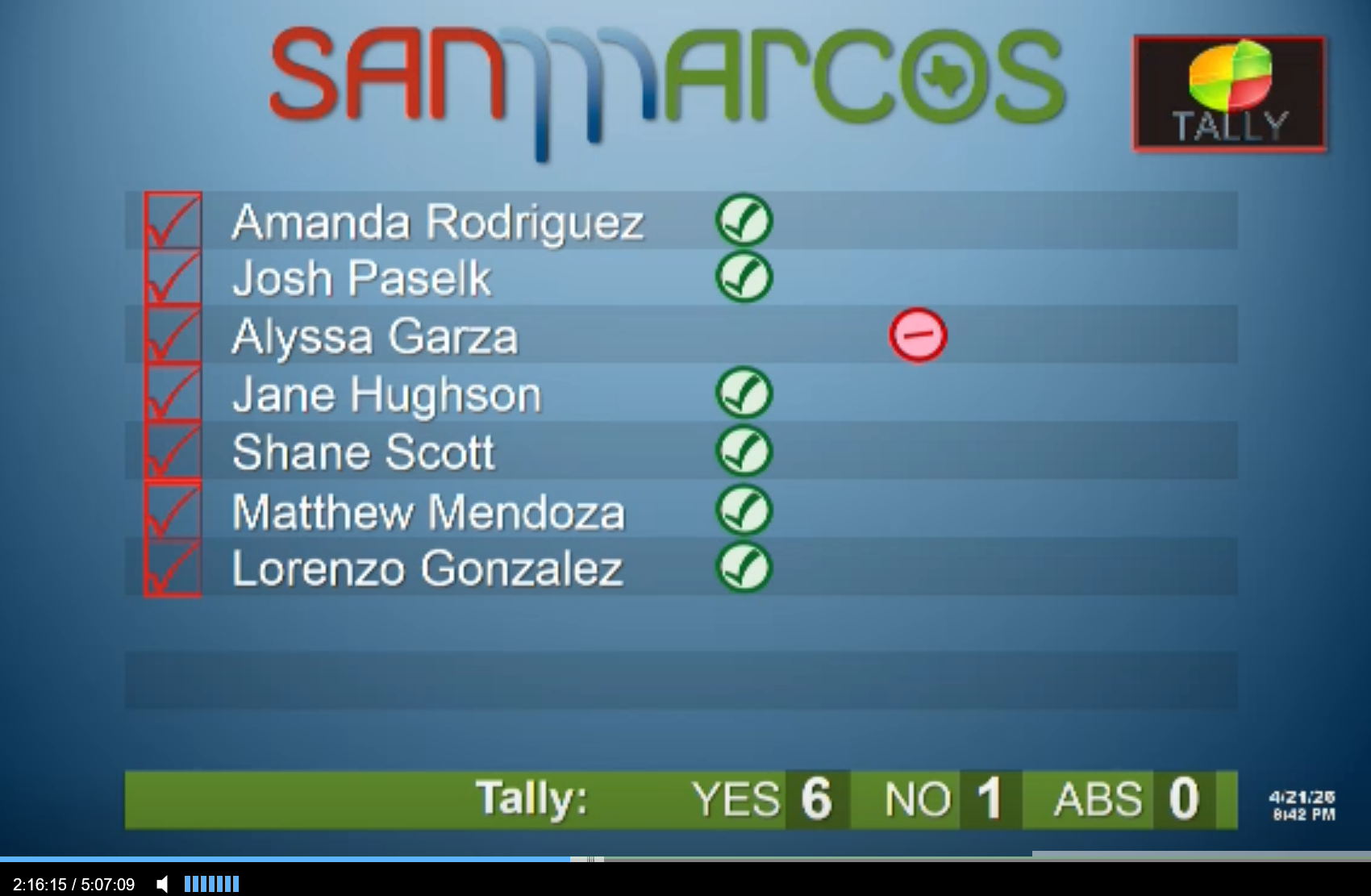
So there you have it. Loopholes 4-evah.
…
Bars Serving Food
There has always been tension in San Marcos between the Serious Grown Ups and the College Party Kids. (We all agree to ignore how the Serious Grown Ups often used to be College Party Kids.)
Decades ago, the Serious Grown Ups got mad about the number of bars on the square. So they capped the number of alcohol permits.
Then the Serious Grown Ups got mad because they wanted to have a beer at a restaurant downtown. So they added in Restaurant alcohol permits.
What are these caps? As of 2026, you can only have 14 bars and 25 restaurants downtown that serve alcohol. (There are an unlimited number of permits available for the rest of the city. It’s only capped downtown. It’s almost as if we want you to drive after a few drinks.)
What do you do if you want to open the 15th bar downtown? All the bar permits are taken. So you try to get a restaurant alcohol permit, and sell as little food as possible. This is part of why the Rooftop got shut down.
The city then plays cat-and-mouse games trying to figure out if you’re a real restaurant, or just a fake-out-secret-bar-restaurant. At one point, the city would track sales, and they wanted a certain percent of sales to come from food. Then they switched to saying “you must serve food for two meals, each of which lasts four hours”. But what if the restaurant is only open from 12-5 on Sundays? Etc.
Jane proposes an amendment: If you’re a restaurant, you must always serve meals, any time the business is open.
Amanda: What if the kitchen closes at midnight?
Jane: This will be EASIER for restaurants! I’m helping.
Alyssa: Yes, but most of these downtown restaurants close their kitchen down early.
Lorenzo: It’s a loophole. If you want a restaurant permit, then be a restaurant and sell food. If we think this is a dumb loophole, we should offer more bar alcohol permits. But until we fix the loophole, we should make them follow the rules. If you have a restaurant permit, you have to sell food.
The vote:
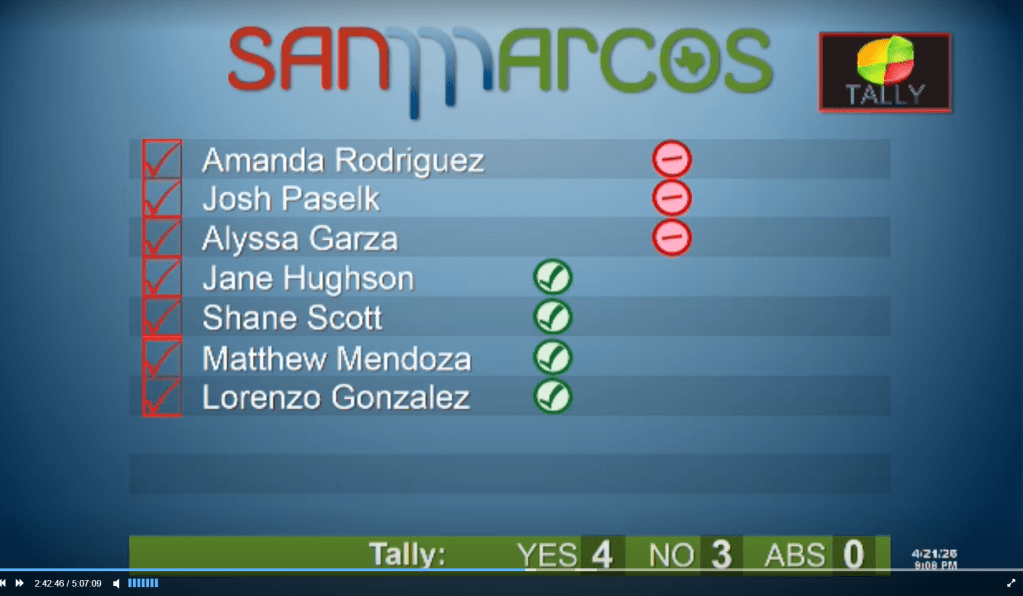
Interesting!
I probably would have voted “no”. Who cares if a restaurant shuts their kitchen down early and just becomes a bar after 11 pm?
….
In the end, they postpone the rest of the LDC amendments, because it’s getting late. They have not discussed:
- Valid Petition procedures
- Qualified Watershed Protection Plans
- Parkland dedication
- Housing density and landscaping
- Lorenzo and Amanda both have a bunch more amendments
- Increasing PSA waiting period from 6 to 12 months
I thought this was funny. They voted on the postponement of this item:
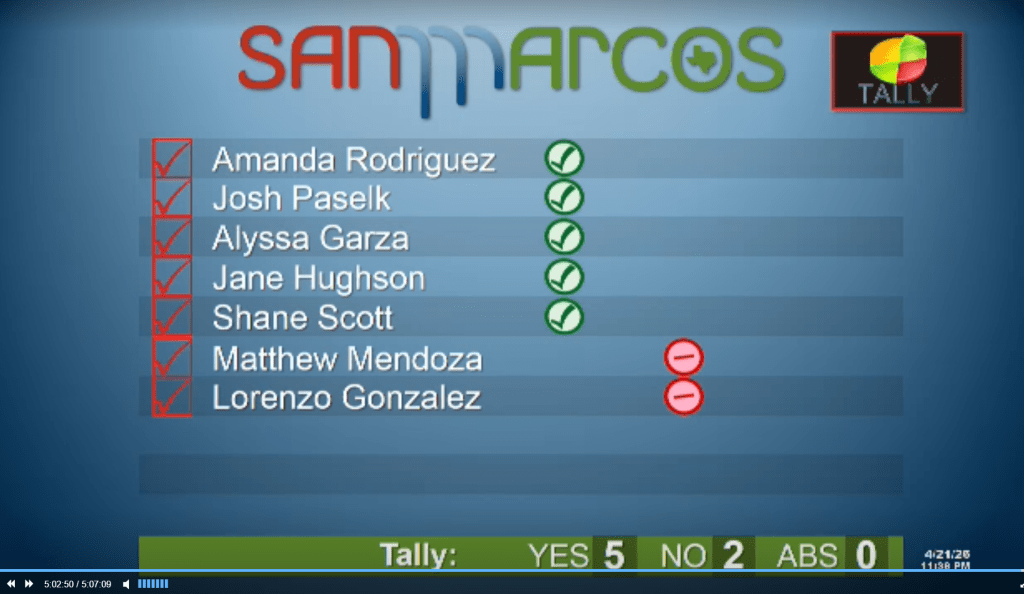
and very quietly, Jane mutters, “What is wrong with y’all?”
…
Item 6 – reallocating the last bits of ARPA funds
All remaining Covid money has to be spent by December 2026. We’ve got a little bit freed up, to give to other projects. (Discussed here.)
The plan tonight: give $100K to Operation Triage and $100K to Mission Able, both for home repair.
However! This plan is getting derailed because of a home repair nightmare, which has been unfolding behind the scenes at Mission Able. It’s horrifying!
Here’s the scoop: the home owner lives in Dunbar, in a home that has been in her family since 1900. She keeps it immaculate and organized, but it needed foundation repair.
Mission Able supplied a contractor, who pulled in some foundation workers with no equipment. They start jockeying around with the house. The floor buckles and splits – literally, while she’s sitting in her living room. They wedge it up on cinder blocks and bricks. Some pipes burst and some walls split. They take off.
The home owner chased down their insurance, only to find out that they’re uninsured. (She even asked the contractor if they were insured, ahead of time, because the vibes were off.)
It is true that houses will shift and you will get cracks, when you re-level a foundation. But this is not that. This is honest-to-god 6″ gaps where snakes and critters can wander in. Her own granddaughter is too scared to spend the night, because of the gaps in the walls.
It’s been like this since last summer, and sounds like a nightmare. I believe there is now a second contractor working there, trying to remedy the situation?
…
Council tries to figure out what went wrong. Should the city be requiring more outcomes and metrics from the grant recipients? Is the standard city oversight broken in? Is the operational structure of Mission Able broken?
Everyone sort of protests. The city oversight mechanisms were not triggered, because the first contractor didn’t pull any permits. The second contractor has pulled permits, but the actual oversight occurs when the inspection happens, and they’re not there yet.
Mission Able protests – we want to learn from this disaster and become better at what we do! We’ve done 149 projects last year, and this is the only bad one.
The plan: the city is going to meet separately with Mission Able and with the homeowner, and do a courtesy inspection to get a full sense of what needs to be done, and report back. No decision on the $100K for Mission Able tonight.
(In the meantime, we did fund the other $100K to Operation Triage.)
…
Items 12-17: Some very big dollar amounts:
“CIP” stands for Capital Improvement Projects, which are the giant multi-year projects like redoing all the drainage in a neighborhood. You pay for these with grants and bonds.
If you want to see some big numbers, check these out:
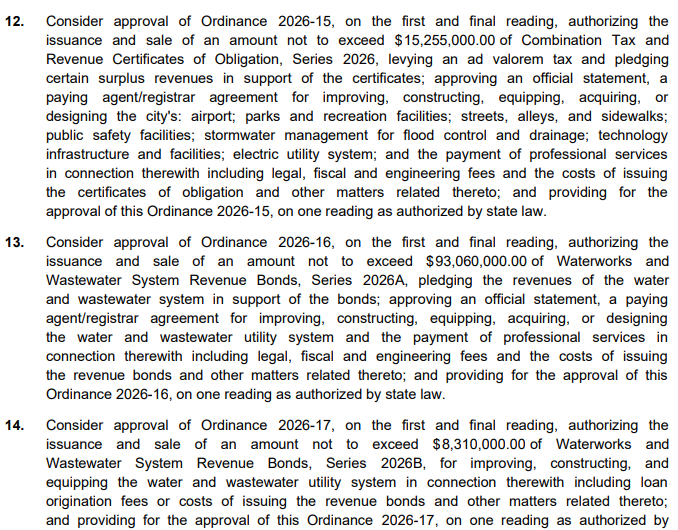
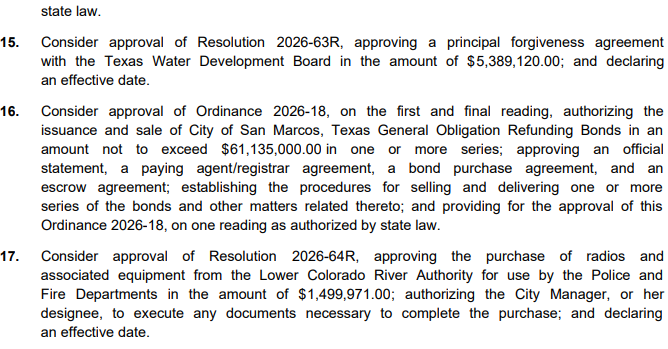
yessir, those are some enormous sums of money!
I didn’t listen terribly closely to the details, but everything sounded kosher.

