Bonus! 3 pm workshops, 1/20/26

Public comment at the 3 pm workshops:

There are three speakers:

  • President of the local EMS union. We’ll hear from him throughout the workshop.
  • Speaker in support of the current board chair of the San Marcos Housing Authority
  • Max Baker, on the SMPD staffing study. (This item was actually postponed.)

….

Workshop: San Marcos EMS

Backstory: This is a mess! It first came up on the blog, back in September.

Here’s my best attempt to reconstruct the timeline:

1983: San Marcos-Hays County EMS is formed as an independent non-profit. All the nearby towns and Hays County all contribute to funding it.

2009: We hire Fire Chief Les Stephens. When he’s hired, he’s told that the SMHC EMS is a total mess, and we want to be prepared in case we need to bail on them. So he starts making sure that all his fire fighters are trained as paramedics.

2010: Buda bails on SMHC EMS, and splits off to run their own program.

SMHC EMS gets its act together and becomes a high-quality organization. So we end up not needing to split off. But we still require that fire fighters be paramedics, because it’s best practices. A lot of times, they’re the first ones on the scene.

All that backstory was provided by the city.

This next piece was NOT provided by the city:

2022: SMHC EMS starts forming a union:
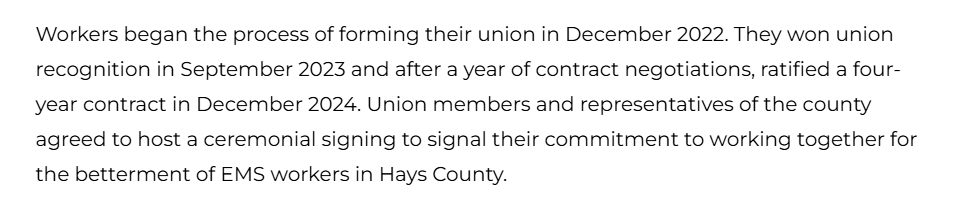
Immediately everyone starts splitting off and forming their own EMS services.

If it looks like union-busting and quacks like union busting… it’s union-busting, yeah?

This is the big theme of the night: the EMS workers are getting screwed, no matter how you slice it.

2025: San Marcos asks Kyle and Hays to give us 12-18 months to put together an EMS plan.

2026: The clock is ticking. The first ambulances will be removed in April, and they’ll all be gone by October.

Which brings us to today

All the partners left, and now it’s just San Marcos. We have to figure out how we want to provide EMS services to San Marcos residents.

So we commissioned a 6 month EMS study. This workshop is about that study.

These are the three choices:

  1. Renew the contract with SMHC EMS and just carry on.
  2. Roll EMS into our fire department. This is called Fire-based EMS.
  3. Make a new standalone City EMS department.

No matter what, San Marcos needs to be able to provide some basic things:
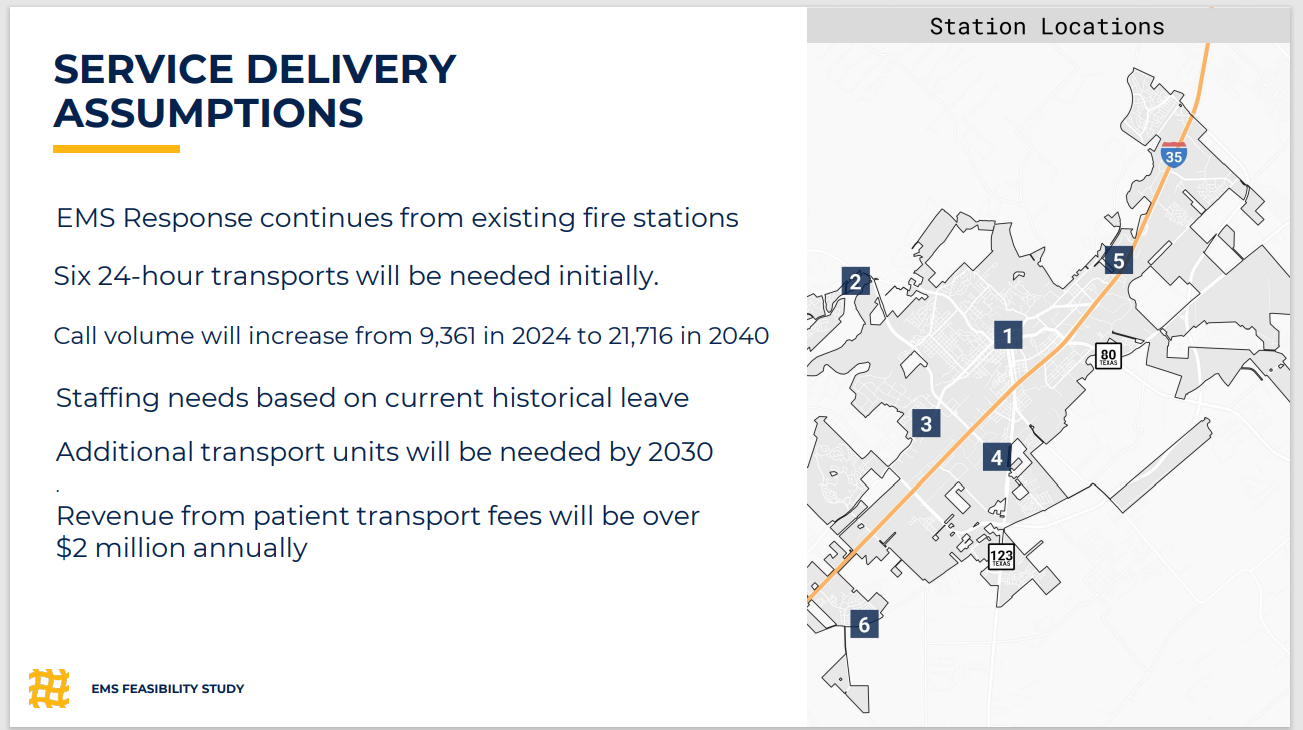
Here’s how much personnel is required under each model:
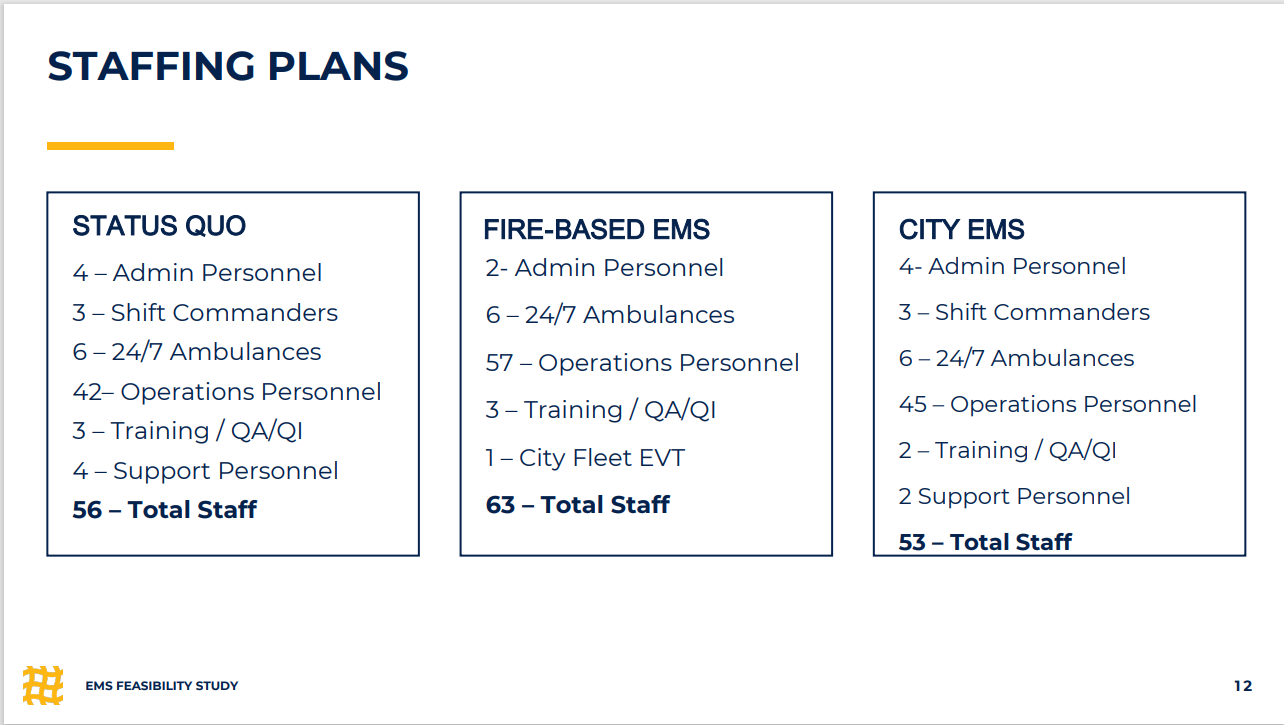
Here are the costs:
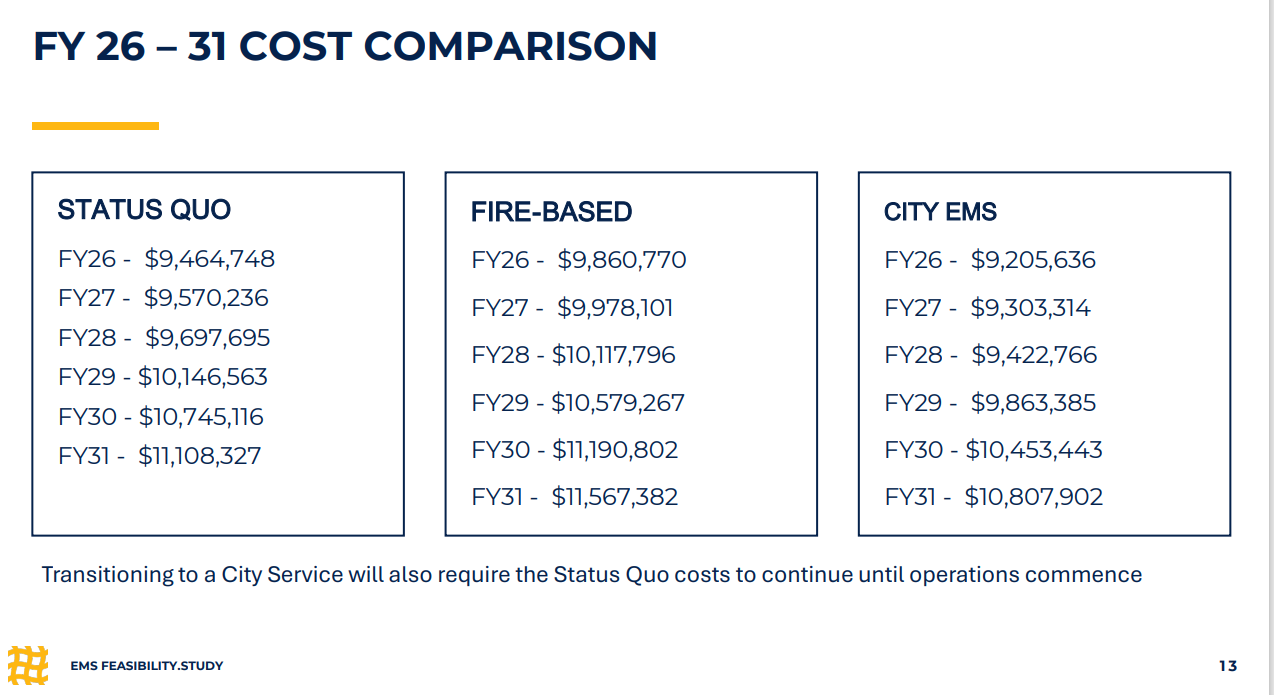
The reason City EMS is cheaper is partly because it requires less staff, but also because EMS workers would get paid less.

  • Status quo? SMHC EMS is unionized. They can demand higher wages
  • Fire-based EMS? Our fire department gets partial union perks, like collective bargaining. This is the whole “meet-and-confer” thing. So they can also arrange higher wages.
  • City EMS: they’ll get paid along with all the other city employees.

San Marcos prides itself on paying its employees pretty well, but it’s just not the same as having a union. (And in Texas, it is basically illegal for public employees besides Fire and PD to unionize.)

Some extra details:

Here’s the summary table:
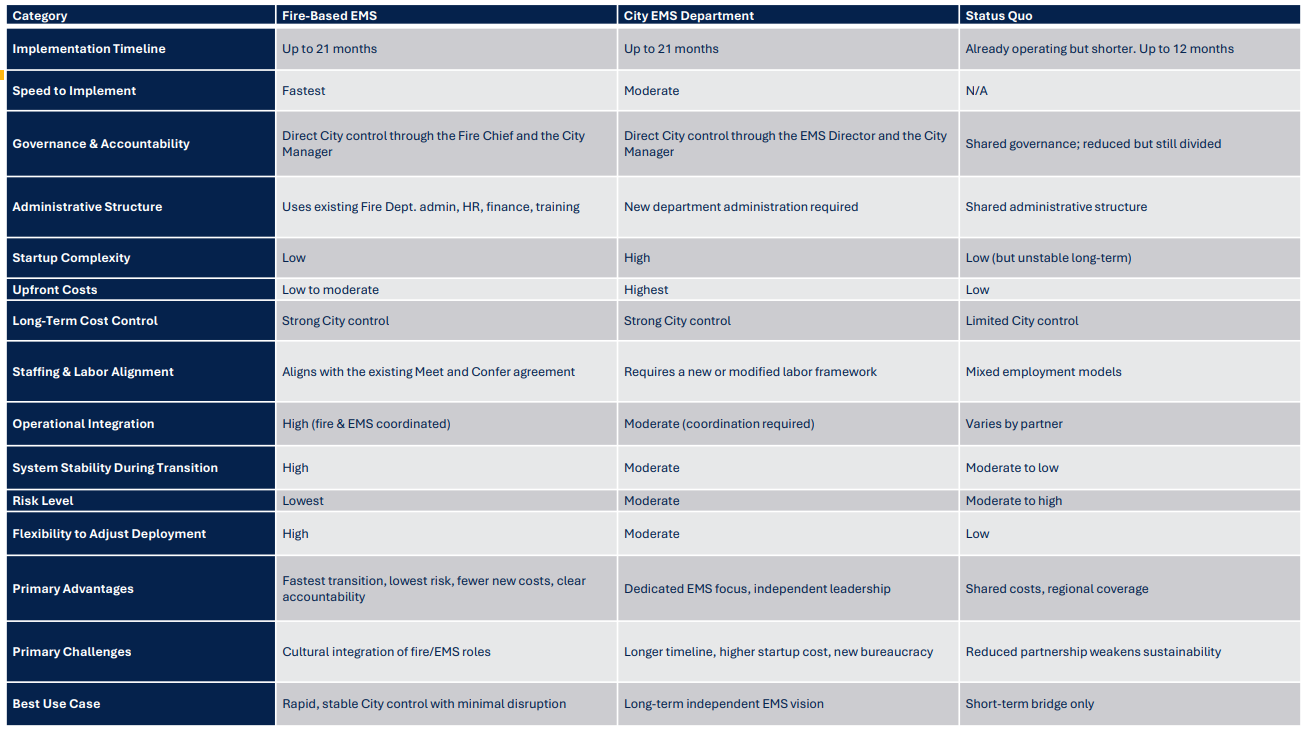
Sorry, I know it’s small. It’s slide 15 of this presentation, or page 153 on this PDF, if you want to scroll.

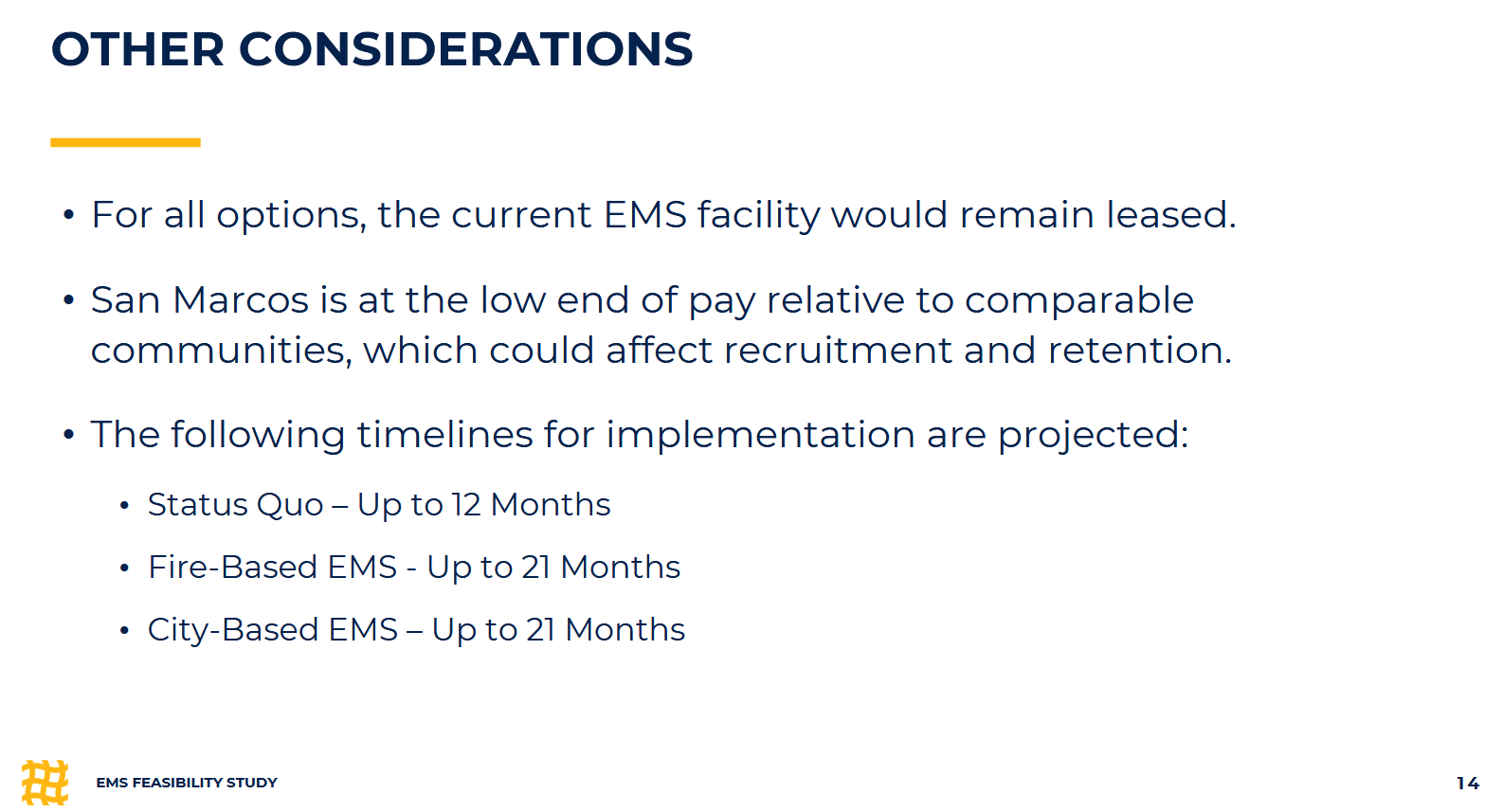
The consultants are recommending that we go with City EMS.
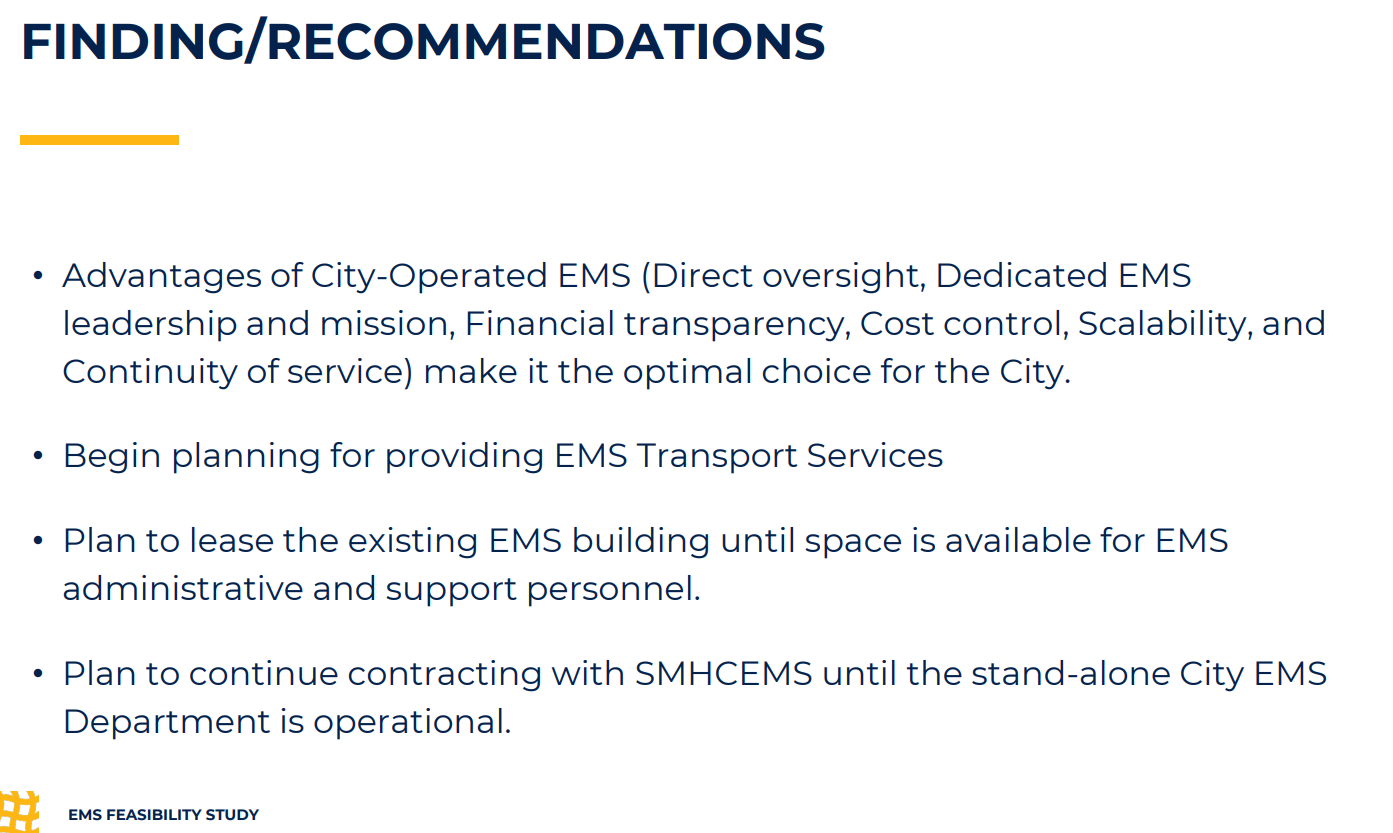
And, of course, this is all very urgent. As the contracts dissolve, everyone will start taking their supplies.

The first ambulances will start to leave in April, and the last of the ambulances will be gone by October.

….

What does everyone say?

Zach Phillips is the president of the SMHC EMS union. He says:

  • There are inconsistencies in the EMS study. We’d like you to postpone.
  • If postponing isn’t an option, our goal is workforce continuity.
  • Our priority is providing high quality care. We can best do that by keeping the experience and expertise of our employees together. We know San Marcos really well.

What does Council say?

Amanda: I’m worried about the destabilization of the workforce. What transition process would be recommended?
Answer: The EMS workers would go through the normal city application process, but we’d work closely with them to align expectations and make it as smooth as possible.

Josh: My big concern is the transition.
– You can’t do good work without good people, but our salaries are lower.
– Taking on a whole company in-house is expensive
– We have to be fiscally responsible, but if we’re going to do this, we need it to be rock-solid.
– How would insurance and liability work?
Answer to that last bit: We get insurance through Texas Municipal League.

Shane: When Chief Stevens was hired back in 2009, the plan was to convert to Fire-based EMS. Chief, how do you feel about all of this?

Chief Stevens: Fire fighters do not want to be EMS, and EMS workers don’t want to run into burning buildings. When you talk to the people that work in these departments, they generally do not want to be merged.

Note: This is the biggest argument against fire-based EMS. Several different speakers say the same thing: Medical EMS people like doing the medical stuff, and fire fighters like doing the fire-fighting stuff. They do not want to merge.

Shane: Well, did we waste a bunch of money then preparing SMFD to be ready to convert to EMS?
Chief: No. It’s best practices to get fire-fighters trained as paramedics. We’re usually first on the scene, so we can start medical care while EMS gets here. We’re going to keep requiring paramedic certification.

Jane: How would the finances work out?
Answer: We’ve been paying $2.5 million to SMHC EMS. You all allocated an extra $2 million last September.

Jane: But that still leaves about $9 million?
Answer: Well, you bring in some money from patient care.

Mini-rant: the average cost of an ambulance ride is $2673. If we had socialized medicine, like the rest of the sane world, the bill to the consumer would be $0. But we pay twice as much for healthcare in the US and get significantly worse services. Ah, capitalism.

Alyssa: There are allegations of union-busting. I need more time before I decide.

Lorenzo: City EMS is cheaper because the workers get a worse deal. If we do Fire-based EMS, they’d get 4% raises every year, along with FD and SMPD. I’m against City EMS.

Amanda: What’s the time frame here?
Answer: We’re a little freaked out! Last July, we asked them to give us 12-18 months. But they’re going to start removing ambulances in April. The dissolution will be complete in October.

Amanda: I’m fine with the recommendation in the report.

Josh: Can I call the union president back up? Sir, what is the union’s position on transitioning to non-union jobs?

Union President Zach: One of our concerns is that all employees are able to transition, assuming they want to.
– Like Chief Stephens said, not all EMS want to be fire fighters. I personally prefer EMS and medical things, and not fire.
– We want to make sure all individuals can come over with their existing seniority.
– We’re worried about the timeline. If it drags out, you’ll lose people with a lot of local expertise because they’ll look for other jobs.

Josh: If you had a way to do it, what’s your preference on the transition? Assuming it’s options 2 or 3?
Zach: Right now, we have collective bargaining.
– The state does not allow public employees to collective bargain.
– But city councils can vote to allow meet-and-confer for City EMS.
– We just want to be able to negotiate.
– There’s no way we could go on strike, and we would not ever try to go on strike.

City Assistant Manager Anderson: I’ve been trying to figure this out. My read on state rules is that City EMS can have an employee association, but they aren’t allowed collective bargaining.

City Lawyer: I need to read up on some of these legal details. I don’t think collective bargaining is allowed. Some of the bigger cities have a similar thing to meet-and-confer between other employees. I just need to look stuff up.

City Manager Reyes: Each option carries budget consequences, so just be mindful.

Shane: I’m torn. I need more time, too.

Matthew: how do you transfer seniority?
Answer: We’d have to work it out. We’ve worked it out in other contexts, though.

Matthew: I’m for City EMS then. I want to explore these meet-and-confer options though.

Bottom line:

City EMS plus labor protections: Matthew, Josh, Amanda, Jane

Need more time: Alyssa, Lorenzo, Shane

So we’re going with City EMS, but city staff will bring back some details:

  • the inconsistencies in the study that Zach referenced,
  • Labor protections, whether we can do a meet-and-confer option
  • Quality of care measures.

Hopefully things will get sorted!

One final note, just because it’s cute.

Fire Chief Les Stephens, last year when he was inducted into the Texas Fire Service Hall of Honor:

Les Stephens, on the San Marcos city staff webpage:

Did we…. Was he 12 years old when we hired him??

There were supposed to be two other workshops:

  • the SMPD staffing study,
  • an update on the comprehensive plan

But we ran out of time, so both were postponed.
Bonus-bonus! P&Z meeting, 1/15/26

When all is written about the data center, my guess is that the Rubicon was crossed at P&Z last week. This was the pivotal moment.

Lots has already been written about this meeting:

  • San Marcos Record: $1.5B data center moves forward to council: Planning and Zoning Commission voted for rezoning after nearly 8 hours of public discourse
  • Caldwell/Hays Examiner: SAN MARCOS PLANNING & ZONING COMMISSION IGNORES PUBLIC COMMENT, VOTES TO ALLOW CONTROVERSIAL RE-ZONING APPLICATION FOR PROPOSED HIGHLANDER SM-1 DATA CENTER

So I’m going to keep this brief.

Background: 

First off, it was a seven hour meeting.  Total, it was almost 5 hours of public comment.

Over 100 people spoke. There are good photos at both those links, above.

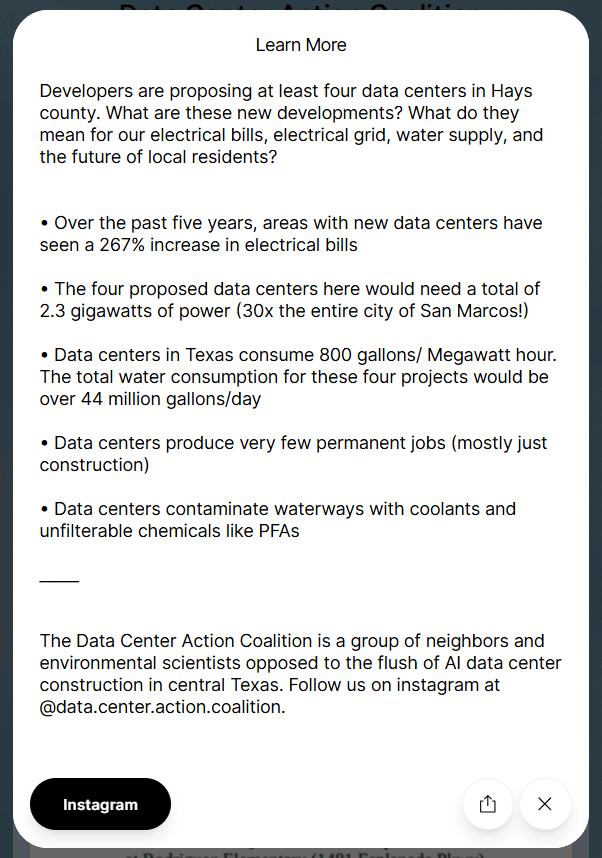
Instead of summarizing all that, I’m going to just let the group data.center.action.coalition represent all the speakers.

These claims are from that website:

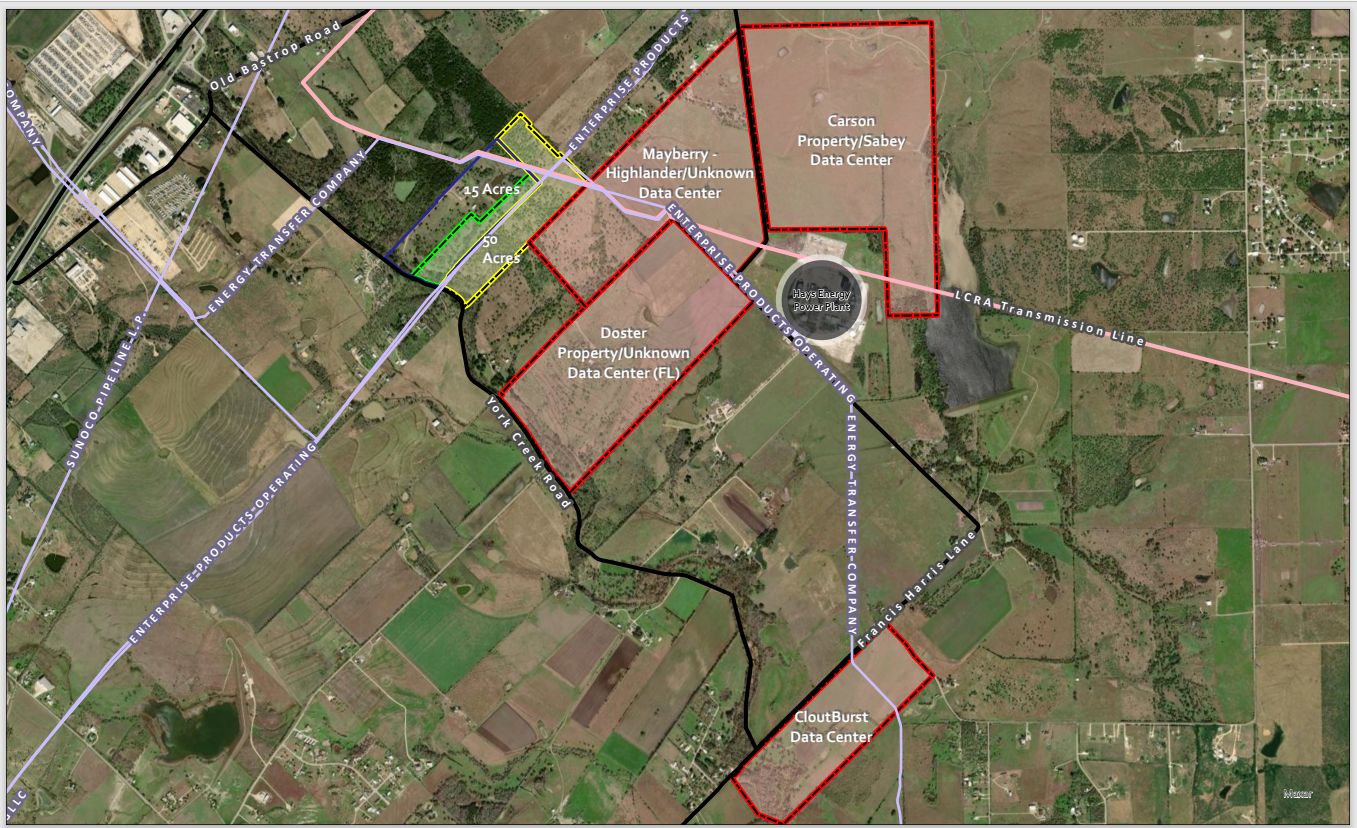
and they also have created this map of the four proposed data center locations:

Their maps are MUCH nicer than my scribbly ones.

Here’s how conversation went, at P&Z:

William Agnew: City staff keep saying that it’s a choice between housing and a data center. But I thought the housing option was dead.

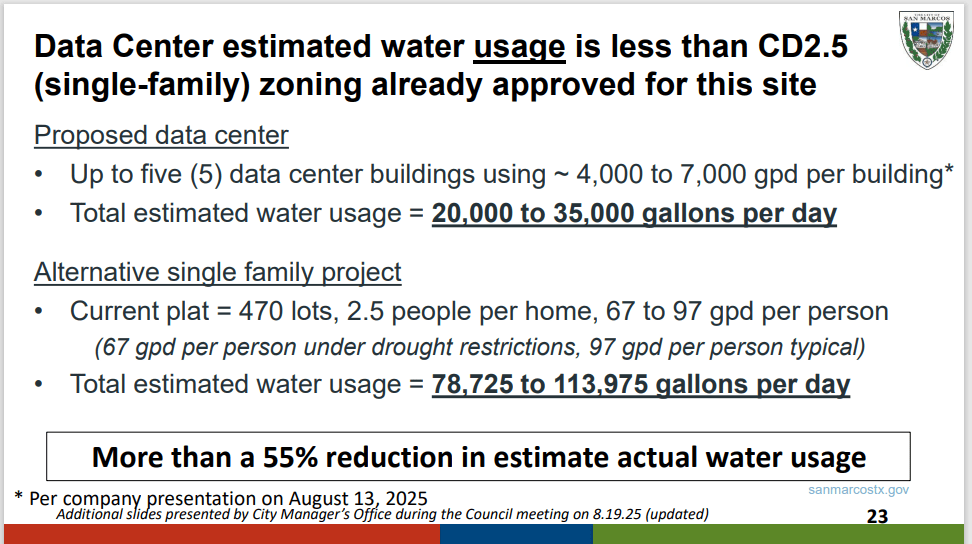
Here’s what Agnew is referring to:

City staff makes these comparisons all the time – arguing that this data center uses less water than 470 homes.

This argument only works if you believe that the houses would otherwise be built. If Mayberry has given up on the idea of housing, then this comparison is useless.

Agnew asks the developer, Mayberry: “If you get turned down for this rezoning, would you build houses instead?”
Mayberry: “Yes. We were already working with architects and engineers when we were approached by the data centers. We will go back to houses if this is voted down.” (I’m paraphrasing.)

Is he telling the truth? My guess is that P&Z believes him and the activists don’t. I truly have no idea. (But it is a terrible location for a subdivision.)

Next big topic: Is Mayberry violating city rules by bringing the rezoning back in January?

When a project gets denied at City Council, it can’t come back for one year. It’s only been about five months. Lots of speakers bring up this point.

The city lawyer is very clear: this wasn’t actually denied back in August. It just wasn’t approved. Therefore they can come back sooner.

Note: This really does happen regularly. It’s not just this data center. Council will hold off on a formal denial, to give someone a chance to come back around again.

Various points made by different commission members:

  • We should wait until after Council comes up with new rules for data centers.
    Answer: We’re obligated to move forward with applications, and any later rules would not apply to this application
  • Are there tax abatements being discussed?
    Answer: No, not locally. There could be some federal or state tax break being offered.
  • We’re a recommending body, not elected officials. We should approve this so that Council can decide.
  • It’s weird to call this “Commercial Low” when it actually won’t employ many people.
  • This is consistent with the comp plan! I love it.
  • I’m not going to vote against the will of hundreds of people. I don’t love it.
  • This is spot zoning, which is illegal! You can’t base your zoning on one single use.
  • It’s not spot zoning – if you look at all the non-data center uses, they’re totally fine.

The vote:

Yes: David Case, Rodney Van Oudekerke, Michelle Burleson, Griffen Spell, Lupe Costilla, Maraya Dunn

No: William Agnew, Amy Meeks

There are actually two separate votes – one to allow for the zoning to change, and one to actually change the zoning. Both go the same way.

This matters a LOT.

Last spring, P&Z voted this rezoning down. Therefore Council needed a supermajority – 6 votes out of 7 – to overturn a P&Z decision. They only got 5.

But now, P&Z has approved the rezoning. So this time, Council will only need a regular majority to approve it. That’s a much lower bar to clear.

So who flipped?

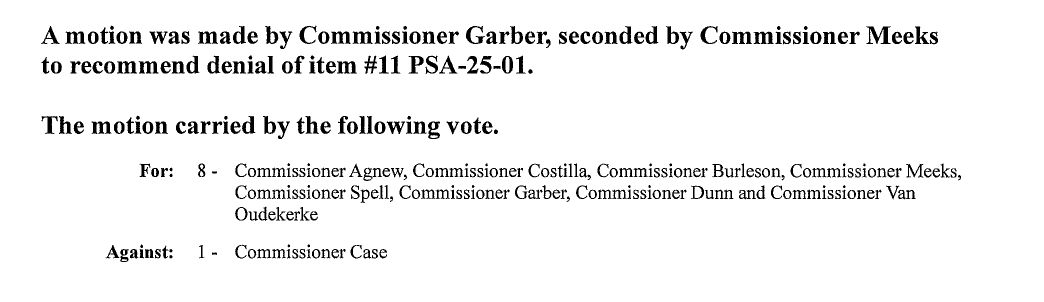
Here’s how the vote went, last March:

Five commissioners – Costilla, Burleson, Spell, Dunn, and Van Ouderkerke – all switched their vote since last March.

I don’t know what to make of that, but it’s a huge number. It suggests that conversations have been happening outside of publicly available meeting times.

Full disclosure: I am in the mushy center on this issue.

The argument against the data center:

  • There are a ton of passionate activists who are voicing their opinion about what should happen in this city. That should carry some weight.
  • The water, the electricity, and the bad vibes.
  • Maybe denial will send a message to the state legislature? Some symbolic value?

The argument in favor:

  • The property tax is significant, even if only a fraction of it comes in.
  • People who need city services aren’t going to show up and voice their opinion against the activists. But they still exist, and there are a lot of them, and they deserve to have their needs funded.
  • Denying this data center does not move the needle on the actual water and electricity problems caused by the data center industry.

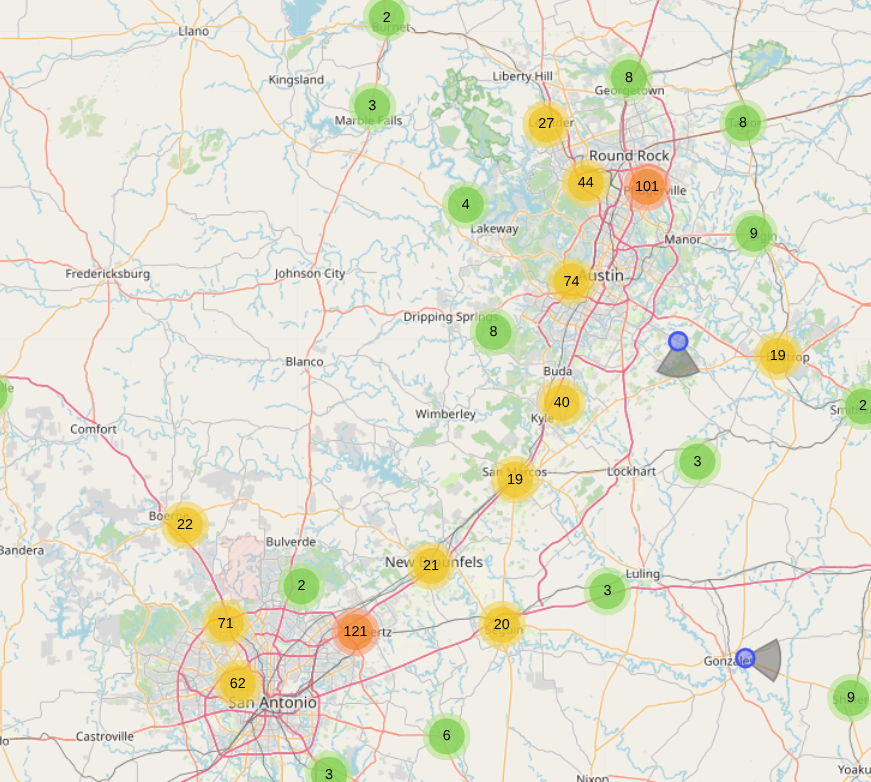
I am really hung up on this map:

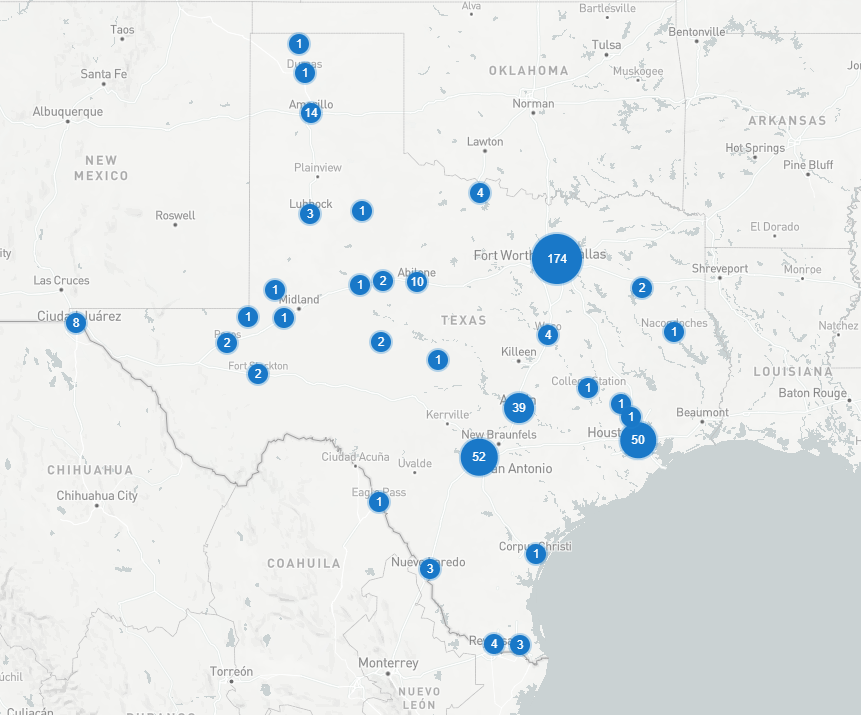
That is the current count of data centers in Texas. Over 90 data centers within 100 miles of San Marcos.

My personal favorite solution:

What I want is for Council to negotiate with Mayberry to get this data center onto reclaimed water.

That’s not actually as farfetched as it sounds – there are many data centers currently operating on reclaimed water. Furthermore, San Marcos runs a reclaimed water pipe out to this exact area, already – the Hays County Power Plant uses reclaimed water for its cooling.

So who knows. Are people willing to coalesce around a compromise?

Bonus bonus bonus! Council workshops, 1/8/26

At the beginning of January, Council had some workshops. The topics were:

  1. Paid parking at the Lion’s Club
  2. Fencing and charging an entry fee at Rio Vista

Let’s dive in!

Workshop 1: Paid Parking at the Lion’s Club:

We started charging for parking this past summer. Do we want to keep doing it?

In theory, residents are free. But only if you’ve gone online ahead of time and register your car. (Register your car here!)

  • If you don’t register, or you don’t live in San Marcos, you’re supposed to pay at the kiosk.
  • If you don’t register and you don’t pay at the kiosk, you’re going to get a ticket in the mail.

Your license plate is scanned when you come and go, any time between 6 am and 11 pm. The ticket gets automatically processed and mailed out.

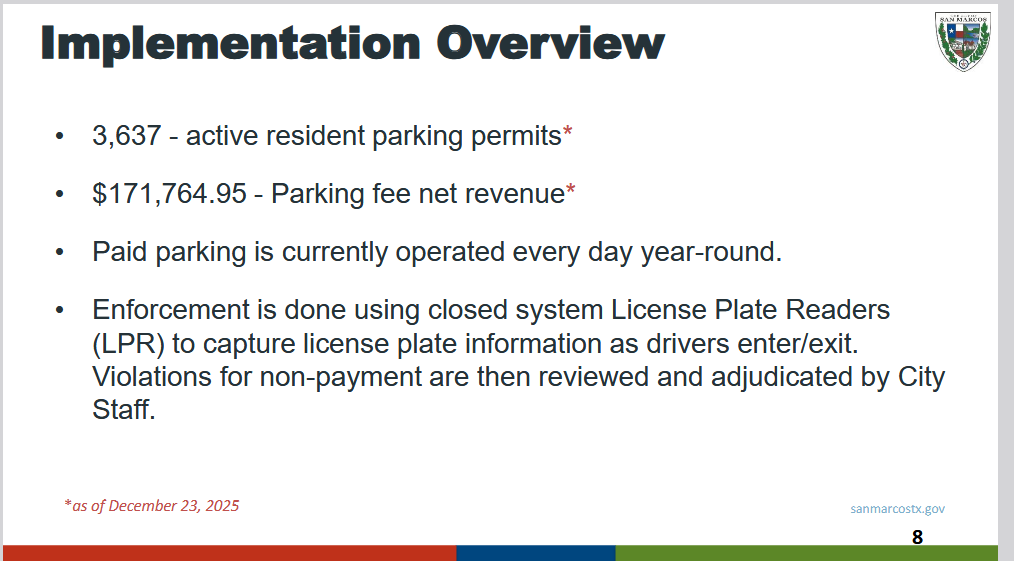
How well is it going?

Is that good or bad?

  • 3637 isn’t very many, in a town of 70,000. That’s not good.
  • It’s only been six months, though. Give it time.
  • Apparently 25% of those tickets went to San Marcos addresses. That’s bad! Locals are supposed to be free.
  • But again, patience.

If you get a ticket, you can just call the city. Staff will walk you through the registration process and then cancel the ticket. That’s good! But not everyone knows that’s something they can do.

Amanda and Alyssa are both concerned: Who is getting rejected from the system? What barriers are there to getting the permit?

Answer: We’ve had 345 applications rejected. Most were rejected because they didn’t provide a driver’s license, or the photo ID plus address.

  • Some were out-of-towners
  • Some might have gone back and completed it later

We don’t really know how many people gave up or were turned off by the process.

(Jane asks a zillion oddball, detailed questions of the form, “If a person does X and then Y happens, can the system do Z?”
The answer is always, “No, the system cannot do that.”)

Question for Council: do we want to exempt people close to San Marcos?

One of the major complaints has been from people who have come to the river for years every morning, but they live outside of town.

Council decides to exempt all of SMCISD. So all San Marcos residents and all SMCISD residents can park free at the Lion’s Club. But you do have to go register first.

Workshop 2: Fencing and charging admission at the river

Background: We’ve been destroying the river for the past half-dozen years.  It seems to be mostly out-of-towners taking day trips to San Marcos.  

The major problems are:

  1. Safety: People get super drunk, people get heat stroke, there are lots of rocks and lots of deep water, and the crowds are too packed and unsupervised.
  2. Cost: it’s super expensive to hire enough marshals and staff to keep things safe, and then we can’t even hire enough people to fill the slots.  The out-of-town visitors tend to just visit for the day, and leave without spending money in town.
  3. Environmental: wild amounts of litter, erosion of the banks, and destruction of the wild rice and other underwater things.  The little endangered fishies need their habitats.

In 2024, we tried a can ban.  But things were worse than ever!  Nobody enforced the can ban because staff was so overwhelmed by the safety issues. They spent all their time dealing with crises. 

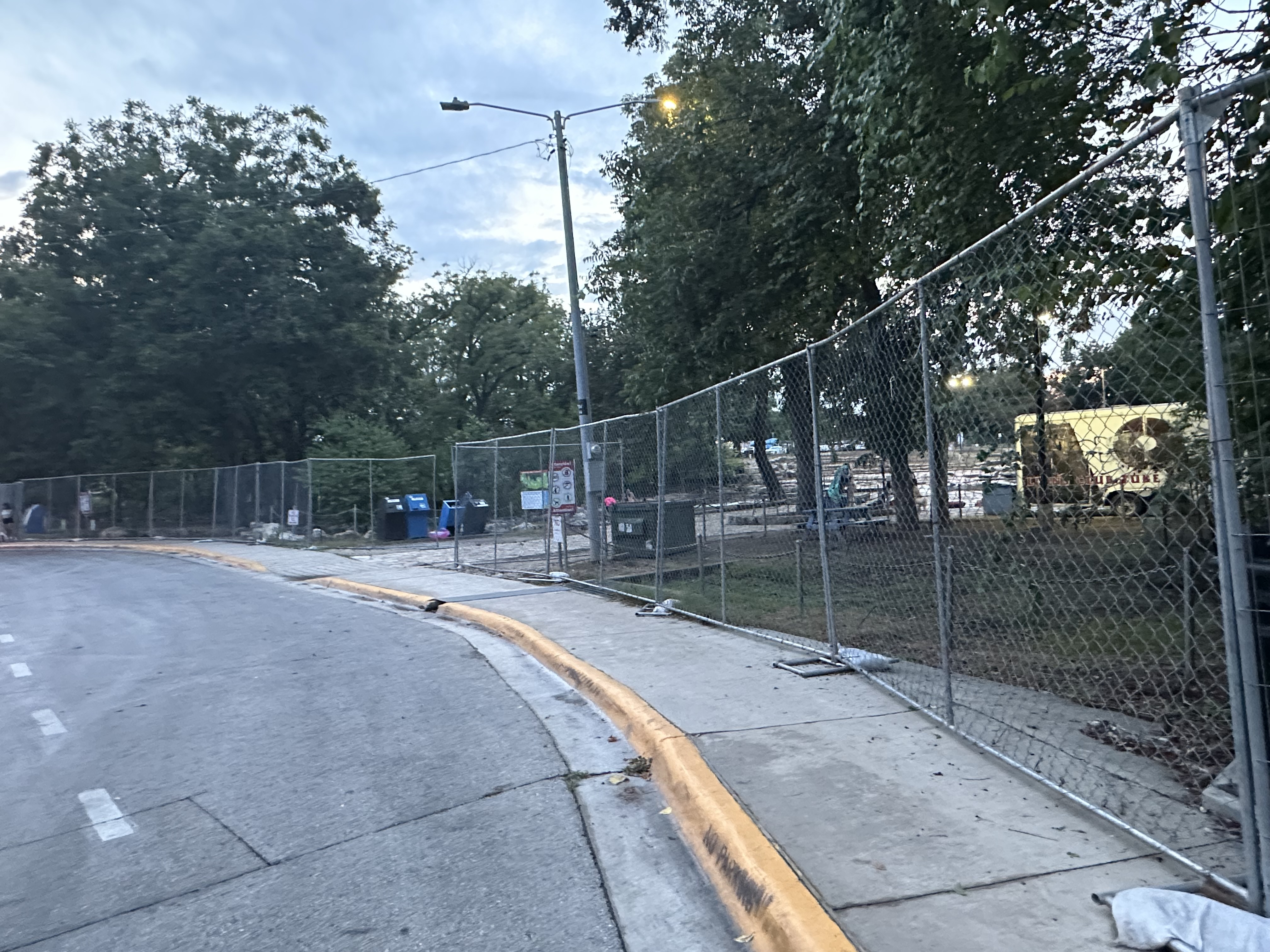
This past summer, 2025, we tried fencing off the river: 

In my mind, this was a big success!

The river was still free. On weekends and holidays, staff was stationed at the entrances.  They could stop you, tell you about the styrafoam ban, make sure you’re not bringing alcohol in, and so on.   Basically, they just educated visitors on the park rules.

This seemed to help!  The crowds were a bit smaller and less out of control. 

  • The city saved money because it took way less staff.
  • The litter was less intense.
  • The crowds were less intense. 

It was partially due to the very rainy July, but also the fences.  

(My theory is kinda depressing: I think people stopped coming because they couldn’t easily bring alcohol in.)

Which brings us to this workshop.

Two main questions to deal with.

  1. Does Council want to keep having the fences?
  2. Does Council want to keep it free, or start charging out-of-towners? (Nobody is interested in charging local residents.)

Last year, the fence was ugly.

This year, they’re proposing something less ugly:

It would still be temporary! It would go up in May and come down in September. 

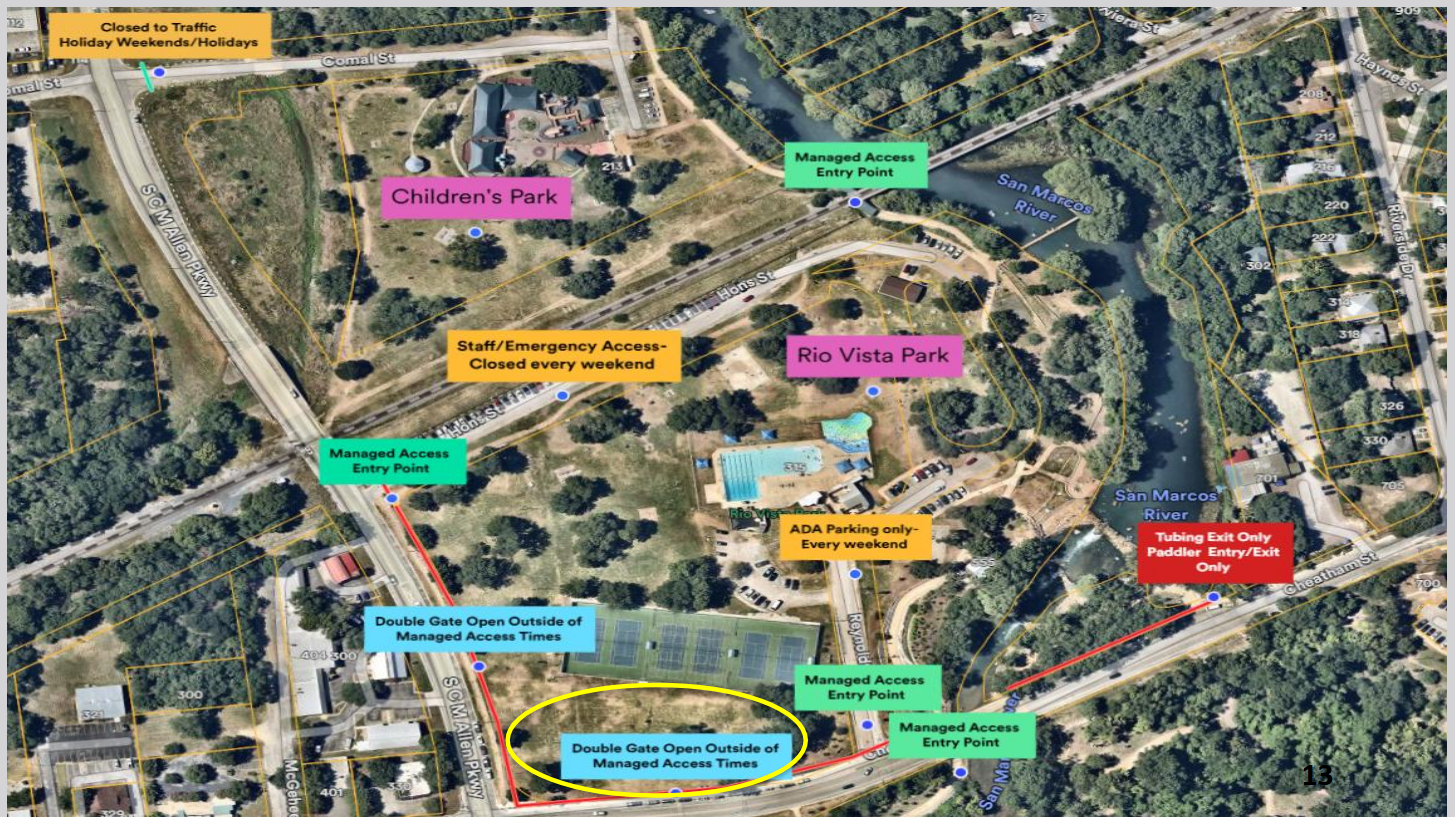
Here’s where the fence would go:

Basically the same as 2025. 

They’re going to add in two gates, at those blue squares by the tennis courts. But only for during the week, so that people can easily walk into the park. On the weekends, they’ll be closed, so that we don’t have to hire more staff to sit there.

It’s got some drawbacks – like taking kids to the Children’s Park is more difficult on holiday weekends – and staff is going to try to work through some of those issues.

Should we charge an entry fee?

I loathe the idea of charging money for the river.  The problem is that we’re the last free river park.  

When all the river parks in all of central Texas were free, the crowds could disperse evenly.  One by one, each park started charging entrance fees.  This increased the pressure on the remaining parks.  

If I had a magic wand, Texas would properly tax its wealthy citizens, and then we would use that money to subsidize public parks, and they would stay free.

Since that’s not going to happen, and since San Marcos just voted for candidates who ran on lower taxes, we are stuck choosing between three things:

  • Use a huge chunk of our budget keeping the river parks safe and clean
  • Let the river get destroyed and let visitors get hurt.
  • Charge out-of-towners for using the river

So here we are.

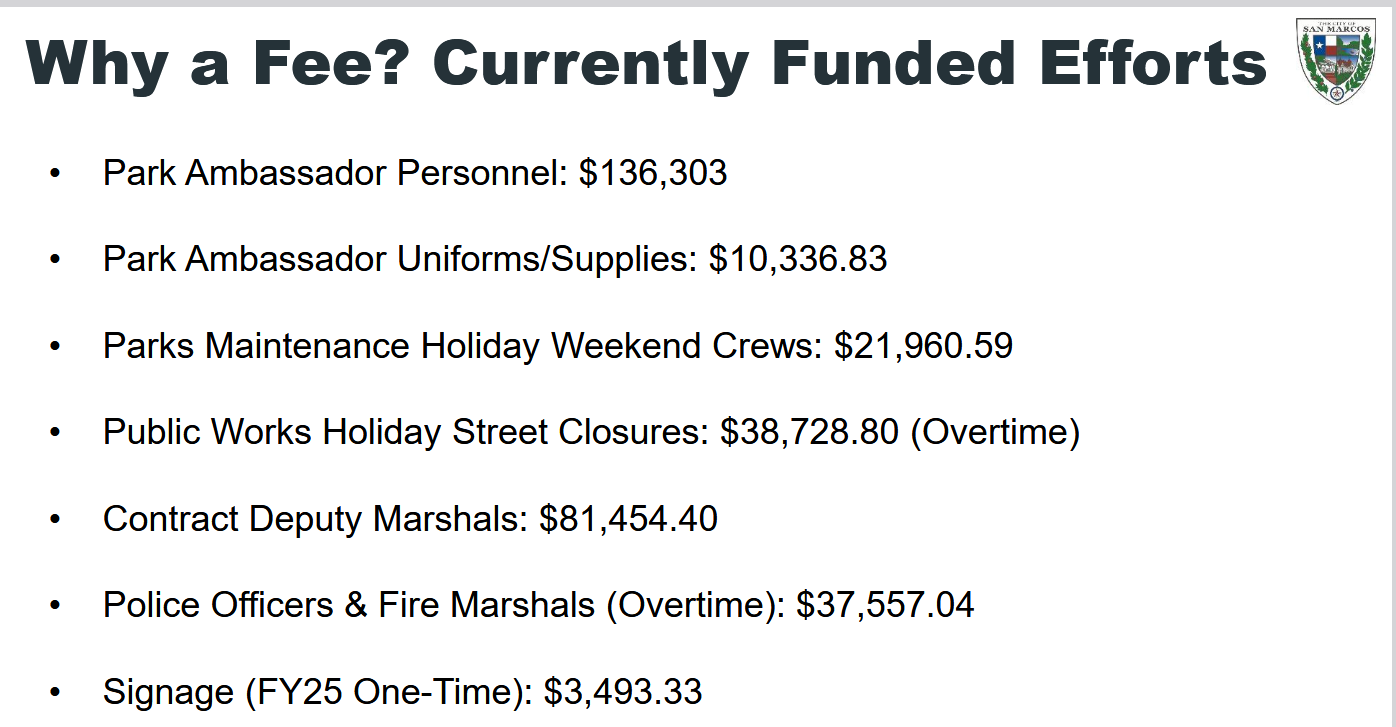
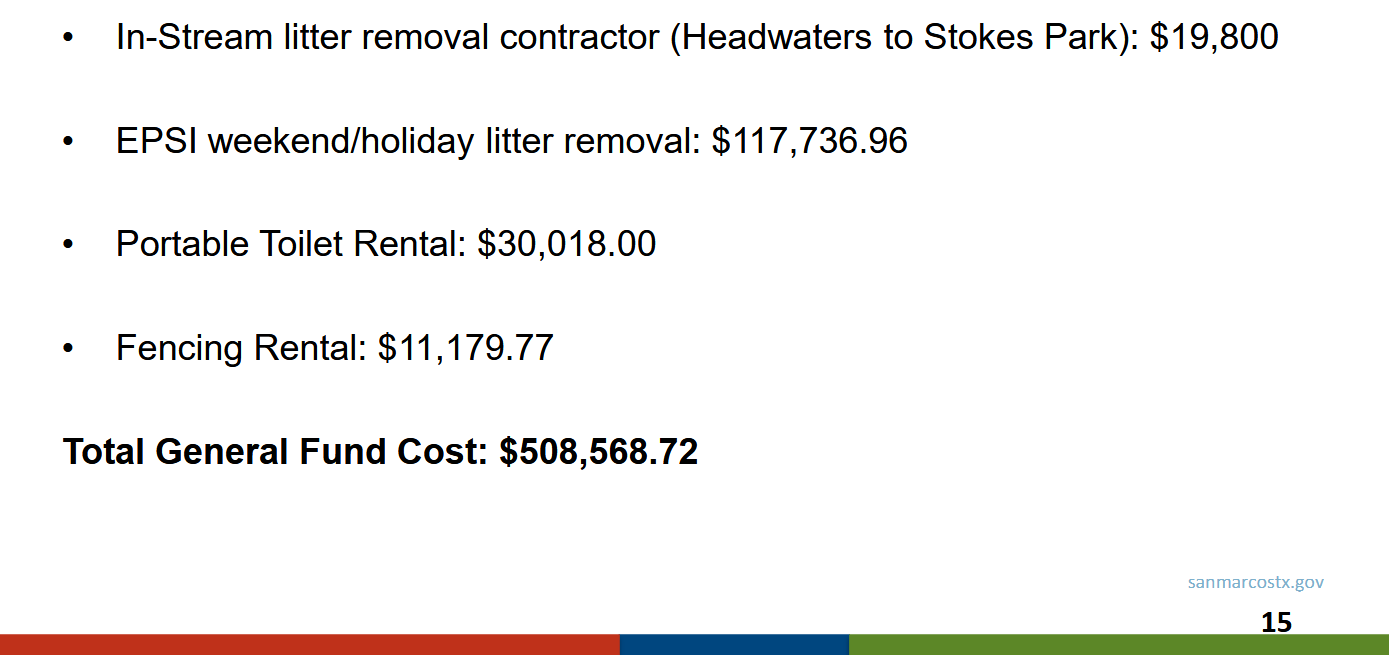
How much does it cost to staff the river?

A lot!

About $500K.  

How would charging people even work?

First off, it’s supposed to be free if you live in town. It would be similar to parking at the Lion’s Club:
– Register online ahead of time.
– Get a QR code on your phone to show the people at the gate.
– Or just show your ID at the gate to get in.

Note: But I don’t want to bring my phone OR my wallet to the river! This already sucks.

Out-of-town people would pay online ahead of time, and get a QR code.

Alyssa and Amanda have a lot of concerns with people having to navigate this process. It’s similar to the parking problem – every time you put friction into a system, you lose your vulnerable people.

How much money will this bring in?

We don’t know! It costs $30K to get the software.

We don’t really know how many out-of-towners come to the park. And we don’t know how many people will stop coming if it’s not free anymore.

There are a few different questions:

  • Does Council want to charge anybody?
  • If so, who counts as an out-of-towner?
  • How much do we want to charge? 

We’ll take these one at a time.

Does Council want to charge out-of-towners?

Yes: Jane, Shane, Matthew, Josh, Lorenzo

Postpone for a year to collect data: Alyssa, Amanda

So that passes.

Who should get in for free?

Everyone agrees: All of San Marcos and all of SMCISD.

How much should we charge?

Everyone wants staff bring back options.

Just to note: New Braunfels charges $2 to get in the river, and $25 to stop and put a blanket down on the grass.

TWENTY FIVE DOLLARS! We will not be doing that. That’s nuts.

December 16th City Council Meeting

Foreboding week at Council! You get a sneak peek of Cape’s Dam and the Data Center, both which will blow up in 2026.

Here we go!

Hours 0:00 – 3:21:  Pretty much just Cape’s Dam and the data center! 

Bonus! 3 pm workshops: Results from the community survey,  updates on the Office of Community Support and Resource Navigation, Participatory Budgeting, and the airport.

That’s a wrap for 2025! See you in January.

Hours 0:00 – 3:21, 12/16/25

Citizen Comment:

Two big topics! (I’m combining comments from 3 pm and 6 pm.)

Cape’s Dam nomination to be on the historic registry:

  • 5 people opposed
  • No one in favor

    The Data Center

    • 2 people (both developers) in favor
    • 10 people opposed.

    Details on what people actually said when we get to these!

    Other comments:

    • Update on the San Pedro cemetery: replacing historic pillars, repairing fences, surveying property bounds. Issues of drainage and erosion. We support low impact development nearby, but we’re concerned about something busier.
    • Kissing Tree gets called wealthy, but we worked for decades. We pay a lot in taxes. We need good jobs to fix poverty. Yay development!
    • San Marcos Civics Club is going to start issuing environmental score cards for each council member.
    • Support for naming the new airport road after Lieutenant Colonel George C Carruthers

    Item 8: Cape’s Dam

    This item was pretty infuriating!

    It’s also not the most important thing ever?  I’m trying to keep perspective? I was irritated, but this is small potatoes.  

    Backstory:

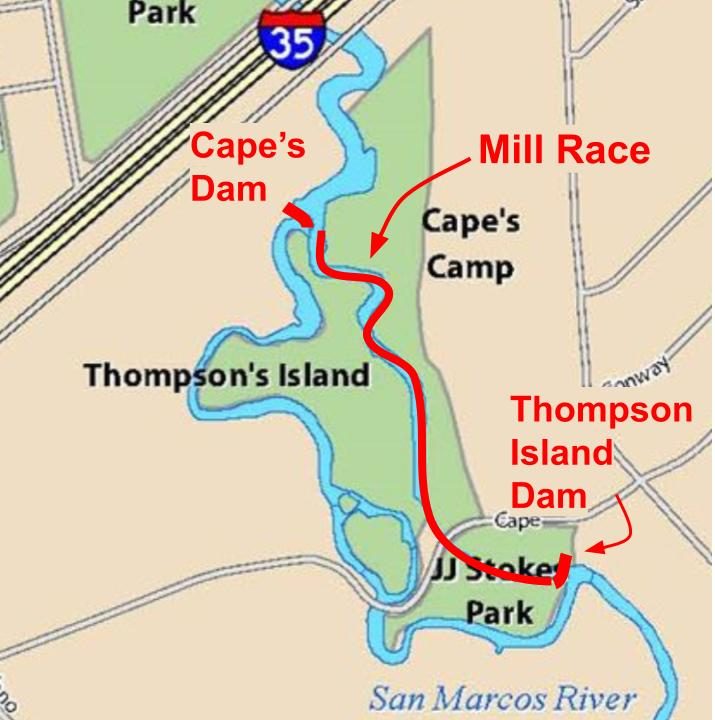
    From 1867-1942, Cape’s Dam was a functioning dam. The dam creates a calm little side channel to the river, called the Mill Race:

    Since the dam closed, the Mill Race has basically been treated as quasi-private property for kayak and paddling retreats.

    The Army Corps of Engineers often likes to remove old dams. In the 2000s, the folks at the Meadow’s Center started working on this study saying Cape’s Dam is bad for endangered species.

    Around 2015, Council is looking at whether they should remove the dam. But before they decide, Cape’s Dam is destroyed by the 2015 floods.  It’s now dangerous.  The Mill Race is also not usable anymore.

    2016: Council approves removing the dam and filling the Mill Race. The federal government will pay for it.

    This turns into a huge controversy. There’s a campaign launched – Save the SMTX River! – challenging the Meadow’s Center report and saying they’ve got different scientists who say different things. They basically want the Mill Race to be preserved for recreation, but they’re making an environmental argument? and a historical argument?

    (Incidentally, the Save the SMTX River guy is also one of the Brighter Future for San Marcos PAC guys.)

    Council backtracks on their decision. The federal funding expires.

    Everything grinds to a halt for a decade.  Council keeps passing the hot potato.

    Ten years go by. In the meantime:

    This past March, Council finally dusted this whole issue off. 

    They authorized a feasibility study, to answer these questions:

    1. What’s the current conditions of the dam and the whole area?
    2. What would it take to rebuild it? Or partially re-build it? Or just remove it?
    3. What’s the environmental situation? What’s the permitting process?
    4. Do a bunch of public outreach and get public feedback.

    I can already tell you some answers!

    • The current dam has to first be removed, whether or not it is rebuilt afterwards.
    • You cannot rebuild without permission from SMRF, because they own half the land, and they have said many times that they are a hard no.
    • You cannot rebuild without lots and lots of money, which we do not have.

    This will all come to a boil in the next few months! Exciting times. (Full backstory here.)

    Which brings us to tonight! Cape’s Dam has been nominated for placement on the national historical registry.

    Is there a legitimate historical claim? 

    Kind of yes!   The area was has a historical plaque with the Texas Historical Commission from 1979, in 1985 it was declared eligible for the National Register, and in 2017, it was included with a broader number of dams declared eligible for inclusion in the National Register. In addition, there’s credible evidence by a Texas State prof about the role of slave labor in building the dam.  

    So what’s new tonight?

    Preservation Texas is nominating the Thompson-Cape Dam and Millrace to actually be on the National Register of Historic Places.  

    Lots of things about this are irritating!

    1. This is a rush job. You can submit nominations every three months, but the nomination people are determined to submit by the January 16th deadline.  This one is URGENT, full stop, no flexibility.
    2. Whoever is behind this is keeping their name hidden*.  The nomination came from Preservation Texas.  No one with local ties has put their name on it in any way.
    3. The complex already has plenty of historical recognition! There is no new development.
    4. All land owners are supposed to consent, but SMRF was not notified, and has not consented.

    *Aren’t I the biggest hypocrite! I also love hiding out in shady anonymity. I’m a jerk.

    ….

    How does that long, tiring backstory affect Council’s thinking on this issue?

    Council: LALALALALALA WE CAN’T HEAR YOU!

    Basically, Council members all pretend to be brand new babies born yesterday, who have never heard of the 10 year fight I just told you about.

    The most generous interpretation: council members are willing to nobly set aside long-standing feuds, and consider this on its merits.

    The least generous interpretation: council members are gleefully taking part in a craven attempt to sway the larger outcome by miring it in bureaucracy.

    You be the judge!

    What did people say at Citizen Comment?

    • This is a ruse to force Council to rebuild the dam.
    • The dam is full of contemporary materials, like concrete sandbags
    • No effort has been made since 1950 to preserve the historic nature of the dam
    • This was a timber dam, which is a low cost, quick dam
    • There are 8 other dams on the river, and they’re also all super old

    And most importantly, the San Marcos River Foundation: Look, we own the land on one side of the bank, and we were not notified. The rules require that all owners give consent. We didn’t.

    Council discussion!

    Jane: What exactly do they need from us?
    Answer: The Texas Historical Commission (THC) wants two letters – one from Council and one from the San Marcos Historical Preservation Committee (HPC) – saying they support the nomination. 

    Jane: Can we postpone this?  It seems very rushed.  The State Board reviews these every three months. Can we just wait till March?
    Answer: The applicant specifically said they are not willing to postpone until March.

    Amanda: Yes, this seems very rushed.  What about just waiting until after the San Marcos HPC meets, and hear what they recommend?

    Answer: Usually yes.  We prefer to have committees present their recommendations to Council.  But the timing doesn’t work out.  SM-HPC will meet on Jan. 8th, and then you all don’t meet until Jan 20th. But the letter is due Jan 16.

    Saul: The dam is not even close to the original structure. It’s got cement sandbags. I’m a no.

    Lorenzo: I’m a yes!  Wouldn’t that be great for people to see SAN MARCOS on the national historic register, when tourists come to town? 

    Jane:  Why didn’t the people who nominated this reach out to the city?  Where are they? We have a priority list of historical places. This leap-frogged over a bunch of other places on our list.

    Saul: Would this prevent us from making a decision about whether to rebuild or remove the dam?
    Answer: It carries political weight, but not legal weight.

    In other words: this vote sends a message to the public about which side your bread is buttered on. But it’s not legally binding.  You’re allowed to tear down the dam. 

    Amanda: This nomination provides a specific historical narrative.  It was white-washed to make white people look like noble saviors of enslaved people. If we send a letter of support, then that’s the version that will end up in the national registry.

    Alyssa: Yes, they’ve romanticized it.

    Jane: That’s why I want to send a very minimal letter.  We won’t address the historical narrative part of the application. We’ll just say, “Yes, there is a historical element!”

    Alyssa: Omissions are just as bad! That’s how status quos continue to flourish!  Whatever is in this application will be the skeleton of the final narrative.  That’s how these things work.

    Jane: Then let’s just be vague!

    Alyssa: That doesn’t make sense as a response to what I’m saying.  We’re writing a letter in support of a nomination. 

    Jane: I’m trying to be minimal! 

    Alyssa: …which will be interpreted as support, unless we’re explicit about what we don’t agree with.

    Matthew:  None of this matters!

    Shane: What’s the harm? 

    Lorenzo: Surely the Historic Registry will do their due diligence.  Let’s just pass this and let them do the heavy lifting. 

    Amanda: I want the narrative to acknowledge the role of enslaved people. 

    Matthew: The Cape family did not own slaves!

    Jane: The whole slavery thing is very contentious. Different people think different things.

    Amanda: Slavery is actually in the nomination already.  Didn’t you guys read it? I just don’t like how they handled the topic.

    Amanda is correct:

    and

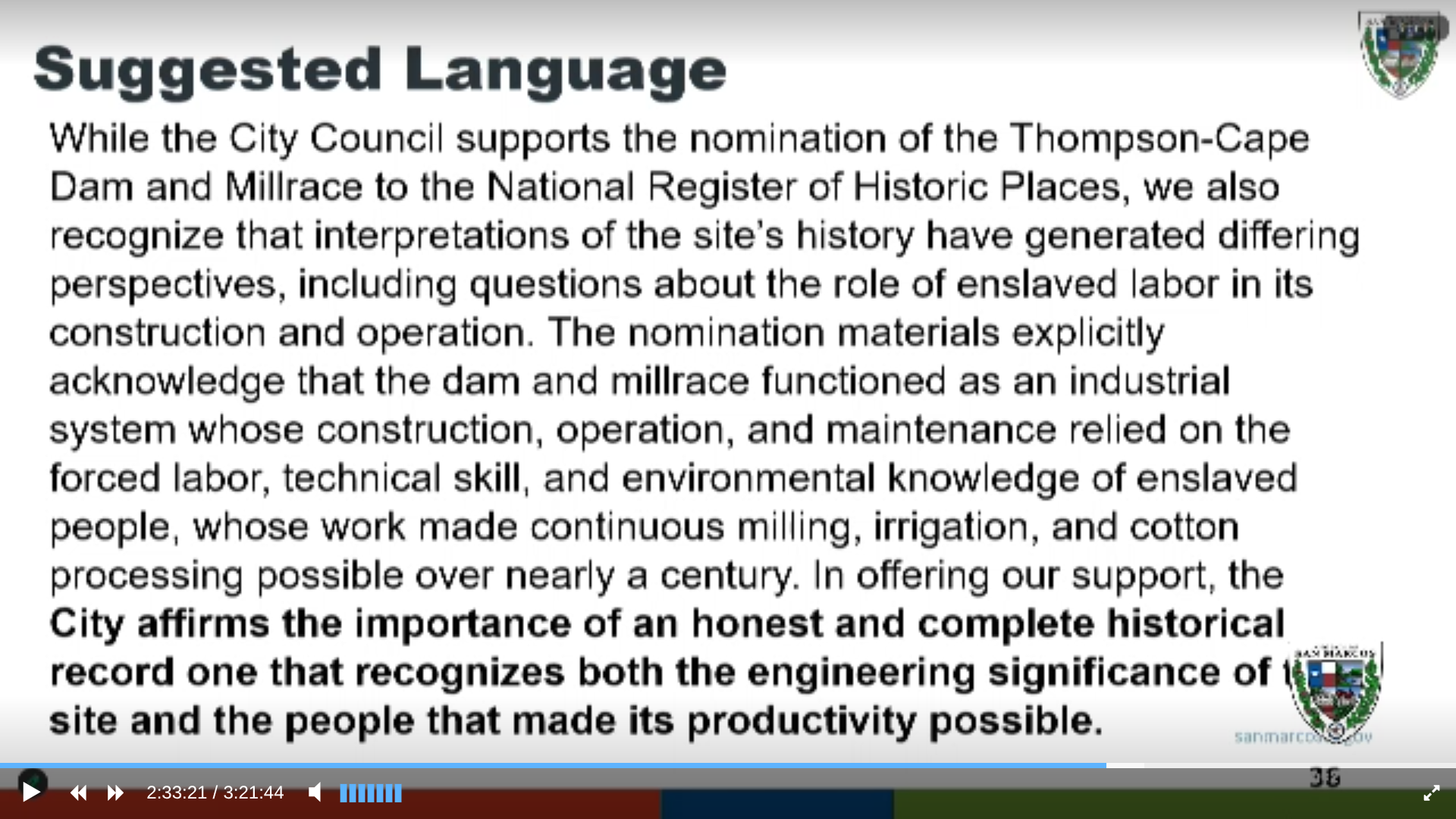
    Alyssa: Clearly this is going to pass, so I’m going to suggest some language for the letter. 

    Proposed language, after some tinkering:

    They also include a note about how SMRF wasn’t notified.

    The vote: Should we support the super urgent nomination that absolutely cannot wait until March?

    So there you have it.

    ….. 

    Finally, let’s have a little reality check!

    The national registry is a big deal. Currently there are four historic landmarks for central Texas on the national register:

    1. The San Antonio Missions
    2. LBJ’s childhood home
    3. El Camino Real trail
    4. Mammoth Caves in Waco
    via

    Will Cape’s Dam be the 5th most historic thing in the entire greater Austin-San Antonio corridor?!?

    Seems unlikely.  Like I said, this is small potatoes. 

    Item 9: The Data Center

    Backstory: This developer, Mayberry, bought some land down here, a few years ago:

    Right next to the Hays County Power Plant:

    He wanted to build some homes. It turns out this was a terrible investment. Now he’d rather build a data center, instead. Could he please have a rezoning?

    The town responded HARD against this. People who live on nearby farms say it will ruin their way of life. People are worried about extreme water use during a drought and heavy electrical use from the shaky ERCOT grid. Tons of people have put in a lot of effort into fighting this data center.

    Last spring, P&Z turned him down. It went to Council in August, and Council didn’t have enough votes to overturn P&Z. So it failed.

    However, Council did not put the final nail in the coffin. They left a trail of breadcrumbs for Mayberry to come back.

    He dutifully followed the trail, and here we are. (Full version of the backstory here.)

    Tonight is just a presentation.

    Mayberry is back. Here’s the timeline:

    His pitch is going to be that he will sweeten the deal via a restrictive covenant.

    Here’s what he’s proposing:

    We don’t have the formal contract yet, though.

    The two big issues are water and electricity.

    Water: Texas has a big water shortfall. The 2022 State Water Plan projected big shortfalls, and everyone is working with those numbers. But ChatGPT didn’t come out until November 2022. There are now already over 400 data centers in Texas. The water use from these data centers is not included in the 2022 projections, but it’s all we’ve got.

    This data center would get their water from Crystal Clear. Crystal Clear gets their water from:

    • Edwards aquifer
    • Lake Dunlap
    • Carrizo-wilcox
    • SM River 

    By 2040, Crystal Clear is projected to be -40 acre-feet of of water. As in, they don’t have enough water rights to cover projected demand. And that’s using the 2022 pre-data center usage projections! Crystal Clear cannot deny service either. (This info was from an expert at citizen comment.)

    The proposal here is not the worst possible proposal. Evaporative cooling systems are the worst. This is a closed-loop cooling system. (I have no idea how many of the 400 data centers are evaporative.)

    Mayberry is estimating that they’ll use 25K-30K gallons of water per day, and they’ll put a hard cap at 75K gallons per day in the contract. That’s equivalent to the water used by about 235 homes. (Evaporative cooling centers are probably in the 100K-500K gallons per day range.)

    Electricity

    There’s a tradeoff between water and electricity. If you use less water, you’ll use more electricity. In addition, the Texas ERCOT grid uses water to cool the electrical generation plants.

    There is a longterm solution here – the more ERCOT switches to solar and wind-based energy, the less water needed to generate the electricity. (This is already cheap and available, if we want it.)

    Will utility rates rise? It depends on who you get your electricity from. This plant will be on Pedernales electric, so if you are too, then yes, it’s likely your rates will rise, too. But if you’re on San Marcos city utilities, your rates will not go up (yet).

    ….

    My $0.02: I’m conflicted, but I’m still basically in favor of this data center.

    Argument in favor: the data center industry is an absolute goddamn disaster for Texas. There are almost 100 between San Antonio and Austin. There are already four in the Hays-Caldwell area. This is catastrophic for the water shortage.

    But it is not a city fight. The heart of the problem is that Texas counties cannot regulate water and electricity usage. If we care about the water shortage and strain on the electrical grid, we have to fight that fight. Fight for county regulations of water and electricity use, and statewide data center regulation.

    In the meantime, we might as well take the tax revenue.

    Argument against: Maybe denying this one data center contributes momentum to a bigger movement against the other 400+ statewide?

    Listen, all you activists: You are on the right side of the issue, but you absolutely must join forces on a larger scale. The only meaningful answer is regional and statewide regulation.

    If I had to guess, good places to start might be:

    City Councils are much closer to everyday people than regional and state organizations are, but Council cannot move the needle on the problem. Any progress has got to deal with county land, outside of cities.

    Just for kicks, how much money are we talking?

    I don’t really believe those numbers. It takes years to build these things, markets can crash, etc etc. But still, a fraction of that tax revenue would be helpful.

    Bonus! 3 pm workshops, 12/16/25

    Workshop #1: San Marcos Community Survey

    Every three years, we run a community survey. The first one was in 2022, and so 2025 is the second.

    Methods:

    They try to get a random sample of people by sending mailers out to households. They also open the survey up to anyone, online.

    The responses are overwhelmingly older white homeowners in Kissing Tree.

    I’m really not kidding:

    where “Charlie” is the blue #3 area below:

    and yes, they are mostly white home-owners:

    This is a well-understood phenomenon by people who run surveys – different groups of people respond to surveys with different participation rates.

    So they correct for it. What you do is you take the actual composition of San Marcos, based on census data. Then you weight your survey responses until they match the actual proportions.

    For example:

    Loosely speaking, if you’re 18-34 and you filled out the survey, your answers will get multiplied by 3. If you’re 35-54, your answers will get multiplied by 1/2, and if you’re 55+, your answers will get multiplied by 1/3.

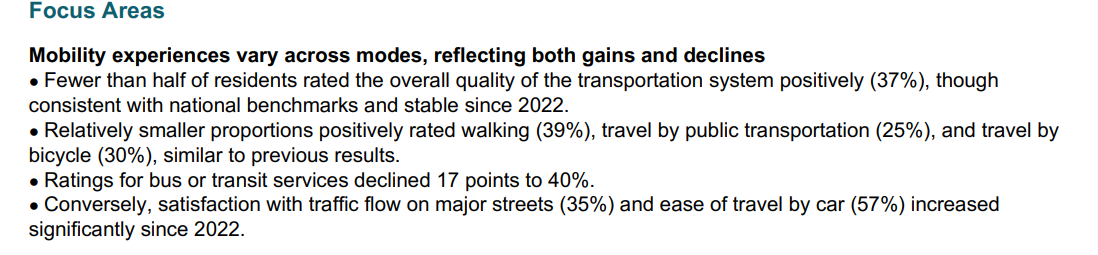
    So how’d we do?

    Oh, fine! It’s all fine.

    and

    I don’t have any big, glorious conclusions.

    Full data here.

    Workshop #2: Office of Community Support and Resource Navigation, and Participatory Budgeting.

    We’ve got things in progress! Here’s two new things that Council put into this year’s budget:

    1. Office of Community Support and
      Resource Navigation
    2. Participatory Budgeting.

    Office of Community Support and Resource Navigation

    That name is a mouthful and doesn’t really capture the gist of it? To me, it sounds like a helpline.

    This is actually about safety from a non-policing framework:

    This is basically catnip for me. Yes, please, all of that.

    Here’s the basics:

    It’s still in the baby stages.

    Keep an eye out for Town Hall meetings as this ramps up!

    Participatory Budgeting

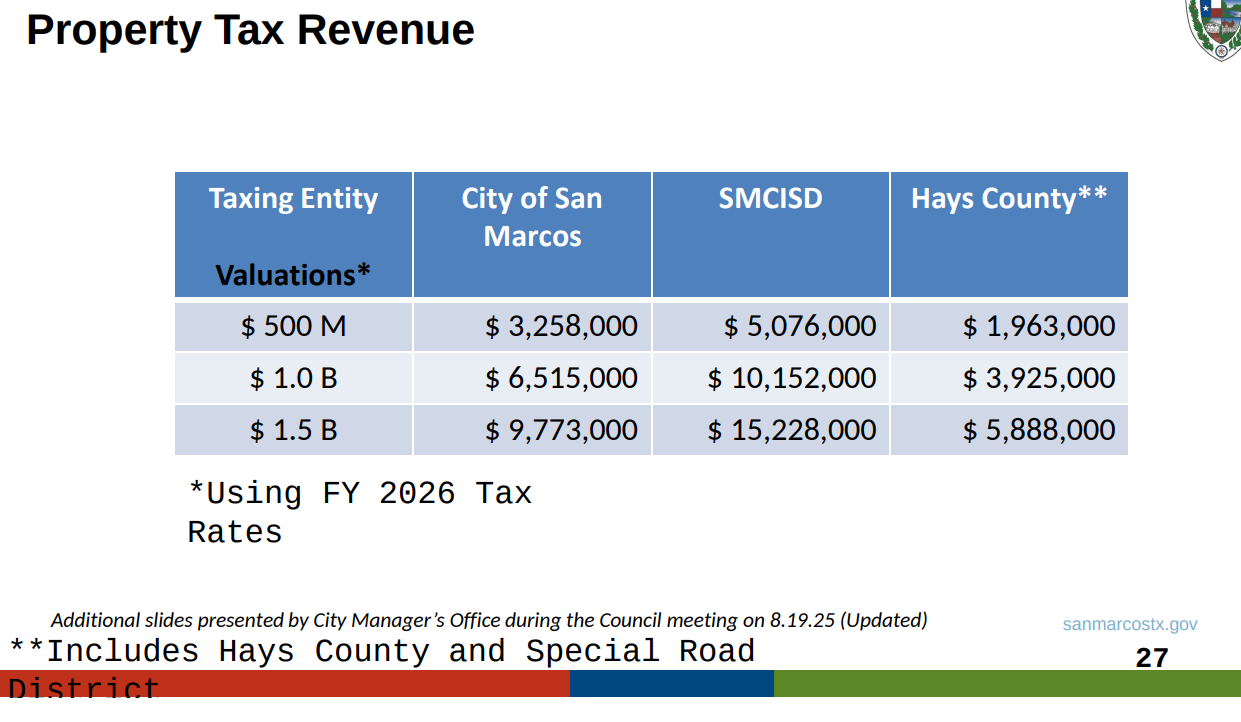
    We’ve got $200,000 with YOUR name on it!

    Here are some sample ideas:

    So, y’know, look around and see what annoys you!

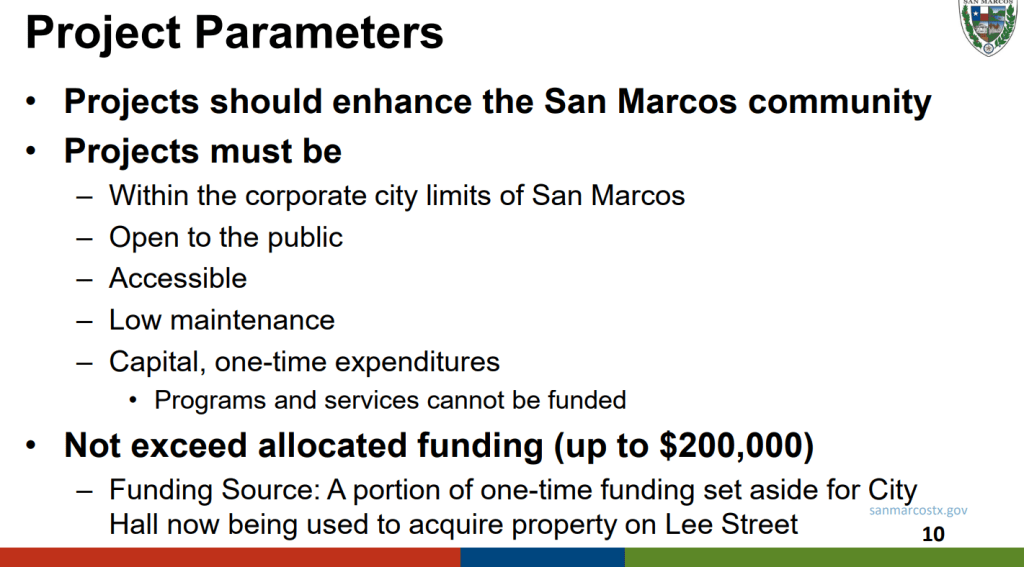
    Some details:

    So, sadly we cannot submit “Open the Activity Center on Sundays!” because that would be a recurring cost. But that’s one of my fondest wishes.

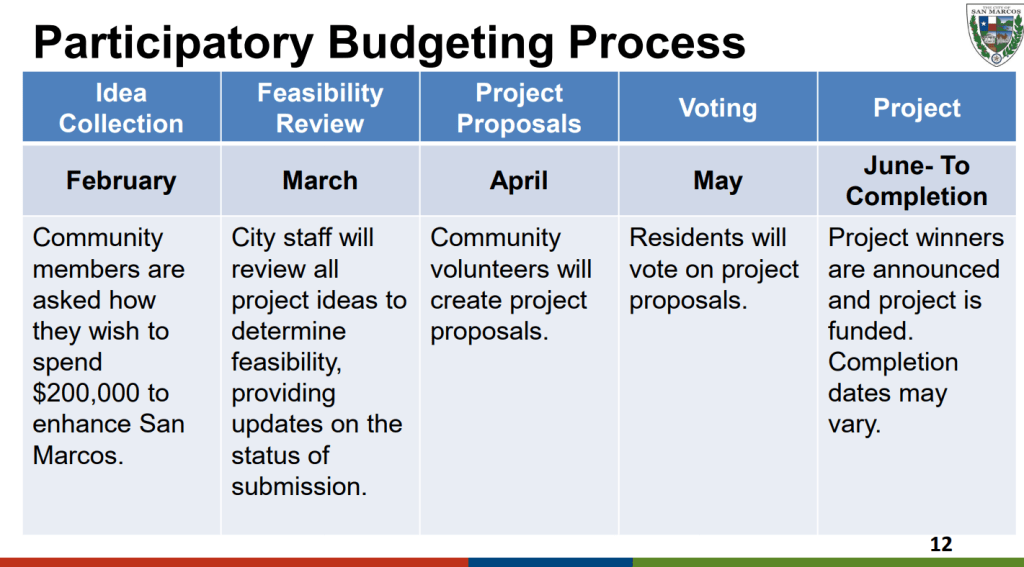
    Anyway, start brainstorming! Ideas are due in February.

    You don’t have to know all the details. They’ll help build your spark into a flame. You just dream big, kiddo. (Well, dream medium. It’s only $200K.)

    Workshop #3: Airport updates

    Our little airport is growing?

    First off, we have a cute old air tower. Would Council mind if we move it?

    Here’s the journey it will go on:

    Second, there’s a new road that needs named:

    We’re going to name it after this guy:

    He was a POW in WWII, among other things. Sounds good to me!

    December 2nd City Council Meeting

    This week at council: You’ll come for the death of Flock Cameras, but you’ll stay for the deliciously petty Price Center mural discussion! Exciting meeting this week.

    First, though: VOTE FOR SAUL in the council run-off. Details below.

    ….

    Onto the meeting!

    Hours 0:00 – 1:17: Everything but Flock Cameras! Some zoning, and some TIRZ stuff. But mostly, please let me tell you a very funny story about the Price Center mural.

    Hours 1:17 – 3:50: FLOCK CAMERAS go down in flames! Plus a new speed limit on FM 110, and some suburban sprawl.

    Bonus! 3 pm workshops:  Should we be sister cities with Inverness, Scotland? What about Monclova, Mexico?

    And that’s a wrap.

    …..

    It’s Council run-off time! Please do go vote!

    Details

    Early Voting:

    Monday and Tuesday, 8:00 am – 5:00 pm

    Location:  Hays County Election Office (the old Car Museum, on Stagecoach and Hunter.)

    Election day:

    Saturday, December 13th, 7 am – 7 pm

    Locations: Broadway Polling Location (401 Broadway Street #A)
    Hays County Election Office (the old Car Museum, on Stagecoach and Hunter.)

    Go here for full details on when and where to vote. 

    My Opinion

    Saul Gonzales: I’m endorsing Saul. He’s willing to state his positions. He promised to vote no on the data center, to remove Cape’s Dam, to remove Flock cameras. Has shown his cards about how he’s going to vote.

    And he’s kept his word! This past Tuesday, he voted against renewing the Flock Cameras contract.

    Josh Paselk: No. First off, he never sent answers in. He won’t say how he’ll vote on anything.

    Literally all we know is that he’s backed by a very sleazy PAC representing wealthy donors. They have outspent other candidates by a factor of 10. [Update: The first link may not work. It goes to a FB post about this mailer. Here’s a different link about the sleaziness.]

    All they seem to care about is that wealthy donors should be able to hoard their wealth:

    LISTEN YOU NUMBSKULLS. It is better for business when poor people have a little extra money to spend! A rising tide lifts all boats. You can pay your fair share and grow your wealth!

    And then they’ve gotten deeply gross with the mailers this past week.

    I can’t stand this mentality. Vote for Saul.

    Hours 0:00 – 1:17, 12/2/25

    Citizen comment:

    There were 12 speakers, and only one topic: Flock Cameras

    • 10 people: they’re authoritarian and hijacked by ICE. Hard no.
    • 2 people: they keep us safe! yay cameras.

    Lots and lots of details when we get to that item.

    Item 10: The Downtown TIRZ

    TIRZ stands for “Tax Increment Reinvestment Zone”.   What this means is that we’re going to put more resources into a fixed area.  TIRZ #5 is the Downtown TIRZ.

    Here is the boundary of it:

    Boundary of the Downtown Tirz goes from Texas State, through downtown, to I-35

    Here’s how a TIRZ works: First, you fix a baseline year. For the downtown, it’s 2011. Back then, the whole region had a taxable value of $103 million.  

    San Marcos always gets to keep the taxes on  $103 million.  But the value of the land keeps growing. San Marcos agrees to split the taxes 70-30 on all the value added above $103 million, until the TIRZ runs out. (Hays County is also part of the deal.)

    So in 2025, the land is now worth about $550 million. San Marcos keeps the taxes on the $103 million base, and then splits the taxes on the other $447 million. All told, the TIRZ gets about $1.2 million from San Marcos, and another $600K from the county, in 2025.

    What does the TIRZ do with the money? The rules are that they have to spend it all on enhancing the downtown, which is supposed to increase its tax value all over again.

    Today they’re adding a little bit extra to their plan. Here’s what they want to do:

    The TIRZ expires in 2027.  After that, the city keeps all the tax revenue on that district.

    Fine! Everyone likes it.

    Item 12:  Rezoning 24 acres on Wonderworld and 123.

    Here’s a little patch of land:

    Here’s what it looks like if you’re going south on 123, on the Wonderworld overpass:

    The developers want to make it CD-5.

    What is CD-5?

    In theory, CD-5 is supposed to feel like a cozy, dense downtown area where you have shops and apartments and all kinds of nifty things, kinda like on Sesame Street:

    But inevitably, it always ends up looking like this:

    Relentlessly giant apartment complexes. 

    What about some stores and restaurants?

    I’m not actually opposed to giant complexes! Housing is great.  But this intersection is a great spot for some stores and commerce, no? It’s a constant drumbeat that the east side needs more commerce.

    Jane brings this up:  “Will you all put in some commerce?”

    Developer: “Who can say? We’re so mysterious!” 

    Jane: “It would be really great.”

    But then no one on Council actually does anything.

    COUNCIL!! You have powers!  There are zoning overlays and Planned Development Districts, where developers agree to make some portion of a development into commerce.  

    But here’s Council:

    So Council just tells the developer, “Fingers crossed! Thoughts and prayers for commerce!” and leaves it at that.

    ….

    Is this re-zoning a good idea? Let’s be a little systematic about it:

    Five Questions For New Developments

    Price Tag to the City: Will it bring in taxes that pay for itself, over the lifespan of the infrastructure and future repair? How much will it cost to extend roads, utilities, on fire and police coverage, on water and wastewater?

    There’s a lot of development around this already, and this will be dense.  This is a good financially for the city. A+

    Housing stock: How long will it take to build? How much housing will it provide? What is the forecasted housing deficit at that point? Is it targeting a price-point that serves what San Marcos needs?

    We’re still in a housing deficit, and more housing is good.  So I’m fine with this.

    Environment: Is it on the aquifer? Is it in a flood zone? Will it create run off into the river?Are we looking at sprawl? Is it uniformly single-family homes?

    Not environmentally sensitive, not a flood zone. And it won’t be sprawl, because CD-5 has to be dense.  So doing well here, too.

    Social: Is it meaningfully mixed income? Is it near existing SMCISD schools and amenities?

    I doubt it will be meaningfully mixed income.  Developers don’t care.  It drives me crazy though – wealth segregation is a societal problem.   

    It is very close to two elementary schools, Goodnight middle school, and SMHS, and also Bonham pre-K.   There are some restaurants near those schools. 

    The San Marxist Special: Is it a mixed-income blend of single family houses, four-plexes, and eight-plexes, all mixed together? With schools, shops, restaurants, and public community space sprinkled throughout? Is it walkable?

    This is literally what CD-5 should be.  A Marxist blogger can dream.

    My $0.02: If I were on Council, I’d push hard for a zoning overlay that guaranteed some commerce. But if that was impossible, I’d vote yes, anyway.

    The vote on rezoning:

    Everyone: YES!

    No one: no. 

    So there you have it. 

    Item 6: Mural at the Price Center. (Cousin to Panic! at the Disco.)

    This item is peak ridiculous, in all the best ways. This is why I love local politics: everyone’s a regular person, and regular people are totally absurd.

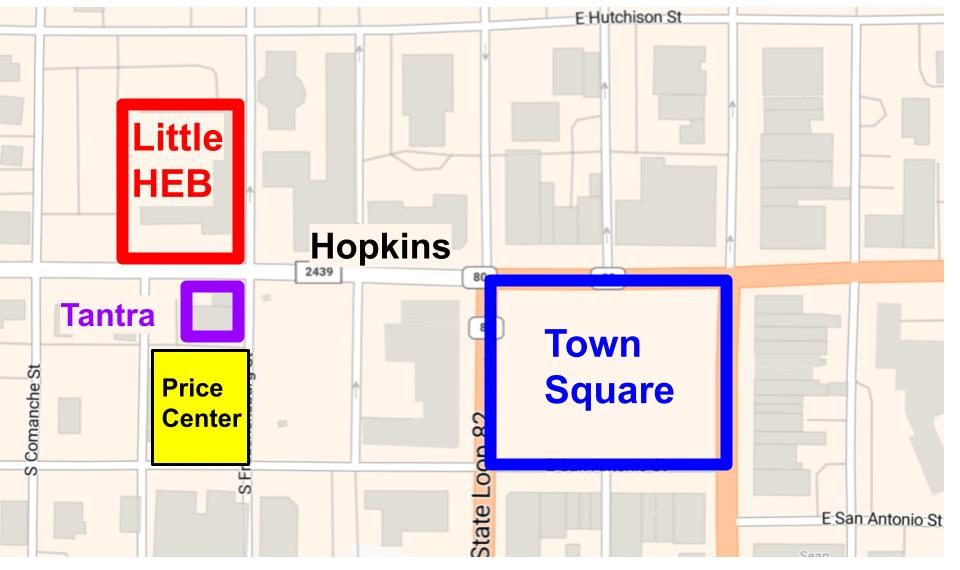
    This is the Price Center:

    It’s right behind Tantra, facing San Antonio St:

    It’s mostly a public event space – there are concerts and shows inside, people rent it out for parties, there are market days where you can buy stuff from vendors, etc.

    Here’s the front steps:

    No one ever uses this entrance.  You walk around through the garden to go in.

    Today’s item is about a mosaic mural to go on the front steps.  In other words, it’s a single picture that will be cut into strips, and go on the risers, like this:

    Maybe you’ve seen a photo of the proposed mosaic! If you haven’t yet seen it, I’m going to withhold it until the end of this item, for maximum comedic value.

    Because this is what Jane Hughson posted to the message boards ahead of time:

    This mosaic definitely involves cacti, and Jane is NOT a fan. 

    During the meeting, Jane brings up more points:

    • The mural is beautiful! But the cactus? Hard no. 
    • We’re trying not to have spiky plants like yucca downtown, because they are hazardous if someone falls in them.
    • We’re not Arizona. Feh, Arizona!
    • Cacti are prickly and unwelcoming.

    Lorenzo agrees: it does hurt to fall in a cactus.

    City Staff:  Some artists like cacti!  It’s subjective.

    Amanda:  Cacti stand for our cultural heritage in Mexico!

    Alyssa: I love ’em. Also they’re delicious.

    Shane:  If we asked the artist to take out the cactus and re-do it, and they said no, what are the sunk costs? 
    Answer: $1000.

    Saul: I guess I’m a yes, because I don’t want to waste $1000.

    ARE YOU READY TO SEE SOME CACTI?

    Pause for a second.

    Before you see it, I want you to picture an unwelcoming, prickly mayor cactus.  Get a good visual image in your head, before you scroll down.   What kind of cactus would be too hostile for the front steps?

    Ready?? 

    READY??

    Here’s the proposed artwork:

    Guys. GUYS. It’s so beautiful.  It’s mostly prickly pear flowers, more than anything else.  There’s nothing remotely hostile here.

    This is the mural that we almost killed for being too prickly!  What a world.

    ….

    The vote on the beautiful mural:

    Yes, we love it!! :  Amanda, Alyssa, Saul, Shane, and Matthew

    Ow, thorns: Lorenzo, Jane

    So there you have it. Small town politics, eh?

    Hours 1:17 – 3:50, 12/2/25

    Item 19:  Flock Cameras

    This is the biggie!  

    What are Flock Cameras? 

    Flock cameras are Licence Plate Readers, or LPR.  They sit at intersections like so:

    We have 14 of them in San Marcos, and they’re located here:

    (We also have 8 downtown cameras that are not Flock cameras.  The city owns these cameras.)

    What makes everyone so mad about Flock cameras?

    Every single time you drive by a Flock camera, your license plate gets tagged and recorded.  Then Flock takes all this data, and pools it all together across the nation, into one big, sloppy data fest. 

    When your police department agrees to share all their data , they are given access to all the data about everyone who drives anywhere in all of the US.

    And the network is HUGE:

    via

    Here’s just the I-35 corridor:

    ..

    Privacy and Data

    Privacy rights are a tricky thing to talk about, because of a few things:

    1. Our private lives started getting tracked extensively about 20 years ago. Now it’s like being mid-avalanche – we’ve all gotten used to things that are extremely abnormal.

    This is the frog in boiling water scenario – as a society, how do we claw our private data back? (Europe has passed laws.)

    2. The consequences are fuzzy and abstract for a long time…. until suddenly they’re really, really bad.

    Your data is out there. Corporations sell it. It spreads like smoke. Nothing happens until it gets into the wrong person’s hands. Right now, because Trump has weaponized ICE and the FBI, people who want to abuse Flock data know they probably won’t be punished for it.

    And ICE is constantly using Flock data to find people to snatch.

    3. Freedom and safety are always in tension with each other. If you want to end all crime, you could put every single young man between ages 14 and 35 in jail.  Your crime rate will drop to <1%. 

    But one of our core American ideals is freedom. Freedom is so important that we’re willing to accept some loss of safety.  (“Innocent until proven guilty” literally means that we think it is wiser to let some guilty people go free than to risk locking up someone innocent.)

    Where do you draw the line between freedom and safety? That is the heart of this discussion.  

    How did we get here?

    April, 2022: Original Council agreement with Flock. 

    It was actually never discussed at that council meeting.  It was put on the Consent Agenda with 15 other items.  That means all sixteen items get one single vote, unless a council member pulls an item for discussion. 

    December 29, 2023: The first contract ends, and city staff signs a second contract with Flock Cameras.

    This contract never went to Council for approval.  Alyssa is pretty salty about this!

    But honestly:  in 2023, council was very very pro-cop.  Jude Prather and Mark Gleason were still on Council, plus Matthew Mendoza. 

    Furthermore, there was a post-covid crime bump:

    via

    There was a lot of nervous energy around that.

    All taken together, Council was extremely deferential to expanding SMPD in 2023.  Hypothetically, if they’d voted on Flock Cameras, it would have been 6-1. I promise you, that’s what would have happened. (Alyssa would have been the only No vote.) 

    February, 2025: The winds change! This was the first time I ever heard “Flock Cameras” uttered in a City Council meeting. SMPD wanted 19 more cameras.  Council postponed the decision until June, and then voted no. No additional Flock Cameras.

    What changed since 2023?!

    Well, Trump, obviously.  Biden certainly deported a huge number of undocumented people! But he did not weaponize ICE with the kind of cruelty that we see from Trump. 

    This is what I meant above, about consequences. During the Biden administration, the loss of privacy didn’t feel as real to many people. Now we hear how Flock shares their data with ICE.  We hear how Flock data tracks women who are leaving the state.  The abuses are systemic.

    Which brings us to today

    The 2023 contract is up at the end of this year.  Renewal was due by December 1st.

    But city staff needs Council direction before they can renew, for two reasons:

    • All decisions over $100K go to council for approval
    • Clearly this has gotten contentious in a way that it wasn’t in 2023. 

    For unclear reasons, it did not get on the agenda in November.  That means that we missed our deadline to renew.  

    Tonight’s topic:  What is Council direction to staff?  Do we want to renew after all, or modify, or just shut down Flock in San Marcos all together?

    What does the public have to say?

    Two speakers were pro-Flock cameras.  Their main points:

    • SMPD implemented a new privacy policy back in May.
    • Flock cameras are victim-focused
    • LPR cameras helped solve the downtown murders
    • Everybody gets captured on camera constantly! 
    • What about other technology that helps capture criminals?  Do you want to ban that, too?

    Ten speakers were anti-Flock.  Their main points:

    • Flock cameras are reactive, not proactive. They respond to crimes that have already occurred, but they do not prevent future crimes.  (More on this below)
    • Their networks get hacked all the time. Their data is not secure. (True, true.)
    • Peter Thiel is one of the creepiest billionaires around, and has funded ⅓ of the flock network. (Yes)
    • There is no accountability for Flock.  
    • ICE has access to Flock data.
    • Anecdotes of stalking incidents and tracking women who are leaving states to get abortions (for example)

    Do Flock cameras help prevent crime? 

    Basically, no.  Cameras work when they are visible and aimed at the location of the crime.  In other words, if you put a big, obvious camera aimed at a parking lot, you can reduce the number of car break-ins. 

    But Flock cameras are aimed at intersections. They just record license plates. They don’t prevent the victim from being shot on the square – they just help find the shooter afterwards.

    However, it does appear that Flock Cameras help solve crimes.  Or as Chief Standridge puts it, we can solve the crime much faster, at least. It saves detective time.

    What does Council have to say? 

    First off, Lorenzo recuses himself due to employment conflict of interest.

    Next, Alyssa and the city manager go back and forth on the timeline for a while. (About the 2023 contract, discussed above.)

    Amanda goes next. Her main points:

    • We had a community town hall on public safety.  There were diverse opinions!
    • Opposing flock is a pretty mainstream opinion
    • Surveillance doesn’t prevent crime.
    • This is about Flock, not SMPD. Focus on Flock.
    • Lots of people would be okay with a strictly internal SMPD camera system.
    • Flock opens us up to expensive lawsuits. Lawsuits are way more expensive than the cost-savings from the cameras.

    Saul: Are the city-owned downtown cameras LPRs? Are they License Plate Readers?
    Answer: No, they aren’t.  You have to go and watch them to get information out.

    Saul: If the National Guard or martial law comes to San Marcos, can they access the data?
    Answer:  Legally, it would require a subpoena.  Illegally, yes, systems can always be hacked or accessed.  No guarantees against that.

    Jane: Data is stored for 30 days, and we don’t share data with the rest of the Flock network?
    Answer: Right, we stopped sharing after June. Now other agencies have to fill out a specific request and send it to us.

    Jane: How often do we get requests from out-of-town PD?
    Answer: We’ve gotten 20 since July. We denied two of them.

    Alyssa:  Hays County tried really hard to create some safeguards, and Flock is not interested.  The Flock representative laughed when Hays requested some mild modifications to their system.  They won’t do anything and won’t disclose anything. 
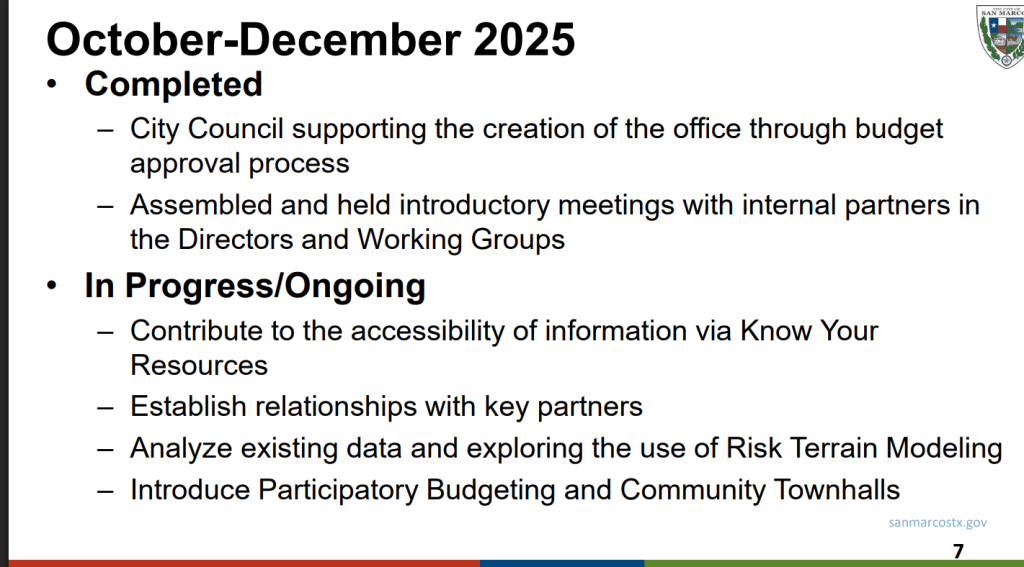
    Jane: I love Law & Order, but this one company makes me nervous.  

    Jane’s main points:

    • I’m okay with cameras, but not Flock.
    • Can we get some non-Flock cameras? 
    • Let’s renew with Flock while we source non-Flock cameras, so that we don’t have a gap in surveillance. Then we can switch in 2026.

    Matthew: Samesies!  No longterm Flock, but I’m okay with short-term Flock.  No gap in surveillance, please and thank you! 

    Amanda:  If we’re so focused on avoiding gaps, what about our major gaps in crime prevention? How about the gap on mental health care? How about the gap in homelessness prevention? Those would actually prevent crimes from occurring. Reacting does not make us safe.

    Question: How much does Flock cost?
    Answer: About $43K for a year. 

    They get into the nuts-and-bolts of transitioning to a different company. How long does it take to solicit proposals? Could we piggyback on an existing contract? Could we get a pro-rated or month-to-month contract with Flock in the meantime? (Answers: 12 months, maybe, and maybe.)

    Extra details:

    • Back in the spring, there were five cameras that may have gone live without Council approval.  They were definitely mounted up on poles.  Council is very interested to know whether or not they were turned on and recording data? Or just mounted up there? We never got a firm answer on this. 

    Question: Could we create our own, internal system?
    Answer: Maybe! Seems plausible.

    Jane:  The story about Evanston, Illinois is creepy.  If we’re signing a new contract, put in a clause to avoid that.

    What she’s referring to is this:  Evanston took down their Flock cameras due to privacy violations.  Then Flock put them back up again.  It took a court cease-and-desist order to get Flock to stop putting the cameras back up, on their own.

    Question: How do you measure the effectiveness of Flock?
    Answer: It’s mostly anecdotal, because Flock won’t share the information that you’d need to know this.

    Saul specifically says that he supports SMPD and his own son is an officer, but he’s a no because of the risk of lawsuits.

    THE VOTE:  

    Let’s sign a whole new contract!: nobody.
    We want a short term contract with Flock, while we hunt for new options: Jane, Shane, Matthew
    Absolutely no contract with Flock at all:  Amanda, Alyssa, Saul

    So it’s a 3-3 tie. 

    What does that mean??

    It takes a little bit of time to untangle this.  Basically, it takes 4 votes for Council to take action.  Neither side got 4 votes.  So nothing happens.  

    But what’s the outcome then? 

    We have to go back to the timeline.  December 1st was the deadline to renew, and we couldn’t renew without Council approval.  So that deadline came and went.  We did not renew.

    And now… nothing happens.  Which means we’re done with Flock! 

    ….

    Look, I loathe authoritarian microsurveillance and I think the threat from tech billionaires and ICE is far greater than the danger of unsolved crimes.  So I’m good with this!

    … 

    Item 15: Speed limits 

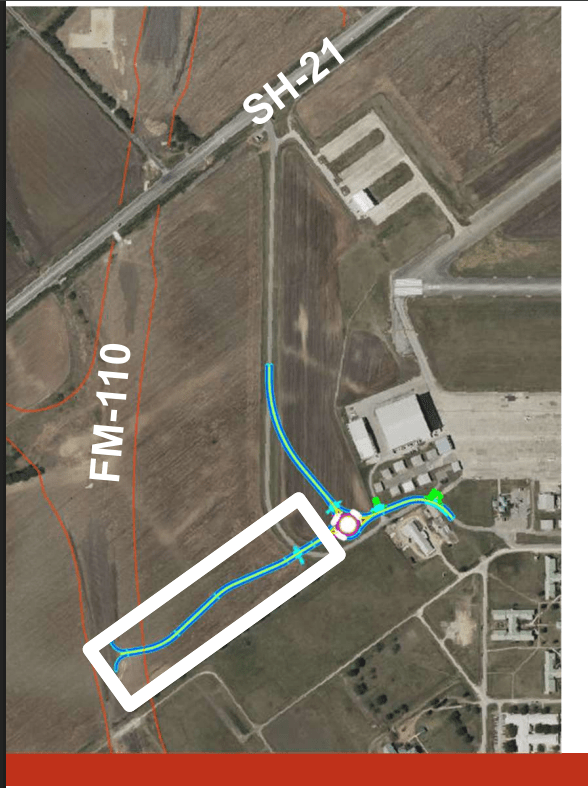
    Here’s the new FM 110, going east of San Marcos:

    On that red stretch, should we increase the speed limit from 60 mph to 65 mph?

    This is pretty nutty:

    Here’s what I think that means: TxDOT came to us and said, “We think your speed limit is too low. If too many people are speeding, you have to raise the speed limit.”

    So we had to do a study, and the study did show that too many people were speeding! So now we have to raise the speed limit, so that they’re not speeding anymore.

    How ass-backwards is that?

    (Also: when national speed limits went from 55 mph to 65 mph, fatalities rose by 20%. It’s the whole freedom vs safety trade-off, again!)

    Council votes:

    Stay at 60 mph: no one.

    Go up to 65 mph: everyone.

    I mean, I wouldn’t want to take on TxDOT either. 😦

    Item 16: River Bridge Ranch PDD

    River Bridge Ranch is always hopelessly confusing to me, because it is right next to Riverbend Ranch, and they both have had a hundred different names over the years. (Riley’s Point, The Mayan Tract, Baugh Ranch, etc etc)

    This is mostly for my benefit:

    For years I didn’t even realize these were separate properties.

    Anyway, I hate them all.

    Today is about #4, River Bridge Ranch.

    It’s getting a little bit smaller, I think:

    Good.

    Bonus! 3 pm workshop, 12/2/25

    Do we want to be sister cities with Inverness, Scotland?

    No, we don’t!

    (I’m dying to leave the post like that, full stop, but I also am physically unable to stop telling you tiny municipal details.)

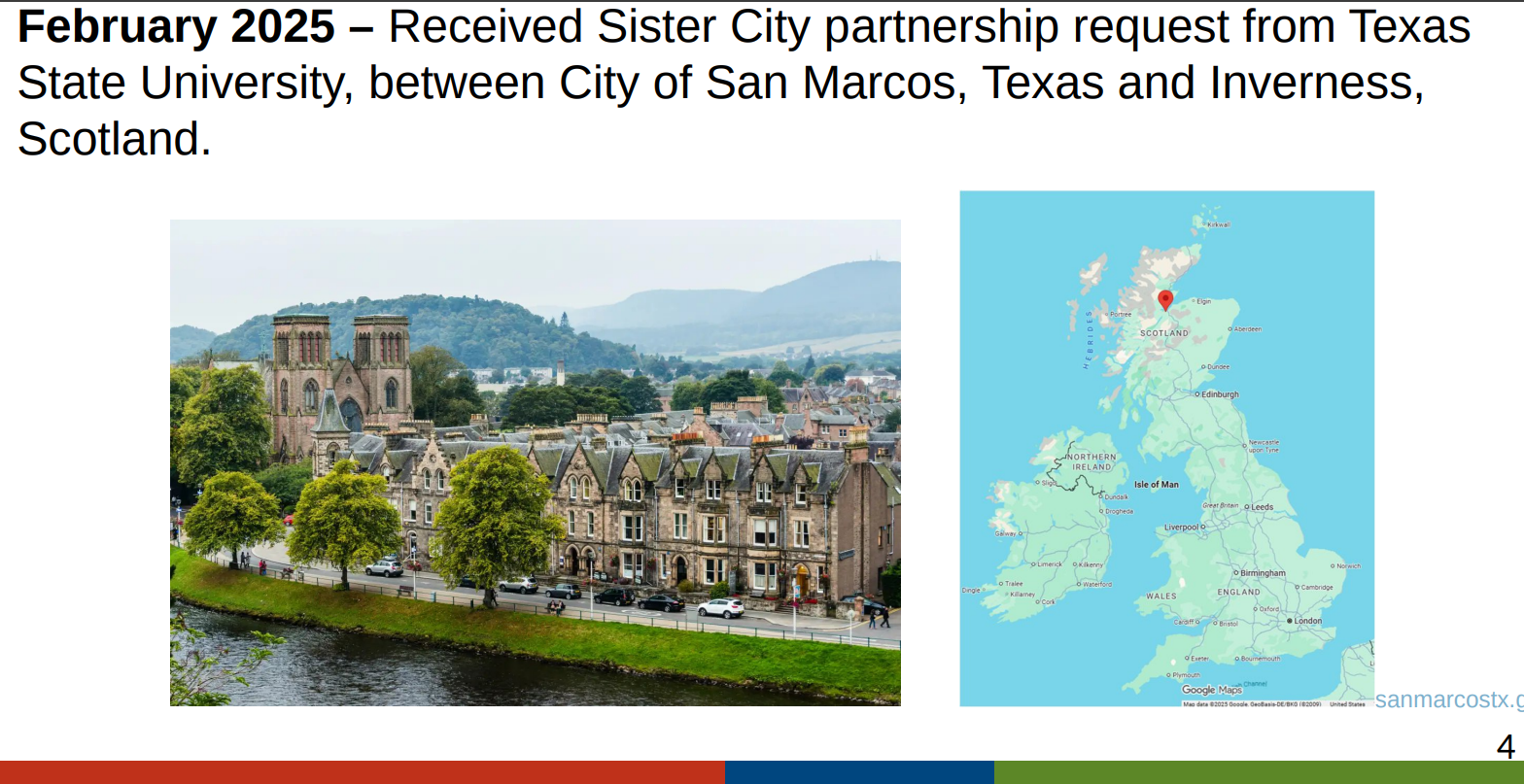
    Basically, Texas State approached us about forming a sister city relationship with Inverness:

    We also have a dormant sister city arrangement with Monclova, Coahuila in Mexico:

    Starting the one and reviving the other would cost time and money.

    We’re short on both, so no.]