I went hunting for photos of the old Bismark Filling Station back in its heyday, but came up empty handed. I did find this deep dive on the history it, though.
…
Q: Are there any concerns about flooding?
Answer: It’s partially in the floodplain, and it is near the headwaters, which is very sensitive. But the land is actually angled so that the water runs away from the sensitive stuff. The water runs away from other houses on Post Road, and towards the stadium.
Q: Are there any concerns about buried gas tanks?
Answer: no, the station is too old. They checked the records. They didn’t bury tanks back then.
Q: Are you going to preserve the gas station?
Answer: We are working with the Historical Preservation Committee on this! Hoping to save the facade and columns, and put it somewhere where it can be memorialized.
Note: This is how you make best friends with Council. Who knows if it will actually happen or not, but Old San Marcos is happy to hear this guy say the right things.
One other note:
The developer is asking for CD-4 zoning. He’s saying he wants to build townhomes:
Ok, maybe not quite that beautiful. But maybe like these, near Wonderworld:
But CD-4 zoning can also mean large scale apartment complexes like so:
When you zone land, you don’t get to pick and choose which use the developer ends up doing. The developer can do anything included in the zoning.
Now, this particular lot isn’t very big:
So my guess is that he will probably build townhomes or condos. But he is allowed to sell it to someone else, and that other person can do anything allowed under CD-4 zoning.
Should the city spend $124K for SMPD to have cameras that read license plates for one year?
Maybe! We need to unpack some stuff first.
Backstory:
Budgets get approved in September. But the planning starts nine months earlier. So at the end of January, Council had a two day workshop where they started laying out big ideas.
They go into great detail on the strategic goals:
Under each goal, Council decides what they want to prioritize for the next year.
On Day 2, they tackled Public Safety. Amanda proposed the following outcome:
Establish clear guidelines and protections governing the use of technology to ensure transparency, accountability, and respect for the personal privacy and civil rights of the public.
A little-noticed surveillance technology designed to track the movements of every passing driver is fast proliferating on America’s streets. Automatic license plate readers—mounted on police cars or on objects like road signs and bridges—use small high-speed cameras to photograph thousands of plates per minute.
The information captured by the readers—including the license plate number and the date, time, and location of every scan—is being collected and sometimes pooled into regional sharing systems. As a result, enormous databases of innocent motorists’ location information are growing rapidly. This information is often retained for years, or even indefinitely, with few or no restrictions to protect privacy rights.
We don’t find every use of ALPRs objectionable. For example, we do not generally object to using them to check license plates against lists of stolen cars, for AMBER Alerts, or for toll collection, provided they are deployed and used fairly and subject to proper checks and balances, such as ensuring devices are not disproportionately deployed in low-income communities and communities of color, and that the “hot lists” they are run against are legitimate and up to date.
Unlike a targeted ALPR camera system that is designed to take pictures of license plates, check the plates against local hot lists, and then flush the data if there’s no hit, Flock is building a giant camera network that records people’s comings and goings across the nation, and then makes that data available for search by any of its law enforcement customers. Such a system provides even small-town sheriffs access to a sweeping and powerful mass-surveillance tool, and allows big actors like federal agencies and large urban police departments to access the comings and goings of vehicles in even the smallest of towns.
And yes, Flock is exactly the company we’re buying cameras from. And it’s not just the ACLU: other folks also don’t like Flock Safety one bit.
Look, ICE raids have already started. (Not as intensely as Trump would like, but they’ve started.) Do we really think this universal surveillance data will be off-limits? It wasn’t off-limits back in 2019.
Sure might be nice to have a clear policy! Maybe we should “Establish clear guidelines and protections governing the use of technology to ensure transparency, accountability, and respect for the personal privacy and civil rights of the public.”
This brings us to Tuesday’s meeting
Amanda makes a motion: Postpone the purchase of the cameras until we’ve established the policy that focuses on privacy and civil rights when it comes to the public. (After all, it was literally five days earlier that Council agreed this is a priority!)
Chief Standridge says, “No worries! We already have such a policy! It’s four pages long and follows all the best practices in Texas! This is what all the departments across Texas are doing.”
Amanda: “I’ve read the policy. Those may be the best practices in Texas, but they’re not the best practices nationwide. Things like data usage, data retention, data sharing – we should address those things, and then we can bring back the vote on the cameras.”
They get into it a little bit, over how long data should be stored. Is 30 days too long? Just right? (That same article on Flock Safety has recommended legal language specifically for this kind of situation.)
“Furthermore,” Chief Standridge says, “this is already underway. We got the first batch of cameras in 2022, and then we got a grant for some more…” he kind of trails off.
Amanda: “The cameras have already been purchased? The cameras that require council approval?”
Chief Standridge: “The Flock representative is here online, they can confirm or deny if the cameras have been purchased.”
Jane tries to smooth it over: “It was probably something like it was initiated because they thought they’d be under 100K, and then it turned out to be over 100K, so they need needed approval!”
Standridge: “Close enough!”
Note: I think it was because of this:
The original contract was not discussed when Council approved it, in April, 2022. Later on, SMPD applied for some grants, and Council didn’t discuss those, either. My guess is that since the grants were in motion, SMPD assumed it was fine to move forward with the cameras.
(This also happened with the Total Bullet Containment System. It had been purchased before Council actually authorized the purchase.)
…
Back to the conversation:
Jane: I’m game to have a work session on this policy, but I don’t want to hold up the purchase of the cameras in the meantime.
No one else (besides Alyssa) weighs in.
The Vote: Should we postpone the purchase of these cameras?
WHOA! I was not expecting that, but I’m thrilled to see it!
…
Items 10-13: An enormous number of appointments.
The vast majority of the meeting was spent making appointments:
Those are all boards where they appoint community members.
The most public of these is P&Z. P&Z had three open spots. David Case and Maraya Dunn were both re-upped for a second term, and “Rodney” got the last spot.
No one in the meeting ever used Rodney’s last name, and I don’t have access to the applications, so I guess we’ll all find out which Rodney in a few weeks, when he starts attending the meetings.
…
Item 14: Attendance on External Boards
There are a bunch of committees in the city and county that have a representative from city council.
Sometimes you have one of these external boards with a city council rep, but that council member never shows up to any of the meetings, and sometimes his name is Shane Scott.
Jane: Do we want some sort of attendance policy for these situations? Like you can’t have more than three unexcused absences in a row? That’s the policy for the rest of our boards and commissions.
Everyone is on board. So this will come back around.
The Human Services Advisory Board grant money. (HSAB)
Demolition of a little blue building at 734 Valley Street
Let’s take these one at a time.
HSAB grants: These are San Marcos city grants to nonprofits. Back in December, there was a bit of a stand-off between councilmembers supporting Salvation Army and councilmembers supporting HOME Center. Yes, it’s totally weird to pit nonprofits against each other.
It was postponed without resolution. So people showed up to this meeting, to advocate for their nonprofit. By the numbers:
Advocates for Salvation Army: 2 speakers
Advocates for HOME Center: 9 speakers
Nosotros la Gente, ACCEYSS, School Fuel: 1 each
The chair of HSAB (Yancy Arevalo) also spoke. She made the most important point: $550K is peanuts for social services. There were over $1 million requested in the applications, and the need in the community is far greater than that. We need to be allocating far more money to this cause.
(She is exactly right. This is the heart of all these problems. We should not be pitting HOME Center against Salvation Army – we should be increasing the size of the pie.)
If you want the most compelling speaker of the meeting, you want to listen to the man speaking at 17:48 here. He is a formerly homeless man on the brink of death, who was helped by HOME Center and now is in a stable home. It’s really incredible.
The other big issue is the demolition of a house at 734 Valley Street.
A speaker from the Historical Preservation Commission (HPC) talks in favor of delaying the demolition
The owner speaks against the delay
A representative from the Calaboose Museum says, “Please don’t use our name as a reason to delay the ordinance. We are fine with whatever the owner wants to do.”
We’ll unpack all this when we get there.
One final comment worth noting from the 3 pm workshop:
3. At the workshop, Max Baker spoke about the San Marcos Civics Club: they’re putting together a Tenants Bill of Rights.
They want to collaborate widely on this, so if you’re interested, let them know. And they want Council to incorporate this into their upcoming Visioning sessions.
…
Item 12: The HSAB Grant Money Saga
Brief background:
HSAB stands for Human Services Advisory Board. This is a committee that meets weekly for four months, and scrutinizes nonprofits who are applying for grant money from the city.
In December, council got the HSAB recommendations and started tinkering. First, they moved $10K from ACCEYSS to Salvation Army.
Then Jane Hughson tried to move all of HOME Center’s funding away. She reduced this to 75% of their funding. This was the issue that blew up.
The whole thing looked really, really bad. It looked partisan. (Full details here.)
This meeting:
Jane drops her motion about changing HOME Center’s funding.
She justifies the attempt like so: “I went back and watched the HSAB meetings. Originally Salvation Army was given $10K, and that was moved over to HOME Center since they were local. My feeling is that our local chapter of Salvation Army is also local, so I wanted to move that back.”
Amanda responds: “I also watched the meetings. You’re oversimplifying what they said. They didn’t just give it to HOME Center because they’re local. They noted that HOME Center has a 90% success rate and is one of the few organizations doing high quality longterm casework.”
There’s some more discussion, but things fizzle out pretty quick. So the only amendment that stuck is the one from last meeting, to move $10K from ACCEYSS to Salvation Army.
There will be a discussion about the HSAB grant process in the future, where Council can do some more tinkering. It’s a work in progress.
Amanda: If you want to get to the root, we – as a city – have created a system that relies on nonprofits to provide critical social services, right? We created that.
Jane: I don’t know that I agree that we created it, but I’ll agree that we have it.
Amanda: I mean, thank god someone’s doing it, to the level that they’re doing it. But I think all of the “thank yous”, the “we’ll work on the criteria”, and all of that – it’s really empty. One of the things that has been reiterated both in this meeting and in the previous one is that $550,000 was never going to be enough. If so, if we really want to address the issue to its core, we know budget season is coming up.
I mean we’re about to – probably later in this meeting! – approve $684,000 for something probably with no discussion, no pushback. That to me is a shame. And so if we really want to address the issue, it needs more money. They need capital.
Jane interjects about Covid money – one year we were able to double the HSAB budget, but only because we could use Covid money.
Amanda: That’s great. But we can find the money. We can find the money because we’ve found the money for so many other things. I don’t think it’s a plausibility issue. If we wanted to do it tomorrow, we could fund it. But it’s a matter of desire.
All I’m saying is if we want to really address the issue, this is the conversation we should have in budget season. We should put our money where our mouths are.
(lightly edited for clarity)
I AM SO EXCITED!! This is my new battle cry: “$550,000 was never going to be enough.” Rally the troops, we’ve got budget season coming up!
The vote:
$550,000 WAS NEVER GOING TO BE ENOUGH!
…
Item 3: The lease with Ruben Becerra
Back again to talk about this cute little building!
on LBJ, at the railroad tracks, across from Toma Taco.
Background:
Like we said last time, Council bought the property from Union Pacific in 2013, in order to maybe put a railstop there someday.
Ruben Becerra owns the building, but not the land. The building sits half on city land, and half on Union Pacific land. It’s very confusing!
You can see the little building there – it’s half on red land (San Marcos) and half on blue land (Union Pacific Rail Road).
Last time, I wasn’t clear on the full backstory of why there is tension, but this time, city staff had a presentation that sheds some light on it:
Staff recommends tightening up the lease terms a bit:
In addition, Jane Hughson reads a carefully scripted main motion and amendment:
That is legalese for “We met behind closed doors and are scrupulously following the advice of our lawyer.”
The vote:
Lorenzo is our brand new councilmember! The rumor mill generally holds that Lorenzo is Becerra’s candidate, in case you were looking askance at that vote.
On Thursday, Becerra sent a written statement to the Express-News accusing the city of “targeted interference,” and said that litigation is “the course that will likely be pursued.”
“This project seems to be unjustly targeted due to political motivations,” he wrote. “The city’s refusal to honor prior agreements or pursue reasonable business solutions underscores a deliberate effort by political adversaries to obstruct progress.”
So Becerra might sue the city over this? That linked article has way more details than I was able to find, so you should trust them over me.
…
Item 5: The SMPD shooting range
Here’s SMPD, located on I35:
SMPD has a shooting range. It was built in 1991.
I’m guessing it is here?
because they described it as a sand berm, and when I zoom in, it looks like this:
Which looks like a sand berm to me!
Here’s what it looks like on the inside:
That was built in 1991. Back then, they needed to be able to shoot pistols at 25 yards.
Since then, you now have to be able to shoot rifles at 50 yards. So officers were going offsite to shoot at ALERRT Shooting range at Texas State. That is free, but it’s often busy.
In 2021, they converted the SMPD range from 25 yards to 50 yards. They also put a roof overhead, to keep the sand from getting washed out and to prevent bits of projectiles from going all over the place. Great!
But the roof also contained all the dust, which has a lot of lead in it, from the bullets. So it’s now super toxic. Also, they have to mine the sand for the bullets every now and then, or else fragments start to bounce back at the officers.
And then the bullets get trapped in that round drum on the right:
Plus there’s a whole HVAC thing to help control the toxic dust.
How much does this thing cost?
The unit is $643,800.00. The total installation will be around $800K.
So what’s the issue?
This item was on the consent agenda. This means no discussion was planned. The only reason we’re discussing it is because Amanda requested that we pull this item off the Consent Agenda.
Remember how 15 people showed up to plead with Council on whether Salvation Army or HOME Center is more deserving of $10K? And ten minutes later, we are green-lighting $643K for a bullet containment system.
It’s even worse than that: it’s already been approved. The whole $800K was buried in the CIP list that got approved in 2023. There was a workshop in June of 2023, which covered the entire CIP list, and then the CIP list got approved in September 2023, along with the rest of the budget. Today is just authorizing the actual purchase.
It just happened automatically! There was literally never any discussion about this $800K, because of the sheer number of projects being addressed. No one single person is the bad guy – this is how systems operate on auto-pilot. But the outcome is unjust.
Look: officers should not be breathing lead-dust. Of course we want them to be safe! The point is the contrast: we greenlight $800K for SMPD without noticing it, and wring our hands over $10K for the homeless.
[Council has some dull side conversations on whether or not the lead and brass can turn a profit, when scrapped for resale.]
Amanda makes her key point: This is her fourth meeting. Over those four meetings, we’ve spent $1 million on SMPD. We can afford to double the HSAB budget – the money is there. We just have to choose to do so. Even people who are paying attention – like herself! – had no idea that $800K got set aside for this TOTAL BULLET CONTAINMENT SYSTEM last summer. It just happens invisibly.
The vote:
C’mon, Lorenzo. I’m rooting for you here, but this isn’t knocking my socks off.
Topic 1: Two speakers (Noah Brock and Annie Donovan) unpack part of Item #16 for us.
Item #16 is about the Texas State Legislature. San Marcos lobbies the state government on various municipal issues. So we have a list of guiding principles.
Here’s one of those items on the list:
I’m going to start with quoting Noah, because this is gold. First he reads that bullet point above. Then he says:
“This is a very specific location that’s called out in this guiding document. The wording sounded familiar. So I looked up what the last principles document said, in November 2022:
“Is it the city’s goal to develop an intermodal freight facility at this location? It appears that the original idea was to support light industrial manufacturing with a connection to the airport. Now we have a heavy industrial park that can stack containers 80 ft high, with no connection to the airport.
Why does the wording keep changing to fit a developer’s current project? Isn’t a guiding principle supposed to come from the city, and not a developer?
Do you remember when the city council voted unanimously to approach the developer of this project and change the development agreement, because the people did not support it, on May 2, 2023? I would like to see a motion to remove this item from the document in its entirety. Thank you.”
So yes! In our packet of “what’s best for the city” we have a line item which is carved out specifically to be “what’s best for SMART/Axis Logistics”. Verrrrrrry interesting. Stay tuned.
Topic 2: HSAB is the Human Services Advisory Board. The city allocates $550K in grants to nonprofits, and the HSAB awards the amounts. There are a few comments here: – The chair of the HSAB pleading that this amount of money is nowhere close to the need in the community – A speaker on behalf of the Salvation Army, about how they weren’t funded as they’ve been in the past.
This will be unpacked in Item 15.
Topic 3: This place:
It’s on LBJ, at the train tracks, across from Toma Taco.
The city leases the property to Ruben Becerra, the Hays County Judge (which is not a “judge” so much as being like the mayor of Hays County.) This speaker is super angry about this!
We’ll get to the backstory on this property – Item 10 – but I still have questions.
…
Item 5: Return of Evoke Wellness, for the final $50K of Covid Money.
This last bit of Covid money is going to the mental health program partnership between SMPD and Evoke Wellness, for people needing substance abuse treatment. (The county also works with Evoke Wellness. This is part of a larger, semi-coordinated program to keep people with mental health crises and/or substance abuse out of jail.) We discussed this last time, too.
Amanda: How does this program work? Walk me through it.
She basically wants to know all three parts: 1. how do people in crisis end up at Evoke Wellness? 2. What happens when you’re there? 3. What happens after discharge?
Part 1: how do people in crisis end up at Evoke Wellness?
First, SMPD responds to a call for someone in crisis. First, if they need medical help, SMPD will take them to the hospital. (Probably Christa Rosa).
If the person is stabilized but having a mental health crisis, SMPD tries to try to find out if the person has insurance or not. If so, then we try to find a facility that accepts their insurance. They’ll take the person to the treatment facility. It might not be in San Marcos – could be Austin or San Antonio.
If they have no insurance or financial means, then once they’re stabilized, we give a mental health evaluation, and figure out what they need. Then we take the person to Evoke Wellness (for substance abuse) or Hill Country Mental Health.
Part 2: They’re at Evoke Wellness
No one from Evoke Wellness was on the line at the meeting, to talk about the services they offer there. Amanda asked if we could have a workshop from them to hear about what their services are. Everyone is on board with this.
Part 3: Discharge after Evoke Wellness
When they get to the treatment center, they start meeting with a case manager. They’re working on a discharge plan from day 1.
There are a few options for after they’re discharged:
Reconnect with safe support system, if that exists. Either the center, family, or mental health officer will give them a ride there.
Longterm treatment: may discharge to Sober Living, they may go to partial in-patient, several different places to go.
Amanda asks: What if someone has zero support services and zero resources?
Answer: Then the case manager has to get to work. Find shelters available. For example, Hill Country has an in-patient crisis stabilization unit in Kerrville. They’re in-house and have a big list of resources. We make sure there’s a bed available at a destination shelter. The case manager is going to put together a plan to try to make sure the person does not end up homeless.
…
How many people are we helping?
Total, San Marcos is putting $150K towards Evoke Wellness, and Evoke Wellness is also providing 5 scholarships this year.
Chief Standridge says that costs vary wildly, depending if the person needs in-patient or out-patient treatment. But on average, $17K/person is a reasonable estimate.
So we can ballpark this: $150K plus the 5 scholarships helps about 10-15 people per year.
Alyssa asks: What kind of metrics do we have to assess how this is working?
Answer: We’ve got tons of internal statistics, but we’re not yet coordinating well on the county level, in order to get stats on the full scope of the issue. This is one of our big goals, though.
….
Just a quick soapbox: It is a moral obligation to help the most vulnerable people in society. It does not matter if they made bad choices. Someone living on the streets with mental illness and/or substance abuse problems is being failed by society. And big problems cost a lot.
But big problems can also be prevented! If we invested more heavily in prevention – early childhood support, family support, increase the living wage, increase housing, effective addiction prevention programs – it would be cheaper than working to solve big problems once they take root, on an individual basis. (And that’s not even counting the value added to people’s lives, for not being derailed by catastrophe.)
Now, Union Pacific sold the land to San Marcos in 2013, but not the physical little building. The building was owned by Dixie Cream Donuts.
Furthermore, look at that red border – the border runs right through the building! So weird. They carved the Dixie Cream Donuts building, half on Union Pacific land, and half on San Marcos land. (We even asked them about it at the time: “why not run the border around the building? It can be all UP, or all SM. We don’t care.”
Union Pacific said, “nope. We do this all the time.” Okay then!)
At some point, Dixie Cream Donuts sold the building to Ruben Becerra. So Becerra now owns the building, and leases the land underneath it from both Union Pacific and San Marcos. He then sublets it to Las Dos Fridas.
…
No one is very excited about extending this lease to Becerra. This would just be a mini-extension, to match the sublease to Las Dos Fridas. It would expire in January 2026.
Council decides this is very thorny, what with Becerra being the Hays County Judge and all. Council says cryptic things like, “I need to be able to give an answer when my constituents ask me what on earth is going on.”
They decide to postpone until January.
What happens if we don’t renew this lease? It’s not clear! Becerra still owns the building, he could in theory move it, although it’s probably not structurally sound.
The vote:
Yes, postpone until January: Everyone except Matthew Mendoza.
No! Let’s settle this now! Matthew.
I have no idea why Matthew wanted to settle it now. I don’t even know which way he wants it to go!
…
Item 14: New flood maps.
Ok, FEMA has been working on our flood maps since the 2015 floods. The old flood maps were based on 1990 data, so this is very much needed. The new maps are called Atlas 14.
Here’s how much city land is now in a flood plain:
So about 800 new acres of San Marcos are now in the floodplain. We don’t know how many homes and businesses that is, though.
So if you’re now in the floodplain, what changes? There are two main things:
Building codes: the city has stricter ordinances if you’re building in a flood plain.
Old buildings don’t have to be retrofitted, but any new buildings or additions have to meet flood plain standards. (Like being raised off the ground.)
This isn’t actually a new change – the city has been using the Atlas-14 data since 2017 in our ordinances.
The problem is that floods are really, really expensive. So flood insurance rates for people in a flood plain are very expensive. Many people can’t afford it, and go without. This causes two more problems:
Rates go up even more for everyone else
NFIP still doesn’t have enough money to give out in case of flooding.
It’s a giant mess. It’s even worse when you think of the historical context in a place like San Marcos: wealthy people built their homes uphill, and left the downhill places for poorer neighborhoods. So it’s the people in Blanco Gardens and Victor Gardens and Dunbar that live in floodplains and have to debate flood insurance, not the University or the Historic District.
So how much are rates going up?
Amanda Rodriguez cites a study from Rice University about flood rates rising. (I think it’s this one.)
So rates in Hays County are projected to go up 137% increase. (Legally, the increase is capped at 18% per year. So over the next 5-10 years, your premiums would step up to cover the increased risk.)
Mark Gleason weighs in. He has a lot of lived experience with floods, particularly because he got hit hard in Blanco Gardens in 2015.
His main points:
The National Flood Insurance Program is broken.
San Marcos is a member. This gets us a 15% discount, but subjects us to FEMA rules about rebuilding.
Premiums are unaffordable so people go without. Then disaster hits and they can’t afford to rebuild, and sell at low prices, and fancier housing gets built. (Yes.)
If you’re in the floodplain now, you don’t have to retrofit your current home or business. But anything new, or an addition, has to conform to floodplain development standards
If you own your home outright, you’re not required to purchase flood insurance.
But everybody SHOULD get flood insurance. It’s very cheap if you’re not in the flood zone
Mark’s solution: Feds need to come in and fix the Blanco River. It needs some sort of flood control. It’s cheaper to fix the Blanco than it is to raise homes.
Jane: What about the San Marcos river and Purgatory Creek? Historically, those flood, too. It’s not just the Blanco.
Basically, no one could possibly have any good answers. Mark certainly doesn’t know what it might take to fix the Blanco. None of us know what it would take to fix the flooding. None of us know the extent to which climate change will make things worse. We are all just kind of holding our breath and hoping.
Now we get into the weeds. These next five items are pulled from the Consent Agenda by Amanda Rodridguez. This means that Staff guessed that no one would want to discuss anything, and Amanda said, “Not so fast!”.
(Alyssa and Jane also pulled items, but just had a quick question on each one.)
The five items are: – Mailing parking tickets directly to people – New bathrooms at Dunbar park – Covid money for mental health collaboration between SMPD and a mental health treatment center. – SMPD buying seven new Tahoes for $350K – SMPD applying for a grant to start a Motor Vehicle Crime Prevention Unit
A few observations:
First, Amanda is thorough. Holy moly. She is reading everything with a fine tooth comb.
Second, what is Amanda’s point?
Her larger point is that these are the kinds of things we approve automatically. Taken together, these five items add up to $709K. (For perspective, keep in mind that we budget $550K yearly on social services.)
We just aren’t this generous – both in dollars and spirit – in other areas. Recall how it took Alyssa years of banging on about it to get $115K extra Covid money set up for emergency housing. Why is $350K for police cars so easy, and $115K for emergency housing so difficult? What Amanda is doing in these next five items is scrutinizing items that usually pass uninspected.
Honestly, I would vote in favor of all five items. I don’t actually think they are abusing city dollars.
It’s just that this level of generosity should be the standard, and it’s not. When it comes to my pet issues – homelessness, holding landlords accountable, transit, the parks department, etc – we should be as quick and gracious to fully fund them, as we are when it’s time to spend $350K on new police cars.
“BUT WAIT!” you cry, “We can’t afford to spend a million dollars all over the place like that! We’re broke!”
The parking lot next to the Lion’s Club is going to become a pay lot. Supposedly it’s going to be free for residents (but the details are murky). Out-of-towners will get their parking tickets mailed to them. (We discussed this last time.)
The first issue: In general, there’s an Early Bird discount – 50% off! – if you pay your tickets off early. You get 14 days to get the discount.
But if you’re mailing tickets out, you’d want to extend that window to account for the mail. Staff said 17 days. Amanda wants 30 days.
This is a little tricky because there’s also a late fee that kicks in at 30 days. Council decides to extend the Early Bird discount to 29 days on tickets-by-mail. The very next day, the late fee deadline will kick in.
Amanda Rodriguez has a number of other notes:
She wants to fully fund the parks department, but not through fees and fines. (This is a big issue, nationwide. Map here showing that San Marcos is not a big offender, though.)
There’s a bunch of murkiness in the policy language: operators versus car owner? Standing vs parking? Are robots writing tickets here?
They clean up the ordinance a little bit. Robots are only scanning license plates as you enter or exit the parking lot. The rest of tickets are being written by people, and the system mails them automatically.
You’re supposed to be allowed to load and unload for up to 30 minutes in this lot. But right now, the ordinance is ambiguous:
The Vote: Should we clean up language to allow for lawful loading and unloading?
Yes, of course: Jane, Amanda, Alyssa, Saul, and Mark HELL NO! Ticket them to smithereens: Matthew Mendoza.
Okay Matthew, if you think that’s best.
…
Amanda’s next point: Paid parking for out-of-town residents reflects an “Us vs. them” mentality. We should welcome our visitors, not shake them down.
The counter argument to this is put forth by Mark Gleason and the city manager, Stephanie Reyes:
San Marcos residents don’t use the river, because they’re too full of out-of-towners.
The out-of-towners aren’t spending money in our downtown, or hotels, or restaurants. They pack in a cooler and leave town after they get out of the river.
The parks and river are getting trashed and destroyed, and there’s a lot of drunken fights and medical problems. San Marcos is stuck paying for this unless we can collect some money from the out-of-towners.
Jane also has a good point: why is this ordinance so narrow? Right now, it’s only city park. Why not write it to include future paid parking lots? (This does not get fixed.)
More points from Amanda:
This is 6 am – 11 pm every day. No free parking after 5 pm? Holidays or something?
Registration process for San Marcos residents – how will that work? It’s supposed to be free for them.
Answer: there will be a big education campaign! We’ll hold events at the library.
Alyssa chimes in: San Marcos has a big problem with roll outs. How many people have microchipped their pets? How many people have signed up for the Enhanced ID at the library? How did the can ban PSA go?
All of those public information campaigns sounded great in paper, but in practice, we just don’t connect with people.
(Note: good public outreach is extremely time-intensive. It’s not enough just to translate everything into Spanish and promote things on social media. You basically need to maintain close and healthy relationships with a lot of community leaders who are in close contact with your hard-to-reach populations. What church does your population go to? What barbershop? Etc.)
Finally: This is just a pilot program. If Council wants to shut this down next year, there will be an opportunity.
As Parks and Rec director Jamie Lee Case says, “City Council will have a chance to decide if the juice is worth the squeeze.” She wins my most-favorite line of the night, hands down.
The final vote: Should we mail parking tickets from the City Park parking lot?
Amanda and Alyssa are both no, mostly due to lack of details on how the registration process will work.
I probably would have voted for it? It seems like a pretty cautious step.
…
Note: The vast majority of conversation these days is between Alyssa Garza, Amanda Rodriguez, and Jane Hughson. Just because I’m a shit-stirrer and this made me laugh:
At 3:01: Shane Scott, Mark Gleason, and Matthew Mendoza are all clearly on their phones. I guess someone does not find the intricacies of parking violations as thrilling as I do? Talk about a violation of Municode Chapter 23.46, Section 3.0045, paragraph 8.243.
…
Item 6: We’re spending some Covid money on installing new bathrooms at Dunbar.
Amanda Rodriguez is thorough. Like thorough.
She catches that the contract does not include baby changing tables nor little trashcans for used period products, and asks that those be added in.
Everyone agrees that this is a good idea.
….
Item 8: Oh, so confusing.
Here’s the caption:
But here’s what was originally posted, back in November:
The problem is that there’s no such thing as “the City Mental Health Court Program”. So they changed it on the agenda to SMPD. (Currently this is how the program works: SMPD mental health unit identifies people who need mental health or substance abuse treatment, and refers them out to Evoke Wellness for treatment. Then Evoke Wellness provides in-patient and out-patient substance abuse and mental health treatment.)
What Amanda brings up, though, is that there’s an entire contract in the packet between the City, the treatment center, and the non-existent City Mental Health Court Program.
No one seems to know what’s going on.
This gets postponed. However, this is Covid money, which expires on December 31st. So it absolutely has to get squared away at the next council meeting.
…
Item 9: SMPD wants $371K to buy seven new shiny Chevy Tahoes.
Ideally they like to replace police cars every five years. But due to Covid shortages, these are more like 7-8 years old.
Amanda Rodriguez points out that plenty of people drive cars much longer than that.
Chief Standridge explains that the game is to optimize resale value. The Tahoes we’re selling are 7-8 years old, have about 80-85K miles on them, and about 6500 idle hours. (Reddit tells me each idle hour is equivalent to 25 miles driven.) If they wait any longer, repair costs go up and resale costs go down, and everyone gets bummed out.
Each car is $52K, plus each car gets its own fancy Police costume. Installing the costume on the Tahoe, inside and out, is about $20K per car.
Alyssa Garza follows up: SMPD officers use police cars to do their off-duty work. So they’re putting wear and tear on these cars. Can the private companies pay to offset the cost of the vehicles?
(Max Baker and Alyssa actually first brought this up back in 2021. )
Chief Standridge says he actually just met with someone about this just last month! Nothing happened. One of the off-duty employers is SMCISD, and we don’t want to spring it on them.
(I mean, it’s been over three years.)
They also say that we should be leasing SMPD vehicles instead of buying them. This is cheaper in the long run. But because of the tax shortfall this summer, we couldn’t budget for an ongoing expense, so we have to use special one-time money to purchase them.
The vote:
…
I warned you that these items were weedy! There’s still one more to go.
…
Item 14: Autocrimes Unit
SMPD is applying for a state grant for $177K. This would pay for establishing a Motor Vehicle Crime Prevention Unit, with one full-time officer and a bunch of license plate cameras.
It’s not free – the city pays $35K in matching funds.
Amanda points out that there were 157 stolen cars last year. Out of 70,000 residents, that’s 2.2 vehicles per 1000 people. Her point is that this is inflated in people’s minds. Everyone acts like it’s a giant issue, but that’s actually fairly small.
Here are some other problems, for perspective:
27.7% of San Marcos residents live under the poverty line. That is 277 per 1000 people.
I don’t know how many jobs pay minimum wage, but it is definitely more than 2.2 per 1000 people. We could raise the minimum wage.
As of 2017, we needed almost 6000 more low-income housing units. Obviously housing prices have gone up, but let’s use the 6000: that works out to 85 units needed per 1000 people.
The uninsured rate in San Marcos is 16.1%. That works out to 161 uninsured people per 1000 people.
Chief Standridge is a hard no on any mitigating context! He wants zero crime!
Amanda grills him on the value of education, and why is it deprioritized in this grant application?
Chief Standridge argues that they do tons of other education! Also, out-of-towners come in to take cars. We can’t educate out-of-towners. Education is only one piece of the larger approach.
Mark Gleason is furious. This is an epidemic! There is a 50% increase in stolen vehicles from 2023 to 2024! These stolen vehicles get used for crimes!
Mark and Amanda have an angry exchange. If you want to listen, it goes from 4:30:49 – 4:34:15.
Mark is furious that others aren’t taking car theft seriously. He sees a stolen car as derailing someone’s livelihood, and he’s furious that Amanda is challenging Chief Standridge’s plan to reduce this epidemic.
Amanda is furious that we don’t take other problems as seriously as we take car theft. Yes, it’s super shitty if your car gets stolen. But here we are, prepared to drop $35K to match a grant without any discussion, and we don’t apply this same eagerness and dollar amounts to issues that affect a lot more people. As policy makers, council’s job is to figure out how to compare apples and oranges and apply some consistency across many different issues. Right now it’s wildly inconsistent.
Alyssa and Matthew Mendoza also get snippy with each other – if you want to listen, it’s at 4:29-4:30.
Saul doesn’t get snippy with anyone! But he does ask: How do we pay for this two years from now, when the grant runs out?
Answer: It’s a recurring grant. We expect to get it again.
The vote:
…
Phew! That’s it for the items pulled from the consent agenda.
…
The rest of the meeting is extremely short.
Item 24: Tantra is going to get reimbursed the $750 fee for appealing the noise violation. Yay!
…
Item 25: Right now each councilmember gets $12K to travel to conferences.
Shane Scott wants to double this to $24K. City Manager Stephanie Reyes gets a little faint at the notion of magically locating $84K extra dollars in the budget for this.
This will come back around, with more details. Like do all the council members even spend all their money? Maybe they can share the pool a little bit amongst themselves.
Two presentations, about Green Guy Recycling and SMPD.
Green Guy Recycling
We’re renewing our 5 year contract with Green Guy recycling. We’ve been working with them since 2009.
San Marcos residents get some free drop-offs per year, because of this contract.
Per year, you get recycling for:
24 hour drop off for common items
5 passenger tires
1 TV
2 CRT screens
2 appliances with Freon
2 mattresses or box springs per year
This costs you $1.85/month.
They also provide a ton of long dumpsters for recyclables at Community Clean Ups throughout the year, and other things, like nuisance vehicle recycling, for the city. It all sounds good to me.
….
Police Chief report
Congratulations! If you made it this far, you get a personal anecdote.
I actually come from a family of communists. Literally, Marxists on both sides of my family. At one point in the early 2000s, I was arguing with my uncle about the 2000 election. He did not live in the US, but he was saying he would have voted for Bush over Gore. I was outraged.
He explained to me why: he felt that the entire capitalist system is so rotten that the only recourse is a revolution. Electing Al Gore would placate everyone and delay the revolution by releasing steam, whereas electing Bush would make life worse, and thus hasten the revolution.
To an abolitionist, small improvements are counterproductive because they distract from the revolution. When things get worse, it lights a fire under people to fight for a revolution.
(I still don’t agree with my uncle: I think it would have been better to elect President Gore, and I’m guessing 150,000 Iraqis might agree with me. But here we are.)
At the same time, sometimes the abolitionists are right, and you need a revolution. This is the WEB Dubois and Booker T. Washington debate about civil rights: can you fix things incrementally? Or do you have to fight for revolution? There wasn’t really an incremental fix for Jim Crow laws – people risked life and safety to fight for the civil rights movement.
So now we’re talking about SMPD, and there’s a split in philosophy:
Small improvements to police departments are good, because it improves policing.
Small improvements to police departments are bad, because the whole system is rotten and needs to be thrown out. Small improvements prevent the fire from building that will motivate real change. In other words, an abolitionist approach.
Here’s where I stand: I’m okay with incremental improvements to SMPD. Waiting for a revolution leaves too many vulnerable people stranded in 2024.
Chief Standridge’s entire presentation is “Look at these positive incremental changes we’ve implemented, and the modest successes we’re showing!”
Here are Chief Standridge’s main talking points:
We did a huge amount of community events and outreach in 2023.
We have 60 active volunteers.
School marshall program for the elementary schools, officers for the middle and high schools. (bleagh, but that is a different conversation.)
Brought in a qualified mental health professional to respond alongside the mental health unit. (This is good!)
Accountability:
It sounds like they’re documenting and investigating any significant incident. Do I have the proper context to analyze this stuff? no, of course not.
We hired a bunch of new people:
Our crime stats are trending down:
Two comments:
Nationally, violent crime went down, because we’re getting further away from Covid life disruptions. But the drop in San Marcos does seem bigger than the national average.
Chief Standridge says something like, “You can’t credit the police for a drop in crime, and you can’t blame the police for an increase in crime. Crime is due to complex socio-economic factors.” I give him credit for framing everything in terms of grounded evidence like this.
There are a bunch of mental health initiatives, collaborations, and new hires made, both to support the mental health of the officers and to take a holistic approach to crime reduction in San Marcos. These are good things!
There was one interesting question: Shane Scott asks about reserve officers. Do we let volunteers be officers on the streets?
Chief says diplomatically, “I’m not comfortable with that. This city is still pretty …challenging.”
GOOD. I would be worried about George Zimmerman-style volunteers.
Item 5: The police department wants to buy 70 BolaWraps, at a cost of $112k.
A BolaWrap is this surreal Spiderman thing:
You aim your gadget at the bad guy, and shoot out this Y-shaped thread. The outstretched parts whip around your dude, and lasso him up tight.
BAD GUY CONTAINED! You saved the princess!
So should we buy 70 of these 7.5 foot Kevlar lassos for our cops?
Alyssa Garza is a hard no. She is the one pulled this item off the consent agenda for discussion, saying that purchases like this need some scrutiny and public attention.
She read a bunch of cop message boards, and found cops laughing at how terrible they are
She also notes that other communities hold big studies and have well-thought-out policies on new implements like this.
Chief Standridge is present. He comes up to talk.
The point of the BolaWrap is that it’s a nonlethal remote restraint.
It’s used to de-escalate situations where someone is having a mental health crisis, drug psychosis, or some other criminal behavior
Does not rely on pain compliance
“Non-lethal de-escalation” emerges as a major talking point. I’ll grant you non-lethal. But de-escalation?
Let’s meditate on the word de-escalation for a second. That means that tempers have escalated, and you’re trying to calm everyone down, so that the situation can resolve peacefully.
Lassoing someone’s legs may buy you a couple seconds while you slap some handcuffs on them, but it sure as shit does not calm anyone down.
So no, this does not actually count as de-escalation. It’s absurd for Chief Standridge to toss around that word so much. He’s just grabbed it as a useful buzzword du jour. Restraining someone with a bug-zapper so that you can slap handcuffs on them may be less violent, but that’s a gross misinterpretation of de-escalation.
Are BolaWraps the worst thing ever, then? No, of course not. Let’s do some ranking:
Shooting someone: the actual worst thing
Tazing someone: quite dangerous and possibly lethal
Bolawraps: not likely to hurt anyone, aside from making them trip and fall.
If you are happy with cops enforcing the current criminal justice system, BolaWraps are pretty neutral. If you are trying to dismantle the status quo and change the criminal justice system, then things that are neutral are bad.
To Alyssa’s questions, Chief Standridge says: “These are 80% effective. Not 100%. Just another tool in our toolbelt.”
Alyssa asks, “Where did you get the 80% number from?”
Chief Standridge says, “The BoloWrap website!”
Alyssa says, “So the people who are selling it? Who have a profit motive?”
Chief Standridge: “Yep!!”
Chase Stapp, the assistant city manager, steps up and says, “It costs more if we use excessive force.” In other words, if we taze or shoot someone and get sued, the lawsuit is more expensive than a BolaWrap.
[Side note: The reason you shouldn’t taze someone or shoot someone is because you are injuring their body. Cops are not judges nor juries, and so that bad guy is legally an innocent person, and you just injured or killed them. (But yes, lawsuits are expensive.)]
Chief Standridge says, “When you have a mental health crisis, you have a choice. You can use force, or you can use bolaWrap.”
Alyssa says, “Maaaaaybe mental health shouldn’t be under SMPD.”
Chief Standridge quips back, “Maaaaaaybe your police chief would completely agree with you! But until that system is built out, people still call 911 for mental health crises. We send out PD and an embedded mental health clinician, when she’s on duty. We’re working on your solution, but we’re not there yet.”
AnotherSidebar:
This sounds like an invitation to create a new system, yes? Chief Standridge just explicitly says he’d like to see mental health first responders separated from SMPD.
In order to separate out mental health crises responders from SMPD, you’d need a few things: – Public buy-in. If you think that a person having a mental health crisis should get a mental health expert responder instead of getting BolaWrapped, you should reach out and let city council know.
– City Council buy-in: they will only support something like this if they think it will affect their election chances. (Aside from Alyssa.)
– Staff buy-in: My read is that the city manager and assistant city manager don’t approve of progressive revisions of policing. That would have to be overcome.
– Chief Standridge is on record here voicing support for separating off mental health crises from the current police system. But I don’t know what he’s like behind the scenes, and how actively he’d advocate for this.
To me, this seems like something worth pursuing.
…
Some other facts get tossed around:
Seguin has purchased these. (yay?)
In 2022, SMPD had 65,000 interactions with citizens, and 59 required use of force. In other words, about once a week, they use force.
Saul: I need a demonstration.
Chief Standridge: I mean, it’s still a firearm. We shouldn’t just be discharging it indoors. But here’s a video!
Here’s the video they watched:
Next up, Matthew Mendoza chimes in.
I’m going to quote Matthew fully, because this is starting to be a trend. Clearly he’s done something like research, but whatever he found is total nonsense. He says, at 1:57:
Columbia County, in Oregon – it’s where Portland actually sits, in the center of that county. Let’s be honest, that tends to be an area where they are very observant of… they want a lot of visibility and interactions with our first responders and authority. As of 6 hours ago, their Fox station released a report saying that Columbia County sheriff’s department has been using this for the last two weeks. And it’s been successful! If Columbia County, Oregon finds this to be suitable…
Alyssa: For how long, now?
Matthew: For six days now! But I’m sure they’ve taken months to, I mean, this is Oregon. This isn’t someone I would imagine would just be jumping in, or tossing it up there. I’m seeing everywhere that people are trying this!
His argument seems to be: “We all know Portland is a bunch of liberal mushy-hearted saps, and even they love this technology! We know Portland would vet it thoroughly. If they’re in, I’m in!”
Just to be clear:
First, Portland is not in Columbia County, although I’m sure there are suburbs that spill over out that far.
Second, here’s the map for the 2020 presidential election.
Columbia County is Trump Country, by a margin of 53% to 42%. Whereas Hays County broke for Biden, 54% to 44%. So let’s not hold them up as a standard for anything, okay?
I’m editing things down significantly. There’s lots more repetition of: – the nonlethal de-escalation bit – how they are only 80% effective – how they’re cheaper than lawsuits
Alyssa: We have a Use of Force Policy for the department. Where can we find policy and procedures document for this?
Chief Standridge: That would be backwards! The order goes:
First I get permission from you all to buy them.
Buy them.
Get all the training done.
Then we’ll know enough to write a good policy about them.
This is cousin to “it’s easier to ask for forgiveness than permission.” Chief Standridge could have easily showed up today with a few policies that other police departments use, as possible rough drafts. But once you already have the BolaWraps in officers’ hands, you’re going to write the policy framed by eagerness to get out there and get going. You would have gotten a much more cautious and measured policy if they weren’t already holding their new toys.
Alyssa: A bunch of people say it sounds like a gunshot. Doesn’t that make a situation more dangerous?
Chief Standridge: I always wear hearing protection around guns, and I did not use hearing protection with these.
Alyssa: I’m a no. There are much better uses of this money.
Saul: How long do batteries last?
Chief: I don’t know!
Saul: Who gets the 70 units?
Chief: Patrol, School Resource Officers, Mental Health Unit, and Traffic Stops.
Matthew Mendoza asks if officers also carry lethal weapons.
Answer: Yes. Cops have guns.
Finally, Chief Standridge ends with a speech: “We act like officers are the impediment to change. But we’re all stakeholders in this community! The people, the city council, and the department. If we want to change the system, let’s do it!”
We don’t want to make the opossums and raccoons live somewhere so sad.
But we can give them a quick glow up:
by requiring that boarded up doors and windows be painted to look like regular doors and windows.
Hooray!
In fact, we already have a version of this downtown:
and
So there you have it. Coming soon to a derelict property near you!
…
Item 11: I know “Sunset Acres” sounds like a retirement village, but it’s actually this neighborhood:
Mendez Elementary is right in the middle of it.
At Council one year ago, Sunset Acres came up because they’ve got a disastrous flooding situation happening. (And it sounds like it’s been going on for decades, and has just been chronically neglected by the city.)
The city is finally working on it:
Phase 1 costs $1,642,910.00. With that kind of money, you could buy 1,027 BolaWraps! So you can tell this is important. We’re starting Phase 1 now.
Saul asks: What happens if they take too long?
Answer: Contracts have timeline clauses. They get fined $800-$1K per day if their time runs out.
Sounds great! But also sounds like the kind of fine that never quite gets enforced.
(That’s a fine of about half a BolaWrap per day.)
…..
Item 13: Remember this, from last month? Shannon Mattingly was head of the Planning Department from 2015 to 2022. Then she resigned, started working for a developer, and showed up recently to advocate for some new student housing.
Apparently Jane Hughson has been getting an earful from people who are pissed off about this. It certainly looks shady.
It’s not technically a violation of our current code:
(Yes, it’s a screen shot because it’s not in the packet.) She showed up at Council meetings, not P&Z meetings, and so she is fine under the current policy.
So the point is: maybe our conflict-of-interest statement needs to be strengthened? Council is sending it over to the Ethics Review Committee to look it over.
…
Item 14: Let’s summarize all these Comprehensive and Area Plans:
VisionSMTX++: punted till January.
Downtown Area Plan: passed, minus CM Allen district.
All the other Area Plans: still to come, over the next few years.
The current plan is that each Area Plan gets seen by Council at one meeting: there’s a presentation, a discussion, and a final vote. All wrapped up in one night.
Jane Hughson wants each Area Plan to come before Council twice, instead of once. In other words, the first meeting would have a hearing and a discussion. Two weeks later, at the second meeting, you’d get any fall-out from the first meeting, more discussion, and the final vote.
This is an example of Jane’s best skill as mayor: she’s looking ahead to upcoming issues, and figuring out that the community will care a lot, and that it may blow up if they don’t have enough opportunity to weigh in. She’s very thorough and thoughtful in detail-oriented ways like this.
City Staff says that the area plans will:
Go through Neighborhood Commissions
Go through P&Z
Then come to Council
And now, come back to Council a second time.
All this is to make sure that no one feels blindsided by things.
We’ve talked a lot about this. Last week, Chief Standridge explained the new contract, and tonight it’s up for a vote. During Citizen Comment, a lot of people spoke in favor of police, and a lot of people spoke in favor of increased oversight and transparency.
A trend I noticed: the pro-police speakers were all happy with the contract and urged Council to approve it. The pro-oversight/transparency speakers were all unhappy with the contract and urged Council to continue negotiations. That tells you who got the better end of the negotiation.
Since this is the second reading, it went straight to discussion.
The Council Discussion
Mark Gleason: “This is fair. Thank you to everyone.”
Alyssa Garza: “Community input is not dialogue. I’ve worked with people on both sides. We’re strongest when we’re unified. Why was there no town hall? Why no community forum?”
Everyone tried to answer Alyssa’s question:
Matthew Mendoza: “I wanted to take it to the voters!”
(Note: that’s not really a response. Alyssa means, “Why didn’t we discuss the Hartman Reforms with the community, and include their input in the negotiations?” Matthew means, “I wanted to let voters decide whether we should reopen negotiations.” These are different.)
Shane Scott: Chief Standridge listens to all this community input.
City Manager Stephanie Reyes: I followed Council direction.
Jude Prather: This is measured progress. We’re moving the needle. But we still need to be able to recruit the best officers.
Alyssa: How would the Hartman Reforms be an impediment to recruiting the best officers? They only affect you if you’re a bad officer. How are we okay with barely any change before and after this community push?!
Mark: We’ve heard what the community said! It’s not one-sided! Retention is so important!
Saul: You can’t have everything, but it’s a start. Being an officer is a terrible job.
Matthew: I appreciate the signature-getters. I have faith in the chief.
Jane: This contract is better than no contract.
Alyssa: This council, in executive session, put forth which reforms we cared about. The people in charge ruled out some.
All of a sudden, it dawned on me what Alyssa saying. She’s asserting that the negotiating team did not actually take the Hartman reforms to the negotiations. That City Council had an executive session, and told the city manager to scrap most of the five reforms. Our opening bid in negotiations was the diluted peanut scraps, and the only thing uncertain was how much SMPOA would want in increased compensation.
Let’s be clear: when you start a negotiation, you should start with your ideal position. Then you bargain back and forth, and chip off parts of the fantasy to get to a realistic compromise. But you start with your full wish list.
The key moment happened at 3:10. City Manager Stephanie Reyes gave the most crucial statement on the matter:
We took the direction from council, as far as the five Hartman reforms that Chief Standridge provided information about, and we asked Council for parameters, and then that’s what we went back to negotiations with.
We did get direction to move forward with the 3rd party arbitrator, and so that’s one that we brought forward to negotiations. We wanted to keep the second 180 days, and that’s what you all asked for. You asked for letters of reprimand to be considered during the promotional process, and we even asked if they could be considered public file vs g file, and SMPOA said no. The video review was something that, because of the difference and nuance, that was one that council said “no, let’s go ahead and keep that”. The vacation – the council discussion was very split on because of the financial aspect, but it’s also the fact of coverage and the fact that discipline doesn’t happen right after an action has happened.
(That’s a transcription, lightly edited for clarity.)
OKAY WHOA. Let’s unpack here.
Here’s my best guess:
Before negotiations start, City Council goes into executive session with Chief Standridge and Stephanie Reyes.
Chief Standridge gives basically the same presentation we heard last time, where he explains why the Hartman Reforms are unacceptable, and offers up two lesser substitutes: 1. End the 180 Day Rule: “We’re already doing the compromise position!” 2. End Delay of Interview Rule: “No.” 3. Public Transparency: “I’m pretending my hands are tied, legally. But we will incorporate reprimands into promotions.” 4. End 3rd party arbitration: “We’ll tighten up a few situations where the 3rd party can’t overrule us.” 5. End Vacation Forfeiture: “No.”
Council – minus Alyssa – thinks this all sounds swell. They direct Stephanie Reyes to go enter negotiation, and only ask for those two things: letters of reprimands and tightening up 3rd party arbitration.
SMPOA really does say no to one thing – making reprimands part of the public file. Everything else they agree to, in exchange for a salary bump.
The very last few sentences that Ms. Reyes says are also infuriating:
What I heard from the council discussion wasn’t “no, no, no, we don’t care what anyone says”. It was more about trying to find that give-and-take. A negotiation is a negotiation. You cannot go in and say “I need all these things or I’m not going to participate or I’m not going to be happy with this.” That’s just simply not what happens. It is a situation that is very difficult as staff that is the ones negotiating the contract. Ultimately they report to us. This is not an adversarial process. This is not a system of them calling the shots or us calling the shots. We’ve gotta work together, we’re a team. Ultimately this is about the betterment of San Marcos. We have to represent ALL interests.
This is just deliberately trying to make Mano Amiga look like jerks. “I need all these things or I’m not going to participate”? Yes, that would be terrible bargaining. But they did expect you to start with all five Hartman Reforms. You are not supposed to start by saying, “Hey guys, we preemptively threw out most of our wish list because your boss doesn’t like it.” That is sabotaging a negotiation.
Most of City Council genuinely didn’t want the Hartman Reforms, so they left them on the cutting room floor before negotiations started. We actually got almost everything we asked for. It’s just that Council decided to ask for crumbs.
Listen: if I were an A+ blogger, I would go watch the videos of the Meet and Confer negotiations. Because I’m lobbing a lot of accusations here, and I haven’t verified what actually happened during the negotiations. Sadly, you are stuck with a B- blogger who just can’t bear to go watch something so boring.
(If YOU want to go watch the negotiations, I would be delighted to hear your favorite parts.)
The Vote: Ratify the new Meet-and-Confer three year contract? Yes: Jane Hughson, Mark Gleason, Saul Gonzalez, Matthew Mendoza, Jude Prather, Shane Scott No: Alyssa Garza
Landlords are mad about the Eviction Delay still being in effect.
Community members rooting for good SMART re-negotiations
Both of these will come up tonight.
Item 1: Presentation on Meet and Confer negotiations
Background: After the whole mess leading up to Ryan Hartman’s termination, Mano Amiga called for five police reforms. The city negotiated the new SMPD contract and ignored the five reforms. So Mano Amiga circulated a petition to overturn the contract. Legally, City Council had two choices: either re-open the contract, or let the voters decide. Council decided to renegotiate the contract. The negotiation process is called Meet and Confer.
So, We Meet (and confer) Again
Here are the five Hartman Reforms from Mano Amiga:
City staff has met and conferred with SMPOA. They have a new contract they are proposing. At this past Tuesday’s Council meeting, there’s a presentation on the new contract. Then City Council will vote to adopt (or not) the new contract on May 16th. (They will definitely vote to adopt.)
Here’s the short version:
End the 180 Day Rule: “We’re already doing the compromise position!”
End Delay of Interview Rule: “No.”
Public Transparency: “I’m pretending my hands are tied, legally. But we will incorporate reprimands into promotions.”
End 3rd party arbitration: “We’ll tighten up a few situations where the 3rd party can’t overrule us.”
End Vacation Forfeiture: “No.”
City Manager Stephanie Reyes made a point to say that Chief Standridge was not part of the negotiation team, because it would put him in such an awkward position. He was only there as a neutral resource. (Who all actually was doing the negotiations? I couldn’t figure it out. It wasn’t on the agendas of the Meet and Confer meetings. I watched a little bit of the videos – April 7, April 19, April 23 – but didn’t see any introductions, and I could only recognize Stephanie Reyes. There are no documents besides the presentation in the packet. So I have no idea.)
It’s a weird situation, where the police union (SMPOA) is on one side, and city staff are supposed to be on the other side, advocating for these five reforms on behalf of Mano Amiga that they don’t necessarily believe in. So it’s mildly amazing that they moved the needle at all.
In other words, my expectations were low, and they successfully cleared my low expectations.
The main presentation
I found myself getting pretty mad, listening to Chief Standridge. We’re going to unpack what he said, but there’s a couple main themes:
He acts deliberately obtuse about the reason activists are requesting a reform. “Why on earth would you not want to support our valiant officers?”
He is mushy about the difference between holding an employee accountable in their job, and someone’s legal rights in a criminal investigation. These are very different things, but he switches back and forth as if they’re the same.
He acts like something is legally forbidden, when he means “Well, we have the power to change the law in these negotiations. But until we do, it’s forbidden!”
He organizes his presentation according to the five Hartman reforms, so I’m going to do the same here.
So here we go.
The 180 Day Rule:
What Mano Amiga says about it:
What Chief Standridge says about it:
Before San Marcos negotiates a contract, there are some background Texas laws in effect. These are the Civil Service laws. If an officer does something wrong, Chief Standridge has 180 days to investigate, meet with all parties, and dispose of an investigation.
Last summer’s Meet and Confer agreement made it stronger. Now Chief Standridge has 180 days to file a complaint, and then another 180 days from the complaint to carry out the investigation and draw a conclusion or punishment or whatever.
Standridge gives some other contexts:
If it’s not a criminal offense, the 180 day clock starts running at the incident. If it’s criminal, the 180 day clock starts running when the crime is discovered.
Federal law mandates 300 days statute of limitations for sexual harassment
Statute of limitations for misdemeanors is 2 years, for run-of-the-mill felonies is 3 years.
Mano Amiga wants to end the statute of limitations altogether.
Standridge’s argument against this is basically:
That’s absurd! The statute of limitations for most crimes is only 2-3 years!
It’s really hard to get good evidence as more time passes! For example, a lot of video footage auto-rewrites every 30 days or so. It’s hard to collect old evidence. “An unlimited time span is unreasonable if we believe in evidence.”
This is Chief Standridge at his worst. He’s completely ducking the issue. The issue – which he is well-aware of – is that nationally, we have a big problem with police department protecting abusive cops and shielding them from investigations. One good way to do this is to circle the wagons and run out the statute of limitations. Then shrug your shoulders and say, “oops! Too late to do anything!”
Does SMPD do this? Clearly Chief Standridge thinks not. I genuinely have no idea. But Chief Standridge is being a jerk by not acknowledging that this is a broader problem among police departments in general.
The next thing that Standridge is doing is switching back and forth between the employment rules for police officers versus the actual law for civilians during a criminal investigation. When it comes to employment rules, there’s no statute of limitations at your job. Your boss can pull you in and say, “Wait a minute. What were you doing back in 2017?” It doesn’t mean that your boss can file criminal charges against you, but they can certainly open an investigation with HR.
The fact that the statute of limitations is 2 years for misdemeanors and 3 years for low-key felonies is 100% irrelevant. Who cares, Chief. You’re their boss. If you have a bad cop and something comes to light from 2019, don’t you want the option of looking into it?
Which brings me to my final point: some crimes have no evidence, and it’s just the end of the road. If the incident was a year ago and there’s no evidence, then you’ve done what you can do. End of matter. Why do you need to decide preemptively that all crimes from a year ago have no merit? None of them could possibly be investigated? Even if someone was deliberately obfuscating and hiding the matter?
Outcome: nothing changed.
Hartman Reform #2. 48 hour delay of interviews and video review.
Here’s what Mano Amiga says:
Here’s what Chief Standridge says:
Suppose an officer is accused of misconduct. That officer is given 48 hours advance notice and shown the video before they are interviewed. Community members are not. You may think this is unfair towards community members, but it’s actually unfair in the opposite way! It’s unfair for officers, because they can’t plead the 5th like you can. You’re allowed to ask for a lawyer before you talk to the cops. The officer is forced to give a statement and answer questions by Internal Affairs. They can be fired if they don’t cooperate!
Again, Chief Standridge is drawing a false equivalence, and it’s bullshit: if you’re being hauled in for questioning, you’re a civilian being questioned by the cops. You’re entitled to rights under the constitution. Whereas if the cop is hauled into Internal Affairs, he’s an employee being questioned by his job. That is not a criminal investigation.
Chief Standridge almost acknowledges this, because he cites Garrity, which is a court decision that says that a cop’s compelled testimony for Internal Affairs can’t be used in a criminal proceeding. In other words, everything is completely fair:
You can be forced to talk to your boss at work, but you can’t be forced to talk to the cops in a criminal investigation.
A cop can be forced to talk to Internal Affairs at their job, but that testimony can’t be used against the cop in a criminal investigation.
Nothing of substance was said regarding the 48 hour delay. It was just glossed over.
Then Chief Standridge talks about why officers are allowed to watch the video before they testify: studies prove that it improves officer recall by 11% when they watch the video before they testify! Isn’t that amazing?
It is a wild misreading of the situation. He is literally explaining the point that watching a video helps you remember what happened. No shit, Sherlock. That’s not the issue.
The issue – just to be painfully explicit here – is that watching the video allows a cop to get their story straight. Does the video show you planting evidence? Did the video catch something that makes you look bad? Wouldn’t you like time to prepare for that?
If we take Chief Standridge at his word – that he literally believes that showing someone a video is best practices because it improves their memory – then he ought to extend that practice to community members. Everyone should get to watch the video! If you haul in a burglary suspect, you should show them the grainy ambiguous video footage before asking them any questions. It might help jog their memory. RIGHT CHIEF? BEST PRACTICES!
This would have been a respectable answer from Chief Standridge:
“Eye witness testimony is notoriously inaccurate. Showing a video to a witness has pros and cons. It can solidify someone’s memory of what happened, but it also reveals to someone the extent of what the investigator knows. If a person has nothing to hide, it helps them give better testimony. If a person does have something to hide, then it allows them to sharpen what they hide in the testimony.”
But that is not what he said.
Outcome: nothing changed.
Hartman Reform #3: Transparency
Here’s what Mano Amiga wants:
(I know, Chief Standridge went out of order. This is 3rd in his presentation, even though Mano Amiga’s graphic has a 4. Ignore it.)
Here’s what Chief Standridge says:
By law, there are two files on every cop, an “A” file and a “G” file.
The A File: – Anything good that happens to the officer (a commendation, congratulation, or honor) – Any misconduct that ended in a suspension, firing, or demotion – Regular formal evaluations
The G File: – Soft things, like coaching and mentoring and job improvement things. Letters of reprimand go here.
The G files contain complaints by citizens, testimony from fellow officers, body-cam video, written reprimands and memos, and other details that justice advocates think should be accessible to the public.
Chief Standridge tells us that legally, he can’t release anything in the G file. His hands are tied.
But he’s misrepresenting the situation (and by this point I’m pretty irritated with his whole presentation). Here’s the thing: It’s illegal under Civil Service Laws, yes. But Meet and Confer contracts override Civil Service laws. So it’s only illegal until we pass a contract that says we want the G file released.
This exact issue is currently being debated in Austin:
Subsection (g) applies to Texas municipalities whose police officers (or firefighters) are civil service employees – that is, ones that don’t have unions that negotiate the terms of officers’ employment. Here, the city and the Austin Police Association, through what’s called the “meet-and-confer” process, do hash out a contract that could preempt Subsection (g) should the parties so agree. Both APD and APA leadership insist the G file must remain secret – that it will contain frivolous accusations that officers can’t defend themselves against, particularly under Austin’s current procedures that allow such claims to be made anonymously. However, during this year’s negotiations for a new police contract, the city’s Labor Relations Office is proposing to do away with G files.
In other words: It’s only illegal until your meet-and-confer agreement overrides it. Let’s file the G File in the Chief-Is–Misleading-the-Public File. (Or the circular file.)
And it passed! Unfortunately, San Antonio’s Prop A, also including some police reform, did not pass.)
Anyway! Chief Standridge says that they found a compromise position: G-files and reprimands should play a bigger role in promotions. Or rather, if you’ve got a bunch of reprimands, you’ll get “negative points” and won’t be able to earn a big promotion quite so fast.
Kinda shocking that this wasn’t already happening, but better late than never!
Outcome: Letters of reprimand and suspension will be included in the promotion process.
Hartman Reform #4: End 3rd Party Arbitration
What Mano Amiga says:
(I know, still out of order. It’s the least of our worries.)
Here’s what Chief Standridge says:
Suppose an officer gets in trouble. There are three kinds of discipline: – you get fired, – you get suspended, or – you get demoted.
If one of those happens and the officer doesn’t like it, they have two options:
Civil Service Commission Three commissioners hear the appeals. I think they’re local citizens
Hearing Examiner hears the appeals. This is 3rd party arbitration.
What I remember from back in January is Karen Muñoz saying that 3rd party arbitration almost always lightens the discipline, and that arbiters have a motivation to stake out a middle position.
Here’s where Standridge ticked me off in this one: he goes back to Ryan Hartman and says, “Now, Ryan Hartman appealed his discipline to a Hearing Examiner, and the Hearing Examiner upheld the punishment. We prevailed! The system worked! So why would we want to change something that works?!!”
In other words: these dumb, irrational activists! They don’t even realize that their poster child Ryan Hartman was such a shitheel that even the arbiter upheld his punishment! Aren’t they silly?
Okay, you got me? I’m glad that Hartman wasn’t let off with a lighter sentence? Woo-hoo? Now what about the rest of the cases, where they do get a lighter sentence from the arbiter?
Anyway: there’s something called a Dishonorable Discharge on an F5. This means you got fired for criminal conduct, lying, or insubordination.
Standridge proposes using that as a standard: if the appeal is filed for one of those three things – criminal conduct, lying, or insubordination – then the arbiter can’t overturn the chief’s judgment.
Standridge also says this is very progressive. It would be 1st in Texas! Unfortunately I’m too irked by this point to celebrate.
Outcome: Unless there’s evidence that the Chief is violating some ethical conditions, the arbiter can’t override the Chief’s punishment in the most serious cases.
Hartman Reform #5: Vacation Forfeiture.
Mano Amiga:
Using your vacation allow you to avoid a “break of services for promotion”.
Chief Standridge: “I’ll do a pros and cons list.”
Pros of vacation forfeiture : – We avoid a costly appeals process, because they admit wrongdoing. – It helps with understaffing because we’re not down yet another police officer – They still lose those hours of pay, and we don’t have to pay overtime to someone else, so it’s cheaper for us
So it’s a huge win!
Cons: he never got around to this part. (In fact, even in the slide presentation there’s a “pros” slide but no “cons” slide.)
He says the vacation forfeiture will show up on your G-file. So since G-files are now being used in promotions, it will show up there.
Outcome: Double-dipping on the G-file outcome again. Gets used in promotions.
Thus concludes his presentation.
……
There are some outcomes that didn’t show up in my recap above. Here is the full list:
We only discussed bullet points 1, 2, and 5. (And the 5th really isn’t a change.) The 3rd bullet – streaming future meet-and-confer meetings – is a good thing.
So the last bullet: why did SMPOA agree to this? What’s the carrot in it for them?
They make more money. Which, fine.
Both City Manager Stephanie Reyes and Chief Stan chime in about the violent crime rate some more, and their desire to focus on other things beyond this contract. The end!
The Council Discussion
Alyssa asks if the Chief could explain about Ryan Hartman and vacation forfeiture.
Chief Standridge’s answer:
Hartman’s situation is totally different than what’s being discussed here. In the contract, we’re talking about suspension. You can substitute vacation time for suspension.
“Administative leave” is a totally different thing, which means “we don’t trust you with a gun and a badge right now”. Hartman was placed on administrative leave for six months.
…
One moment that I want to highlight:
Chief Standridge gives a very sincere statement on the early part of the Hartman investigation. It wasn’t exactly an apology, but he did show remorse. It was something like, “The early part of the investigation did not live up to SMPD standards. We’re not going to look in the rearview, we’re going to look through the front windshield and move forward, and moving forward, we’ll have higher standards.”
It’s not exactly groveling for forgiveness, but he delivered it with sincerity and I believed him.
…
So what did the rest of Council say?
Jude Prather: This will make us safer!
Mark Gleason: Let’s move on! (And he uses the phrase “so-called Criminal Justice Movement”. I use the phrase “rolling my eyes at him”.)
Saul Gonzalez: Thank you thank you! Win-win. My son is a cop.
Matthew Mendoza: I have faith in this new agreement.
Alyssa Garza: Staff devoted a lot of time. Improvements have been made. It took a ton of work from our neighbors. Town Halls and conversations would help.
Jane Hughson: Thank you to everyone. Everyone worked hard to come up with an agreement that everyone likes.
….
Bottom line: This contract has some legitimate improvements to it. I think the Chief’s presentation was cagey and semi-deceptive, but there are actual improvements to the contract.
There is also still a lot left to fight for!
So there you have it. It will be signed on May 16th and that will be that.
….
Two final notes
1. There was a funny moment at the beginning when Chief Standridge says, “I want to dispel any rumors. I’m not going anywhere. We’ve bought a house here. Abilene is our home.”
Then he waits a couple beats and says, “I just said Abilene, didn’t I. SAN MARCOS! San Marcos is our home!” It was pretty funny.
2. Chief Standridge goes off on a tangent at 1:14 that is very confusing. He seems to think that the activists are being hypocritical by simultaneously believing two things: – there’s a lot of police misconduct – there’s no accountability
Standridge believes these contradict each other. You can’t have a lot of police misconduct and no accountability!
Here’s his reasoning: the public doesn’t find out about misconduct until the police department makes it available. Therefore, any time you hear about police misconduct, you’re also seeing evidence of accountability. If there was no accountability, the misconduct would all be invisible. Ta-da!
This is idiotic, of course. Misconduct is not invisible. People seem to notice when they were tazed, or searched, or intimidated, or stopped and harassed, even if the police try to hide and suppress it. Gossip spreads, reputations get formed.
It’s possible that Chief Standridge really does open an honest investigation into every complaint he hears about. But he’s naive if he believes he hears a complaint about every incident that occurs.
Several people (mostly from Mano Amiga) speak on Josh Wright, the guy killed by a corrections officer at the hospital a few months ago. (Six shots in his back, while wearing leg shackles. There’s no way to parse that as anything but cold-blooded murder.)
Several of the speakers point out that none of the councilmembers, besides Alyssa Garza, have issued statements on Joshua Wright’s death, nor offered condolences to the family. It’s true that the corrections officer is part of the Hays County system, not the city system, but councilmembers are still public officials with a platform and influence. Right now, they’re using that influence to quietly twiddle their thumbs.
Several people speak on the SMART Terminal. SMART Terminal was approved two weeks ago. Last week, at P&Z, the SMART Terminal was up for re-zoning to Heavy Industrial. An even bigger turnout of people showed up to speak against it. A ton of people shared stories of flooding downstream of the proposed SMART location. I do not see how Council could have thoroughly vetted stories of flooding before approving the terminal, given the vast number of personal stories that popped up last week.
P&Z ended up postponing it for a month, to give the developer time to meet with community members and gain their support.
As an aside: A lot of people are upset because the SMART Terminal was approved before they even heard it was coming. This is a big problem: how can a city notify the public about a project in their area? The city does actually try pretty hard: there are supposed to be signs posted, in big font, and there are supposed to be notifications mailed out to residents nearby. The problem is that these things are time-consuming, expensive and still don’t work that well. Signs blow over, mailers go out to home owners and not renters, people live further than 400 yards away but still will be affected, etc. (Council is fixing the renter problem – they will start getting notifications too.)
I want to talk about mailing notifications. The notification radius is 400 yards. Everyone who lives within 400 yards of the boundary of a project is supposed to get a notification in the mail. It used to be 200 yards. It was expanded a few years ago. City staff was stressed out by increasing the radius – it increases their workload, and also gets expensive.
So look, here’s an easy solution: the notification radius should be proportional to the size of the project. Rare gigantic project like the SMART Terminal or the entire Riverbend Ranch Development? Should have a very large notification radius. Frequent, ordinary, small scale project? Should have a proportionally smaller notification radius. It’s very weird that the notification for Sean Patrick’s CUP is the same radius as for the Martindale-sized massive-slab-of-concrete-by-the-river future SMART Terminal.
…
Item 17: The speed limit on 123 is going to be reduced from 60 mph to 55 mph.
I mean, this is basically the stretch that half the high school students take to get to the high school. It doesn’t seem crazy to me to knock the speed down just a hair.
(There was an awful tragedy at Goodnight Middle School on Friday, involving a car. We are all so fragile, and the people we love are so fragile, too.)
…
Item 18: Apparently the state of Texas wants to give us $45,000 for us to build a metal awning to protect police cars. Nothing wrong with a metal awning to protect cars.
The problem is that the source of the $45k is deeply tainted: it’s from State Seized Asset Funds. Civil asset forfeiture is a giant gross mess. Basically cops are allowed to confiscate anything potentially related to a crime. But then, regardless of whether the owner was innocent, guilty, or completely unrelated to the crime, the cops end up keeping the property. Police departments end up profiting hugely off it, which then motivates them to grab property even more aggressively and ever so tenuously connected to an actual crime.
Do I think we should turn down the money? I don’t know. This state is so broken on this topic that I don’t think it would do any good, frankly, except as protest. Whether we accept the money has zero bearing on whether or not Texas ever reforms its civil forfeiture policies. But it’s worth adding this to your mental rolodex of ways that police abuse community members.
Items 16-18: Various CDBG funding. Moving money around to fund rental and utility assistance, a project where they buy flood-prone land to keep it from being developed, and working on some ongoing flood projects for the Blanco Riverine and around Blanco Gardens.
Item 17: The Planning Department has a lot of fees for various services and permits. How do they set these prices?
It’s been a while since they updated what fees they charge. So they had a consultant come in and analyze how much it costs the city to carry out all these services. Then they compared fees to seven comparison cities. Then they shared all this at the December 14th workshop, and proposed new fees.
The city wants to balance covering at least 50% of their costs, without charging homeowners and small businesses too much or being too out of line with the other cities. I did not dive deep into the fees, but the methodology sounds fine. Council said it was all fine.
Item 20: The result of the HSAB drama from December. At the 3 pm workshop, city council worked on this with city staff. Here’s the outcome:
(Note: It says “The Board should not fund all programs” but they intended “The board should not feel compelled to fund all programs.”)
All seems fine. I think they’re going to go back and re-allocate the December money according to these principles.
Item 21: Mano Amiga circulated a petition to repeal the SMPD contract. Now, I obviously live here in San Marcos. If Mano Amiga were to approach me, I would sign their petition, because I generally support their mission.
But as your local friendly blogger, I’m going to call shenanigans – the actual petition is confusing. As far as I can tell, this is the entire thing:
What’s the actual, specific gripe with the meet-and-confer contract? And what’s the specific, desired outcome? Maybe there’s another page somewhere spelling it out? (Update: It’s the Hartman Reforms. But I still don’t see anything about it on the Mano Amiga website.)
Now this incident is extremely clear-cut abuse by the correctional officer. You’ve got an unarmed inmate in a hospital, wearing ankle shackles for god’s sake. He tries to escape. The officer shoots him six times. That officer had some fantasy that the only way to handle a person running away was to be judge, jury, and executioner. Joshua Wright has to die because this correctional officer can’t properly evaluate and handle the danger of an unarmed guy wearing ankle shackles. What the utter fuck.
Mano Amiga is clearly livid, and sprang into action, demanding bodycam footage and holding events and raising awareness. Of course, I wholly support their efforts for justice for Joshua Wright. This is the most just and deserving of causes to fight for.

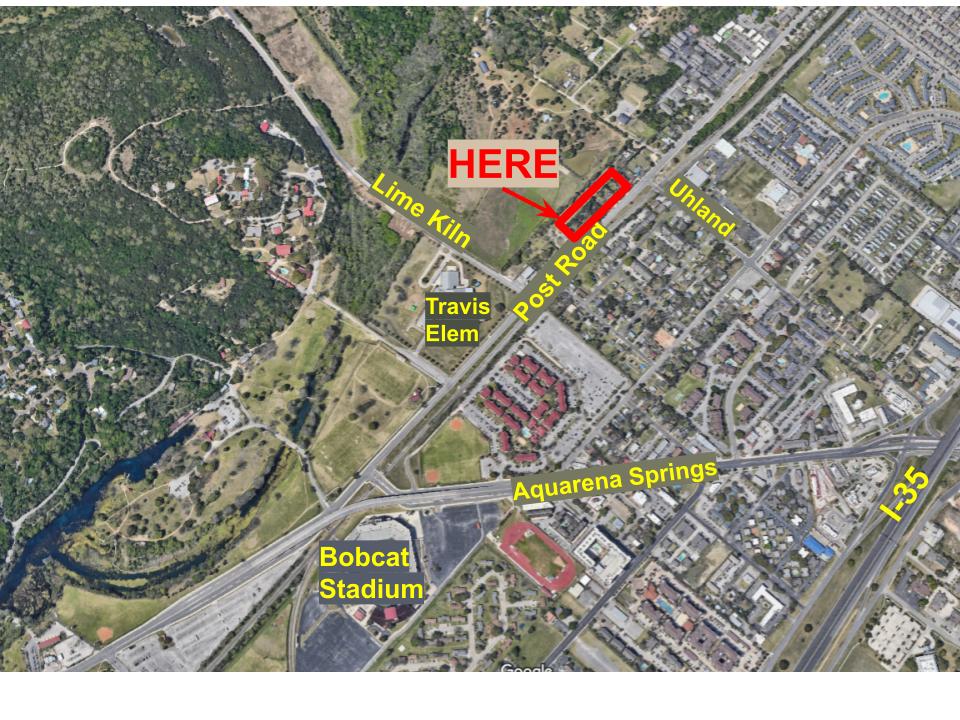





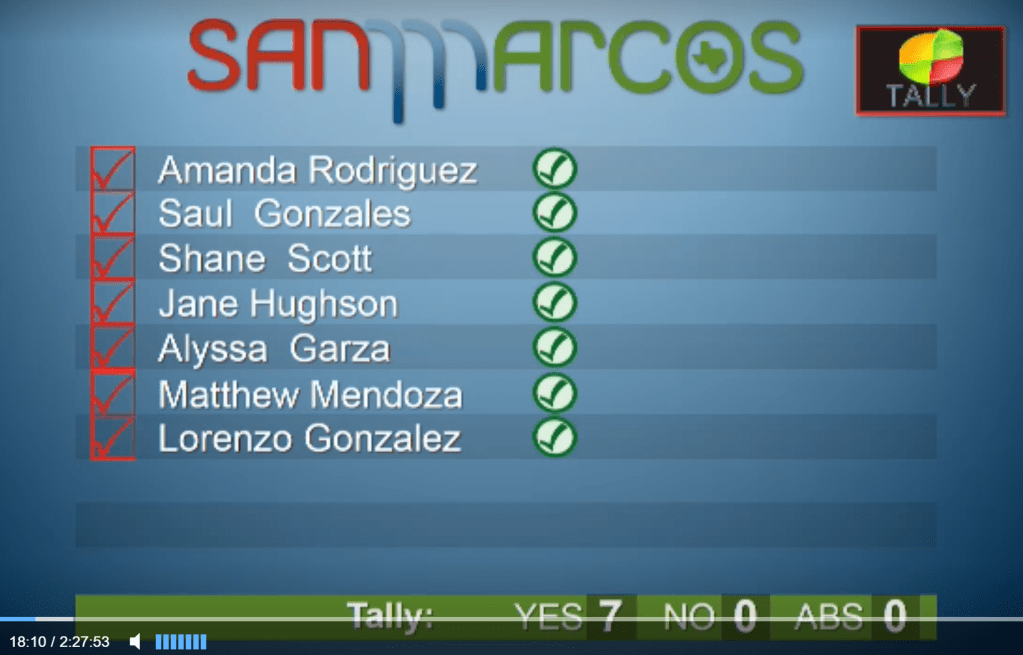


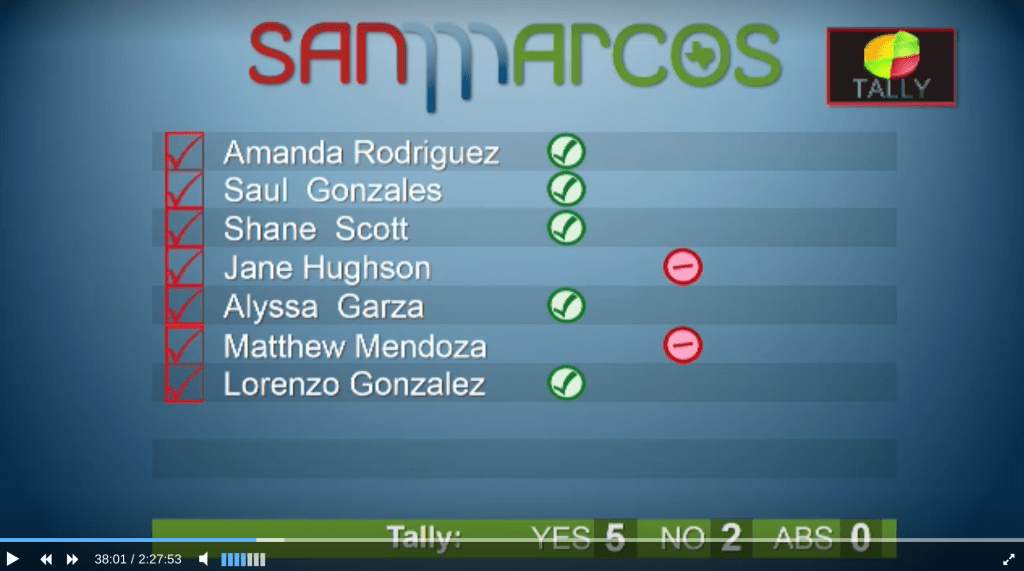

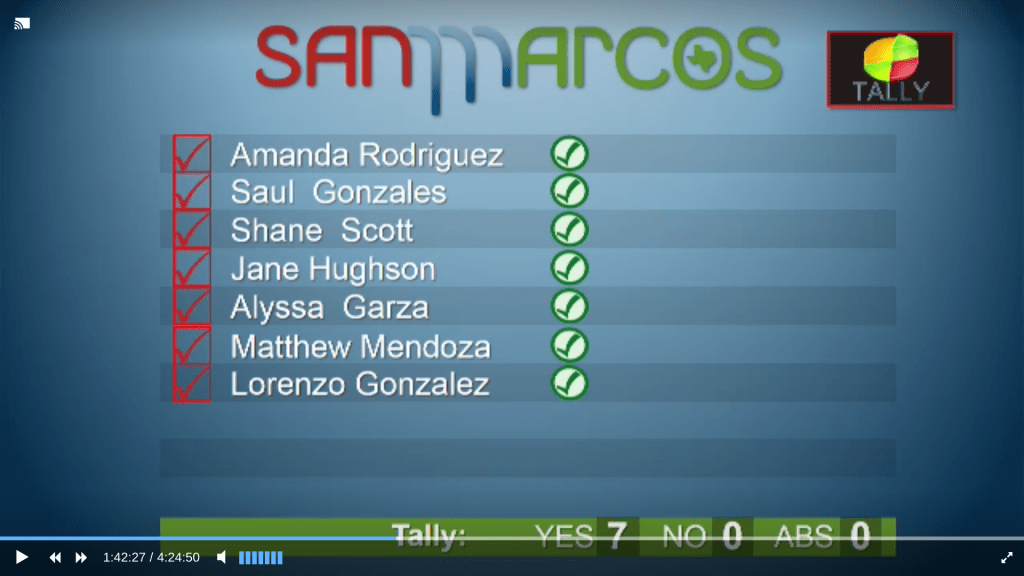

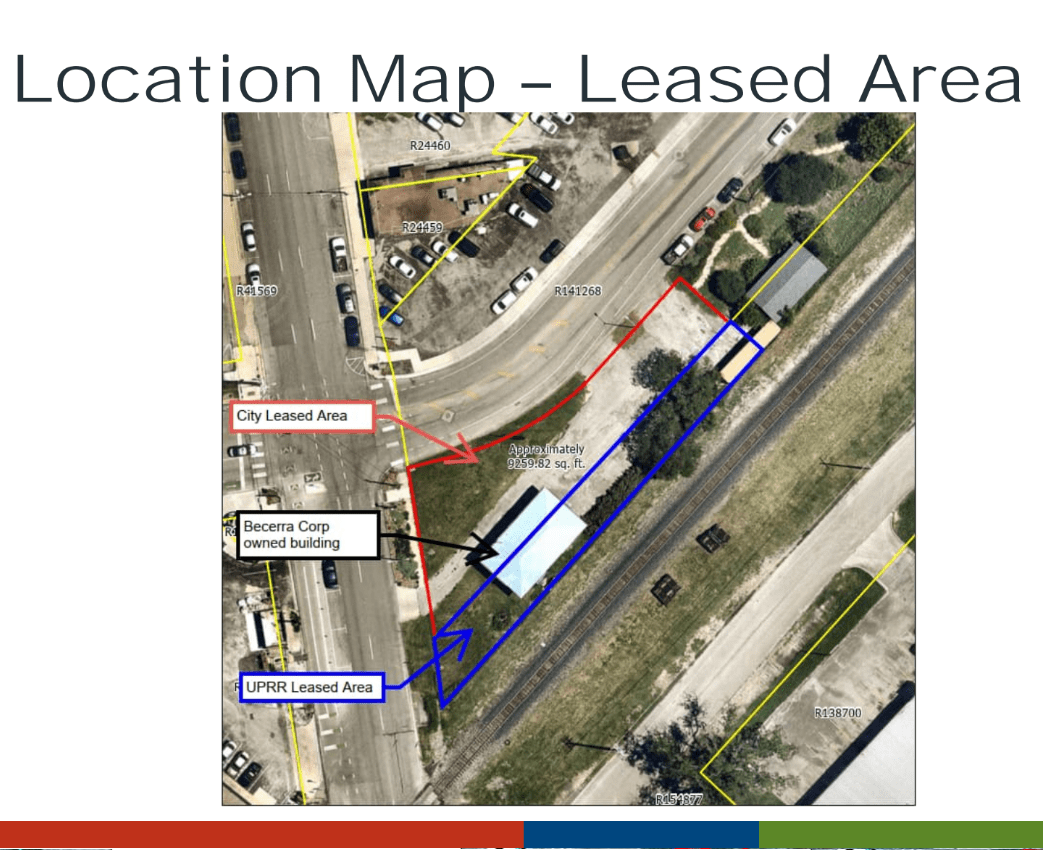
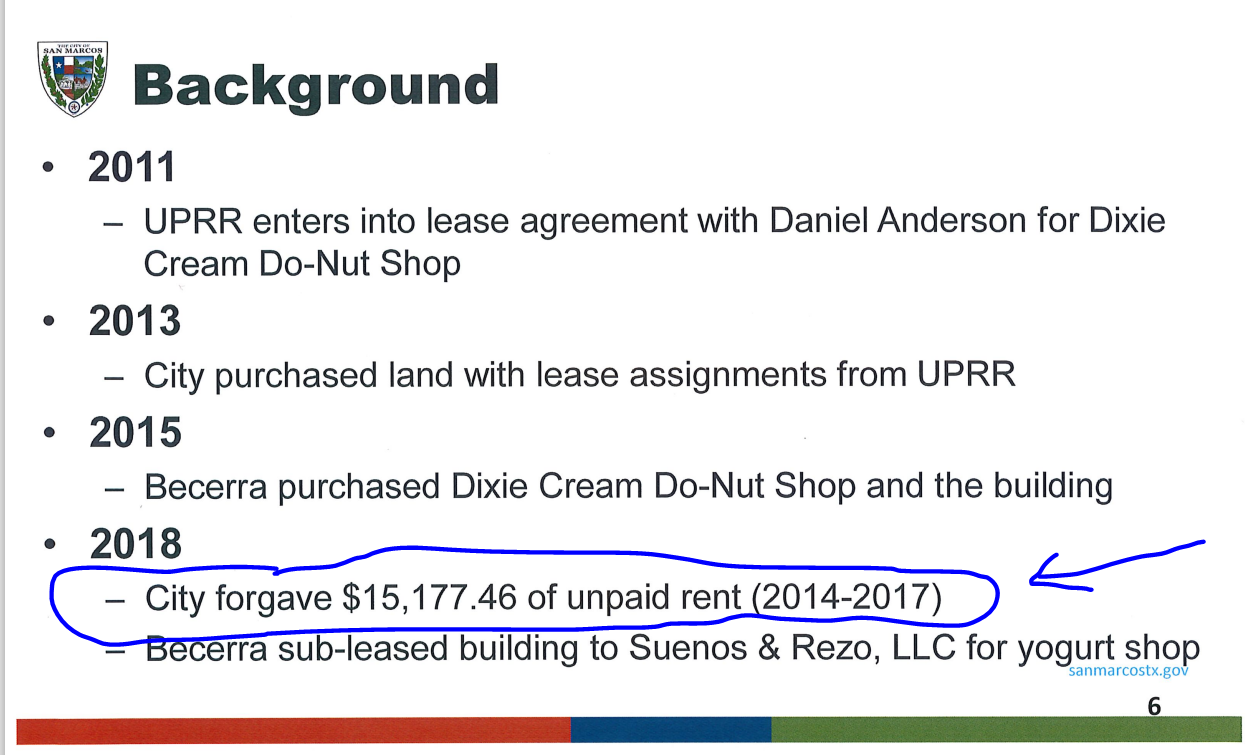

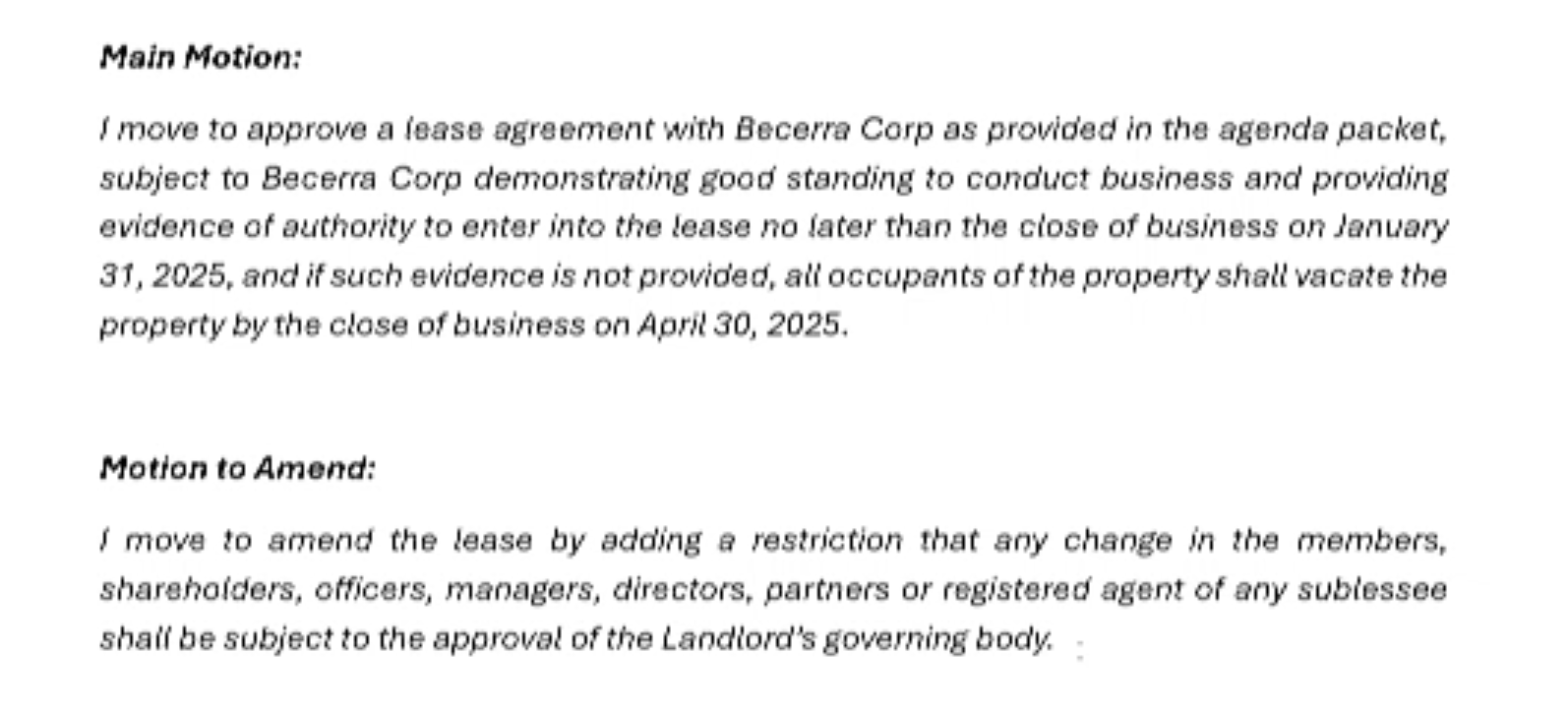


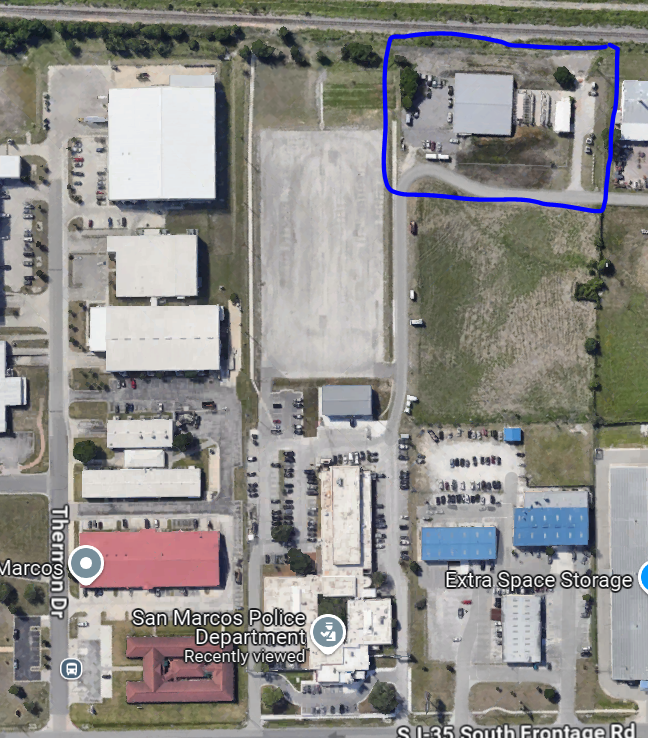



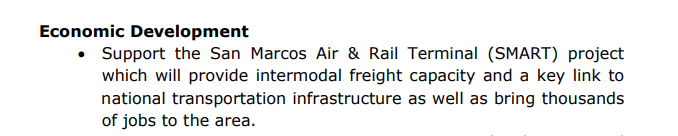
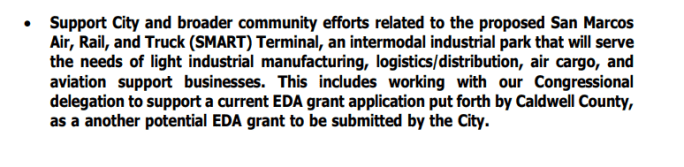









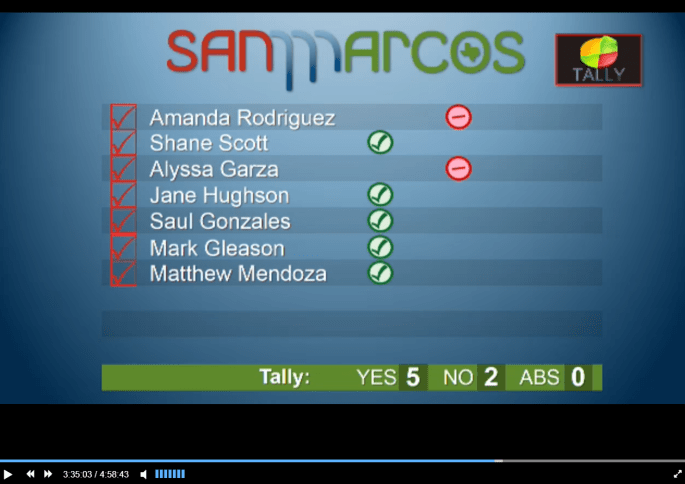


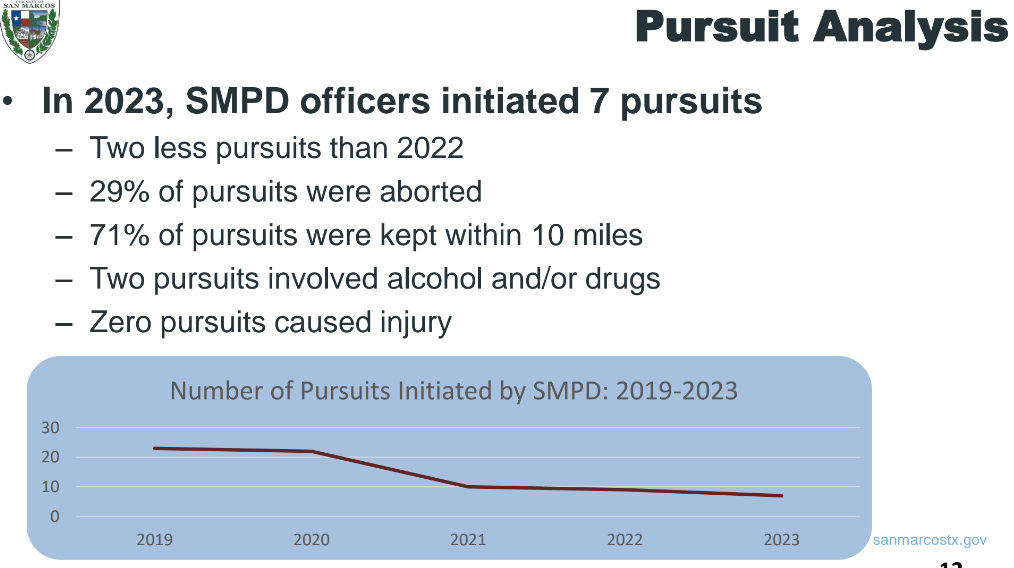








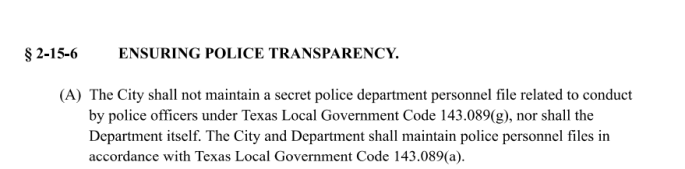

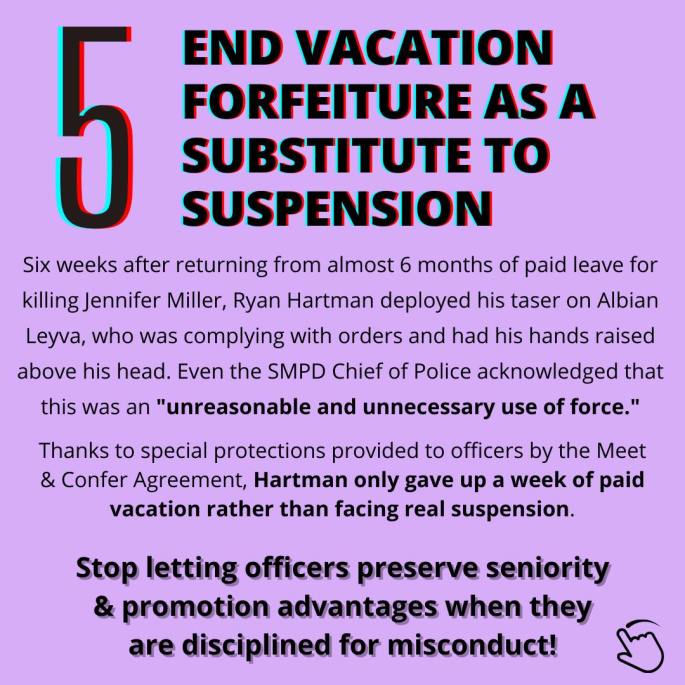



 The San Marxist