Hours 0:00 – 1:17, 10/21/25

Citizen Comment

Just six speakers altogether. Main points made:

  • Four in favor of the Tenants’ Right to Organize ordinance.
  • But not the landlords from the Austin Apartments Associations. They want us to carve out protections for property managers.
  • Other speakers, in response: Please do not protect property managers. That would create a loophole. [Note: we didn’t.]
  • We need managed growth.
  • Update on the EMS thing?
  • You all need to stand for the pledge.
  • Excited for new City Hall proposal
  • How about making the new City Hall environmentally sustainable? Like a One Water approach?

Pretty breezy and quick.

Item 2: Tenant’s Right to Organize

We’ve seen this here, here, and here. This is the final stretch!

Lorenzo: Can tenant organizers go uninvited into apartment complexes?
Answer: No, organizers are required to play by vampire rules. They must be invited in. 

Lorenzo: Can we fix that?

Amanda:  I don’t think we should fix that.  

Amanda’s argument goes like so:

  • I wish this ordinance had more teeth
  • But Texas is a heavily pre-emptive state. (Meaning Texas micromanages its cities.)
  • Therefore I strongly recommend that we stick with the language that has held up so far in court.

City Lawyer: It would be weird to meddle in this way.  Some apartment complexes let in Domino’s pizza to put out fliers, and others have gates.  Organizers are held to the same rules as Domino’s pizza, and it would be weird to carve out extra privileges for them.

City Staff:  Plus, tenant organizers are not helpless. They can mail postcards to residents and see if one of the residents invites them in.

So we end up not changing anything.

The vote on Tenant’s Right to Organize:
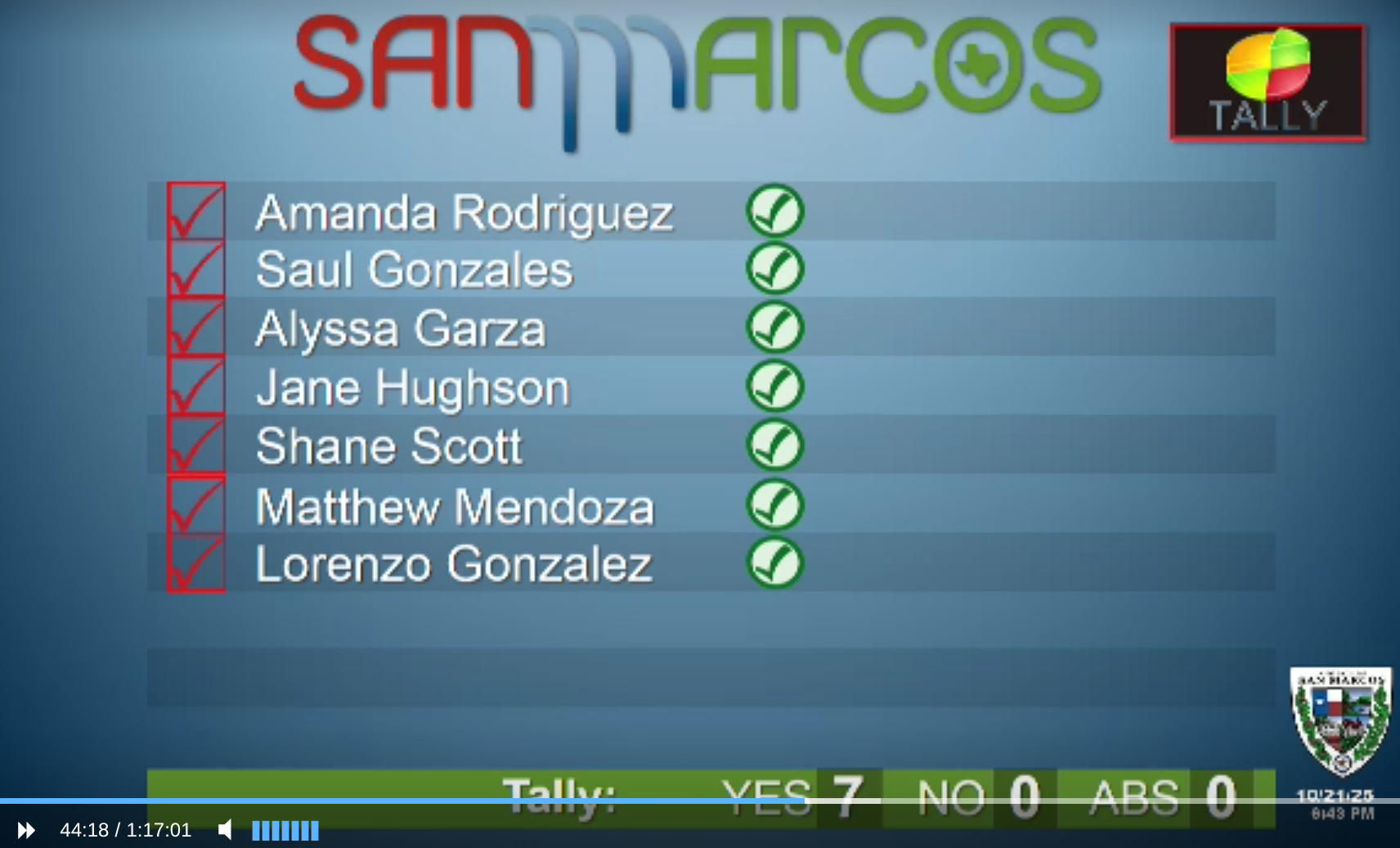
It’s official!

Really great work by all the community activists! And I’ll single out Max Baker for kudos – he was really  the most visible driving force here.

Educational fliers for sharing: in English and in Spanish. (Via Amanda Rodriguez on FB.)

Item 10: Sights & Sounds

Last year we didn’t see nor hear the Sights & Sounds of San Marcos.  

But this year it’s back, baby!

And we’re spending $100,000 on it.

  • Half of that comes from Hotel Occupancy Taxes, which are supposed to be spent on tourism.  So S&S is a good fit.
  • The other half is for the lights, which are kept up all month long.

Sounds great.

Pro-tip: if you’ve got a kid who wants to win a hot chocolate, they might want to find out what year S&S was founded, how many light bulbs there are, and what most popular food is. It’s all very cute.

Item 17: ARWA

ARWA stands for Alliance Regional Water Authority. These are the folks trying to arrange water sources for us, for the next 50 years. It includes San Marcos, Kyle, Buda, and also Canyon Region Water Authority.

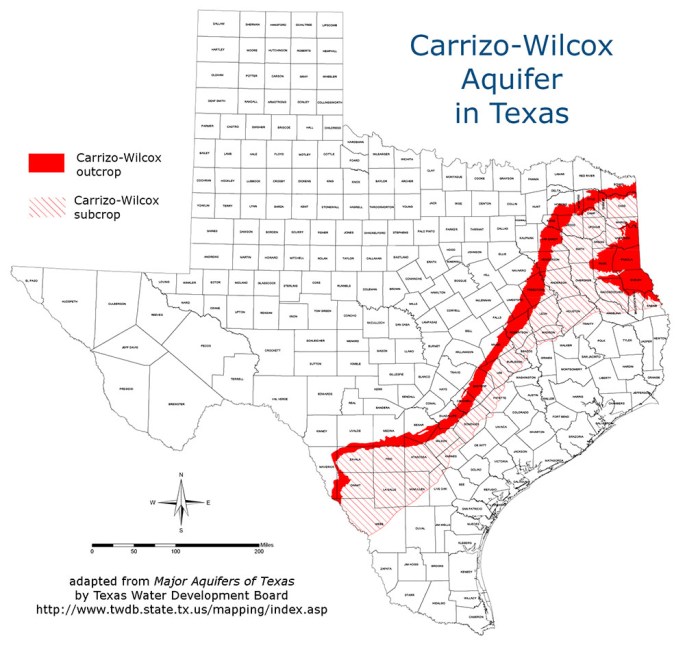
This started back in 2007, and it was a longterm plan to get water from the Carrizo-Wilcox aquifer. It came online this summer! So this is great. Almost 20 years of longterm planning!

Currently we are dealing with this:
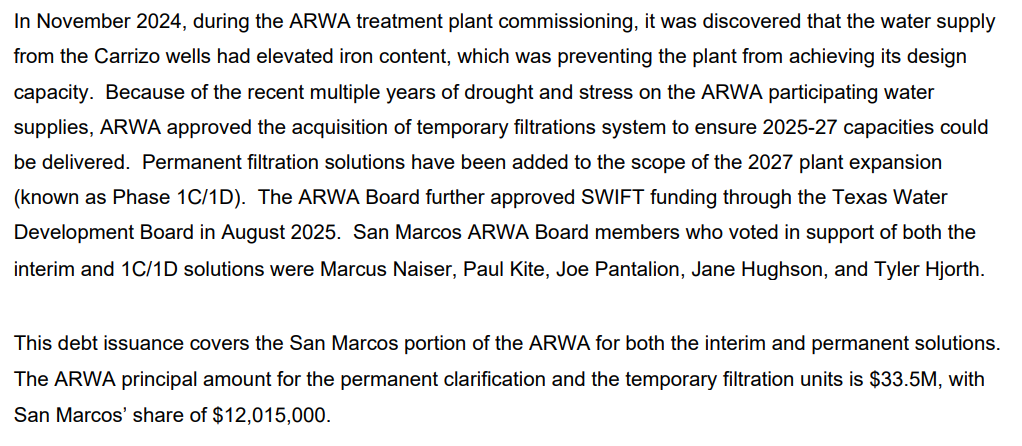
That’s all I know!

(I do worry that “stress on the ARWA participating water supplies” refers to things like Kyle Bass trying to pump 16 billion gallons of water out of Carrizo-Wilcox.)

Item 18: New City Hall

Look, this is a super short meeting. This is the last item. So I had a little fun with it. Be prepared for an enormous number of photos.

Whaddya gonna do, go read some other local marxist city council blog?

Background:

Here’s the current City Hall location:

and here’s what it looks like:
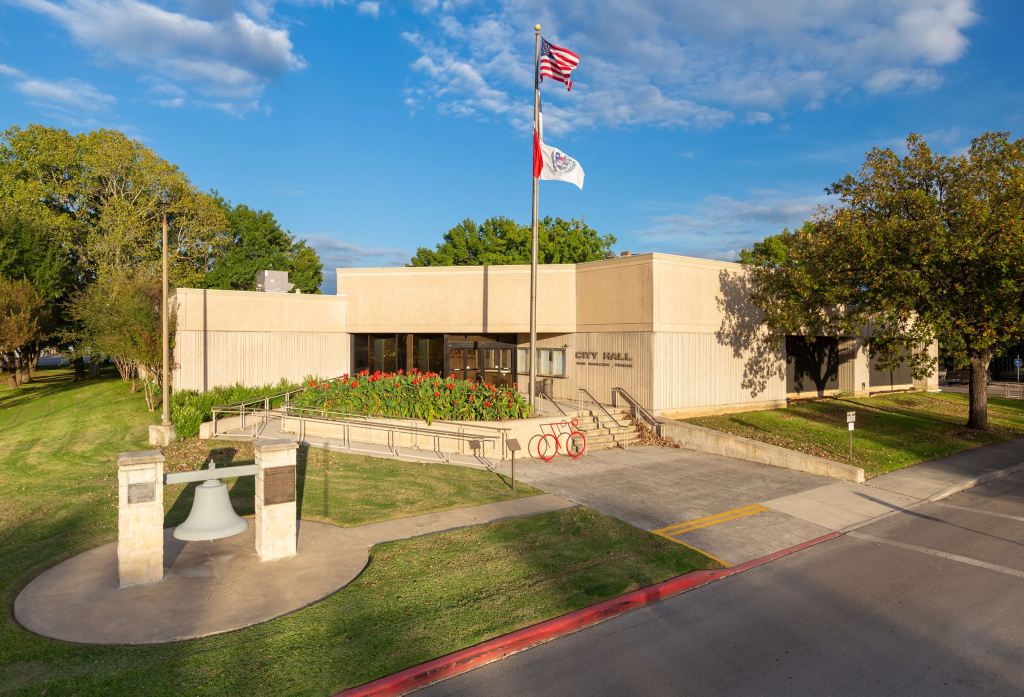
via

It was built in the early 1970s, when San Marcos had 18K people. So cute! Little baby San Marcos. Now we have about 70K people.

Apparently in the past year, they’ve had to evacuate multiple times due to gas and water problems. And whenever something big comes up at Council, community members don’t fit in the chambers. People spill out into the lobby and listen from there.

So the old building has run its course. We’re looking to build a new one.

How is the Texas State Lege going to meddle?

The state won’t let cities borrow money to build city halls without voter approval. This makes everything complicated.

My pet conspiracy theory: this was done to deliberately manipulate cities into the loving arms of local private developers. This is called a Public-Private-Partnership, or P3.

So here we are, being driven.

The options:

Last April, Council was given the choice of Option A or Option B.

Option A:
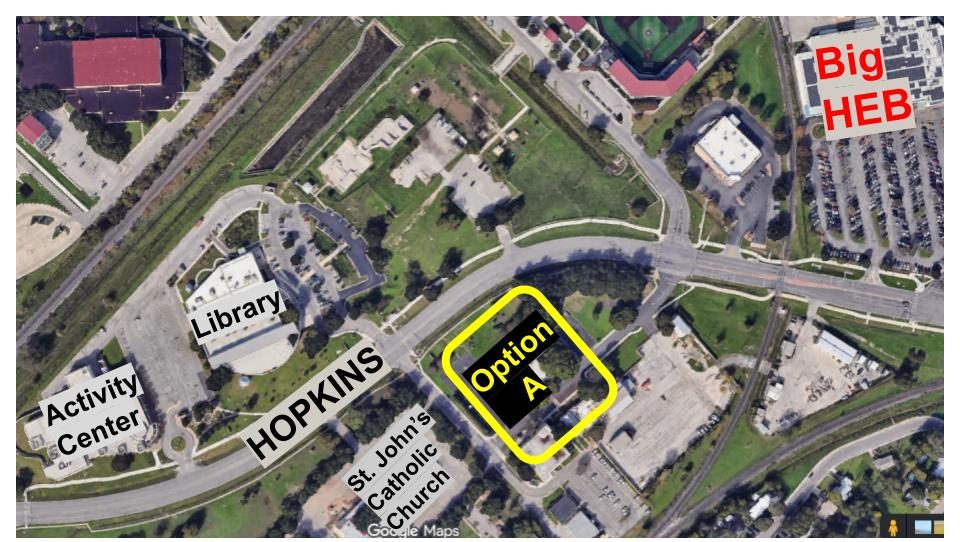
In other words, keep it in the current location. They’d tear down the existing site and rebuild. Council would have to relocate during construction.

Option B:

ie move across the street, onto park land.

Option B was super unpopular! A lot of community members showed up to argue against it, because of this:

Both of these are heavily used and very popular!

City Council decided that they could keep the skate park where it is. They would just squeeze City Hall in immediately right up against the skate park, looming like a big shadowy Gotham City Headquarters over your rebel anarchist skater good time. (But the dog park would be relocated.)

In the end, Council went with Option B.

My $0.02: This is a terrible option and they got it wrong! Don’t use up your park land!

Now, what if there was a Plan C?

Intriguing! Over the summer, an unsolicited option came in.

Here’s the new proposal:
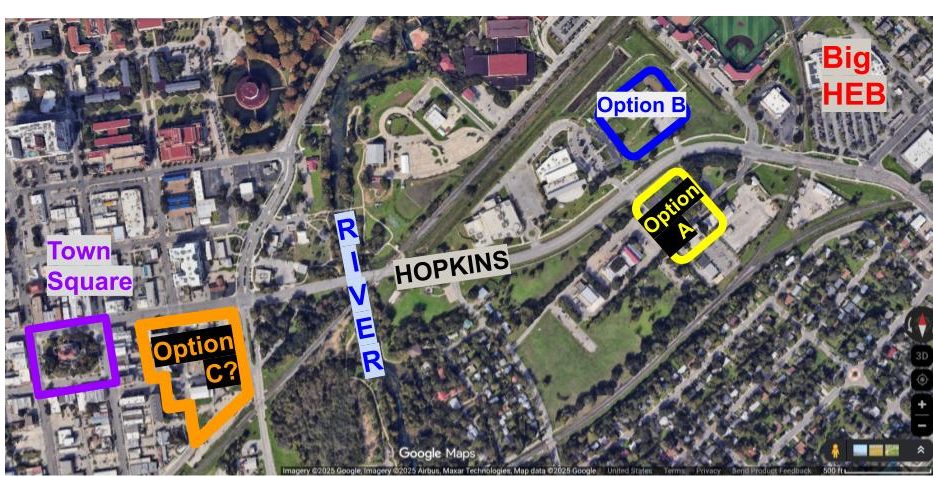
I love this location! There’s nothing particularly sentimental or historical there.

Let’s check it out!

This is the Hopkins view.

Building 1 is this:
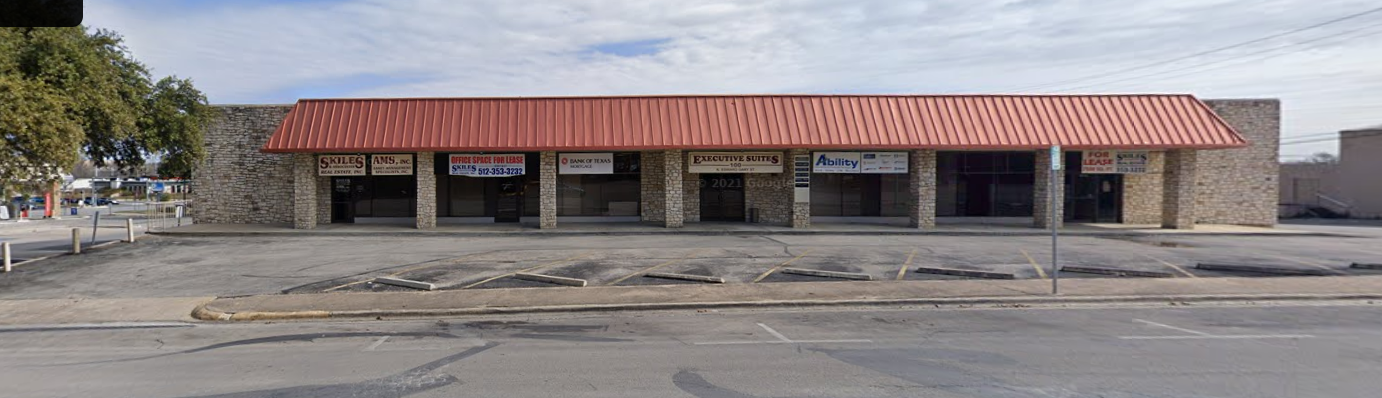
No strong feelings from me.

Building 2 is this:

This is a cute old building! It’s been empty forever. It used to be an Ace Hardware store.

Before that, apparently it was originally Moore’s Grocery Company Building and then King Feed Co:
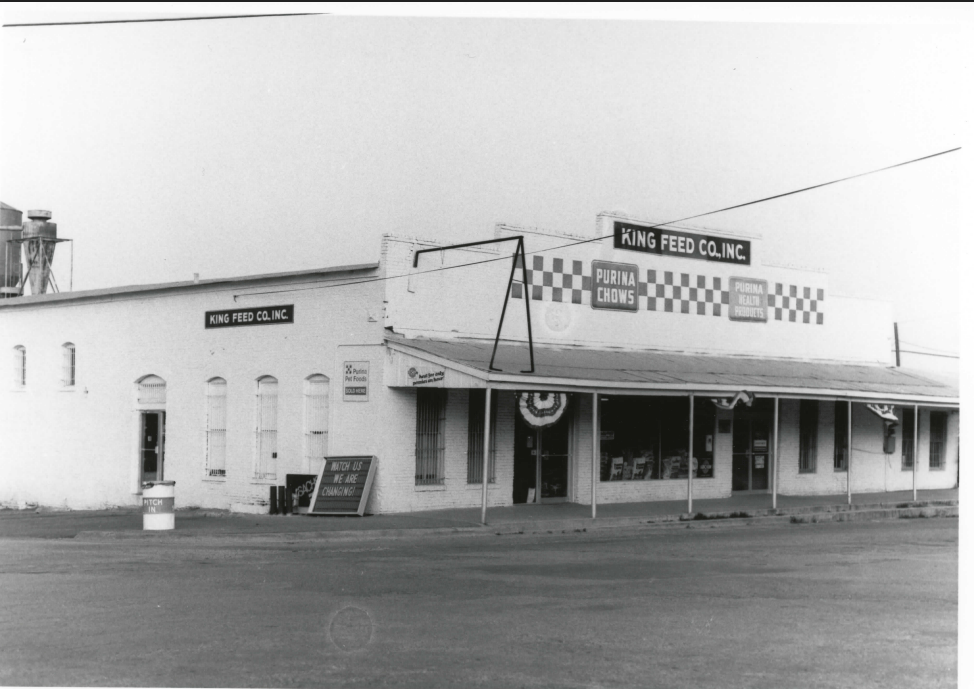
It’s cute! But it’s been empty for a long time.

Number 3 is an empty lot. It used to be a Mr. Gatti’s Pizza:

and then it briefly became this:

ie a fever dream of a diner, painted all black with neon flowers. Did we collectively hallucinate this?!

Anyway. Then it was food trucks:
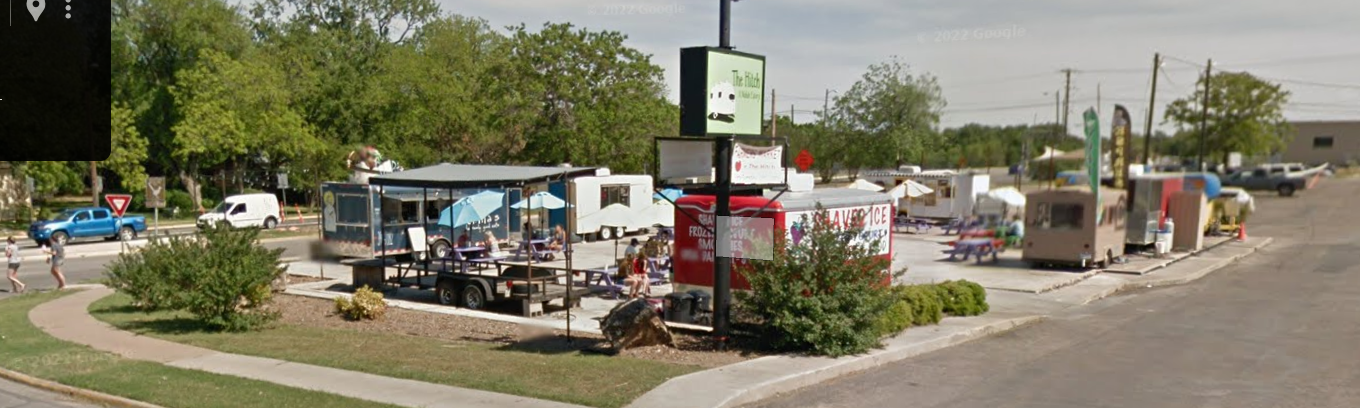
and since then it’s just been parking:

Number 4 used to be where we had Tuesday Farmer’s Markets.

Back then it looked like this:
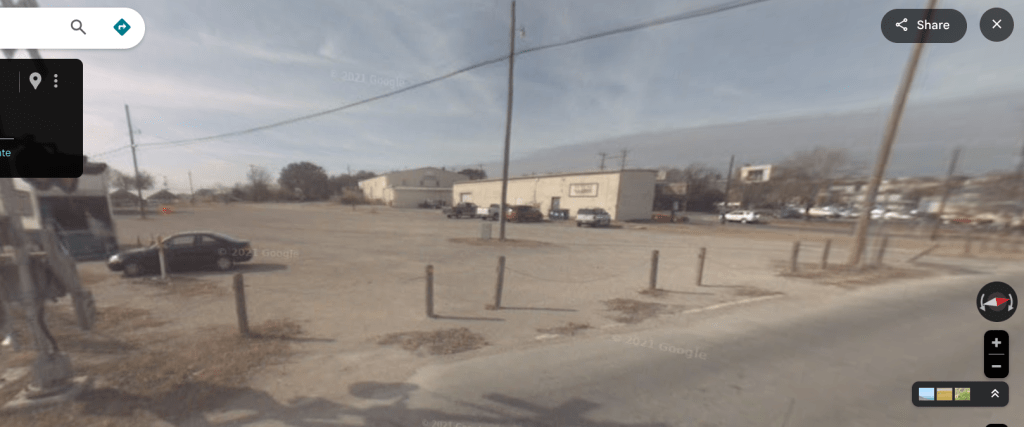
whereas now it looks like this:
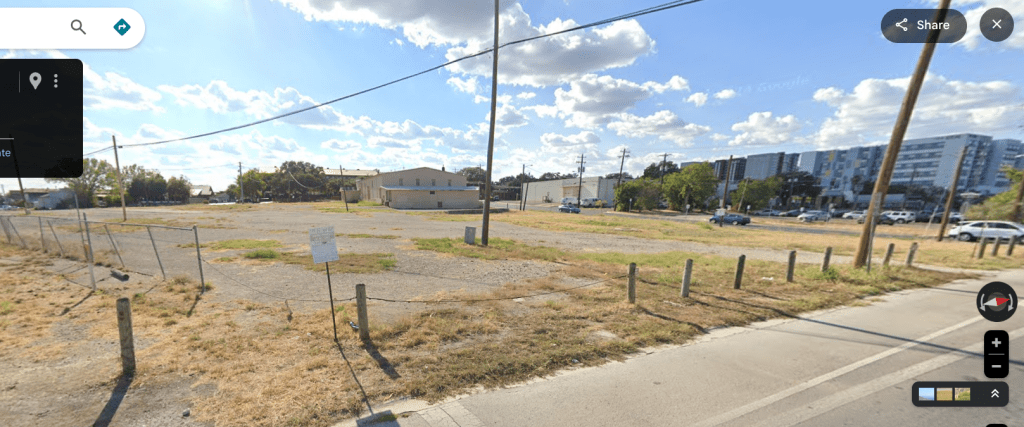
Progress!

Back to why this location is great! It would be a really healthy for downtown businesses if our city employees all worked nearby.

Until around 2011, the county employees used to work here:
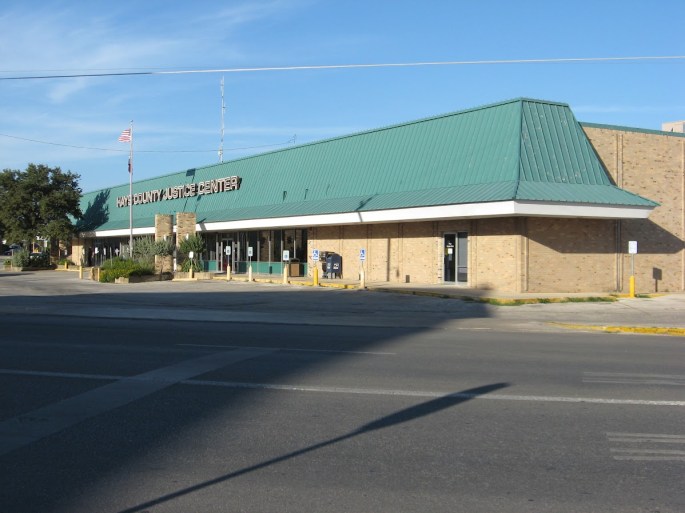
I liked to call it the Supermarket of Justice:
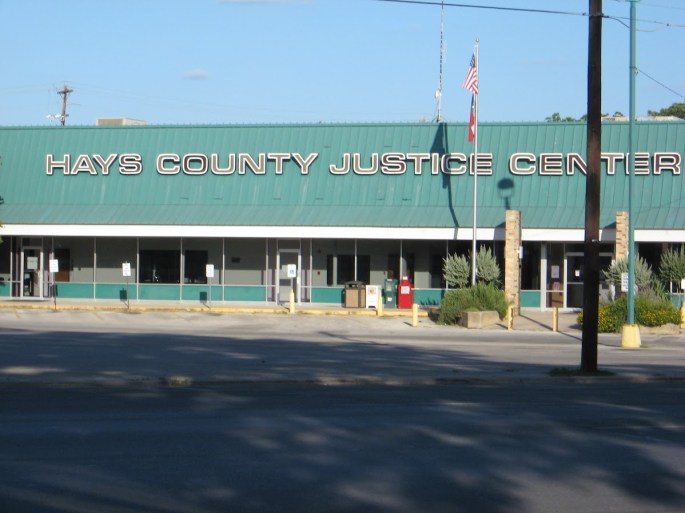
That is now where Industry etc are:

In 2011, Hays County built the new County Government building, out on Stagecoach.

All the county employees emptied out of the downtown business area. This was hard on the local downtown restaurants and stores – they no longer had a steady stream of pedestrian foot traffic during weekdays.

So moving City Hall downtown would replenish some of that.

This is all great!

….

What else?

The developers are local. They’re all graduates of either SMHS or Texas State, or both. That’s nice!

In 2020, they pitched an earlier idea to the city – a combination City Hall-hotel-workforce-housing. Jane Hughson says, “They wanted the hotel to face Hopkins and City Hall to go in the back, which was a nonstarter.”

What other projects do they have? Well, they have ideas. They have plans with Hays ISD to build some sort of workforce housing thing, and Lockhart ISD is looking at it, too. But there aren’t any lots or conceptual plans or signs of progress on their website.

As far as I can tell, they’ve never actually completed a project?

I think this is location is a great idea, though!

Two more bits that I want to note:

  1. We are paying them $767,970.00 for this conceptual plan. That is a hell of a lot of money for our broke government.

    Now, we’ve saved up about $12 million towards a new city hall, so that’s the source. It’s not displacing funding for something else. But it’s a lot.

2. They’re actually drawing up plans for this whole area:

Edited to add a corrected update: The map below is not the full scope of these developers. I got it wrong above! Sorry about that.

This map below is just showing the full scope of Plan A, Plan B, and Plan C, all together. The Plan C developers are strictly drawing up plans for the downtown piece. – TSM

WHAT IS GOING ON. Why is the Lion’s Club, and the stage area, the Veteran’s Memorial, the Activity Center, the library, the skate park, and the dog park all included??!

Why would these (probably very nice) bozos have any say in what happens to ANY of those public facilities? They do not have any experience in that. What the hell.

What does Council say?

First off, they’re only asking questions about this part:

and not the extended map above, that went through the parks and old City Hall.

Q: What about impervious cover?
A: It’s already all impervious cover. It can only get better.

Matthew: The old hardware store is historic, and I’m worried about the elevation drop.
A: Architects can handle the elevation drop.

Q: What would happen to the alleys?
A: We don’t know yet. Maybe some kind of open air space.

Alyssa: I’m having deja vu of their old proposal.
A: The 2020 proposal was much smaller.
Jane: Plus they had the hotel out front and the city hall in back. No.

Saul: I like it! But I need to see how much it costs.

Jane: Love a hometown developer!

The vote: Should we spend $768K on this conceptual plan?
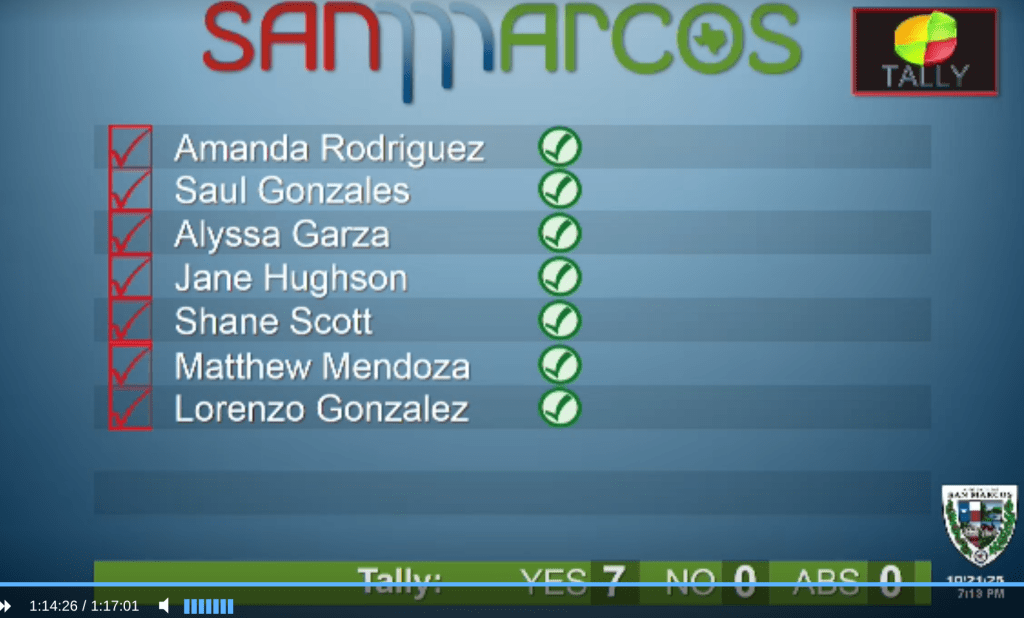
I probably would have voted yes, because the location is great. I’m just wary because these guys seem inexperienced.

Final notes:

Somehow, this City Hall project is going to go off the rails. Really. Not because of this Plan C option, but because the math on this next slide does not make any sense.

This is from back in April:
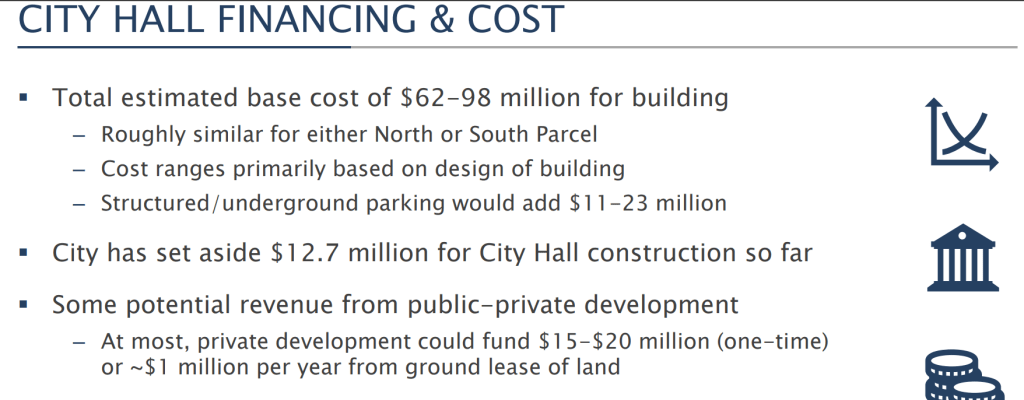
Let me see if I’m following: we’ve saved up $12.7 million. We think we can get $15-20 million more from private developers. That adds up to ~$30 million.

But the whole project is supposed to cost $62-98 million! Where is this magical extra money going to come from?

These are the only options I see:

  • Voters will have to vote to approve a bond to borrow the rest.
  • This project ends up being about half as big as they’re hoping.
  • This project takes 25 years to complete
  • We end up selling our souls to find an extra $50 million from private businesses

In some way or another, reality is going to reassert itself.

Bonus-bonus! Second 3 pm workshop, 1/21/25

Workshop #2: San Marcos Water Supply.

(I love this one so much.)

Where do we get our water from?  

Until 2000, San Marcos exclusively got Edwards Aquifer water. Then we signed on to get some surface water from Canyon Lake, and in the mid 2000s, we joined ARWA water.  (More on ARWA in a moment.)

“MGD” means a million gallons of water per day.

What is ARWA?

ARWA is kind of crazy.  Basically, in 2006,  San Marcos, Kyle, Buda, and the Canyon Regional Water Authority got together and tried to figure out a longterm plan. They formed ARWA, the Alliance Regional Water Authority.

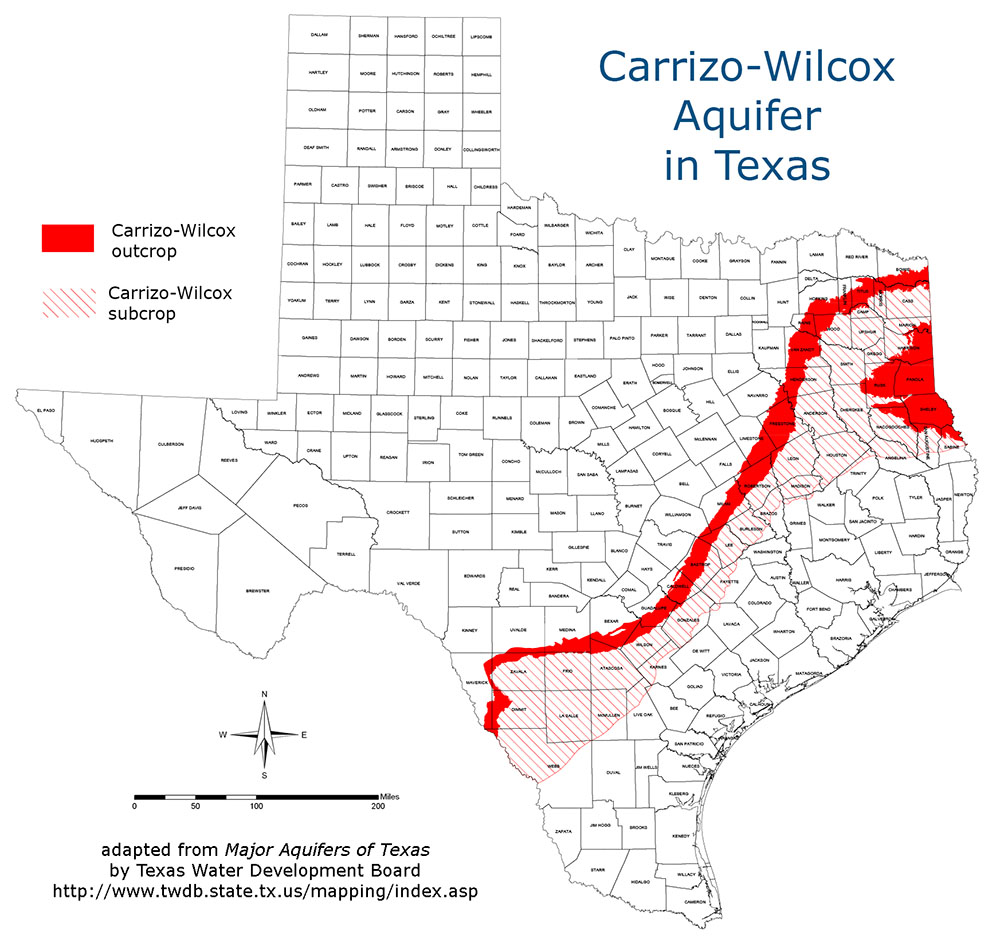
They decided to connect to the Carrizo-Wilcox Aquifer, which is over here:

The crazy part is that this started in 2006, and they knew they wouldn’t be delivering water until 2023.  This was a very longterm plan! That is really good foresight by the councils that agreed to this.

There was all sorts of infrastructure that had to be built. I think this is the whole project:

So we’re getting all the water from the green oval on the far right. Then it has to be treated, at the blue dot, so that it’s drinkable. All those red lines are pipe that had to be laid down, and it gets run out to Lockhart, Buda, Kyle, San Marcos, and New Braunfels. That’s why it took so long.

But now it’s here! This is great!

….

So we’ve got all this water – Edwards, Canyon, and now ARWA.  Is it enough? 

It depends! How many people are trying to use this water?

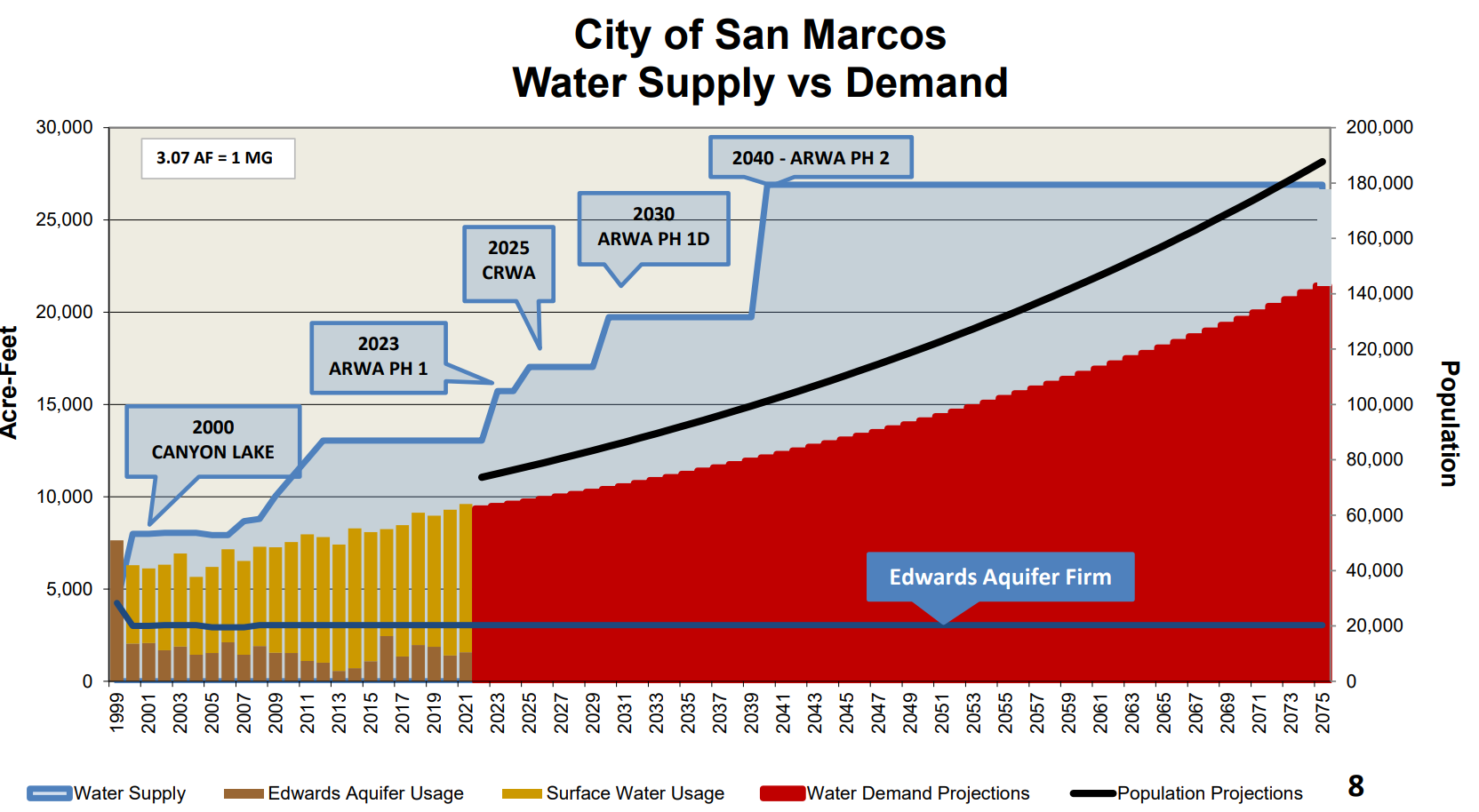
This is the population projection, based on 2017 data:

In other words, the black line is the projected population, and the red part is how much water we’d need. So in 2055, we’re expecting to have 140K people and need about 16K acre-feet of water each day. (An acre-foot means take an acre of land, and fill it with water that is 1 foot deep.)

Here’s the water supply, according to when each of those sources kicked in:

So this looks great! So in 2055, when we need 16K acre-feet of water, and we’ll have access to about 27K acre-feet of water. Through 2075, we’ve always got more water than we need.

This is great!

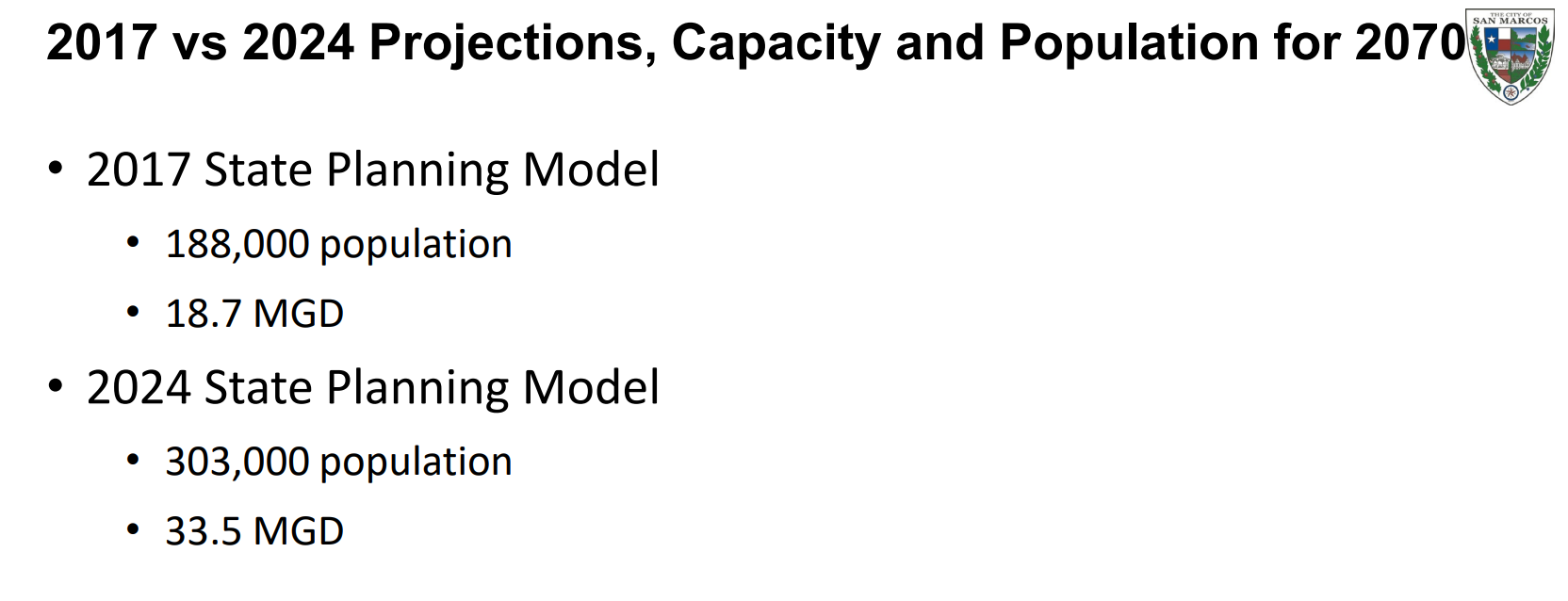
But then…. we had to update our projections.  Between 2017 and 2024, this region grew even more than expected. So we had to ramp up our projections, accordingly:

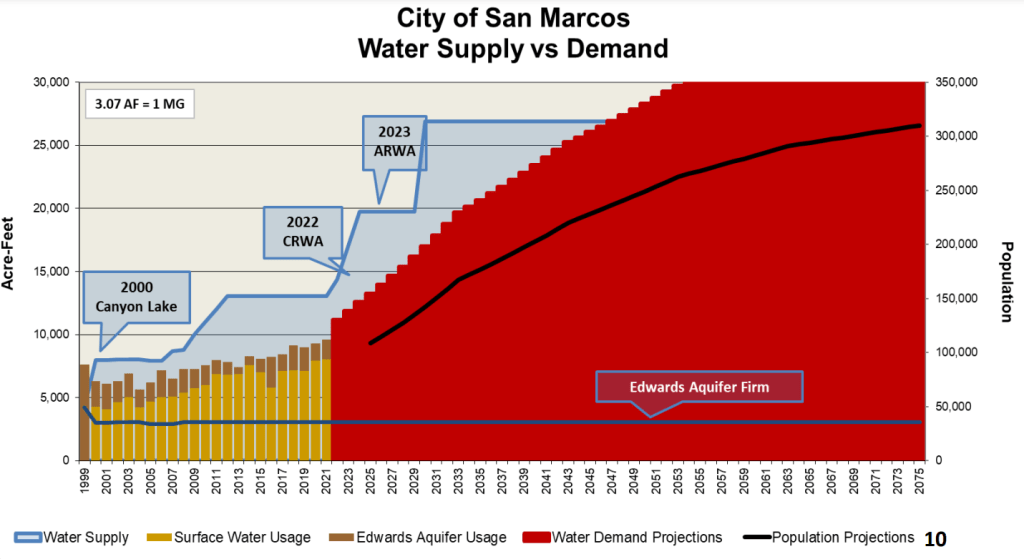
So if we’ve got the same amount of water planned, but a ton more people, the graph now looks like this:

Whoops. Now we are scheduled to run short on water in 2047.

So what do we do?

The good news is that we’ve got plenty of planning time, and we’re putting it to good use. There are basically two ways to address this:

  1. Find more water
  2. Use less water

We’re going to do both.

First, more water:

Apparently Buda and Kyle are even shorter on water than we are. Everyone is interested in collaborating and shoring up supplies.  An ARWA Phase 3? Maybe a different source?

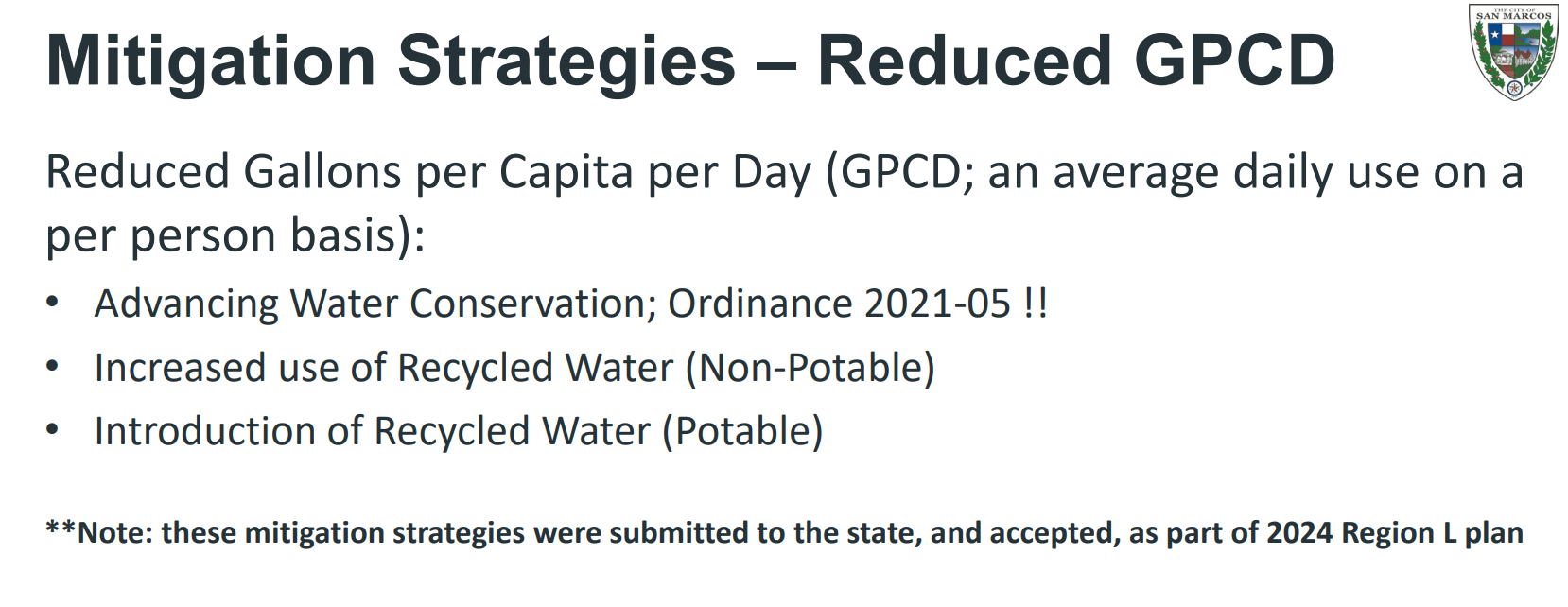
Second, reduce water usage:

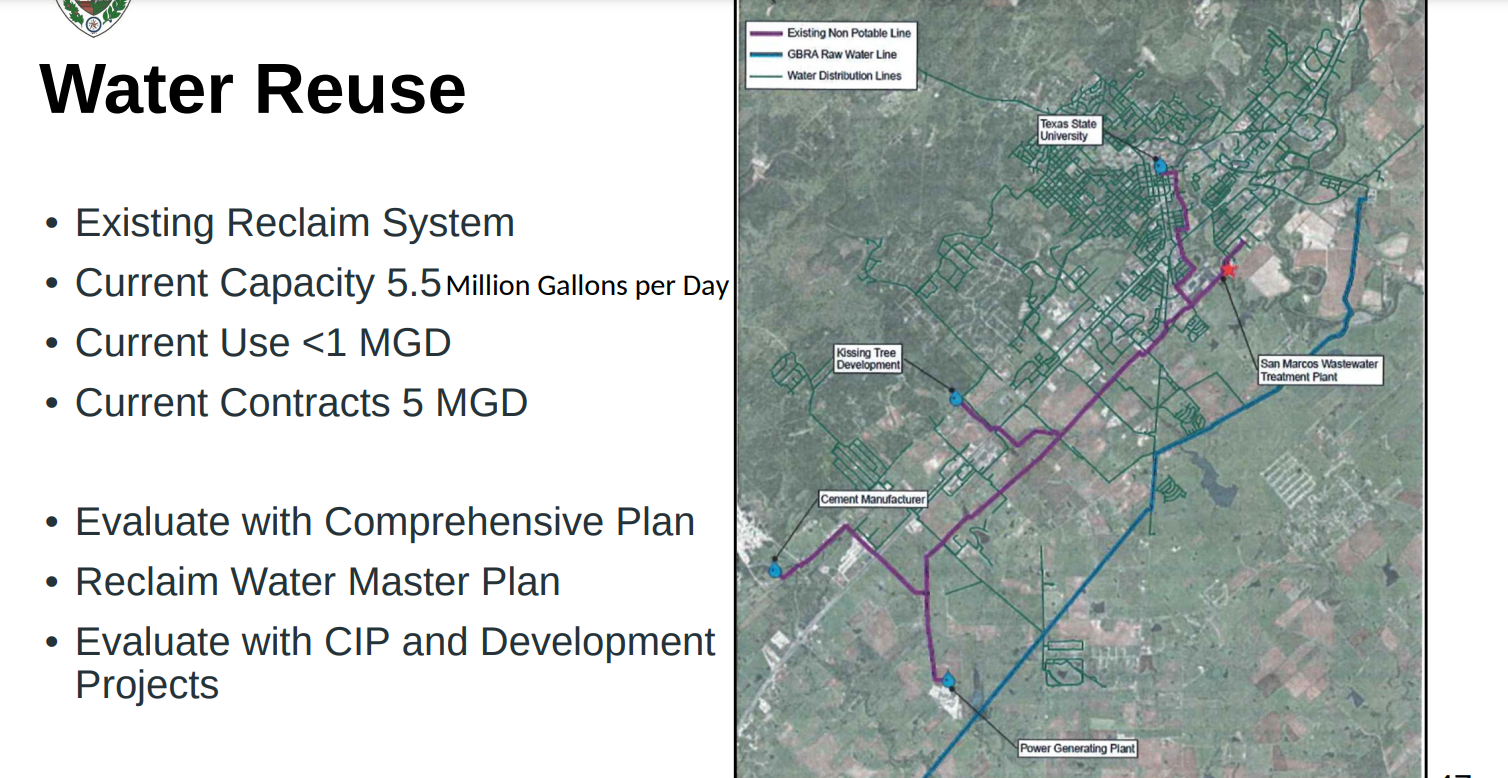
The second two bullet points are huge: reclaiming used water. We’ve already got some reclaimed water already:

(That slide is from a 2022 presentation, here.) All that purple is where we can send reclaimed water to. We currently have about 5.5 million gallons per day of reclaimed water.

The problem is that it’s not drinkable. So you can use it to water the golf course at Kissing Tree (which they do!) but you can’t send it to people’s houses.

The holy grail will be when we can get reclaimed water clean enough to drink. Then we can really ramp up our water re-use.

(I read once that one of the grand failures of midcentury America was not double-piping all the houses, so that we weren’t mixing our toilet water with our sink water.  Then we wouldn’t be watering our lawns with drinking water, and we wouldn’t be trying to clean and re-use toilet water.)  

Here’s what we think we can get to:

Notice that the water supply hasn’t changed. But the red part – our water use – is smaller. The red part dips down again around 2050 because we think we’ll be able to get the reclaimed water clean enough to drink by then.

What does Council say?

Amanda asks if we have a problem with water leakage from pipes?
Answer: We’re actually pretty good on this. It happens, but we’ve got one of the lowest rates in the state.

Amanda: Can we get a graph of the top ten biggest water users?
Answer: Yes! We don’t have it on hand, but we’ll email it to you.

(I love this question. Amanda said she’ll send the graph over when she gets it, but she hasn’t gotten it yet.)

Amanda: Do we still do rebates for rain barrels?
Answer: Yes! Details here.

The City Manager Stephanie Reyes also mentions this: San Marcos water rates are a little higher than those around us, but it’s because of all this advance planning. We are in a much more secure longterm position that most others.

Hours 1:24 – 2:05, 10/15/24

Item 13: Remember that time we didn’t have any commerce on the east side?

Will anybody save us from this food desert??

OH YEAH! It’s all very exciting. 

Back in May, Council approved a call for bids, saying “hey Grocery stores! We’ll work with you on tax breaks if you hit up the east side!”  HEB was listening loud and clear, and reached out to us in August.

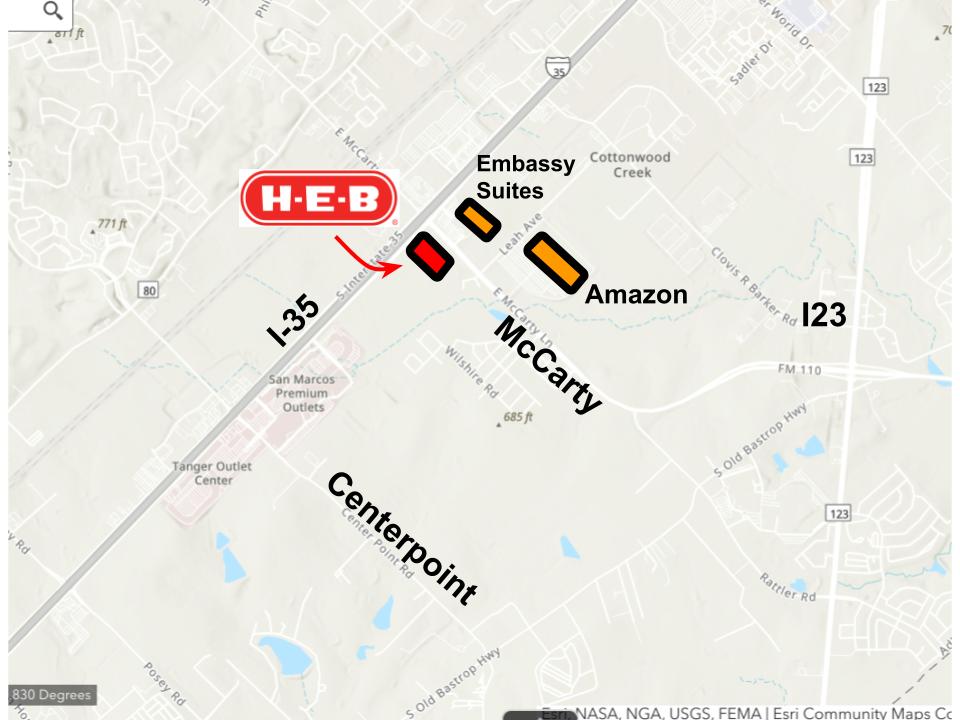
Here’s where it will be: 

So right next to Embassy Suites, on NB I-35. 

They’ve owned this land for a long time, but HEB likes to do that: purchase potential land and then just chill with it for awhile. 

It’s a pretty ideal location: Between McCarty and I-35, you can zip pretty much all over the place. 

(This would be a great time to connect the two Leah Drives! Which are disconnected for reasons that are still murky to me:

Idk!)

So what are the terms?

Those rebates are pretty much exactly what Council proposed last May.

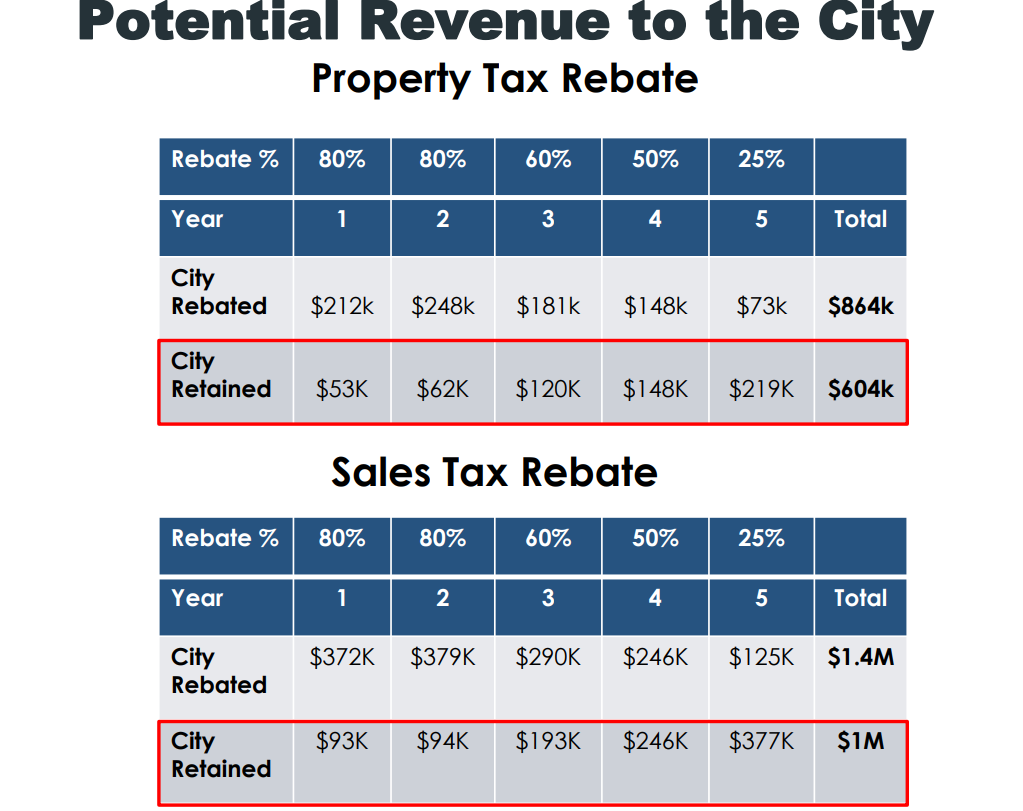
What kind of dollar amounts are we talking about?

I’m mildly skeptical about these sales tax numbers. Or rather, it’s not all new tax revenue to the city. Some of that money would have been spent at the existing Big and Little HEBs, and is just being diverted to the 3rd HEB. Now, a lot of folks on the east side currently drive down to HEB in New Braunfels, and so that will bring in new tax dollars if they switch to this new store. But not everyone!

What about jobs and such?

Ok, but what kind of pay and benefits? When we negotiated with Buccee’s, the company specified that they will pay $18/hour and get full benefits.

As far as I can tell, we entirely skipped this part of the negotiation. HEB will have to abide by the 2016 San Marcos law requiring companies to pay $15/hour, in exchange for tax breaks.   Does this mean that all HEB stores have to pay at least $15 an hour?

I believe HEB is pretty good to their employees, but this is poor work by Council and staff. We should always be negotiating on behalf of employees.

Sidebar: When we passed the 2016 (partial) minimum wage law, we did not include automatic inflation adjustments, the way we do for other contracts. If we had, $15/hour in 2016 would have automatically risen to $19.96 in 2024.

Hey council: Let’s update the 2016 ordinance and include automatic inflation adjustments! Like we do for so many things?

Back to HEB. What did Council say?   Mostly everyone gave a victory lap of thank yous. 

Mark Gleason added: “To other grocery stores, our economic incentive offer still stands! The east side can have more than just one grocery store!”  That’s great to hear.

Also: Mark is hearing from the community that lots of people are worried that Little HEB will close. During the meeting, councilmembers say “It’s great that they’ll keep Little HEB open” but I can’t find this actually written down anywhere. It would be good to have that in writing.

So here are my questions:

  • Would all HEB employees get the $15/hour as required by local ordinance, even at the existing stores?
  • Language about elevated minimum wage and benefits should always automatically be in these agreements.
  • Is it in writing that Little HEB will stay open for a certain number of years? 
  • Will Council please update the 2016 ordinance to peg the minimum wage to inflation???
  • Can we ask HEB about purchasing that little triangle of land next to Purgatory Creek?

The vote: 6-0.  Everyone hams it up in really cheesy ways: “Absolutely yes!” “Finally…yes!”  Fist pump. Etc.

Item 14: Alliance Regional Water Authority (ARWA)

ARWA is our big plan to shore up our water supply for the next 50 years. We originally signed onto it in 2008.  Instead of getting our water from Canyon Lake and the Edwards Aquifer, we’re piping it in from the Carrizo-Wilcox Aquifer. 

(image via)

It’s just about time to start drinking that sweet, sweet Carrizo-Wilcox water! 

These are slides from the packet, but no one actually gave a presentation on it.

so I’m just winging it here.

Tonight is about extending a bond for the next part of the project.  Everyone celebrated it, but I’m not sure what the special significance was. 

Item 16: Renaming downtown alleys

A couple years ago, Council dipped its toe in the exciting world of naming downtown alleys.  First up was Kissing Alley, in 2017.  It came with a whole revitalization effort – Kissing Alley concerts, etc.  It’s been great!

Next up came Boyhood Alley, to commemorate the movie Boyhood, which has an iconic scene shot there. This council conversation was kinda hilarious, because some councilmembers thought it sounded like Pervert Alley.

In order to dilute the pervy-sounding Boyhood Alley, Jane proposed that the rest of the unnamed alleys to be named after other movies. 

So the Convention and Visitor Bureau Advisory Board and the Main Street Advisory Board took up the charge. Tonight they’re back with their recommendations:

Four of the alleys have names already used:

That’s kinda cute about the dog.

A few others have informal names:

  • Music Alley
  • Imagine Alley
  • Railroad Alley

The committee is proposing two new ones:

  1. Getaway Alley, because some scenes from The Getaway were filmed near there:

Steve McQueen! Ali McGraw! Haven’t seen it, but it seems like a fun romp.

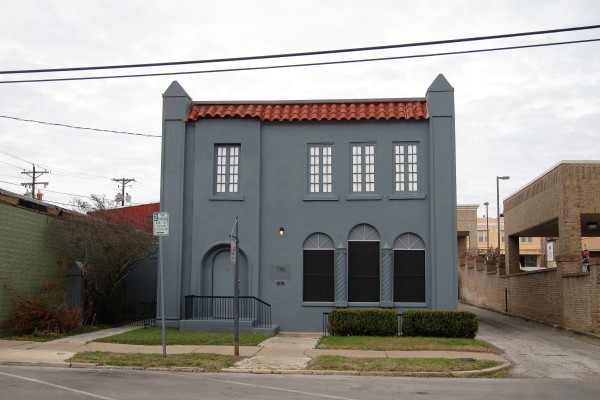
2. Telephone Alley, after the old Telephone building that got torn down in 2019:

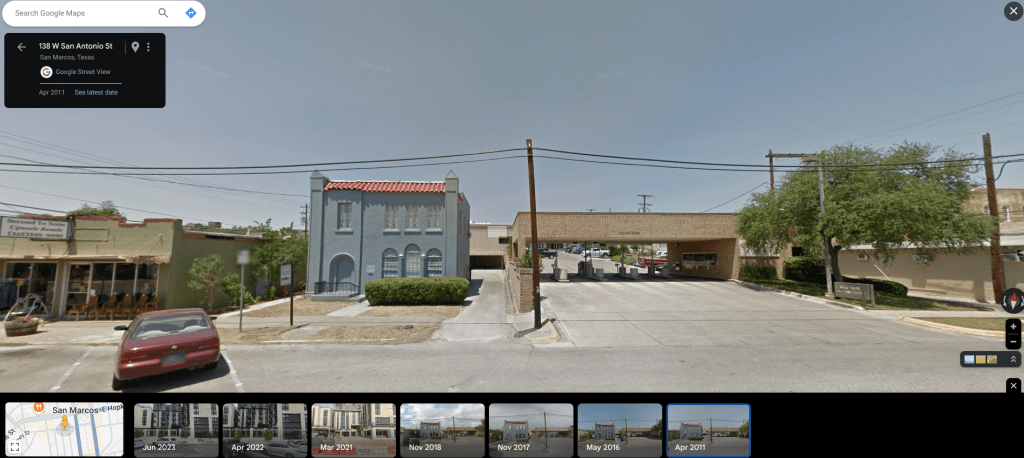
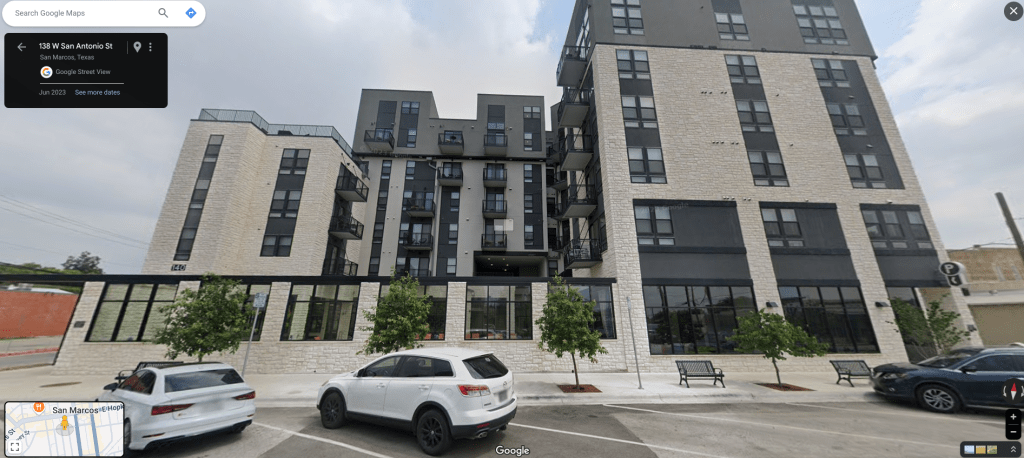
Isn’t that a very cute building? I was bummed that it got torn down. (Photo from here.) It was demolished to make room for The Parlor apartments.

That’s on San Antonio. Here’s a before and after, according to Google Maps:

I’m not actually opposed to the apartments, but I wish we could have spared the cute Telephone building.

… 

There are still more alleys without names. Jane wants to pair up the rest of the unnamed alleys with old movies, but other councilmembers want to roll it out more slowly – maybe Main Street can pick one or two per year, and figure out a good name for it. Sounds like that’s how it will go.

Hours 3:19-4:07, 9/19/23

Rally the troops. We’ve got to keep going. This meeting is just so densely packed with important information.

Next up:

Item 19: VISION SMTX.  

We’ve talked about Vision SMTX a lot.  It’s the new comprehensive plan. (What is a comprehensive plan? It’s the vague, conceptual plan for how we want San Marcos to grow over the next 30 years.) 

Quick background:
There was a 30 member citizen committee that met with a consultant over two years and came up with a plan. Then P&Z looked at it and said “fuck no!” Mayor Hughson and three P&Z members rewrote large parts of it, and that’s basically what’s before council now.

It now comes up three times before council:
– This current meeting: informational, with public comment
– First vote on October 17th, where the public can give feedback again
– Final vote on November 6th , (with no public comment)

Comments from the community:

  • we should tax businesses instead of giving them tax breaks
  • “Low Intensity” shouldn’t allow for heavy industrial. (In other words, SMART Terminal should never have been taken up for consideration out in a bunch of cow fields.)

Some philosophical ramblings

The comp plan does not end single-family zoning. San Marcos is not wading into that debate. But it’s simmering in the background.

The problem with single family zoning is that it’s very sparse. That means you’re building a lot of roads and utility pipes and lines, and increasing coverage of fire and police, without covering many people. That’s all very expensive to maintain over time. Single family zoning does not bring in enough money to pay for itself. If you live in a house, you are subsidized by apartments and businesses. In most cities, 70% of the land is zoned single-family.
Why has our city budget swollen to $315 million dollars? Because San Marcos has to run services Whisper Tract up north, Trace down south, La Cima out west, and Riverbend Ranch out east. All sprawl.

On top of that, we pretend there are only two ways to live:
1. sprawling single family neighborhoods, or
2. gigantic apartment complexes.

That’s it! Only two choices! Sorry! But that’s just super not true. The idea is to allow slow, incremental change, where now and then you can put a small four-plex on a single lot. It still feels like a neighborhood, but there’s housing for people who don’t need 3+ bedrooms in a house.

(In fact, it would feel like the goddamn Historic District, which was built before single family zoning was a thing, and now weeps piteously about it’s own demise any time you try to discuss any other neighborhood in the city.)

Then you can spread the tax burden across more units per acre, without driving up costs for the city. This actually reduces taxes!

Listen, council just spent THREE HOURS talking about the budget. The community seems to care a LOT about property taxes.

You want to know why the city struggles to balance it’s budget? Single family zoning.  You want to know why traffic keeps getting worse? Single family zoning.  You know who benefits from single family zoning? Anyone who got their house early or who can afford to pay a lot.  Fuck everyone else. 

If you want taxes to go down, you’ve got to spread the costs of government over more people, without creating more work for the city.  In other words: less sparse. More dense.

  • Allow people to rent rooms in their houses to others. (End occupancy restrictions!)
  • Allow people to build ADUs in their backyards
  • Allow 2, 3 and 4-plexes throughout any neighborhood. 

And my personal beef with single family zoning: stop segregating by wealth. It’s toxic and destructive. We are all part of the same community. 

I agree with Max about taxing businesses. But you also need more people to share the tax burden.

End of philosophical rant. Back to Vision SMTX.

Dr. Rosie Ray is probably the smartest person in town on this stuff. She spoke about Vision SMTX, back at the beginning of the meeting, but I saved it till now. She’s advocating for two small tweaks:

  1. City planners have a concept of a 15 minute city.

Here’s what wikipedia says about it:

The 15-minute city (FMC or 15mC)[1][2][3][4][5][6] is an urban planning concept in which most daily necessities and services, such as work, shopping, education, healthcare, and leisure can be easily reached by a 15-minute walk or bike ride from any point in the city.[7] This approach aims to reduce car dependency, promote healthy and sustainable living, and improve wellbeing and quality of life for city dwellers.[8][9]

But the P&Z/Jane Hughson subcommittee put the phrase “or vehicles” into the definition for San Marcos. In other words “15-minute walk, bike ride, or car ride”. You can understand how that makes the whole “reduce car dependency” thing totally worthless, yes/yes?

So Dr. Ray (diplomatically) suggests we use the actual definition that the rest of the world uses. She’s much friendlier about it than I am.

2. P&Z/Jane Hughson created something called “Neighborhood Low – Existing” in the Preferred Scenario Map. The idea here was to freeze all existing neighborhoods in carbon, like Hans Solo, and prevent any of that gentle densification like ADUs, townhomes, or four-plexes that I talked about earlier. So they said that all existing neighborhoods are single family.

The problem – which Dr. Ray points out – is that a lot of current neighborhoods are not strictly single family. She herself lives in a condo! So they’ve made a lot of existing neighborhoods out-of-conformance with being existing neighborhoods. If you don’t allow multiplexes – that are already there! – from being part of existing neighborhoods, then the people who live in them will have much more trouble making changes to their property. Dr. Ray asks that they restore the multi-plex housing type to existing neighborhoods.

These are the least possible asks. Dr. Ray is wise and I’ll just go with banging the drum in support of her asks. 

There’s not much discussion, because the night is so blisteringly long already. Just one important comment, from Mayor Jane Hughson, regarding the P&Z/Jane rewrite:

“Everybody keeps saying that we watered down the plan, when me and P&Z got together and rewrote it.  For the longest time, I didn’t know what they meant. Watered down? What did we water down?

“Then I realized what they meant! They didn’t like the word swap of objectives to considerations! That’s all! So I’m going to go through and change it back!”

NO. No. Jesus, Jane, that is not at all what we’re saying.  How on earth did you get that impression? Dr. Ray literally said:

  • Remove the word “vehicle” in the definition of 15-minute City
  • Allow townhomes and other existing multiplexes in the definition of Neighborhood Low – Existing.

Those are actual meaningful changes. This is not a case of “What a wacky misunderstanding! We meant the same thing all along.”

One final note: No city council member made a peep about either of Dr. Ray’s suggestions. There are still two more opportunities, but I have a bad feeling about this.

Item 22:  Kyle is running out of water.  Specifically, they’ve used up all their Edward’s Aquifer alottment.  They want to buy our unused Edward’s Aquifer water from us. This also happened last year!

Recall that during citizen comment, most people said, “Yes, give Kyle the water, because they’re our neighbors. But for the love of god, attach some strings to it! They shouldn’t waste their water and then just dip into ours!” 

Here’s how the city presentation goes:

1. Kyle will take the water either way.  They will either pay someone else, or they will default on their contract, but the water is going to be used, for sure. So the aquifer will be depleted by the same amount, regardless of our decision

2. Kyle uses different water conservation stages than we do. So yes, they just entered Stage 3, but that’s pretty similar to our Stage 4.

3. As part of this deal, they have to match San Marcos water conservation efforts.

4. We stand to make $344K off this deal-io.

So first: are Kyle’s water restrictions similar to ours? It’s surprisingly hard to tell.

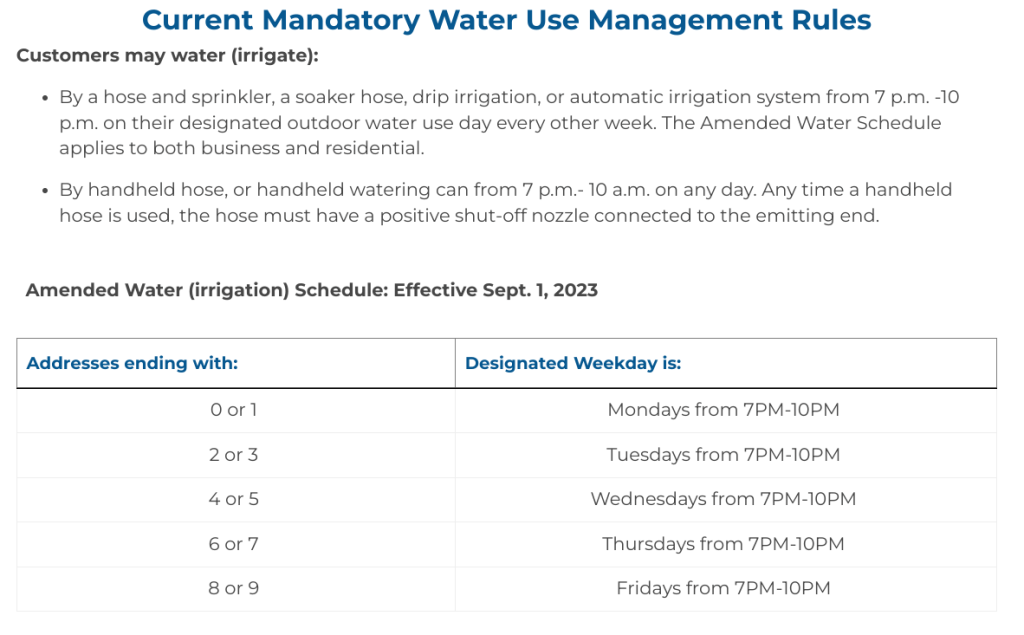
Ours has a handy graphic with all our stages: 

We’re Stage 4.

Their website has their current stage, but not all the stages:

But they only entered this stage last week. Before that, they were Stage 2, and I can only find all their stages in this cumbersome, unreadable thing.

So has Kyle been irresponsible with their water usage? It depends. It could be that they’ve been watering golf courses all summer, while Rome burns. It could be Tesla or other new businesses. It could be that they’ve approved a bunch of housing developments without thinking about the water issues.

And yes: approving too many housing developments or signing unsustainable development agreements with Tesla would be totally irresponsible. But it’s the kind of irresponsible that Texas does unconsciously. We don’t think through the ramifications of sprawl or corporate resource abuse very well. Like, at all.

Jude Prather speaks up on behalf of the public speakers: What about the next year? Can we put something in there about conservation in the future, so that they don’t need to borrow more water next year?

Answer: Kyle is just waiting for ARWA water to show up! Then this won’t be an issue!

The Kyle representative clarifies: Actually, ARWA water won’t show up to the west side of town until December 2025! Those are the folks that need this water.

But Jude does the thing that Council always does:
– Asks about an issue that is a real problem
– Gets told “yes, it is a problem”
– Does nothing. Ta-da!

Yes, Kyle will have to use our water next year. Whatever they did this year was not enough, and they’ll do the same exact thing next year. The new water will not be here in time. La la la la la.

The vote: It passes 7-0.