So much quieter than it’s been. Only seven speakers! Only twenty minutes long!
Here are the topics:
Four speakers: You should have voted for the Gaza ceasefire resolution!
Two speakers: No on the ceasefire! Also we support SMPD and public safety!
One speaker (Rob Roark, of KZSM fame): The Charter Review Commission worked hard and has some good recommendations. Hear them out!
….
Item 1: Homeless population PiT Count
“PiT” stands for Point in Time. Nationwide, everyone picks one day in January where everyone tries to get a physical headcount of how many people are homeless on that one specific day. This is how you get funding from HUD.
We did our PiT count on January 23rd this year. This is the report on it.
….
What counts as unhoused, according to HUD?
What doesn’t?
It’s not a perfect measure!
But it’s not worthless, either.
Here’s how the numbers have shaken out over the past five years:
The blue is a subset of the orange. Those are people who appear to be homeless, but we weren’t able to talk with them.
The vast majority of homeless people of Hays County are in San Marcos:
This is partially because the Hays County Women’s Shelter, Southside Shelter, and emergency hotel housing programs are all located here. But also partially because we’re just a much poorer, more precarious community than the rest of Hays County.
What does Council think?
The speaker makes a plea: can you help us get the county to work on its emergency response plan? For example, during the freeze, their plan was “Send everyone to Southside.”
They decide to send the issue to the Homelessness Committee to think about harder.
…
Item 2: Charter Review Commission
Every four years, we take a fine-tooth comb to the city charter, and look for improvements. Council appointed a commission of residents, back in January. They met weekly all spring, and returned back with a list of recommendations.
Council takes these recommendations, and either rejects them, accepts them, or puts them on the ballot.
Today is just the rough draft. Basically, they’re weeding out anything that they hate. Anything that Council likes will come back in formal, legal language, and then they can argue about the details.
There are 15 total proposed amendments:
Better pronoun use
Notifications on social media
Mayor gets 4 year terms
Tweaking the number of yearly council meetings
Cap on councilmembers zooming in to meetings
Approving council meetings minutes on time
Buying hard copies of city code, grammar tweaks
Auditing anyone who gets public funds
Financial disclosures for referendums and initiatives
More time to file referendum petitions
More time to verify citizen petitions
Change P&Z residency requirement
Review the comprehensive plan a little less often
State budgets using plain, clear language
Tweak some headings
Study single-member districts and launch education and conversation, but don’t take any major action right now.
Warning: This item takes about 2.5 hours to wade through. I’ll do my best to keep it snappy.
Let’s dive in.
Everyone is fine with this.
Everyone like this, too.
This is the first contentious one. This is about election turnout. Presidential elections have the biggest voter turnout. Midterm elections are the next-biggest. The odd years are called off-year elections, and they have the lowest turnouts.
For example, the committee chair read out the mayor vote total for the past four years:
2021: there were 3,800 votes for mayor (off-year)
2022: there were 17,000 for mayor (Midterm election)
2023: there were 3,900 votes (off-year)
2024: there were 23,000 votes (Presidential election)
So the key is those extra 10-20K voters who only show up for big elections: do you think they will vote for your candidate? If so, then you want to align elections to land on presidential years. If not, then you like elections to land on off-years.
The Charter Review Commission is arguing that we should switch to 4 year terms, aligned with Presidential elections. Here are their reasons:
It’s very expensive to run for mayor. Lengthening the term may induce more people to decide it’s worth it.
Two year terms means you’re always campaigning. This may mean you’re overly beholden to your donors.
We should prioritize all voters, not just the well-connected ones.
Often times subcommittees take more than two years to get their work done, so a mayor can’t complete their campaign promises in one term.
What does Council think?
Jane goes first:
She likes 2 year terms. The mayor should have to earn the votes of the people often.
She proposes splitting the difference and going with 3 year terms.
It’s easier to run in odd years because there’s less competition for attention.
It’s cheaper to run in odd years.
The conversation kind of deteriorates. People keep making opposite assertions that directly contradict each other:
Off-year elections are cheap, because there’s less competition!
Off-year elections are expensive, because it’s harder to get donations!
Off-year elections are easier, because it’s quiet so you can get more engagement!
Big years are easier, because you can piggy-back on the extra opportunities and everyone is paying attention!
These things can all be true – it just depends which voters you’re talking about. If you try to get students to turn out, then you like the big years. If you rely on Old San Marcos and personal networks, then off-years are easier.
More contradictions:
People may not want to commit to 2 year terms, because they only get a year before they have to start campaigning!
People may not want to commit to 4 year terms, because they may feel like it’s too long for something they’re not sure about!
Big years are harder, because the ballot gets so long! People don’t want to check all those boxes.
Small years are harder, because people don’t want to make a special trip to go vote!
Everyone’s just making random guesses – no one actually knows how these factors play out.
Alyssa: I strongly prefer 4 year terms. Saul: Two years is better, for accountability. Lorenzo: 2 or 4 year terms. Matthew: 2 or 3 year terms. Shane: 4 years. Amanda: I have issues with all the choices. But I guess 4 years.
This one will go to the people! You get to vote on this, in November! (Which is admittedly an off-year election.)
…
Spontaneous side quest: What about the rest of council? Should there be 4 year terms for all council members?
This is not controversial. Sometimes it’s hard to have two meetings in November, because of elections, and in January, because it means staff has to prepare a meeting over the holidays. We’re allowed to have as many extra meetings as we want. Everyone’s fine with this.
SIGH. This is dumb. This is about former council member Max Baker.
During Covid, everyone else came back in person, and he kept zooming in for an extra year or so. He was also a pretty contentious person who argued a lot, and pissed a lot of people off.
Would he have gotten along better with the rest of council if he’d been in person? Who knows. But many people believe that him zooming in made everything worse. Anyway, the voters did not re-elect Max, so the situation resolved itself.
In my opinion, that’s how it should go. Do something that pisses off a lot of people, and let the voters decide whether or not they approve. Democracy!
This recommendation is not that. It’s about micromanaging who zooms in for which kinds of reasons, but simultaneously pretending not to micromanage these things. “We trust you to give honest reasons, but you’re only allowed to give three bad reasons per year before you get an unspecified consequence.”
Look, these things are all true:
Meetings go better when people are in person
People can have good reasons to zoom in.
People can have bad reasons to zoom in, and you can’t tell the difference
Do not get into the business of policing how conscientious someone is at their job. You’ll end up writing a fractal maze of tedious, detailed rules. Extreme cases make bad policy.
Should this be a charter amendment?
Yes: Matthew Mendoza. No: Shane, Jane, Amanda, Saul, Alyssa, Lorenzo
Should Council discuss this further as an internal, lowkey rule?
Yes: Lorenzo, Amanda, Jane, Saul, Matthew No: Shane, Alyssa
Sure, that’s fine. It’s just weird to micromanage from the charter.
…
Heh. They have not updated City Council minutes since May 2022. Apparently there was some staff turnover, and it fell by the wayside.
This moves forwards.
Everyone is fine with this.
This one is odd. Basically, Council already puts a clause in its contracts that they can request audits like this. In practice, they almost never do.
The question is: do they need extra firm legal footing to do this? Should they put it in the charter, and authorize themselves with extra authority to do this thing we already do?
So it fails. I probably would have voted yes, though.
I liked this one, but the lawyer did say that it’s not really a Charter-level thing. The charter is like your constitution – it’s your high-level principles, but not your detailed little laws.
Yes: Saul, Jane, Matthew No: Alyssa, Shane, Amanda, Lorenzo
So this fails.
Council goes with this one.
Council goes with this one, too.
Keep five year residency: Jane, Saul, Shane, Matthew Shorten to three years: Alyssa, Lorenzo, Amanda
So this fails, and will not go on the ballot.
This just builds in flexibility, since it takes so many years to review a comprehensive plan.
Everyone on Council likes this! City Staff does not like this. The city manager is worried about how you balance formal legal language with plain, understandable language.
Jane Hughson has an example:
“Hotel occupancy taxes, utility revenues, and public private partnerships agreements currently secure self-supporting debt. In the event such amounts are insufficient to pay debt services, the city will be required to assess an ad valorem tax to pay such obligations.”
Can that be stated more clearly?
Probably the best practice is to keep the formal, legal language, but add in clear little summaries from time to time. This moves forward.
This is fine.
…
LAST ONE!
In other words, it’s too rushed to put single-member districts on the ballot. We should study and have community conversations about this, instead.
Do we want to have a conversation about this?
Yes to a conversation: Lorenzo, Amanda, Alyssa, Matthew, Jane No to even a conversation: Shane, Saul
Jane and Amanda are both pretty sure that they’re “No”s on single member districts. But they’re willing to have a conversation.
…
BUT WAIT! THERE’S ONE MORE!
Jane brings up one last issue: The Texas legislature might eliminate all local elections besides November. If something happens to a council member, you could have a vacancy for 10 or 11 months.
Do we want the option to have council appoint an interim, un-elected councilmember?
It sounds like most of council does not want this, but they decide to at least bring it back for a conversation.
“TIRZ” stands for Tax Increment Reinvestment Zone. We have 5 or 6 of these in San Marcos. This item is about the Downtown TIRZ, which covers this area:
This TIRZ started in 2011.
Here’s how a TIRZ works: In 2011, they appraised the value of all that property. Say it was appraised to be $100 million back in 2011. While the TIRZ runs, the city will only get taxes on the $100 million. As the property gets more valuable, the downtown will pay more taxes, but the extra taxes get put back into projects to make the downtown better.
So for example, suppose in 2018, the downtown is now worth $150 million. The city gets the taxes on the first $100 million, and the downtown gets the taxes on the next $50 million.
Here’s a little visual aid explaining this in the council packet:
The downtown TIRZ is actually a joint TIRZ with the county also knocking back some money. Here’s the actual amounts, if you’re curious:
This next bit did not get a lot of discussion:
My best guess is that everyone still wants the TIRZ to wrap up by 2027, and so we’re giving them a final boost to get across the finish line.
Here are the amounts they need to finish up the projects:
Anyway, it does not get much discussion, and passes unanimously:
The city is giving roughly $1 million to the downtown for projects this coming year.
I’m okay with the premise, but I’m uneasy that it didn’t get more discussion, in light of the massive budget cuts we’re incurring elsewhere. If we extended the TIRZ to 2028, could we have spread out $500K somewhere else?
…
Item 22: CUP appeal
There’s this Holiday Inn, on the southbound frontage road, right before WonderWorld:
They have a little bar and grill inside:
The bar and grill serves alcohol. So they have to get a Conditional Use Permit (CUP) from the city.
Here’s how CUPs work: your first year open, you get a 1 year permit. After that, you get a 3 year permit, (There are a lot of extra details, but that’s the gist of it.)
These guys got their 1 year permit back in 2017, and then never came back.
Now: this is a really common, widespread problem in San Marcos, and P&Z and staff have been working to clean it up for awhile now. The city was sloppy about sending reminders, at times, and the businesses were sloppy about not coming in for their permits if no one was checking. So a ton of businesses fell behind.
Here’s the problem: there’s a fee attached to the CUP. (A couple hundred dollars?) The city doesn’t turn a profit, but it covers the cost of staff time and materials.
So the businesses that skip the CUPs for a decade – like these guys – are saving maybe $1000 over the businesses that follow the rules. It’s a little unfair.
P&Z handles this by making businesses pay off their delinquent CUPs. If you skipped 2 renewals, you’re going to get 2 6-month CUP permits. When you’re all caught up, you can go back to having 3-year CUPs.
That’s what happened to these guys. They skipped 2020 and 2023, so when they came in last August, they got their first make-up CUP, lasting 6 months. When they came back in March, they got their second make-up CUP, lasting 6 more months.
But this time they got pissed! So they appealed to Council. They want a full 3 year CUP, and they want a refund of $765.
Here’s the thing:
1. Is the bar right? Absoutely not! This is the standard that P&Z is applying everywhere. This is absolutely fair, and the bar is wrong. But….
2. Is this a good fight for City Council to pick? Hell no! Pick your battles. If someone is making a mountain out of this molehill, have the good sense to step out of their way.
Council steps out of their way and rewards the appeal.
I’m a little annoyed that Council fawns over them for being such good community members. There’s no need to kiss their ass when you’re the one doing them a favor. But Council fawns and preens over them. Whatever.
The vote: Should they get refunded the money that the rest of the business owners have to pay?
Haha. I probably would have voted “yes”, but my heart is with Matthew voting “no”.
…
Item 12: Staffing study for SMPD
Chief Standridge came in 2022. Back then, SMPD did a staffing study, and decided that we needed a lot more police officers:
Then there was a violent crime spike in 2022, and so we freaked out and claimed that we needed a LOT more police, as fast as possible:
I would argue that our crime spike was actually part of a nationwide trend:
(From here.) As covid drifted back in time, crime rates have settled back to baseline in San Marcos, as well.
Council has been spending all its extra money adding extra police and fire fighters. Back then, Alyssa was the only progressive voice on council. But now she’s got company. So do we really need to keep adding police officers?
We’ve decided to do another policing staff study. We are hiring these guys to tell us whether we need more police officers or not.
Is council willing to spend $116K on a new staffing study for the police, from that consulting company?
Amanda: the timeline looks rushed. How are you going to get community input by July 2025? Answer: It’s actually supposed to be five months, not two months.
Alyssa: Why these guys? Answer: They did our Marshal staffing study. We liked them. They didn’t tell us to hire more marshals, but they had good ideas how to move people around.
Saul: This is a lot of money. Can we see the bidding process? Answer: We didn’t have a bidding process, but next time we can do that. Sorry about that.
The vote:
…
Item 4: More SMPD!
Here’s what they want to do:
Should we spend $938K on police station improvements?
Short answer: Yes, because this decision was already made, and now we’re just following through. This is the building and the bullet trap for the shooting range. (We saw the bullet trap earlier here.)
(Did this item get a robust discussion earlier, when it was approved in June 2023? Absolutely not. But what’s done is done.)
Amanda: Will there be any more asks associated with this project? Answer: Possibly to resurface the parking lots. But we don’t expect anything unexpected to turn up when we break ground.
Saul: You do know this is an old graveyard, right? Answer: No, sir, I did not know that. Saul: I’m just kidding.
That was the best moment of the night right there, for sure. I laughed so hard at that.
The vote:
…
Item 10-11: EVEN MORE SMPD!
SMPD is applying for a two grants related to license plate readers. This is supposed to relate to vehicle theft and stealing catalytic converters. Total, these two grants are about $183K. SMPD needs Council’s blessing to apply for the grants.
(This is not the same thing as the license plate scanner saga that we’ve been following here, here, and here.)
Amanda: Didn’t the deadline pass in April? Answer: We got a special exception, because they know that city councils don’t always meet on schedule.
Amanda grills Chief Standridge over the date, and Lorenzo gets snippy over the time wasted. If you enjoy petty council member exchanges, go here and start watching at about 4:08:50.
The vote:
I am 90% sure that Alyssa verbally stated her vote was actually a “no”, but it was hard to hear.
…
Item 24, 25: Tinkering with boards and commissions, and filling vacancies.
There’s a vacancy on P&Z, left by the passing of Jim Garber. Council elects Josh Paselk to be the new commissioner.
…
One last note:
Everyone makes an effort to dress professionally for council meetings:
But is Amanda rocking a maroon three piece suit?!
Is this a councilmember, or is this Andre 3000?? I appreciate good drip, as the kids say.
Antisemitism is a real problem, but calling for a cease-fire is not automatically antisemitic.
The US is morally culpable in this specific war because we fund weapons for Israel, in a way that we don’t for other wars around the world. (We fund Ukraine, but they’re not the aggressor, of course.)
Why now?
Activists have been calling for this for about a year. About 100 cities across the US passed ceasefire resolutions last spring. However, in San Marcos, it takes two council members or just the mayor to put an item on the agenda. Alyssa was the only council member interested. So it didn’t happen.
In November, we elected Amanda. Now there were two – Alyssa and Amanda – who could put this on the agenda. So they did, and here we are.
At the April 15th meeting, the ceasefire resolution was just a discussion item. The vote was “Do we want to bring this forward for a formal vote, or not?” That passed. So today is the formal vote on the actual resolution.
The key is that last paragraph. He is threatening to withhold state grants and terminate existing grants if we pass this ordinance. That is a wild escalation.
And from the assistant attorney general:
That’s basically “here’s how we can strip your city of lots of funds”.
…
Then there was the backlash-to-the-backlash, from Greg Casar:
And this from a bunch of local lawyers:
Which basically says “get the fuck outta here with that unconstitutional bullshit,” but in legalese.
That’s all that I caught wind of, but that doesn’t mean there wasn’t more out there.
…
Some Pre-game Analysis
The calculus has changed from the last meeting to this meeting, because of these letters from Abbott and the Attorney General. Let’s separate out some issues:
1. Morality. Let’s be very clear: the activists have the moral upper hand.
The sheer scale of obliteration, death, and starvation in Palestine is far disproportionate to the terrorism waged by Hamas, and the toll is mostly borne by civilians. This is a moral atrocity.
2. Strategy, Part 1:
What is the cost-benefit analysis of passing a San Marcos ceasefire resolution? Does it move the needle on the causes we care about? What resources does it cost to pass this?
3. Strategy, Part 2:
The bullying: How do Greg Abbott’s threats affect the calculus?
There are two main issues:
Free speech and first amendment rights. This is clearly protected speech, and Abbott’s threats are most likely illegal. Threats to your freedom of speech should be taken very seriously.
Risking city funding for San Marcos residents. If you take on that a legal fight, you are risking the grants and funding that the people of San Marcos depend on. You are also putting the cost of a legal fight on San Marcos, and there is no guarantee that we’d get a fair ruling.
How do you balance standing up for your first amendment rights against risking grant funding for struggling San Marcos residents? Both are incredibly important.
Listen: either decision carries consequences. This is not an easy thing to balance. Anyone who says this choice is obvious or easy is being overly reductionist.
We’ll get into this during the council discussion.
…
This brings us to last Tuesday’s meeting!
Citizen Comment
By my count, there were 125 speakers. They each get three minutes, so you can see how this can add up. My notes have 93 speakers in favor, 29 speakers opposed, and two where I just could not tell which side they were on. (One speaker spoke on the AI Data Center proposal.)
Main Arguments in favor are roughly:
we are culpable in this mass brutality. Therefore we must speak out.
This is a local issue because clearly local people are passionate about it.
There have been about a hundred other cities that have passed resolutions, and the international community has condemned the war
This is a first amendment fight. Concessions to a bully just makes them come back for more.
Main Arguments against are roughly:
What about Hamas and the hostages, and October 7th?
This is a local governing body, and we should stay in our lane
This isn’t worth the retaliation that it will bring. Don’t play chicken with Greg Abbott
A few stray themes I want to address:
Many people mention that San Marcos has sent $4 million in tax dollars to fund the war. That number seems to come from this website.
A couple people call on Matthew Mendoza to recuse himself, because he works for an Israeli IT company. He works for these guys, I think. (He addresses this in his comments.)
A few people call Shane out for falling asleep.
Is this true? Was Shane asleep??
Mostly he looks like this:
Sadly, I can’t really tell. You know I would have enjoyed making a big deal out of this, but I can’t quite justify it. I have standards.
Seven hours later, Citizen Comment winds down.
…
Council Discussion
It’s 1:00 am now, when Council finally dives in.
First, Amanda introduces the updates to the resolution. (Old version here, new version here.)
The major changes are:
Explicitly condemning the targeting of civilians
Explaining and organizing the intent of the resolution, and limiting the scope to the past 18 months
A legal CYA paragraph at the end, to reassure Abbott that this resolution does not call for San Marcos to break any state laws
Some #allwarsmatter language to clarify that we also care about Ukraine, Sudan, Ethiopia, etc.
Naming the international and federal laws that govern arm shipments
Council approves swapping in these changes, so this is the official version being voted on at the end of the meeting.
Everyone states their positions:
Jane: Rereads the Kirk Watson quote that she stated at the last meeting:
“The proposed resolution of the Austin City Council will not realistically end the violence on the other side of the globe. Nor will it stop federal taxes from being used to implement foreign policy. That is not in our power. The resolution, however, has the power to divide Austin, and will.”
Jane’s avoiding the morality discussion altogether, and strictly making a strategic argument here: this issue is causing too much fighting between residents of the same community. Therefore she is a “no” on this issue.
Later on, she states that she was a “no” even before Abbott’s letter. She is not responding to bullying. She is trying to end the discussion locally.
Amanda goes next.
The first half of her comments address the morality issue:
Last time I spoke to you all, I spoke off the cuff. I didn’t want to do that, because I felt like there are some things I really want to say, but listening to you all…
There are many things I don’t know.
I do not know what amount of death will finally be enough to quiet the screams in Gaza—the screams of children crushed by bombs, of doctors carrying the limbs severed without anesthesia, of stomachs howling from hunger while this country turns away.
I do not know how many more nights Palestinians must dream of meals they will never taste, or how many more days must pass where the only thing that briefly drowns out the screams is the sound of bombs falling.
I don’t know how many more years and decades need to pass for our government to care more for all of us and our loved ones, more than their cravings for funding death, deceit, and suffering around the world. I don’t know how many more years we have to watch our loved ones working till their bodies wear down and give up, to be able to survive. I don’t know how many more years we have to spend nights scared of the future we will leave for our children.
The second half of her argument addresses the strategic issue. Here she is making the case that this is the best way to respond to bullying and threats from the Governor:
But if there’s anything bringing forward this resolution has taught me so very clearly, our democracy is dying – if not dead already.
The past few days have revealed something deeply disturbing. We’ve witnessed, in real time, the methods of collective punishment this state is willing to use to force a city to bend the knee—not because of violence, not because of lawlessness, but because of speech they disagree with.
To everyone here, and to those watching—do something for me: Set aside the contents of this resolution, just for a moment.
Your Governor—and the political machinery behind him—threatened to defund you. Your neighborhoods. Your city. Why?
Because your neighbors dared to courageously ask this council to speak out against the targeted and indiscriminate killing of Palestinians in Gaza. The very neighbors we are taught—by faith, by conscience, by shared humanity—to love.
We didn’t arrive at this moment by accident. Generations of misplaced energy, of silencing dissenters, of confusing comfort with justice, have led us here, to a moment where the foundational right to free speech is not just under threat — it is being dismantled in plain sight.
And all of it is happening against a backdrop of rising hyper-individualism and deepening apathy, where too many have been taught that someone else’s suffering is not of their concern.
Know this: whatever your stance on this resolution is, that is no longer the question before us.
The real question, the only question, is whether you can walk out of these chambers tonight, and carry on with your life, knowing that the right to dissent now belongs only to those in power, and those who pull their strings. That our ability to speak truth has become conditional—granted or revoked at their convenience.
As those before me have used their power to raise alarms, so shall I.
And I don’t know where the camera is, but to Governor Greg Abbott: how dare you. How dare you use your energy to perpetuate collective harm against those who are already suffering, due to the shortcomings of this state. You have the power to protect, yet you wield it to destroy, to punish, to fuel the suffering of those you were sworn to serve. Your actions scream louder than any words ever could. And for that, I do not hate you. I feel sorry for you. It must be so miserable being that cruel and vindictive.
As a child, I used to ask myself and God, how horrors like chattel slavery were ever allowed. How could entire genocides unfold across the globe, with no one stopping them? How could some live in unimaginable wealth, while others starved in silence? How could humanity bear such cruelty?
But I understand it now. I see the truth in the crushing silence of our leaders. I see a media too afraid—or too complicit—to show us the truth of what we’re funding. And I see the dangerous, dangerous weaponization of Judaism to justify violence, not just against others, but at the expense of Jewish safety and integrity. Despite the atrocities of today being live-streamed, we still are left to confront the crushing weight of our tax dollars contributing to the suffering without our consent.
I’ll end with this. Despite the constant assertion that local governments should stay within their carefully crafted lanes, history has shown us something else entirely. Local governments have always been on the front-line defenders of the most marginalized and oppressed in our society. They have been the first to sound the alarm when the system falters, when justice is denied, when communities are left to suffer. Local governments should never be passive bodies that wait for the perfect moment to act, or hesitate while injustice takes root. They should be bold and courageous because that’s what the moment requires.
To everyone here today, I ask you this, and not just the people who came to speak for this: Do not sit idly by as this country continues its spiral into destruction, thinking you have no power to change the course of things. The power has always lied in the hands of the people. And that’s exactly why they work tirelessly to keep you from realizing it, to keep you from knowing what you’re capable of. But the truth is, your power is real, and it’s undeniable. It took you a year to get here, and you got here, because you didn’t give up. They fear you, and that’s why they try so hard to suppress you.
I plead with you: Whatever happens tonight, get involved. Engage with your communities. Talk to your neighbors. Learn from each other. Listen. Share your stories, your knowledge, your anger, and your hope. Do not let them strip you of the strength that lies within us all. It doesn’t have to be just death. Death can mean rebirth, and that happens because of you. So I thank you. I thank you for coming here and displaying such courage, such courage that for so many people, they are not willing to show. And I love this city, despite what people may say.
For the people who are sitting here, and not condemning the fact that our own governor – who you are all constituents of – has threatened to defund you, because he cares more about silencing you, than protecting you.
And I want to end with one quote. “When words offend people more than babies buried under the rubble, something is very wrong with our society.”
Saul goes next. He has been openly upset by the accounts of brutality in Gaza, and has acknowledged the moral argument in previous meetings.
Here he sticks to the strategic argument:
This topic has drawn so much attention in San Marcos. And it is dividing our community, in ugly ways. I hate to go back to the way it was, years back.* But as for my decision, I decided, after talking to several of my constituents, to stay in my lane and deal with the citizens of San Marcos voted me to do and the responsibilities that come with that. Therefore I’ll be voting no on this one, Mayor.
*I don’t know exactly what he’s referring to, here.
I’m extremely sympathetic to Saul here. I think he’s really wrestled with this in a genuine way.
Matthew goes next. Some of the citizen comments asserted that he should recuse himself, because he works for an Israeli IT company. Matthew addresses this part first:
First and foremost, I’ve already run through my company, and I’ve already asked them if there’s any conflict of interest, and they flat out told me “We don’t even know who you are.” I’ll make it very clear: I don’t have security clearance with the United States, let alone security clearance for any other organization.
I’m just a peon in a corporation, and I want a job, and I’m sorry if people feel like I shouldn’t work for that company, but guess what, it’s one of the few jobs in the world that allows me to use a skill set – which by the way, I don’t have college, so I busted my ass to get to where I’m at right now in the IT company. So I’m going to work there. And I want to work there because it’s a company that provides me with funds for my family, funds for me to be able to stay home, and to be able to contribute to our great community.
I go back eight generations in this family. First generation non-migrant worker. Ok? So to sit there and pretend like I am compliant to all this crap is ridiculous, it is insulting for you to sit there and call me that I’m willing to go ahead and contribute to genocide. That’s just – c’mon, you’re human beings. Why would you claim that somebody else who doesn’t have that power? So that’s done.
Now, I was elected to represent my city limits of San Marcos. I have no control or no authority over any other city, any other county, or any other nation. And nor do I want France or Germany or Israel or Palestine telling me how I should run my city, and make the decisions I have with these amazing 6 other individuals I have with me. We were elected. We are all different. We argue with each other consistently. We hold each other in such high regard so we treat each other with respect.
I have seen the division in this city in just the last month, and it’s become disgusting. People that are here – again, these are simple individuals – what people don’t realize here is this area that you’re in right now – San Marcos, Texas, that we love and that we cherish – ladies and gentlemen, the majority of it are migrant workers that have lived here for generations*. So simplicity is what sits in our hide. We don’t want to worry about everybody else. We’re so concerned about making our bills. We have an average family’s wealth here making $51,000 a year. We are one of the poorest counties in our state of Texas** and we are the poorest city in our beautiful county.
We’re being outrun by every other city, and you guys see where it’s coming out there. Ok. My priority – because my constituents have called me – my people who live in Barrio Pescado, who live in Sunset Acres, who live on Hunter Road, who have lived there for decades and I keep bringing this over again. Go to Parkdale on a day that it rains more than two inches and you have – excuse my french – but you’ve got shit coming out of their drains.
Now, why is that not a priority? Why are we not fighting over that? You know, if we’re going to fight the governor – which, I’m sorry to say it, it sucks that he’s here for two years, it is what it is – he’s elected, okay? I can’t change that. For us to actively go out there and try and yank funding from our very poor community makes no sense to me. It makes no sense that we’re denying our first obligation to the oath that we took to our charter of San Marcos. Our constitution. That’s where our obligation should stand, is within our city limits. And again, it’s called “city limits” for a reason.
I in no way want genocide to exist. I’m a human being. I don’t want children dying. I don’t want any of that stuff happening. But I want to remind everybody about the 1980s, 1990s, and the atrocities of Yasser Arafat***. This has been going on. There is such complicated behind this. You see division existing in my beautiful city. So I’m going to vote no, because my priority is the citizens of San Marcos.
This next part is the strongest part of Matthew’s speech:
Now I hope we can get together, and there was a gentlemen there in the sunglasses that had a great idea about trying to reach out to the governor. You want to make a difference, you want to talk about the funding that’s coming through? Then talk to our state representatives. Go talk to Erin Zweiner. Mrs. Zwiener’s one of the most amazing representatives that we have. And she’s willing to fight. But nobody’s going and knocking on her door! You need to go and talk to her. She has the power. Go run down Carrie Isaac. Go talk to Greg Casar. These are people who we all voted for! To make those choices for us. My limitations are here.
And I’ll be honest, I don’t want Greg Casar or Carrie Isaac or any other representative I have telling me how I should run my city that I live here and I intend to die here. I was born here. Eight generations go back, I can’t repeat that further enough that I am more committed to this now than anything else. That’s where the strength comes too, okay? And the fact again – I said it – Greg Abbott has made this threat. Whether you believe it or not, whether you want to sit there and say he’s a great man or evil man, the fact is that he’s the governor and he has the authority to do this, whether it’s legal or not, it’s going to be done. Now we could spend years going through litigation. We don’t have the funds for litigation like Houston, Dallas, or any of those cities that are sitting there doing it. And I’d sit back and ask yourselves, “Why haven’t these other cities done it? Why?” Because they have so many citizens that are at risk of this. My answer’s no.
Alyssa goes next. She is focusing on the First Amendment argument.
That is a perfect segue to my comments! Thank you, Matthew. I think that really helped set this up. You mentioned you don’t want Casar or other reps to tell you how to do your job as a local elected official. And so you don’t want to tell them how to do their job. The thing is, the Governor is telling us how to do our job in this situation.
I echo everything Amanda said. And for me, what it comes down to is – all of us can agree. Genocide is bad, right? Okay.
We are here to decide: Will we allow Greg Abbott to dictate what this community is allowed to care about? Will we allow ourselves to be threatened into silence? Because that is what’s happening. We’ve received letters from the Governor, Senator Campbell, and the Attorney General’s Office—all saying the same thing: “Shut up, or we’ll take away your money.”
But dozens of legal experts—right here in Texas and beyond—have confirmed what we already know: These threats hold no legal merit. This is political theater meant to scare us into submission. And yet… here we are.
So I’ll ask my colleagues: Do you condemn the Governor’s threats to San Marcos—yes or no?
Because regardless of how you vote tonight, I really want to challenge myself and the rest of this body to lead courageously. Our community deserves to know where each of us stand. I think it’s important for us to contemplate whether or not we believe it is just for the Governor to weaponize our city’s financial future to silence our voice. Whether it’s acceptable for a state leader to misrepresent irrelevant legal statutes to threaten our ability to govern?
We all know this isn’t about legality. It’s about control. He’s told us plainly: if this resolution isn’t fully denied, our bonds may not be approved. They’re going to take all our money. They’re going to make it harder for us to get any form of external funding that – to Councilman Mendoza’s point – we need. We’re not a rich city, by any means.
So no matter how each of you vote—I urge you: Use the platform our neighbors entrusted you with to name this for what it is: Government overreach. And it’s not okay.
We have to not just represent, but lead. And I can already feel the energy. I know how this vote is going to go. But not because anyone here supports genocide, Not because y’all agree with Abbott’s tactics, But because many of you can’t see the precedent this sets.
Like, I understand why. We have felt the anxiety of city staff. We’ve felt the anxiety of our neighbors who are reading in the newspapers and reading social media that all these lifelines are going to be taken from them. Right? If this body chooses to voice an opinion.
We care about operations, we want to keep things running, we want to protect what we have. But that’s exactly what we have here, because staying quiet does not protect us. And I just do not understand how that doesn’t weigh heavy on you.
This just makes it easier to be steamrolled next time. At what point do we say no more? At what point do we stop pretending that silence is strategy? At what point do we call on other cities to join us in refusing to be bullied?
Because yesterday, it was the constitutionality of our local can ban. Before that, it was whether citizen-led ballot initiatives were worth defending. And tomorrow, it’s gonna be whether we’re allowed to maintain some of the most robust environmental protections in the state.
Texas has been ground zero for regulatory preemption — where state leaders strip away local power every time cities do something they don’t like. And that’s messed up, y’all!
The onus is on us to figure out a way to push back. They don’t want us governing. They want us to comply.
But the more we fold to keep the peace, and to save us – the struggle of trying to figure out where to pull the money from to keep the lights on – the more control that they take. I feel like it’s so dystopian and wrong.
And I also just want to be clear—this resolution didn’t ask anyone to break the law. We’re not asking for anything illegal. But I do think that the edits that my colleague made reaffirm that and really lay it out in words.
We’re simply calling on our federal government and our state government to reconsider how it allocates our dollars, and how that money could be reinvested right here, in San Marcos.
Because we are interconnected. And again, it baffles me when people say this isn’t a local issue. That inability to see how all of this connects—how what we fund abroad shapes what we can fund at home—is why we’re losing local power. We can’t keep pretending that if we just “stay in our lane,” we’ll be safer. We need that external funding—the very funding going to another country, And that very funding Governor Abbott is now threatening to take from us.
I also just think it’s interesting that the Governor didn’t go door to door in San Marcos asking residents if they wanted their dollars funding bombs in Gaza. He didn’t poll Texans on whether to maintain business ties with a government accused of war crimes.
But the second we – the level of government closest to the people, speak up – suddenly we’re overstepping? Like, that’s bizarre. We are the government closest to the community’s heart. We feel the grief. We hear the voices. And if our people are calling on us to speak, I think we have to answer.
And yes—this is about genocide. I’m not drilling on that because I think everybody did a wonderful job presenting that piece. I just think we don’t get to say we care about children and then stay silent about the ones buried under rubble. We don’t get to say we care about safety while ignoring the violence we have helped fund. Even if it’s unintentional.
For me, the resolution isn’t symbolic. It is a stand for life, for local authority, for the soul of our city.
So I’ll close by asking once more: Do you stand with your community? Or with the Governor’s threats?
Because history is watching. And so are your constituents. That’s all I got.
Alyssa has been focused on the creep of legislative preemption for a while now. It is a really huge problem, but it mostly flies under the radar of what most people hear about.
That’s basically the end of the conversation.
What about Shane and Lorenzo?
Neither Lorenzo nor Shane say anything.
…
Finally, it’s time to vote:
Should San Marcos approve a resolution calling for a ceasefire in the Israel-Hamas war in Gaza?
So there it is. The ceasefire resolution does not pass.
There are another 15 minutes of Q&A with the public, and the meeting finally ends at almost 2 am.
There was 3 hours of citizen comment, and another 45 minutes at the 3 pm workshops. Total, there were about 75 speakers across both meetings.
San Marcos turned out HARD this week.
The biggest topic: Proposed Resolution for a ceasefire in Gaza 37 people showed up to call for City Council to pass a ceasefire resolution, plus one more mentioning it at the 3 pm comments 17 people showed up to advocate against City Council passing a ceasefire resolution.
Both are pretty gigantic turnouts. Much to say. Stay tuned till this part of the meeting.
Next biggest topic: Will the new city hall stomp on the skate park and the dog park? – 12 people showed up to support the dog and skate parks at 3 pm, and two additional speakers at 6 pm.
Everyone loves the parks, and no one wants the city to stomp on them.
Topics with 1-4 people: – Opposed to the proposed apartment complex next to Little HEB, or at least advocating for some tenant protections to be included – Opposed to the proposed AI Data Center. (Not on the agenda tonight, but I think it was supposed to be discussed) – LULAC is holding their state convention in June, in New Braunfels, and you’re invited! Details here.
…
Here we go!
Items 9-10:
Background: About a year ago, there was a pretty big shitshow in town, regarding whether or not to approve some new apartments here:
It pissed off a lot of people! The main arguments against it were:
Student housing is exploitative
This will destroy a peaceful neighborhood
This will make traffic and parking worse
The university will buy it as soon as it’s built, and we’ll lose the tax income (There was a partial compromise to address this.)
It will displace the people who live in the smaller complex there currently. (Also a partial solution worked out here.)
The main arguments in favor:
We need more housing, period.
This will be walkable to campus for students
The tax money is needed, especially since Texas State just bought two giant complexes and they don’t pay taxes.
I was (and still am) in favor of approving these apartments. But I also think it’s urgent for us to address tenants’ rights with some meaningful ordinances.
Ultimately it passed, with some concessions. And it pissed off a lot of people along the way.
…
One final note: Shannon Mattingly was the director of the San Marcos planning department from 2015 to 2022. Then she went to work for the Drenner Group, which are some Austin developers.
Then she showed up back in San Marcos, on behalf of the Drenner Group, pushing for this apartment complex. It felt like a major conflict of interest – like she was using her inside-baseball knowledge to work the system. A bunch of people complained!
Shannon was such an insider on San Marcos codes that she knew she wasn’t technically breaking the rules. That also irritated everyone. Council sent the issues to the Ethics Review Board to make a new rule. I don’t think it’s come back from them yet.
….
Now Shannon Mattingly is back! With the same thing, in the same neighborhood! I found myself a little irritated.
(Different developer. She’s just been hired to get it through San Marcos.)
The new project
This new project is supposed to go here:
Right now it’s mostly parking lots:
But there are a few things.
These cute little houses are on Pat Garrison:
These dull buildings are on Comanche and W. Hutchison:
And this old D.R. Horton building:
which has since closed down.
There’s also a little hair salon Hair Solutions is on Fredericksburg:
but it’s not part of the project:
So it will be staying.
…
Here’s the thing: it’s not a terrible place for apartments! It’s actually pretty good.
It’s just a little obnoxious to revisit the same exact neighborhood and push more change so quickly. Give us a moment to catch our breath, okay?
…
Onto tonight!
Three people opposed at citizen comment.
Four people spoke against at the public hearing. The main arguments are that student housing is bad for students. Other arguments were made about traffic and character of the neighborhood.
Seven people spoke in favor, but six of those are working with the developer.
Here’s a key detail: they do not need permission from council to build an apartment complex. Here’s what they’re allowed to build right now:
Five stories
75 feet tall
All units have 1, 2, or 3 bedrooms
1 parking space per apartment.
Rent-by-the-Bedroom leases are allowed
They’re here to ask permission for two specific things:
They want the “Purpose Built Student Housing” status. This would letd them put 4- and 5- bedroom apartments in.
They want seven stories instead of five.
Here’s what they’re offering up, by way of concessions:
They’ll double the amount of parking they offer.
The height would stay at 75 feet.
This is the developer’s explanation of how they’ll fit 7 stories into a 5 story building:
I guess? Here, you know you’re waiting for this meme:
mm-hmm.
…
One key detail: P&Z was not amused. They voted it down hard, 9-1. This means that Council needs a supermajority to overturn the recommendation.
…
One more complication:
These two apartment complexes were bought by Texas State back in 2023:
They were both converted to dorms. Texas State doesn’t pay city property taxes, so San Marcos lost a ton of money from this – probably well over a half million per year. Everyone was royally pissed off.
So now, any time one of these apartments gets proposed, council wants to make damn sure that the developer isn’t going to turn around and sell it to Texas State.
….
Questions from Council:
Question: Will these be affordable apartments? Answer: Not really. If we’re allowed 4- and 5-bedroom apartments, they’ll be cheaper than 1-3 bedroom apartments. But we’re not going for affordable here.
Question: Will you charge for parking spaces? Answer: Yes. Not all our students have cars, so it’s not fair to them to include it with the rent.
This is the wrong answer! The developer wants to charge for parking spaces, because if they include it with the rent, the rent will be higher. They want to advertise lower rents.
But Council wants parking spaces automatically included with the rent. If students have to pay extra for parking, many of them will say “screw it” and just park on the street. Council does not want the streets clogged with extra cars.
Matthew Mendoza: Will you put the pool somewhere else, so that people at HEB don’t have to see it?
Here’s what he’s talking about:
I mean, that’s not keeping me up at night, but okay.
…
Wheeling and Dealing:
Parking: Should they make the parking fee included, and students have to sign an affidavit that they don’t have a car, if they want it waived? (Similar to pets.) Council members said they wanted to, but then no one ever made an amendment. So no.
Selling to Texas State: Saul asks for 15 years, or even 10 years? The developer says absolutely not.
What if we say 7 years, but we don’t start clock once it’s built and open for business? The developer says okay.
How many bedrooms per apartment unit? It will be capped at 5 bedrooms. In theory, 4- and 5- bedroom units are “attainable” in price, even if they’re not “affordable” in price.
Can we require a certain number of affordable units, in exchange for the extra stories? This is called a density bonus, and it’s a common thing. But for some reason, in our code, we’ve specifically excluded Student Housing from this incentive. So we can’t.
Pool: You’ve gotta screen that thing in! For our eyes. Good lord. (This amendment passes.)
…
Final comments:
Jane: It’s very walkable. I’m not crazy about the 5 stories. It’s not going to be affordable. But okay.
Matthew: I love our single-family neighborhoods. This will help keep students out of them.
Saul: I’m a no, because of the sale after 7 years.
…
The vote:
Whoops. It FAILS!
Remember, P&Z denied this, so it takes 6 votes to overturn the P&Z vote. This ain’t that.
…
What happens next?
The developer pipes up: “I think we can agree to ten years after all!”
This makes Saul and Amanda both angry: “You’re playing games. You didn’t take us seriously when we asked if you could consider ten years. We’re still voting no.”
Finally it turns out that the developers misunderstood: they thought they weren’t allowed to sell the complex, period. But the city doesn’t care if they sell the complex – we just don’t want them to sell it to Texas State, or anyone else that is tax-exempt. The city just doesn’t want to lose the property tax income!
This is a much easier request! The developers are visibly relieved. “SURE!” they say. “10, 15 years, whatever. As long as we can close this out tonight.”
Council settles on 12 years from whenever it’s built and opens. So in practice, at least 15 years.
…
I’m combining two final votes into one here, but they went the same way:
So it will happen.
…
So: Are student housing complexes exploitative to students?
Basically, these companies play some legal ninjutsu. They avoid the word “lease”, because that’s a legal word with specific tenant protections. Instead, they offer “installment contracts”.
This is a big problem! This means that any time anything goes off-script, you’re still responsible for the entire 12 months worth of rent, ie $12k or $15K or whatever. Then, since they’ve got you over a barrel, they really do screw with tenants in ways that small-scale landlords just can’t do. Really, go skim through this post if you want to know the dirty details.
Nobody made any amendments regarding Tenant’s Rights, but it is on the strategic plan for this coming year.
…
Item 11: Speed limits!
This neighborhood is called the Wallace Addition:
They’re getting new speed limits!
Hopefully things are a little safer now for these folks:
It’s going from 30 mph to 25 mph.
Not that anyone is arguing with me on this, but here’s a nice graph showing how much safer pedestrians are when the car is going 25 mph vs 30 mph:
First, Texas state law says you have to do a traffic study if you want to drop the speed limit below 30 mph. So we did.
That last sentence is so interesting! So if cars were burning down these streets at 40 mph, we wouldn’t be allowed to drop it down to 25 mph? Maybe I’m misinterpreting it, or maybe Texas is dumb sometimes.
Item 16: Council Resolution Calling for a Palestinian Ceasefire:
Hooboy. Contemplating how to explain all this has me going like this:
But here we go!
Background
I cannot provide you with a 3000 year timeline of Israel. I’m just one tiny marxist blogger.
I also can’t provide a timeline from 1948 to the present day. We’d be here for months. Suffice it to say that there has been a lot of hatred and killing by everyone involved. But Vox attempted a timeline and a summary, if you’d like.
Here’s my summary: War is very bad, and Hamas and Israel should stop fighting one.
…
If I had to summarize the three positions in San Marcos, it would be:
Activists: Our federal tax dollars are funding mass amounts of killing!! This is horrifying. We must do something, even if it’s just symbolic.
Passivists: What on earth can little old San Marcos do? This is divisive. Council should stay in their lane.
The Backlash: We’re going to throw the word “anti-semitism” on any criticism of the war, and also drive up actual anti-semitism!
Let’s be clear on a few things:
The activists absolutely have the moral upper hand. The killing of the Palestinians, and leveling of entire cities is a moral black hole.
Actual anti-semitism is also on the rise! It’s a real problem! There is real anti-semitism, but calling for a cease-fire ain’t it.
The US is morally culpable in this specific war because we fund weapons for Israel, in a way that we don’t for other wars around the world. We’re not funding soldiers in Myanmar, Sudan, Ethiopia, etc in the same way.
(We fund Ukraine, but they’re not the aggressor, of course.)
…
Which brings us to today. Alyssa and Amanda put this on the agenda.
Here’s how it’s phrased: “A Resolution Calling for an Immediate, Permanent, and Sustained Ceasefire in Occupied Palestine, Arms Embargo on the State of Israel, Recognition of Palestinian Sovereignty and Protection of Constitutional Rights.” (It’s about three pages long, and you can read it here.)
The Activists: 37 people spoke in favor, and one more at 3 pm.
Therefore we have to do something. Even if it’s symbolic, it matters to the local Palestinian community and to the people showing up.
The Passivists: 17 people showed up against it.
This is an extraordinarily complex topic that has nothing to do with local politics, and City Council should stay in their lane.
The brutality of October 7th, and the remaining hostages have gotten lost in all this focus on Gaza.
I don’t know what kind of letters and emails Council got, because they weren’t included in the packet.
The backlash:
At the actual meeting on Tuesday, the speakers on both sides engaged in respectable civil discourse. However, I get the impression that there was an ugly backlash elsewhere. Here’s what I was told about:
Backlash #1, on Facebook:
Listen, when you threaten to call ICE on someone in 2025 for protesting about Gaza, you’re threatening to potentially have someone detained or deported without due process. That’s not civil discourse.
Backlash #2:
This is wild! Also very in line with Texas. (Did you know that all state contractors over $100K must sign a statement that they will not boycott Israel? Boycotting Israel is against state law, for anyone doing business with the state.)
To be clear: Donna Cambell is not our representative:
Jane starts by reminding everyone that this is just a discussion tonight, and not a vote on the actual ceasefire resolution.
Next Alyssa and Amanda state their cases. I kinda just want to let them use their words?
Alyssa speaks first:
As we begin discussion on the ceasefire resolution, I wanted to take a second – or several minutes – to clarify some things.
This resolution is rooted in the belief that all people deserve safety, dignity, and justice, under both US and international law. If the moral case made by so many today doesn’t move this body, then let’s talk about what this resolution means for local power and public resources, because both are under attack.
I’ve said this several times. Across the country, and right here in Texas, we’re seeing a coordinated rise in pre-emption laws, which are power grabs by higher levels of government, designed to silence local voices and override local control, and that should matter to all of us. And to all our neighbors. This isn’t speculation, it’s already happening, and this council and our city leadership have discussed it repeatedly. These types of laws are actively limiting our ability to govern in ways that reflect the needs and the values of San Marcos.
But it goes beyond this type of over-reach. We’re now seeing very real threats to defund cities, counties and non-profits – especially those who dare to push back – under the guise of reducing government spending.
So I just want us to be for real about what that means. Federal and state grants are being frozen or cancelled, including critical funds for infrastructure, climate resilience, and public safety. Field offices are being shut down in Texas and across the nation, agencies are facing steep cuts to programs that serve many of our residents, from emergency housing, to public health.
Here’s the important part that needs to be said: these threats to our funding existed long before we put this resolution on the agenda. Over the last four years, (and before, but I can only speak to the last four years), this body has worked diligently to strengthen relationships with the federal government, to bring millions of dollars in federal grants and resources for this community. The federal government knows this and is weaponizing this. That’s not just for us, that’s for everybody in our country.
Earlier – I guess technically yesterday – I met with nonprofit leaders across Hays who expressed that they’re terrified of losing more federal and state funding, and frustration that this is all under the guise of federal fiscal responsibility. These neighbors – the people who are doing this work – they are our neighbors. We know them, we love them. We know they are underpaid, overworked, and absolutely essential, yet their work is being politicized and threatened by federal government. And yet some folks who spoke today expect San Marcans to plead with that same government to rely on them to stop a genocide? They won’t even entertain the pleas of those who provide lifelines to people in our own country.
So perhaps if the federal government stayed in their own lane, and stopped funding the continued use of US weapons in violation of international law and humanitarian norms, we might have more money to provide to these lifelines.
On all fronts, caving to political bullies to preserve funding that again is already being stripped from communities across the nation is not leadership. It’s submission and we cannot like literally the numbers, we cannot afford to stay silent, not when silence means enabling intimidation and injustice. I echo the concerns of our neighbors that said, “You know, you were elected to serve San Marcos.” Our duty is to the people of San Marcos, not to the fragile egos of those who govern through coercion and fear.
Another point of clarity that I want to make is the resolution does not distract from local work. As elected officials, we must be able to walk and chew gum at the same time. (I remember a constituent emailed me that and it kinda stuck.) I and several of my colleagues have consistently been present in the community even without the support of city council staff, like we don’t get staff, designated support for constituent services, we’re like a one-person show, right? Even while juggling fulltime jobs, a lot of us, a family, and constant community presence, we do that, right? To further highlight this, I think it’s really important to name what sometimes our community doesn’t see. Or all members of our community don’t see – when state and federal systems fail us, we show up. Right? I show up. During the pandemic, I helped organize food distribution, PPE drives, Mutual Aid for San Marcos. When the county lost that super confusing and ineffective rental assistance program, it was people who came and spoke on the ceasefire resolution who rallied together to set up camp all over the city, with their laptops, to help their neighbors be able to apply, to prevent evictions. Right? And they were helped by current and past members of this dais. And also thank you to those who spoke tonight who also helped San Marcans navigate evictions and secure airship documents needed for our home rehabilitation program. Perfect example of someone with a law degree who uses that power and privilege to help our neighbors, instead of threatening to call federal law enforcement on them. During the winter storm, when our state failed to keep the lights on, who showed up? We showed up. We partnered with unlikely allies to distribute drinking potable water, get warming busses to the east side of San Marcos, and a lot of us, even those of us that weren’t elected and a lot of those who have come and talked about the ceasefire resolution – we showed up to do all that.
So if anything – and this is for those who kept like emailing and just really trying to express that we should focus on local, not let this distract from local work? – I think this resolution is entirely consistent with how I’ve always shown up, practically, compassionately, and rooted in real care for this city, even when it’s not in my lane, especially when it’s an emergency, and this work that a lot of us did, went on to shape several city and county policies reforms or services that benefit us all. I share that to illustrate that all our priority is san marcos, getting policy change requires hard work and imagination that we all do, and when you just read the charter it doesn’t say to do all that, right? it says “Stay in your lane!” But anyways, I think that’s really important to name, and what else?
This is really important. This resolution didn’t happen on a whim. It was brought forward after over a year of reflection, dialogue and listening. Again, it draws on international human rights, echoes values that are rooted in our constitutional rights, including free speech.
I won’t apologize for centering human dignity over political convenience. I won’t apologize for fighting to protect local power, and for asserting that supporting this ceasefire resolution is one way that we reclaim this power. And I also hope that this has helped our local leadership and neighbors begin to recognize interconnectedness of it all, because this isn’t just about this one resolution or one issue, it’s about the broader pattern of overreach, and we should all be worried about that, where those in power – namely the state and federal government, use fear, funding threats, and red tape to control, not just what we can say, but how we’re allowed to care about it. It’s clear to me that when they fund bombs but cut aid to housing and education, that’s connected. When they silence protests here, and crush dissent abroad, that’s connected. When they defund local governments and nonprofits, and they call us distracted for standing up, that’s absolutely connected, it’s to keep us divided, distracted, and disempowered so that they can keep consolidating power. I see the pattern. I think a lot of folks who spoke and emailed see the pattern. We have seen the pattern when we talk about how this pre-emption is going to impact our daily operations, so yeah. I won’t apologize for naming it, even in the face of threats aimed not only at our community, right? So senator Donna Campbell’s letter? But also my person, my physical safety, my family, and those that I love – yeah.
I will continue to resist because my abuelo reminded me on his death bed: Si Dios con nosotros, ¿quien contra nosotros? And that’s all I got, because then I’m gonna cry, you don’t wanna see that.
Amanda goes next:
Thank you all for being here. I’ve spent the past 3-4 days trying to write something down to bring this item forward in a way that does it justice. But after watching this livestreamed for over a year, I don’t know if there’s a word for it. On Council, we’ve been getting a wide range of emails. Many in support, but some threatening.
I’m not interested in being a politician who can only extend care within the geographical boundaries that I represent. That is such a conditional level of care, and if that’s the kind of politician you all want, I am not that. My term is over in 3 years. I will never be that.
This is not a political issue to me. This is a moral issue. This is the moral litmus test, for many of us.
I want to talk about a little girl who has stayed in my mind, for over a year.
Amanda goes on to describe a girl who was killed so brutally, along with her family, that pieces of her body were found hanging off the wall. (This is Sidra Hassouna.)
And people came here today to invoke God and religion to justify that? I think what breaks my heart is that I hope we’re really not that lost as a society, to where something like Sidra Hassouna’s death is okay, is justifiable. I’m not the most spiritual person in the room, never professed to be. But I’ll tell you: the God that I serve is not okay with that. You should feel shame invoking God as a reason to justify that.
Our tax dollars are literally subsidizingover 70% of this genocide. We meet people every day, they come to this dais, and they say “We can’t afford housing. I can’t afford to take care of my kids.” You go to the schools in this school district, the kids are literally waiting to get to school to eat their first meal. Where have we gone wrong, in our society? Where are our priorities?
I don’t mind being a pariah on this body, if it means standing up for what is right. I’ll be honest with you, and for all the people who have been calling my phone, threatening me, my life, threatening deportation, even though I’m a US citizen, calling me a terrorist, calling me this, calling me that. My own mother is not able to sleep at night, because she’s so worried as to whether somebody’s going to pull up to our house, because I’m literally asking for children and civilians to stop dying? to stop being killed?
I’m so desensitized to death, in a way in which I have learned more about death through my screen than I ever thought I could. I have seen children’s bodies lined up – and I’m not talking two, I’m not talking three – I’m talking 10+ bodies lined up, next to one another. And their pants are stained with pee, because they took their last breath.
And people are coming here to me today, with this whole argument, trying to make me convince y’all whether this is a local issue? My colleagues. Saul. You have grandchildren. Two of which are literally the children of my best friend. I held one of them in my arms the other day, and the entire time I thought, “I have seen so many lifeless bodies the size of theirs.” That is wrong.
It was mentioned, “What about the genocides elsewhere?” First of all, free the Congo. Free Syria. Free Puerto Rico. Free Cuba. It’s the same energy for them all. I want to read a quote. This is followinga massacre at Khan Yunis(one of many) on December 15th. This is someone who witnessed literal tents in a hospital being bombed. They said, “Shrieks of rage and grief, coupled with the smell of burned flesh. The only light is the roaring fire in a room of motionless bodies. Those who are left to witness are not the lucky ones.” You have people wishing for death. Because to die is better than to live in the situation that we have helped create.
This isn’t some natural disaster. This is a man-made atrocity. And we are fully subsidizing it.
I have seen doctors who are literally traveling from all parts of the world – including this country! So clearly people of this country can realize this is our fight, too – they describe children who have literally had a bullet sniped through their heads, through their hearts. And for my people who have been in the military? You know how much intentionality it takes to not only set yourself up, look through a scope, and then look at a child and pull that trigger? And we’re not supposed to care about this? Because it’s happening elsewhere?
I’m sorry. But when people on this body go and ask for people’s votes – which you will! – and when you profess to them that you care about them, that you want to see a better livelihood for them, that you want them to be able to take care of their family: all of that is for the birds, if you don’t support this.
This government is choosing not to do those things for our people, in order to fund this. So if somehow, some way, you are so not able to comprehend this on a humanity level? Don’t go and lie to our people, in this city, and say you care about those things. Don’t do it. And I will say, I will actually use a quote by the Israeli Defense Minister,Yoav Gallant, to help people understand how – similar to an email that we all recieved, I know you all probably read it! from a well-known person in this community, but I’ll do her a favor and not call her name out. But referring to Palestinians as “terrorists”, “rapists”, “killers” – he also used that same language. He also said, “We are fighting against human animals. Gaza won’t return to what it was before. We will eliminate everything.”
I appreciate the people who brought up the hostages tonight. I too want to see the hostages returned. But I don’t know how you expect that to be accomplished, with indiscriminate bombing. It was never about the hostages. There was an opportunity, and there have been many opportunities, you have the families of the hostages praying to their own government, saying “STOP. You are going to kill our loved ones.” The bombs don’t sit there and fall and say “oops! let me turn around, that’s a hostage under there!” They hit them, too. So if you care about the hostages, you support a ceasefire.
And I’ll just be quite frank. For all of my friends that are Jewish, who didn’t come here tonight, because of the fact that there has been such a conflation with this resolution being compared to anti-semitism: this resolution explicitly asks and acknowledges both the release of the hostages as well as being absolutely against anti-semitism. But I will say: you cannot tell me that Judaism, as a religion, supports this. Jewish people are not monolithic. That’s why so many people in Israel have spoken out against this. That is why so many people refuse to enlist in an army that is perpetuating a genocide. They don’t want to be a part of it, either.
So I just, I really plead with y’all. It’s been over a year. I sat on that dais a year ago. And I asked each of you, (with the exception of Lorenzo and me), I stayed until a little after the time we’re at now and I asked you explicitly: If a resolution came before you tomorrow, who would support it? For the crowd’s knowledge – and this is on video! – Councilmember Scott and Councilmember Saul Gonzales both raised their hand. They raised their hand.
And so I hope you all would do right today, because I’m telling you, it’s getting more hellish by the day. I don’t know what threshold you all expect us to be okay with. But I’m not okay with this. If I had an opportunity – let’s take it back to the holocaust! – and I was sitting on a city council in America? I would have said the same thing then. Because any genocide is wrong. It’s wrong.
So thank you to the organizers who came, thank you to all the people even who may have come here in opposition, who are able to have conversations with organizers and admit, “Man. I learned something.” I know this may not be favorable to everybody, but this position on this council does not mean more to me than knowing when I go to sleep at night, I did everything I could. Thank you.
…
Council discussion
It is well past midnight at this point, and there is very little Council discussion.
Lorenzo asks about amendments? What’s the best way for everyone to share amendments to the ceasefire resolution? They kick around how best to draft and share amendments.
Several councilmembers express regret that this conversation occurred during Passover – that was not intentional.
Jane Hughson quotes Kirk Watson, from last year when the Austin city council considered a ceasefire resolution:
“The proposed resolution of the Austin City Council will not realistically end the violence on the other side of the globe. Nor will it stop federal taxes from being used to implement foreign policy. That is not in our power. The resolution, however, has the power to divide Austin, and will.”
Jane makes two main points:
We can’t do anything that makes a difference.
Why this one war, and not all the others?
To the first point, Jane and Amanda quibble about whether this makes a difference or not. Amanda argues that yes, it’s symbolic, but it matters to the local Palestinian community. And after all, activists have been showing up for over a year. Clearly it matters to them.
To Jane’s second point: I mean, this is the only current war where the US is funding the aggressor to this extent. It is uniquely different.
The vote: Do we want to discuss this further?
Yes: Lorenzo, Alyssa, Amanda, Saul
No: Matthew, Jane
I’m Stuck on the Fence: Shane
But four is enough!
So this will come back. Stay tuned.
…
Question and Answer from the Press and Public:
Four people stuck around to ask questions, at 1:00 am in the morning:
Will amendments be made public?
Were any of the councilmembers lobbied by rightwing organizations?
The Teacher Re-Use Center, a non-profit that is housed in a city warehouse, and sounds kind of gigantic in scope
A potential new neighborhood: The Villages on Posey.
This had the most speakers. So, the San Pedro cemetery is right next to Trace Development. It was vandalized in 2003, possibly out of racism. Following that, some researchers at Texas State (like one of the speakers, Dr. Ana Juarez) started doing community-based research there, and the cemetery was designated historic cemetery a few years later.
Now some developers want to build a neighborhood next to it. But – plot twist! – they were good neighbors! They reached out to the cemetery board and made friends.
The developer has offered $5000 for the cemetery, to pay for restoration and damage from cars. The cemetery would be part of the plans moving forward. So these representatives from the cemetery board are here to speak in favor of the development.
More on this in Item 19!
…
Item 1: Charter Review Committee
Every four years, we form a Charter Review Committee. They’re supposed to comb through the City Charter with a fine-tooth comb, and offers up suggestions. Then Council decides which suggestions should go to the voters, and which suggestions should get deep-sixed.
The committee was formed in January. They’ve met weekly since then. Today we’re getting a soft launch of their suggestions. (The actual formal suggestions will come in May.)
Note: Jim Garber was the vice-chair of this committee. The chair, John Thomaides, took a moment to say a nice tribute to Garber, about his contributions and the difference he made here.
…
The Interesting Recommendations:
1. Mayor Term Length: Right now, the mayor’s term is two years long. They can serve four consecutive terms, and then they have to take a 2-year break before running again.
CRC Recommendation: – Mayor serves four year terms instead of two year terms. – After two consecutive terms, they have to sit out a cycle before running again.
Jane did not like this. She’s long been on record as saying that the mayor ought to have to get re-approval from the voters every two years.
2. Single Member Voting Districts.
CRC Recommendation: Neither yes nor no. Instead they recommend that council studies the issue and educates the public and take some time, instead of throwing it on the ballot.
This is a good approach. I’m also torn on this issue
3. Council members attending meetings over zoom. Right now council members can attend by zoom, whenever they want.
CRC Recommendation: Council members get a max of 3 times to zoom in, per year. (With some excused reasons, but I don’t know what those are.)
I don’t know. Are council members more effective in person? Absolutely. Is zooming in better than missing the meeting altogether? Also yes.
Look:
If you think council members are punks who sometimes zoom in for bad reasons, then yes, cap it at three.
If you think council members are legitimately constrained by second jobs, or kids, or illness, or responsibilities, then you should trust that they’re zooming in for good reasons.
We already have a lot of barriers to running for office. Parents, people with disabilities, people with difficult schedules: it’s almost impossible to be a council member. I don’t think we need more obstacles.
Plus, look: if we do have a punk council member who zooms in for funsies, we can vote them out. It’s a democracy. So I think I’m a no on this one.
4. City Council Meeting Minutes
CRC Recommendation: Meeting minutes from each council meeting must be approved in the following council meeting.
Ha. HA. HAAAA. Council has not approved any meeting minutes since May 2022. It’s been almost three years! (I’ve mentioned this before, and before that.)
It’s super annoying! Right now, if you want to find out what happened, you have to go listen to the actual meeting. It takes forever.
(I mean…maybe not having minutes posted has been a little good for this blog? I get to be the sole documentarian, in the absence of minutes.) But anyway, yes to this.
5. Referendum petitions
CRC Recommendation: – Increase the time allowed to file a referendum petition from 30 days to 90 days. – Increase the time for city to verify petitions from 45 to 60 days. – Require a form for financial disclosure for referendums and initiatives.
That last one is AMAZING. Yes, if we’re voting on something, I would love to know who is funding it.
(The first two are good, too.)
Less interesting, but still good
Public Notifications: Right now, the city must notify the public by placing a notification in a public newspaper. Recommendation: Let’s also put notifications on the city website and social media.
Council is required to meet at least 22 times per year. Recommendation: Reduce the minimum number of council meetings from 22 to 20 per year. This just builds in a little extra flexibility for November, December, and January.
Printed copies of city code or ordinance are available for purchase, at cost. (Or free online.)
Reduce residency requirement for P&Z from 5 years to 3 years.
Shuffle around the naming of sections to gather the ethics-things under an “Ethics” section.
Those all sound fine with me.
…
They only somewhat align with the Council suggestions for the committee:
But that’s good – it shows the committee was independent. And Thomaides promised that they really did unpack all those suggestions to death.
“Not so fast!” Council cried. “This has major privacy implications!”
Council decided to hold a review of the privacy policy first, and delay the purchase of the 30 new license plate scanners. Chief Standridge was peeved.
So in March, council reviewed the privacy policy. Chief Standridged tightened up a lot of the loose gaps. It’s not perfect, but it’s much better.
So now the camera purchase has come around again. May SMPD please purchase these 30 license plate scanners now? Pretty please?
“Not so fast!” cries Amanda. “We tabled this item until June. It’s only April.”
Everyone looks at the lawyer, who says, “Yes. I went and watched the video several times. You all voted to postpone until June.”
Lorenzo: “Who cares? We delayed for the privacy policy, and we got the new privacy policy. Why not just do it now?”
Amanda: “Well, the media picked it up, and so the public is under the impression that it will come back in June. If anyone wants to participate in the process, they’re operating under the assumption that they have two more months.”
Jane concedes that she also cares about this.
Question: Will the price go up in June? Answer: nope, same price.
The vote: Re-postpone the cameras until June, like we said we would?
Yes: Everyone
No: No one.
Let’s be frank: Is this really about the people who’ve penciled JUNE in their calendar to show up and protest these cameras? Or is this about slow-playing Chief Standridge?
Tomato/tomato! ¿Por qué no los dos?
…
Item 19: The Villages At Posey Road
This doesn’t exist yet, but it will go here:
(We also saw this property back in 2022.) They want to be a PID.
What’s a PID?
PID stands for Public Improvement District. The developers want to make this a PID. What that means is that the houses in the PID all pay a little extra tax money, and that money gets used on the roads and infrastructure for that specific neighborhood.
(This is WAY better than a TIRZ. Kissing Tree is a TIRZ, not a PID, which is why we are giving $1,288,406 to Kissing Tree this year. With a TIRZ, the developer basically says, “hey, what if the fanciest, wealthiest neighborhoods were subsidized, too? We could make them even fancier then.” I’m not kidding about how they work.) (TIRZ stands for Tax Increment Reinvestment Zone, if you care.)
We haven’t had any PIDs in a decade. Trace, Whisper, and La Cima were all approved for PIDS around 2014. After that, council decided not to make any new PIDS until two things happened:
Update the Comprehensive Plan
City decides there is a need for incentives for residential development.
The comprehensive plan (Vision SMTX) was finally approved last fall. Tonight they’re deciding if they want to reboot PIDs with these guys.
So what would this PID be?
Some sort of planned neighborhood community. The details haven’t been hammered out.
Price Tag to the City: Will it bring in taxes that pay for itself, over the lifespan of the infrastructure and future repair? How much will it cost to extend roads, utilities, on fire and police coverage, on water and wastewater?
Housing stock: How long will it take to build? How much housing will it provide? What is the forecasted housing deficit at that point? Is it targeting a price-point that serves what San Marcos needs?
Environment: Is it on the aquifer? Is it in a flood zone? Will it create run off into the river?Are we looking at sprawl? Is it uniformly single-family homes?
Social: Is it meaningfully mixed income? Is it near existing SMCISD schools and amenities?
The San Marxist Special: Is it a mixed-income blend of single family houses, four-plexes, and eight-plexes, all mixed together? With schools, shops, restaurants, and public community space sprinkled throughout? Is it walkable?
You know what I’d go for.
What’s this about a cemetery?
The San Pedro Cemetery is right next door:
This is an old cemetery that served the Hispanic community, especially when other cemeteries wouldn’t bury anyone who wasn’t white. Like I mentioned above, it was vandalized in 2003, and then kinda had a renaissance. It got designated as a historic cemetery and people care about it. (Saul has mentioned how most of his family is buried there.)
The developer wisely reached out to the cemetery board ahead of time.
Here’s how I imagine the conversation going:
Developer: “Hey there, San Pedro Cemetery Board! What would it take to get you on our side?” San Pedro Cemetery Board: “We’ve got a wish list of maintenance and restoration projects. Would you like to fund some of them?” Developer: “We sure would!”
But that’s good communication and collaboration! This is how you keep friction from developing in your working relationships. (Probably both sides were a little more polite about it.)
So the San Pedro Cemetery will be included in the PID.
Council decides to send the whole thing to a PID committee. More to come.
Malachi Williams: Seven speakers, including family members. They want justice for Malachi. Several of the speakers focus on the detail that Malachi ran because a cop pulled a gun on him. Before the videos were released, this detail wasn’t mentioned. It shows how the officer escalated the situation instead of de-escalating it, which then ended in tragedy.
Human Services Advisory Budget funding: Council is thinking about increasing HSAB funding for next year. Three speakers advocated for this.
Cape’s Dam and the Mill Race: Two people talk about how much they love the river, east of I-35 and want council to keep it. We’ll unpack all of this!
Tenants’ Bill of Rights: The San Marcos Civics Club made this a focus, and got Council to put this in their visioning statement. Now council will need to make it happen. Two speakers focus on this.
Ceasefire in Palestine: four speakers. They still want the city to pass a resolution calling for a ceasefire in Gaza.
…
Onto the meeting!
Items 1-4: A bunch of audits and investment reports.
We got the audit reports for CDBG funding and the 23-24 fiscal year. Plus the quarterly financial report and investment report.
Everything looks normal. No rude surprises. (Apparently we’ve gotten awards for excellence for the past 35 years, on our yearly fiscal audit. OH YEAH BABY.)
…
Item 18: Rezoning about 15 acres
This property is way up north:
Back in 2020, we annexed this yellow and pink bit:
The yellow was zoned Manufactured Home, and the pink was zoned Light Industrial.
There were some concerns then – do we really want to make the folks in the mobile home community live right against an industrial park? But we let it ride.
Now the pink part is coming back for a rezoning – they want to switch it from Light Industrial to Manufactured Home. In other words:
Great! Now nobody has to live near an industrial park.
…
Item 20: Budget Policy Statement
We’re working on the Fiscal Year 26 budget.
First: There was a two days Visioning workshop in January, which lead to approving the Strategic Plan.
The nex workshop was at the end of February. Today we’re approving the thing from that: the Budget Policy Statement.
What’s a Budget Policy Statement?
This is like the guard rails for building the budget over the summer. Most of it is pretty dry? Like “Do you want to budget to maintain 150 days worth of recurring operating expenses in the budget, or just 90?” “Are we okay using the General Fund for Stormwater projects over $5 million?” Etc.
There are two interesting bits:
Each year, the city sets the rate for electricity, water, sewer, trash, etc. To do this, they have to predict what their costs will be. Then they pick a rate that will cover all their costs.
From the Budget Policy Statement
What does this mean? If your utilities get turned off, you have to pay extra late fees to get your utilities back on. All of the late fees, taken together, add up to big chunk of revenue.
The question is: Suppose we are predicting that we’ll bring in $100K in late fees. (I’m making that number up.) Should we use that $100K to lower the rates for the rest of the customers?
Argument in favor: It’s more economical to include the late fees in your calculation. It allows you to set lower rates for the whole city.
Argument against: It’s kind of icky to count on late fees, for two reasons. First, you’re charging your most desperate customers – the ones who already can’t keep up – an extra fee, and then using that fee to help out all the other, less-desperate customers.
Second, it creates an incentive to creep up your late fees over time. When budgets are lean, it’s tempting to lean on late fees as an extra source of revenue you can tap, like cities that ticket their poorest residents into oblivion in order to balance their budgets.
The current council has already been going in the opposite direction. They are already trying to lower the late fees, to make it easier for residents to get their electricity turned back on.
To the original question: they decide that we are not going to use the late-fee revenue in computing utility rates. Then, when late fees come in anyway, they’ll put that money towards the Utility Assistance program.
It’s a small touch, but a good one.
2. Here’s the other one worth paying attention to:
This is what the speakers during Citizen Comment were talking about.
Last December and January, HSAB funding was a total mess. There was too little funding, and Council ended up pitting nonprofits against each other. It was clear that we need to significantly ramp up city funding of nonprofits.
Right now, HSAB gets $550K. Council sets a range of additional funding, between $50K-$200K. When we find out what kind of money we’re getting from property taxes this July, then we’ll determine where we land in that range.
This part makes me extra happy:
Yes!! Peg the HSAB budget to inflation. We do it in contracts with for-profit entities all the time. It should be universal.
(The failure to peg minimum wage to inflation was one of the greatest policy near-misses of the 20th century. Having a federal minimum wage of $7.25/hour is such a mockery.)
…
Item 21: Cut-and-fill in La Cima
Pedernales Electric wants to build a substation here:
But it’s on a hill. Like we saw last time, it’s hard to build on a hill. So they also want to do a cut-and-fill.
This time, no one is worried about flooding.
Matthew Mendoza is a little worried that the people in La Cima might have to look at a substation, though.
Staff reassures him that there is another building, and then the La Cima apartment complex, all separating the substation from the houses. So their eyes won’t be hurt by the substation.
Shane Scott proposed doubling the flex money and travel money, and he wanted it effective IMMEDIATELY. Like, something lit a fire under his butt.
Last time, they went in circles forever, but ultimately landed here:
Travel budget
There’s plenty of travel money already. The total council travel doesn’t go over budget.
Council members can lend each other travel money if one is going over.
If they STILL go over, there can be an extra $15K in a special travel fund that any of them can apply for.
AND, they each get an extra $2K for travel.
Flex budget
Double the Flex amount from $7.5K to $15K.
In other words: right now, a council member earns $24.9K a year, if they choose to take their flex pay as income. This would increase it to $32.4K.
…
The item was put on the consent agenda, which means, “Staff thinks this will sail through.” After all, they hammered out all the votes last time.
Jane said nope! and pulled it off the council agenda. She gives a speech about how none of this is needed, there’s plenty of money in the travel budget. And how we certainly shouldn’t be doing this mid-year.
Amanda agrees on the mid-year part. More responsible to start it with the next fiscal year. She makes that amendment: Delay this until next year’s budget?
The vote: Postpone changes until next year’s budget?
(This is when I first thought, “What the hell is happening? Was this whole thing a ploy to get some quick money?”)
Jane sees her chance and makes a motion to kill both the travel increase and flex spending increase.
On the flex spending, Amanda pleads, “But why?”
Amanda has been quite open about having to resign her state job to take this position, and the impossibility of surviving on $24.9K per year.
Jane: “We don’t need it. We already raised it in 2023.”
What she means is that before 2023, council members got $23.4K per year, if they took their flex money as pay. They gave themselves a raise of $1500 then.
Amanda: I agree on the travel. But on the living expense, who here – anyone? – can live on this little?”
Jane: “It’s not supposed to be a fulltime job.”
Amanda: “Fully agree. But we both know that it is actually a fulltime job.”
Jane: “For some people it is. Not everybody.”
Amanda: “Oh trust me, I understand that too. And I wish everybody shared full interest.”
Jane: “I do too.”
Amanda: “But again, please tell me, who can survive on this? Would anybody in this room?
<crickets>
Then conversation dies.
…
The key issues is this: Is being a councilmember a fulltime job? We pretend it isn’t, but in order to do it well, it definitely is.
If we pay poverty wages, then council members have three options:
Be independently wealthy or have someone who can support you.
Try not to neglect your council job as you juggle multiple jobs
Live in poverty
This is not how you get the best possible council members. This is how you get mostly wealthy and/or distracted council members.
…
But anyway, then they vote:
The vote: Should Councilmembers survive on $24.9K per year?
So yeah, no raise.
I’m so baffled. Two weeks ago, Shane and Lorenzo both thought it was reasonable to increase flex spending, and now they don’t? What the hell happened?
….
Then they vote to roll back the travel funds increase:
This one doesn’t bother me so much. There is plenty of travel money, if you allow people to donate funds to each other.
Bottom line: After all these meetings, everything is back where it started, aside from a special bonus travel fund.
Clearly I have no idea what happened, but it felt like petty bullshit, to be honest.
Statewide, the legislature is intentionally starving the school districts. This is not hyperbole. Abbott is hellbent force-feeding school vouchers down everyone’s throat. He’s denying funding to the public schools is a way of increasing the pressure on the state legislature to vote for his deal.
Funding hasn’t increased since 2019, but there have been several unfunded mandates that cost a lot. Plus inflation.
SMCISD is in a $9 million budget crisis. They’ve asked for the city for a stormwater waiver, which would save them about $350K.
Which brings us to today.
First there’s a presentation about the stormwater fund:
Immediately after San Marcos created the stormwater fund, Texas State University asked the State Legislature to grant them an exemption. They were the very first university in Texas to ask for one! What go-getters.
After that, all the other universities thought it was a pretty good idea.
Here’s the total list of state-wide exemptions:
So basically, empty lots, lakes, universities, and ….El Paso school district. Who knows.
…
The state law says that stormwater fees must be equitable. They go into a fair amount of detail about how we put ours together.
Basically, if we want to help out SMCISD, here are the four options:
Option 1 would cost a lot and open the door to other nonprofits asking for a waiver, too.
Option 2 would cost some, and open the door.
Option 3 might open us up to legal challenges of being non-equitable.
Option 4 is the one that Staff clearly favors. In fact, city staff and SMCISD staff have already met, and they’re both open to this.
Option 4 is about Mendez Elementary. Mendez is located in Sunset Acres, which has terrible flooding. The city wants to build a detention pond on Mendez property, to help with the flooding.
All the council members are on board with pursuing 4.
The only thing is that Mendez Elementary is being renovated. Until SMCISD knows the new footprint of the building, they can’t donate the land.
(Now, SMCISD has already submitted the Mendez plans to the city for permitting. So the city could literally go look right now at the Mendez plans. It’s not a mystery. We can see exactly how much space there might be for a drainage pond.)
…
There’s a long, weirdly circular conversation where Lorenzo and Amanda keep saying, “We should meet occasionally with the school board, just to stay informed on what we’re each up to.”
Jane keeps responding with, “It’s no use. Alyssa and I keep trying to think of a reason that all three entities – city, county, schools – should meet, and it’s very hard to think of issues that need attention from all three groups.”
Ok? That’s a different thing? That’s not what Amanda and Lorenzo are suggesting?
Anyway, they vote for 4.
…
Item 25: Redwood/Rancho Vista
Last time, we discussed this property, immediately north of Redwood and Rancho Vista:
We were trying to figure out if that industrial portion would make flooding worse in Redwood.
Redwood and Rancho Vista have severe septic and flooding issues, which leads to a parasite living in the soil. It’s a big health issue, and it usually only happens in developing countries. But the community is quite poor and vulnerable, so it’s happening here. Any solution is going to be very expensive.
Last time Council tried to have it both ways: “We’ll let this development through, but we promise to take action on Redwood.”
So tonight is that action: A strongly worded letter to Guadalupe County about how the septic issue and parasites is a public health and safety issue, which has been going on for years and years.
Jane suggests that we let them know about the Texas Water Development Board, which has a specific Economically Distressed Areas Program. Maybe Guadalupe County could get some money from there.
City Manager Stephanie Reyes mentions looping in SMCISD – after all, these families go to our schools and are part of our community.
So staff will draw something up, and it will come back.
My two cents: this is fine as a first step, but not as a last step.
It is insanely thorough! I can tell that much. They look at three things: fountain darters, Texas wild rice, and recreation. They conclude that removing the dam is good for the fishies, good for the endangered wild rice, and not bad for recreation.
This is their graph on recreation:
The 45 means drought, 100 is normal river, and 173 is after a lot of rain. The bars represent how much of the river is deep enough for you to paddle on. Removing the dam doesn’t really change how much of the river you can paddle down.
In 2014, they reported all this to the Park’s Department. But before they talk to Council, we have…
The 2015 Floods
The 2015 Memorial Day floods come along. A 40 foot wall of water barreled down the Blanco River, 11 people are killed, and tons of homes are flooded.
In the course of all this, Cape’s Dam is destroyed.
I hunted for awhile, but I can’t find any photos of the dam from before it was destroyed.
…
2016: Council hears all of this for the first time
Now the city is trying to cope with post-disaster San Marcos. They’re assessing damage, applying for disaster funding, and so on. For Cape’s Dam, they’ve now got a liability mess on their hands.
The issue is presented: Should Council remove the dam and fill the Mill Race?
Wait, what’s the Mill Race?
I think it’s this:
It’s this little channel that was built back when this was an actual mill. It’s very calm and smooth because it’s got dams on both sides. I think you get this nice little loop around Thompson’s Island. So there are groups, like the scouts and disabled veterans, who have used this stretch for learning to kayak and rehab and growth.
It’s great for those groups!
But as far as I can tell, this is an amazing stretch that’s been kept hidden from public use. That part irritates me. People living east of I-35 have not been able to enjoy the Mill Race or the rest of the parks on that map very easily.
Back to 2016
As far as I can tell, this is the source of all our problems:
I actually went back and listened – you’re welcome – and here’s the problem: if you remove the dam, the Mill Race won’t have enough water 85%-90% of the time. Mostly it will have stagnant mosquito water, or dry up altogether.
So removing the dam wrecks the Mill Race. You could still canoe and paddle on the real river! Just not the Mill Race part.
…
So it’s 2016, the dam is now dangerous, and Council is given this choice:
Use free money from the Army Corp of Engineers to remove the dam.
Good for the health of the river!
Good for the endangered species!
Can still paddle on the regular half.
Use free money from the Army Corp of Engineers to remove the dam, and then use imaginary millions of dollars that we don’t have to rebuild the dam.
Imaginary money is not real. We don’t have it.
In March, 2016, Council votes to remove Cape’s dam.
So now the shit hits the fan. Massive controversy.
This organization springs up to save the Mill Race. They have some sympathetic points, but they also make some crappy arguments.
This is the part I have the least patience for. The argument that takes hold is that Cape’s Dam is so historically significant that we’ve got to save it. For the children! For the historians!
Look: if Cape’s Dam is so sacred, how come I cannot find one single photo of it anywhere, before it was destroyed? Didn’t we love it then?
I do even think there’s interesting history here! What was engineering like a hundred years ago? That’s worth studying.
The part that makes this bullshit is when you use it to say the dam must be preserved, in the river. Want to haul the broken pieces on the bank somewhere? Put up a nice plaque commemorating the dam? Knock yourself out! But don’t pretend that the historical significance means we need a functional dam in 2025.
Thus begins the next phase of the controversy, 2017-2024:
We begin kicking the can down the road. For the next eight years, everyone just punts. You can read a nice summary of all the dithering here!
Kick, kick, kick. We’re kicking the can. kick, kick, kick.
Two extra details from this part of the timeline:
The free disaster money to remove the dam expires. Now we’d have to apply for grant money. But like I mentioned, lots of organizations want old dams removed, so there’s money around.
In 2017, San Marcos River Foundation acquires the land on one side of the bank. They are a hard NO on rebuilding the dam.
They have always been very clear on their position: it is best for the health of the river to remove the dam. You can’t rebuild the dam unless you can access their side of the river. They will not agree to rebuilding the dam on their land. Therefore there is no dam.
So now, in 2025:
I’m no engineer, but I’m pretty sure this is the choice before us:
Find grant money to remove the dam.
Good for the health of the river!
Good for the endangered species!
Can still paddle on the regular half.
Current dam is dangerous and needs to be removed. (A recent tragedy.)
Find grant money to remove the dam.
Then find imaginary millions of dollars more to rebuild the dam
Find an imaginary way to get SMRF to consent to let us rebuild a dam that they are strongly opposed to.
Look, it’s not actually a choice. No matter what, it starts with removing the dam.
This brings us to Tuesday’s meeting!
The issue at hand is spending $340K on a feasibility study. The study would do this:
So this study is going to answer all our questions: – What’s the current conditions of the dam and the whole area? – What would it take to rebuild it? Or partially re-build it? Or just remove it? – What’s the environmental situation? What’s the permitting process? – Do a bunch of public outreach and get public feedback.
….
What does Council say?
There are a few things to keep in mind during the Council discussion.
We need the feasibility study, no matter what. Every outcome requires permits. You need this study to get those permits.
The east side of San Marcos has been majorly neglected for river recreation. We need to develop this. Not necessarily the Mill Race – the public couldn’t access this anyway. They definitely deserve good river access and recreation.
Most likely, you have to remove the dam, no matter what. (I’m no engineer, but look, it’s a pile of rubble.)
Council has a lot of confusion. This is understandable – it’s a big, complicated topic. But you’ve already read 1000 words on this, and trust me, you don’t want to read about them going in circles. There are a LOT of circles, and they go round and round.
Some highlights:
Q: Can we skip the study and just put the money towards re-building? (Shane) A: No. You need it to get permits and apply for grant funding. Plus the re-building would be way more than $340K.
Saul Gonzales is quite clear-headed about keeping safety front-and-center in the conversation. Everyone is focused on this, but Saul is the one who repeatedly mentions it.
Q: What about liability, should someone get injured? A: Yes, we are exposed. This is a man-made thing in a public space, and we’re supposed to be in charge of it, even though the state owns the river. SMRF would maybe have some liability in court, and parks get a little immunity for being outdoors, but this is not a natural outdoorsy thing. It’s a big risk.
Q: Aren’t we partnering with the county on all this? A: Sort of, yes. They’re interested in rebuilding. Or they were, in 2021, when we last talked with them about this.
Several councilmembers point out: The east side needs some good river access!
I agree with that!
Shane, Jane, Matthew, Lorenzo, and Alyssa are all open to rebuilding the dam. They seem to be thinking that this is the way to support river access on the east side. They’re wrong about this, but it’s sympathetic.
Saul’s position: “I’d like us to make this safe, as quickly as possible. Let’s start with taking it out, and see if everyone likes it. After that, if everyone wants a dam, we can rebuild the dam.”
Amanda’s position: “Rip it out and let the river flow. Then create recreation on the East Side.”
This aligns most closely with my beliefs.
…
Jane and Amanda go off on a tangent about getting public input first. Now, the folks doing the feasibility study are already supposed to get a bunch of public input. And it’s a LOT:
But Jane and Amanda are proposing that the city get a bunch of public input, before the folks in the study get a bunch of input.
Look: No. That is just more kicking-the-can down the road.
Alyssa makes the exact right point here: “We have engaged with the public for YEARS. EVERYONE has an opinion. I know what the results will be.”
That is correct.
….
There’s discussion of partial rebuilds. Can the proposal consider that? Answer: Yes. It’s in there.
Jane says: The main problem is that the Mill Race needs more water. Can we fill it with reclaimed water? Answer: Uhhhhhhh…. you’re freaking us out. You want to release sewage into the Mill Race?
Jane: it’s treated, not raw sewage, and it gets released to the river downstream. So why not release it upstream? Answer: We’re feeling woozy just trying to imagine the permitting process involved in releasing reclaimed water into a recreation area. Oh god.
I admire Jane’s problem-solving ambitions!
…
Bottom line: The study should take about 10 months. Then we will have a lot more information!
My belief is that the dam should go, and we should focus on creating recreation access for the public on the East Side. The mill race has always been treated as a fancy, restricted portion of the river, and the exclusiveness is bullshit.
…
If you’re curious:
Here’s a great read from 2000, from an old-timer named Tom Goynes, who has been paddling the river since the 1970s.
And here’s someone’s video, showing what it looks like to kayak through all this stuff we’re talking about:
Malachi Williams: his mother and sister both spoke about their loss. They will continue to fight for justice.
It’s always particularly heartbreaking to hear from the family, and it’s worth being grateful that they have not shied away from speaking on his behalf.
2. Redwood/Rancho Vista and Riverbend Ranch:
Basically, Riverbend Ranch will be a gigantic development that is immediately uphill from Redwood. The development agreement was approved in 2021.
Now, Redwood has huge problems with septic and flooding. Today the developers want to change up the agreement, in ways that might increase the flooding.
The two speakers are Veronica Reyes Ibarra and Monica Reyes Ibarra. Veronica is the president of both the Redwood/Rancho Vista Neighborhood Association and Water Supply Corporation, and Monica is a former resident and advisor to the organizations. They are both advocating on behalf of their community. They both explained about the flooding and challenges to Redwood/Rancho Vista, and the consequences on the people who live there.
We’ll unpack all of the details in Item 17!
Speedbumps in Trace:
Rodriguez Elementary is here:
in the middle of Trace subdivision.
The speaker wants speedbumps on Van Horn and Esplanade, due to people tearing through the main road at unsafe speeds:
I can imagine that – it feels like a nice, big wide expressway:
Ok, that is a terrible photo. In reality, it has trees and houses and people living there.
(I got that photo is from Bing maps and it is obviously very outdated, but Google maps is even worse:
But I didn’t have a chance to go photograph it in person. Oh well.)
Anyway: yes. Speed bumps are probably a good idea.
…
Item 1: HUD grant money
We get federal grant money from HUD , (the department of Housing and Urban Development). Some of these grants we get regularly, and others we’d apply for if we have another flood or natural disaster.
HUD grants require a few things:
A citizen participation plan
A five year consolidated plan
So we’re updating these.
The Citizen Participation Plan:
HUD requires you to have a plan on how citizens will be able to participate in the decision-making process for how the grant will be used. You have to update it every five years.
Here’s ours:
No one has any questions or concerns about this.
…
The Five Year Consolidated Plan:
This is a little more in-depth. Basically we need to pick some broad categories to prioritize.
Background
We generally get about $700K each year in Community Development Block Grant (CDBG) money.
HUD puts some rules on it:
During the past 5 years, these were our priority categories:
And here’s what we accomplished over the past five years with the CDBG money:
…
So what do we want to prioritize for the next five years?
Here’s what HUD directs us to do:
Staff held surveys and open houses to get public opinion.
Survey results:
Feedback ranked along themes:
Based on all that, here’s what staff recommends that our priorities should be:
…
So what does Council think?
Amanda: What about sidewalks? Can we include sidewalk projects? Answer: They’re generally too expensive, but the gap sidewalk program has smaller, cheaper projects that are a good fit.
Alyssa: What kind of survey response numbers did we get? Answer: 86 online, and then in the 7 dream sessions we got another 50 responses.
Alyssa: Transit is clearly a big response. Can we include that as a priority? Answer: It is included under Public Services.
The city also gives out grants to nonprofits, under the Human Services Advisory Board, or HSAB.
Jane: Can we merge the application process of CDBG and HSAB? Answer: We’re going to align the applications in 2026, but we still have separate committees looking at the applications.
There’s some discussion of workforce skills and economic development. ACC offers HVAC courses at the library, for example, and Community Action picks up the tab using CDBG money.
Everyone is on board with these two plans.
…
Item 15: Summer Fun! And other fun.
We’re updating our Youth Programs Standards of Care for 2025. This means Summer Fun and Discovery Camp and any other kid-things that the city runs.
What is Summer Fun?
It’s a weeklong summer camp held for 8 sessions during the summer. The biggest point is that it is extremely affordable – $40 per week for city residents, including breakfast and lunch – and so it’s a real service to families who need affordable childcare. It’s hosted at different SMCISD campuses each year.
Before Covid, Summer Fun had 300 kids per week, across two different campuses. It dropped dramatically during Covid, and now we’re somewhat back, up to 120 kids per week. There’s usually a waitlist of about 50-60 kids each week, but we’re short on staffing.
There are a few questions about scholarships and residency and growing the program.
scholarships are available for anyone in SMCISD, even if you’re out of the city
City residents get priority registration, so it’s been filled with just city residents for the past few years.
They would like to grow the program and serve more families, yes.
Keep in mind: Back in 2021, development agreements did not trigger any notifications. So no one in Redwood would have been notified about this development.
This changed after SMART/Axis blew up in 2023. Now they notify people within 400 feet about an upcoming development agreement.
That’s better, but still not much. The notification radius should be proportional to the size of the development.
…
So as far as I know, no one noticed this massive tract of land was being discussed.
Just for funsies, here’s how the original vote went, back in 2021:
Yes, this looks AWESOME: Jane, Shane, Saul, and Mark Gleason and Jude Prather No, this seems terrible: Alyssa, Max Baker
Mm-hmm.
Redwood/Rancho Vista
Just south – and downhill! – of Riverbend Ranch is the Redwood/Rancho Vista community. They’re part of SMCISD and the greater San Marcos community, but they’re also kinda their own community. The Guadalupe-Hays county line runs right between Riverbend Ranch and Redwood.
Back in 2017, a study by UT-Austin uncovered widespread parasitic infections in the residents. This is due to septic problems and flooding. The soil is terrible for septic systems, so they break down and leak almost immediately. Anything that increases flooding risks will expose this vulnerable community to more adverse health effects.
Since then, the two speakers – Veronica Reyes Ibarra and Monica Reyes Ibarra – have mobilized the community around solving the septic, flooding, and parasite issues. The three issues are all intertwined, and all expensive to fix. (Veronica is the president of both the neighborhood association and Redwood/Rancho Vista water supply corporation.)
…
In August 2022, the development agreement came back for amendments. This time I noticed. They wanted a variance for a 30 foot cut-and-fill.
What’s cut-and-fill? I drew you some pictures!
Suppose you’re trying to develop along a hill:
Now, you can’t put a foundation on a slope – you have to level it out:
(I’m sorry. I wasted a lot of time doing this.)
So this is cut-and-fill:
Developers love this because now you can fit a lot of houses, or one big industrial building:
But now you’ve destroyed the natural drainage patterns, and this is going to make flooding much worse.
So the city code requires you to take little steps, like this:
You can’t fit as many houses though:
and you definitely can’t put a giant industrial warehouse on it anymore.
Back in 2022 at least, that was exactly what the developer wanted to do:
They want a bunch of amendments, but specifically they want the cut and fill. No one mentions if this is for an industrial portion anymore. (Sure do hope it’s not another AI Data Center!)
Here’s the deal they hammered out with staff:
So this is the question that’s before Council: Can they have their cut-and-fill if they agree to do all these other nice things?
….
What does Council say?
Matthew: It is shameful that Guadalupe County isn’t helping our neighbors! I dream of annexation! I am a simple man, and I like retention ponds. They’re a visual indicator that storm water is being detained. Can we have more of those?
(I’m really not trying to mock Matthew here – these are quotes! He literally said “I am a simple man!” Council members are just endearing goofballs sometimes.)
Answer: They’re going to have retention ponds. Those were already in the development agreement.
Matthew: But can we have more?
Answer: No? They’ll be there? Look at this map, there’s a lot of them:
It’s hard to see, but I believe it’s the two red hatchmark regions, on the left and lower right parts of the pond?
….
Jane is arguing hard for the deal. She keeps hammering the angle that if there were no development agreement, there’d be no protections at all. Therefore this is better than the alternative.
I am not so sure. Big cut-and-fill is generally banned for a reason. Jane doesn’t seem to be taking that into account – she’s only arguing that the mitigation strategies are great.
Shane comes out against the deal. “It’s like the Woods all over again. 15% increased retention is barely anything.”
Staff: They’ll divert the water and release it downstream of Redwood/Rancho Vista
Shane: Doesn’t matter. 15% is barely anything.
(I’m inclined to agree.)
Saul is worried about the parasites and the flooding. It floods really badly there.
Staff explains a bit: the soil is really bad for septic systems. They basically break very quickly and release sewage into the soil. The parasite lives in the sewage in the soil.
Several council members ask: Can Redwood be annexed and brought onto city sewage?
Answer: Redwood/Rancho Vista might not want this? Every home owner would have to individually request annexation. Annexation comes with lots of taxes and fees. Just the sewer would require connection fees and stormwater fees and other things. It’s not likely that Redwood would reach consensus on this.
Staff: The advantage of this development is that it will at least bring a sewer line much closer to Redwood.
Q: What’s all this about a M.U.D.?
Answer: M.U.D. stands for Municipal Utility District. This is like a city-lite. They charge taxes and have a board. They run utilities for people that live in the M.U.D, but they don’t do all the rest of the city government stuff.
(If you are curious about the insanity of the Cedar Park M.U.D, enjoy this blog which is their version of The San Marxist. Things are pretty bonkers.)
City Manager Stephanie Reyes weighs in with the following, which is worth quoting:
“That’s the hard part with a lot of decisions Council is faced with. Because, sometimes, it will look like you’re supporting a certain development, and a lot of times, it’s not about supporting the development – it’s about supporting the regulations on the development, that you would not otherwise have if you did not vote a certain way.
So that is something to contemplate, and it’s not lost on us that that is a very heavy decision… Some of the things can be developed by right, so even if you don’t vote for it, it’s still going to happen, but you lose the negotiating power to make some of these concessions and negotiations happen.”
So basically, no one likes this development any more, but we can’t stop it. (Well, I think Jane still likes it.)
…
Here’s my read: City staff and Jane Hughson are absolutely convinced of two things:
The benefits of the improvements outweigh the risks of cut-and-fill.
They will definitely develop the property anyway, if the cut-and-fill is denied.
The rest of council has to decide if they agree on those two things. Everyone feels very uneasy voting yes but also uneasy about voting no.
I will say this: Council seemed genuinely concerned about the residents of Redwood.
Jane makes one last point: This is a big environmental win, because they wanted to build a package plant, and we got them to agree to a lift station instead.
What this means is that the developer wanted to install a cheap little sewage treatment station that would then release to the river. This means it would have higher levels of phosphorous and lead to more algae blooms and other bad river outcomes. Also, package plants are not staffed, so it takes longer to notice when something malfunctions and it starts dumping untreated waste into the river.
Instead, we’ve gotten them to agree to a lift station, which brings the sewage back to San Marcos, to a higher quality treatment plant. So this is good!
(This win is independent of the welfare of the people in Redwood, though.)
The final point is that the Redwood parasite is already a problem that needs dire attention. And ultimately, Redwood is not in either San Marcos or in Hays County – it’s in Guadalupe County, which we have no jurisdiction over.
What Council decides is that they’ll to bring the issue of Redwood septics and flooding back, at a future meeting. They will discuss a resolution to send to Guadalupe County, to try to somehow get them to take action on the issue.
The vote:
Yes: Jane, Matthew, Alyssa, Saul, Amanda, Lorenzo
No: Shane Scott
My take: This is a really hard one.
I’m not convinced that the mitigation strategies will outweigh the cut-and-fill risks, but I’m also not convinced that they won’t?
The package plant thing seems like a win
Passing a resolution to get Guadalupe County to help Redwood seems likely to be empty, but maybe Council will be more persistent than that.
I felt like the current Council is sincere in their desire to help the residents of Redwood, but it’s not obvious how they should do that. It will require sustained attention and energy to help the residents out.
For the past few years, the state has been strangling the school districts out of funds, in order to get legislatures to approve Abbott’s vouchers plan. In other words, back in 2019, we received $6,160 per student. It has not been raised since. With inflation alone, it should be $7,774.18 per student now. (And since Uvalde, there’s been a massive increase in unfunded, mandatory safety measures.)
SMCISD is looking at a $4-5 million budget shortfall.
The reason that funding has been frozen is that Abbott is holding the public schools hostage. He wants a school voucher program. He didn’t get it in 2023, and so public schools were punished.
Furthermore! (My god, I’m going to hyperventilate.) FURTHERMORE!
Here’s Abbott’s voucher proposal: Increase per student funding from $6160 to $6380 at public schools, while private schools get $10,000 per kid from the state, plus whatever additional tuition above that. Everybody got that? Private schools – schools that can turn away kids with disabilities, kids with trauma, kids with behavior problems, and any other kid requiring extra TLC – get a lot more money per student than public schools.
How much money will SMCISD lose if this passes? There’s a handy website here!
And what does it say?
Let’s be super clear: the villains in this whole story are Greg Abbott, Dan Patrick, and the state legislature.
…
Okay, so even before the vouchers scam passes, SMCISD is looking at a $4-5 million shortfall.
This is already going to make San Marcos kids lives harder. Teachers who love them to bits are going to lose their jobs. It’s very real and it’s very awful.
In this context, SMCISD spends $372K on stormwater drainage fees to the city every year. They’re asking for a waiver from the city.
What’s the city side of the equation?
The stormwater fund is $9 million. Stormwater money gets used on two things: big drainage projects and yearly maintenance. But the big projects are covered by debts, and so we’re obligated to keep making payments.
Giving SMCISD this waiver would cut yearly maintenance by 40%. Drains wouldn’t be inspected for clogs, ditches wouldn’t have debris removed, etc. Flooding would get worse.
Do other cities exempt ISDs from stormwater money?
Some do: Austin, San Antonio, and Round Rock all do. Some don’t: Seguin, New Braunfels, and Kyle all do not.
Remember how I said the state is the villain in this? They strike again! State buildings, federal buildings, schools, nonprofits: everyone pays stormwater fees, and your rate is based on how big your footprint is. More impervious cover means a higher stormwater fee.
But! There’s a specific state law that carves out public universities, and only public universities. So Texas State University has paved the top of San Marcos, and yet does not contribute towards the cost of the flooding, caused when it inevitably all rolls downhill.
(Sometimes I marvel at what this state could be like, if we weren’t constantly suffering from self-inflicted wounds. Stop voting for pricks, everyone.)(I am aware that readers of this site probably didn’t vote for Abbott.)
What does Council say?
First off, there’s no decision tonight. This is just testing the waters – would Council like to have a formal discussion next time?
Lorenzo: Can we look at a 2 year waiver instead of an indefinite waiver? And can we look at a middle option – some kind of discounted rate tier for SMCISD that’s outside of residential and commercial?
Alyssa: SMCISD fills big gaps in our service. They’re the ones that take care of Redwood, for example. Let’s consider this.
Matthew Mendoza: I’m angry on behalf of Sunset Acres. We’re trying to fix the drainage there, and SMCISD is holding it hostage.
Note: here’s my understanding of what Matthew means:
We came up with a semi-fast track solution to get it fixed. The fastest part of the solution hinges on enlarging a detention pond at Mendez Elementary.
The city made two offers SMCISD, in exchange for the easement – about $350K for the land, or a credit for stormwater fees. (Pretty similar to what they’re asking us for, now!)
SMCISD was interested and started to work with us. But then they realized they needed to renovate Mendez. Currently, they’re waiting on permits. Once they can see how big the footprint of the new Mendez will be, then they’ll come back and talk with us about the drainage pond.
So the “quick” solution to fix the flooding has now become yet another holding pattern, going on three years now. The neighborhood was already pessimistic about the city fixing anything, and this kind of thing makes it worse.
Amanda makes a few different points: – I would entertain two years, but definitely not in perpetuity. – The Texas Legislature is going to suck just as much in two years as they do now. I need to see what other cuts the school district is making, in order to balance its books on the other $4 million. – Lots of neighborhoods have lost faith in the city to fix their flooding problems. This money is for those projects. – If our rationale is that SMCISD covers gaps in our services, then this opens the door for every nonprofit to ask for a waiver as well. We need to be really careful with our precedents.
Jane: I don’t think we should even bring it back for discussion. But enough of you have said yes already. Definitely not just 2 years, because we’ll forget to enforce it.
So this will come back.
The most important thing to understand is that the state of Texas is the only villain here.
Flex money (you choose whether to take it as income or use it for expenses)
Right now, here’s what everyone gets:
So this is Shane Scott’s proposal, and he wants to double the travel and flex spending amounts.
Jane’s got amendments! “First,” she says, “We don’t need this. We’re not running out of travel funds. Some of us go over, some of us go under. We just need to lend each other our un-used amounts.”
Here’s what she means:
So $13,500 is the mayor last year, and $7,500 is each of the council members. (Jude is the $15K, because it includes his flex spending. He worked for the county, so he couldn’t accept a city paycheck.)
So you can see: some went over, some went under, but the total was $51,810, which was under budget.
Great! There’s no problem!
Here come the amendments
Jane Amendment 1: Keep the Flex money at $7,500, instead of doubling it to $15K.
The vote:
Keep at $7,500: Jane, Matthew, Saul Double to $15K: Alyssa, Shane, Lorenzo, Amanda
So this fails.
…
Jane Amendment 2: Keep the Travel money at $7,500, instead of doubling it to $15K.
The vote:
Keep at $7,500: Jane, Matthew, Saul, Amanda Double to $15K: Alyssa, Shane, Lorenzo
So this passes.
…
So now we’re looking at doubling the flex spending and leaving travel alone.
At this point, Alyssa balks at this piece-meal approach. She wants to go back and retract her yes vote for the Flex money, and instead double the Travel money.
There’s a lot of confusion around this. Flex money can be used for Travel, so why does it matter? There’s a lot of arguing about what’s easier, and whether the flexibility of Flex Money is too complicated. Ultimately there are not enough votes to reconsider the motion, so it stands.
…
Next: Shane amendment: Okay, just increase Travel money by $2K, then.
Keep at $7,500: Jane, Matthew, Saul Increase to $9,500: Alyssa, Shane, Lorenzo, Amanda
So this passes.
…
Jane amendment 3: If you want to borrow travel money from another councilmember, you have to get council approval at a meeting:
Yes: Amanda, Jane, Matthew No: Saul, Alyssa, Shane, Lorenzo
So this fails. Councilmembers can just lend each other money, and notify the finance committee accordingly.
…
Next: it turns out there’s a special travel fund that everyone’s forgotten about. It used to have $25K in it, for council members who went over budget. We let it drop during Covid, when no one was traveling, so now it has $5K in it.
Jane amendment 4: Increase the special travel fund to $15K, but you have to get council approval at a meeting.
Everyone is fine with this. The vote is 7-0.
…
The final vote on the whole thing:
Yes: Everyone but Matthew Mendoza No: Matthew Mendoza
So Council members will now get:
$17,400 paycheck
$15,000 flex spending
$9,500 travel and exspenses
I am fine with this. You want your council to be able to learn about governance and write good policy. They need time and resources to be good at their jobs.
(No one brought up an amendment about waiting for the next budget cycle. So it goes into effect mid-budget, immediately.)
…
Item 23: Delinquent Apartment Complexses
This is actually great governance in action.
Generally speaking, if you don’t pay your utility bill, your water/electric/etc gets disconnected. But what if you live in an apartment complex, and you pay a flat rate to your landlord, and the landlord doesn’t pay the utility bill? Do we really want to disconnect the electricity on a bunch of renters who didn’t cause the problem?
No, we don’t! So let’s not do that.
Instead we’ll put a municipal utility lien on the property. So only the owner gets affected, and not the tenants.
Everyone likes this. 7-0.
…
Finally there are some various appointments to various boards, and futzing with small rules to some boards and commissions.
This was a very, very long meeting, and there’s still a 3 hour workshop to go, so maybe let’s stop here.




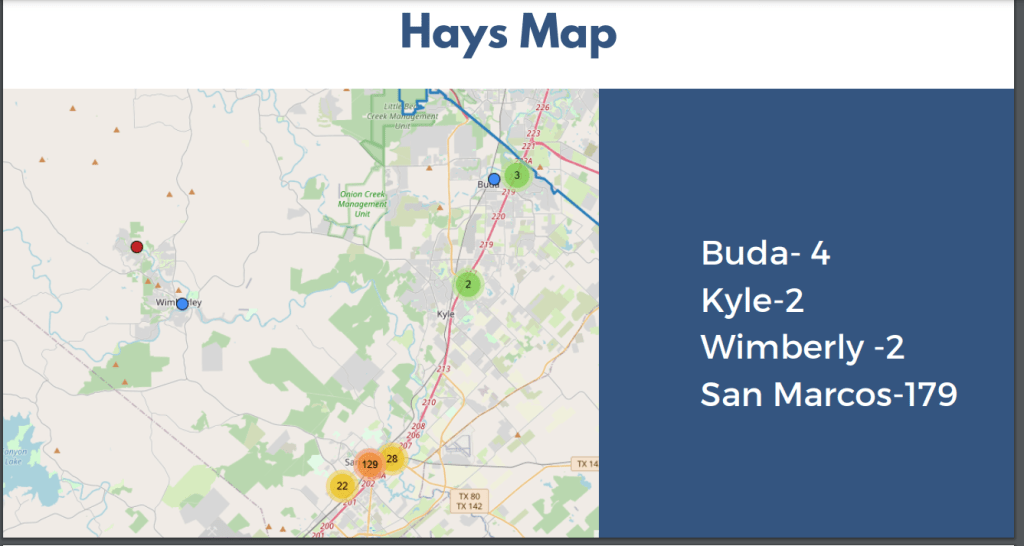










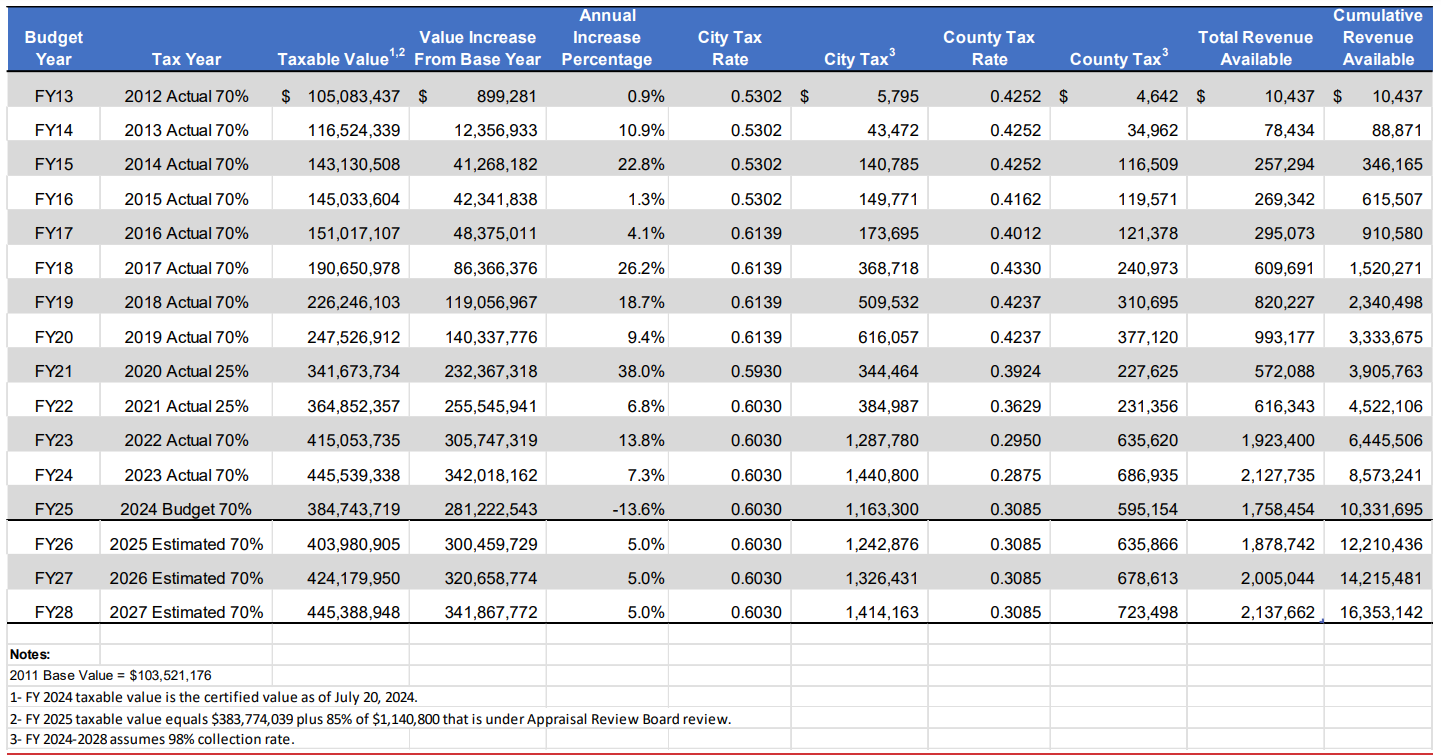





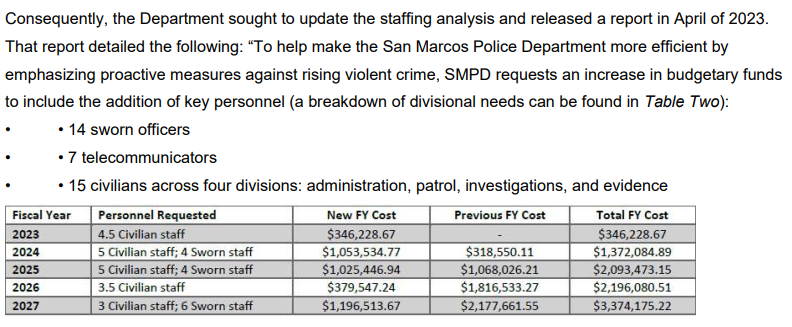

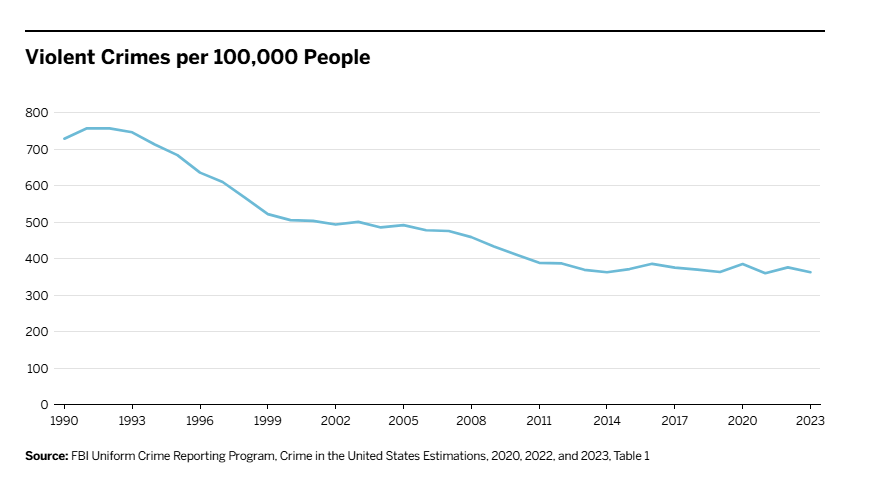


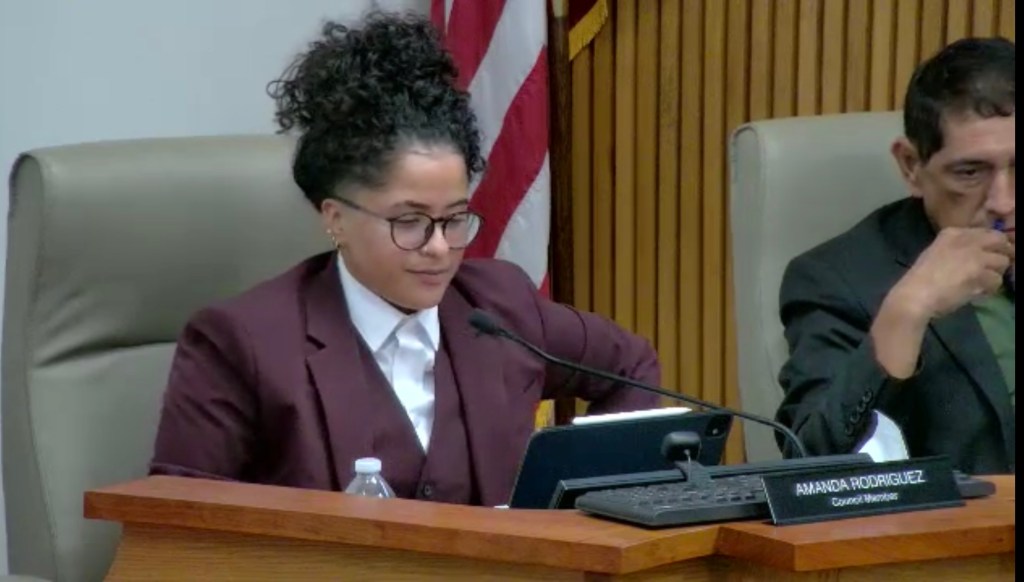


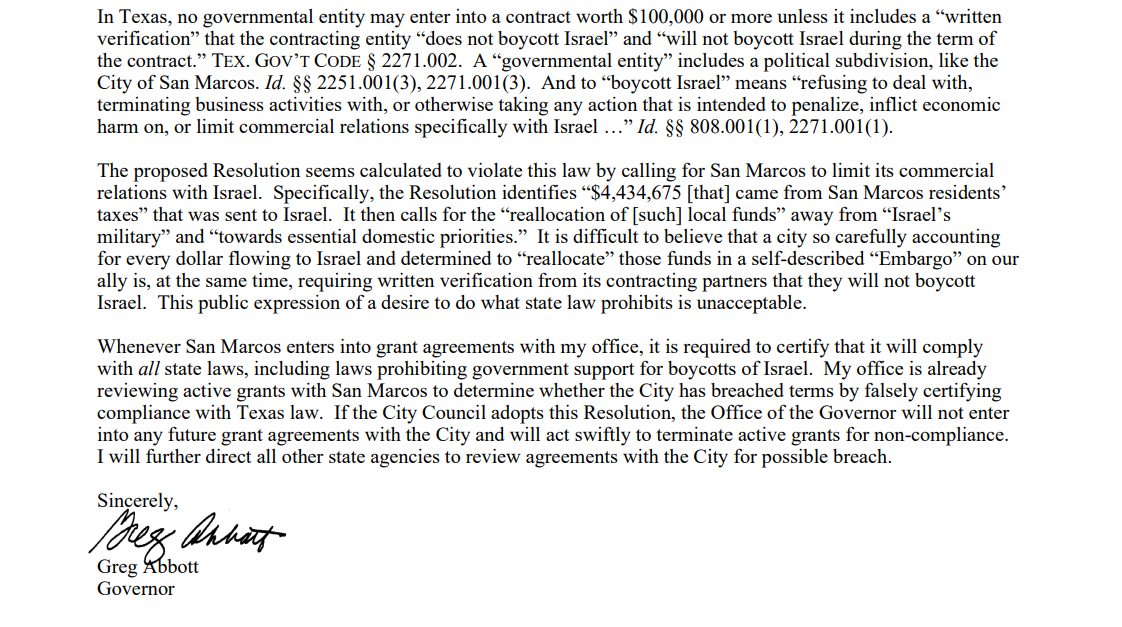


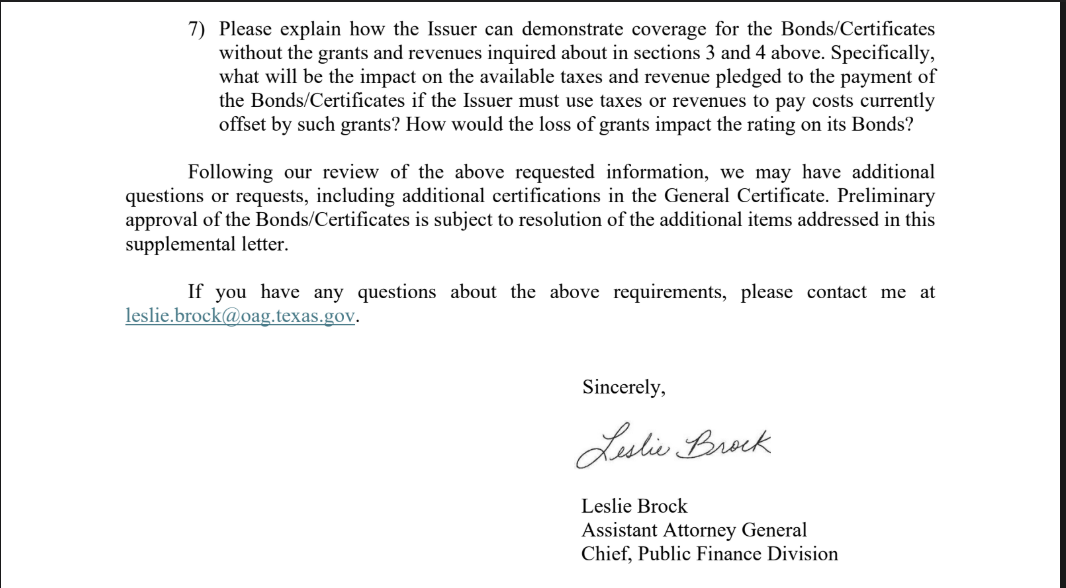


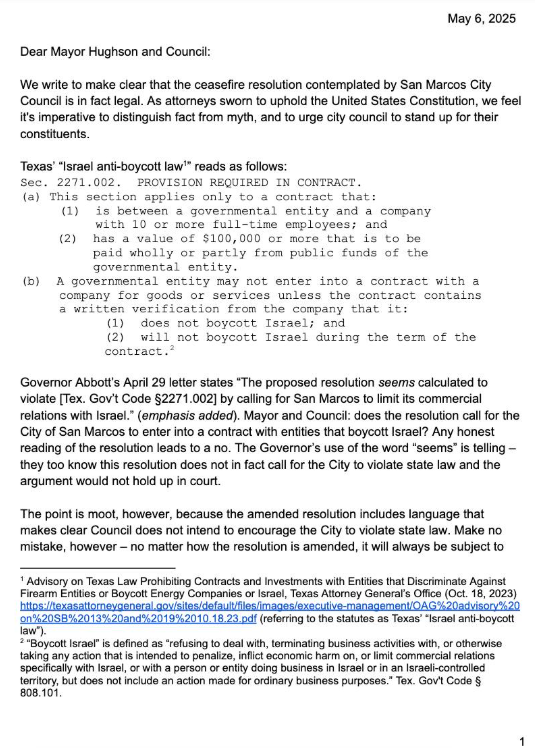


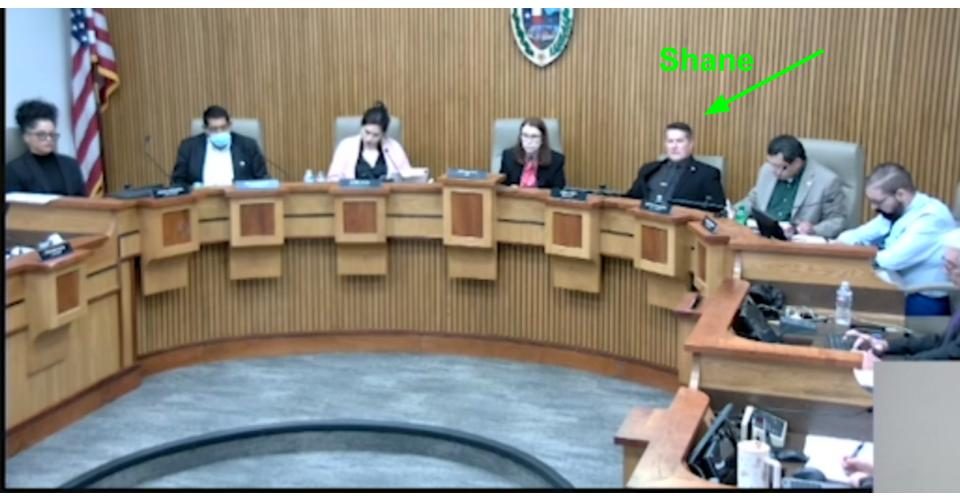


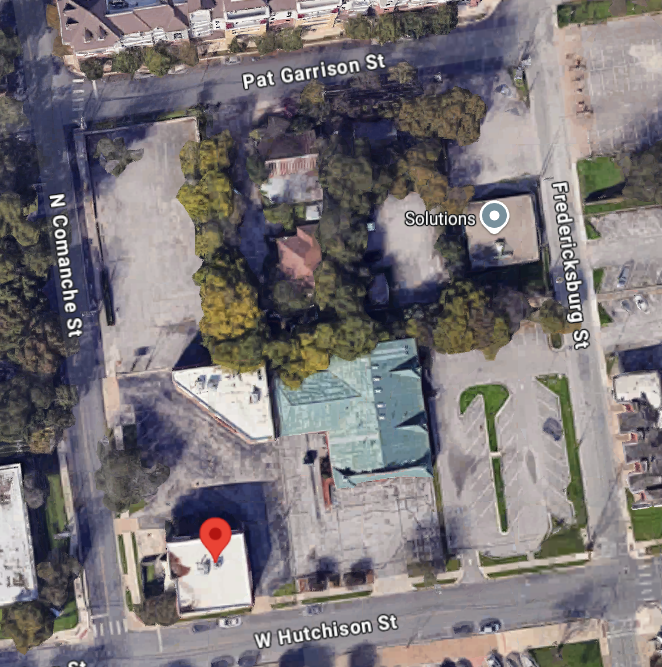
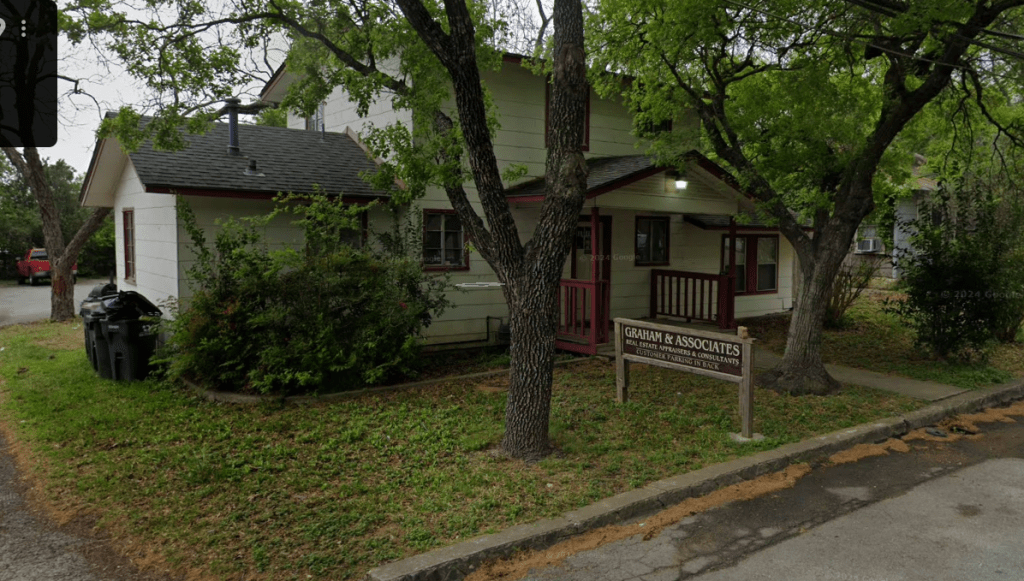
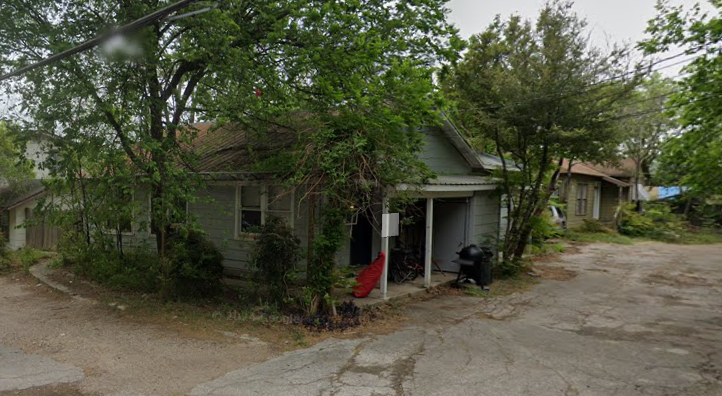
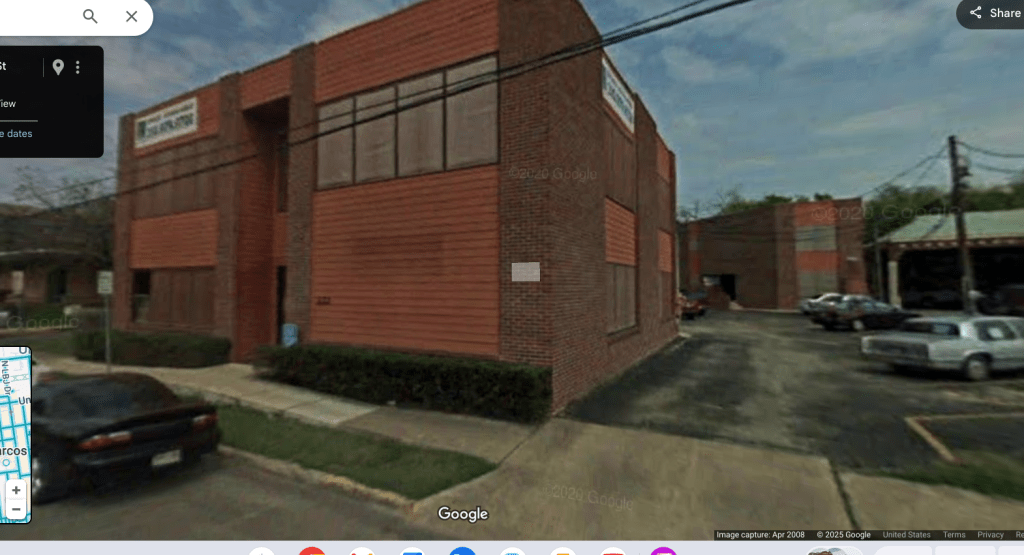

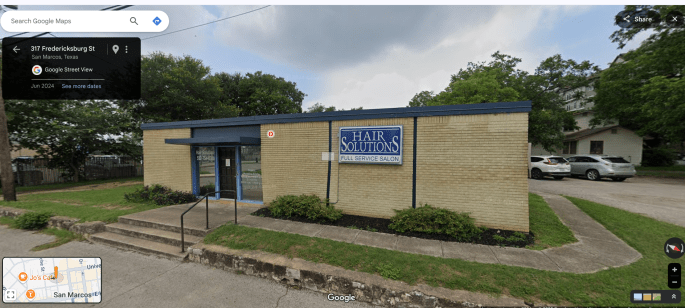


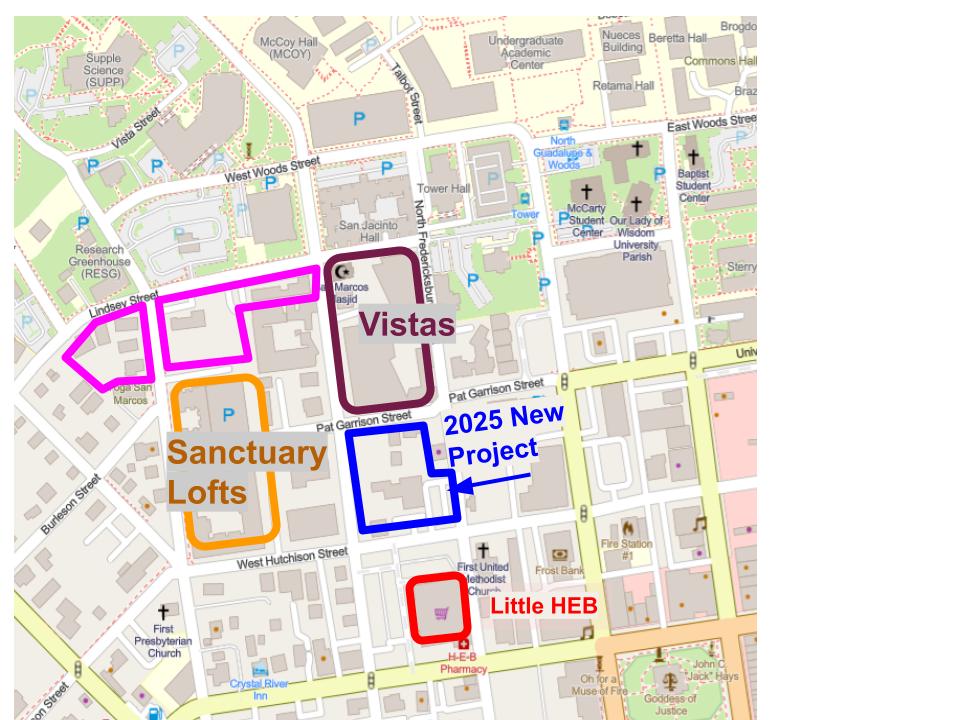
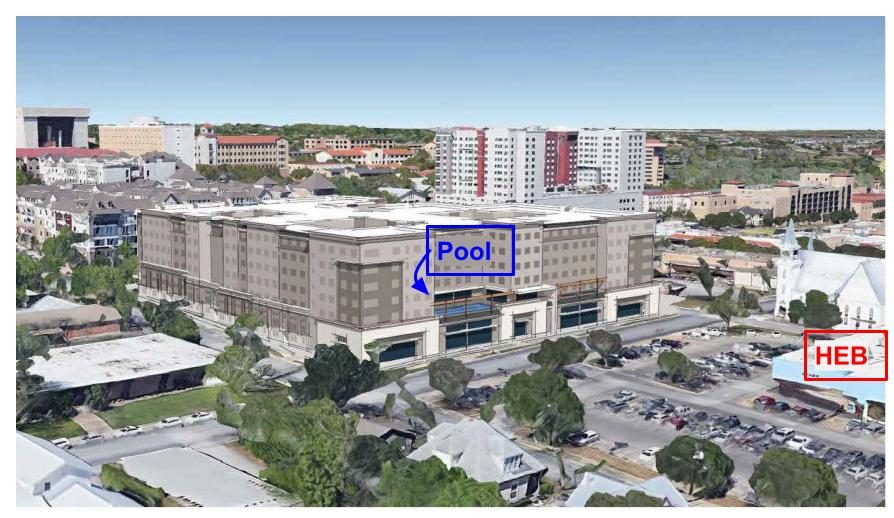
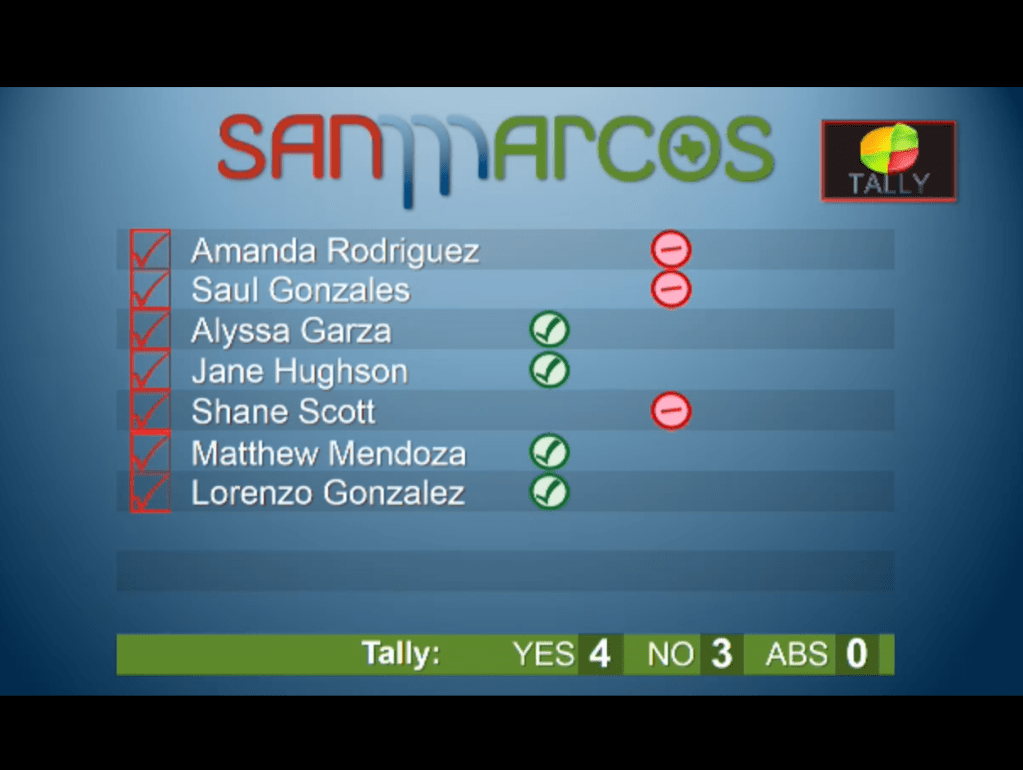





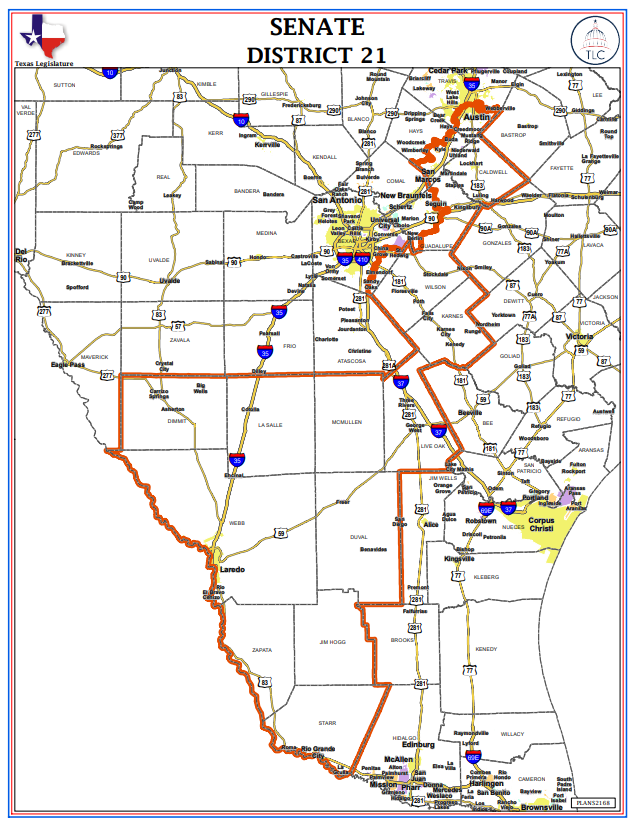

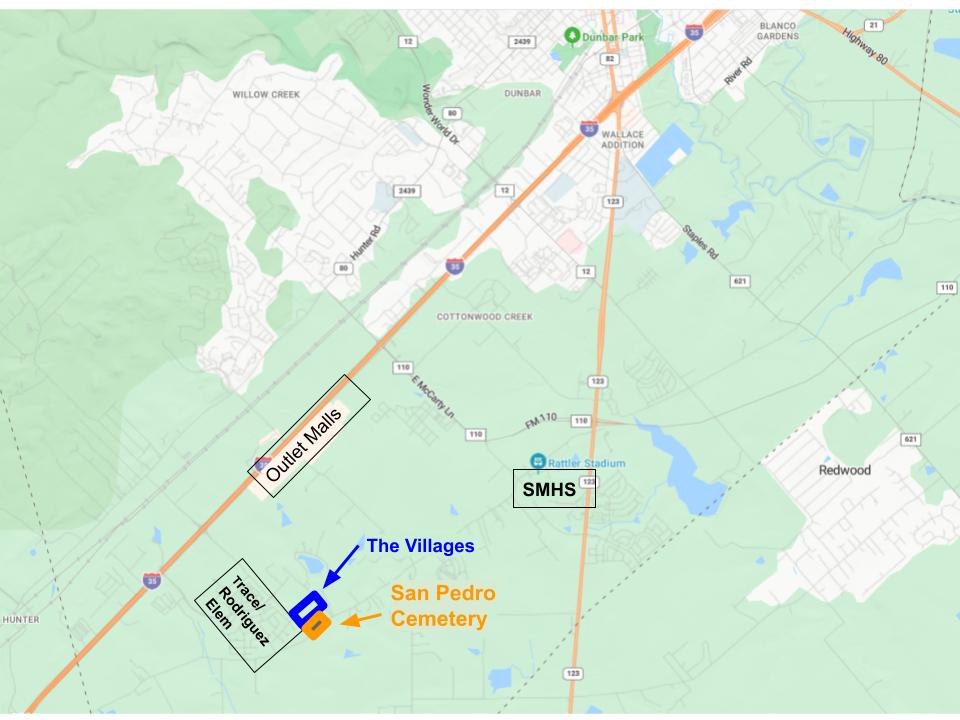

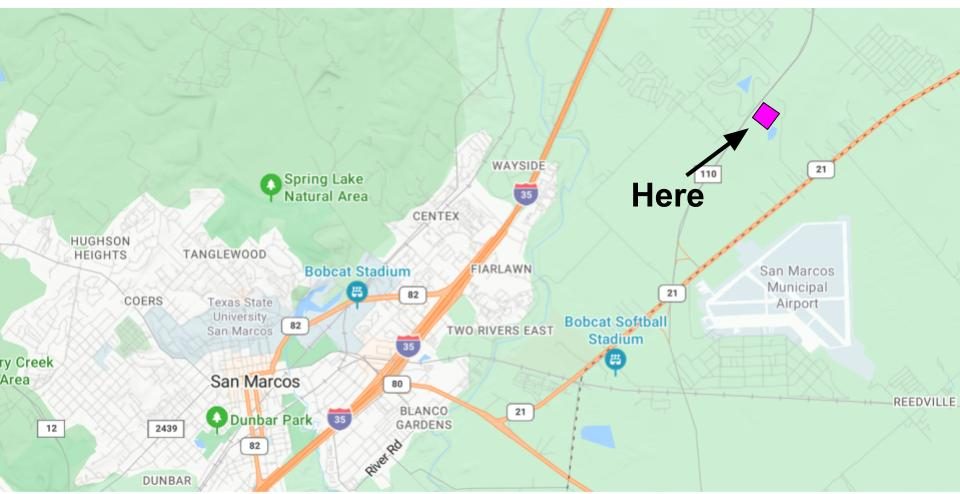
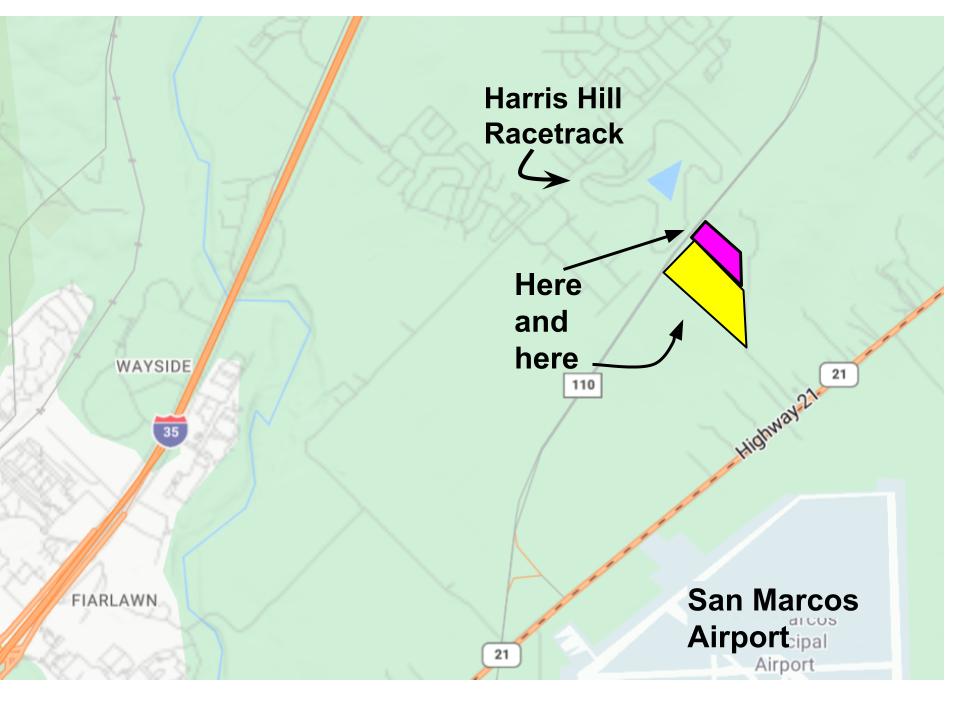
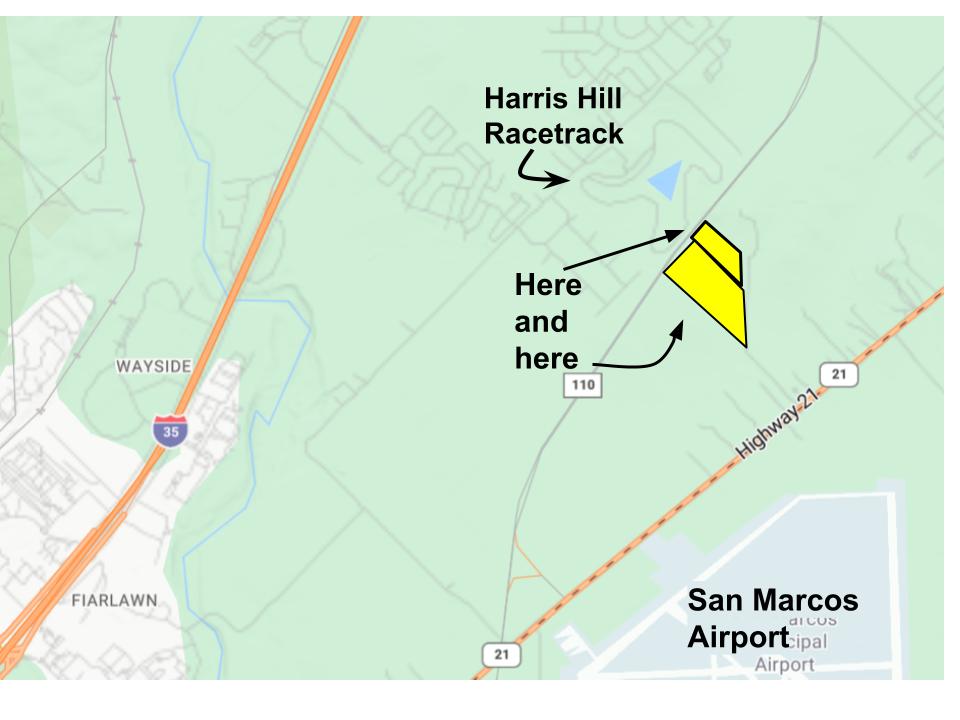

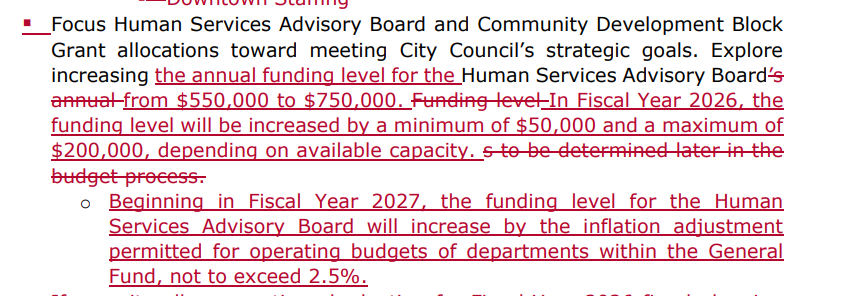

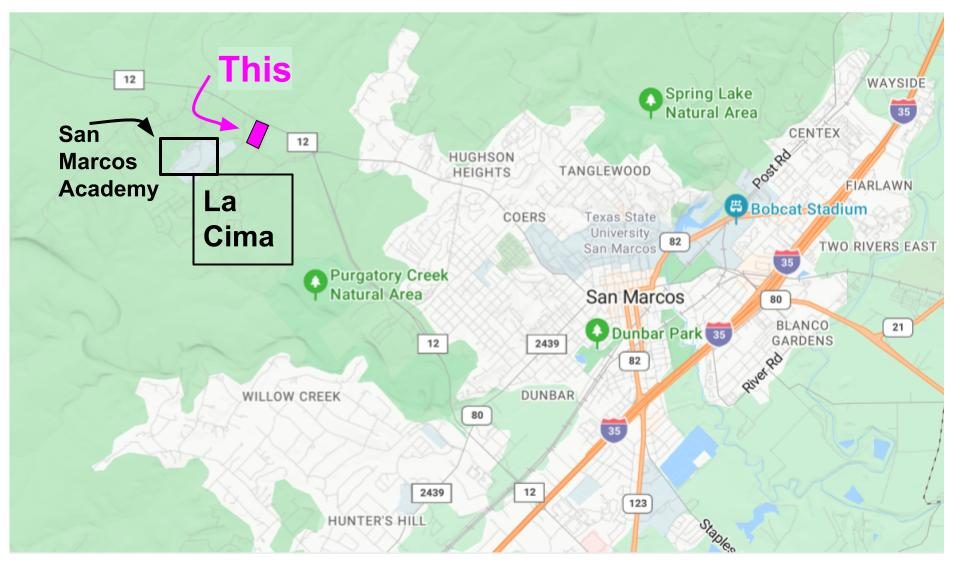

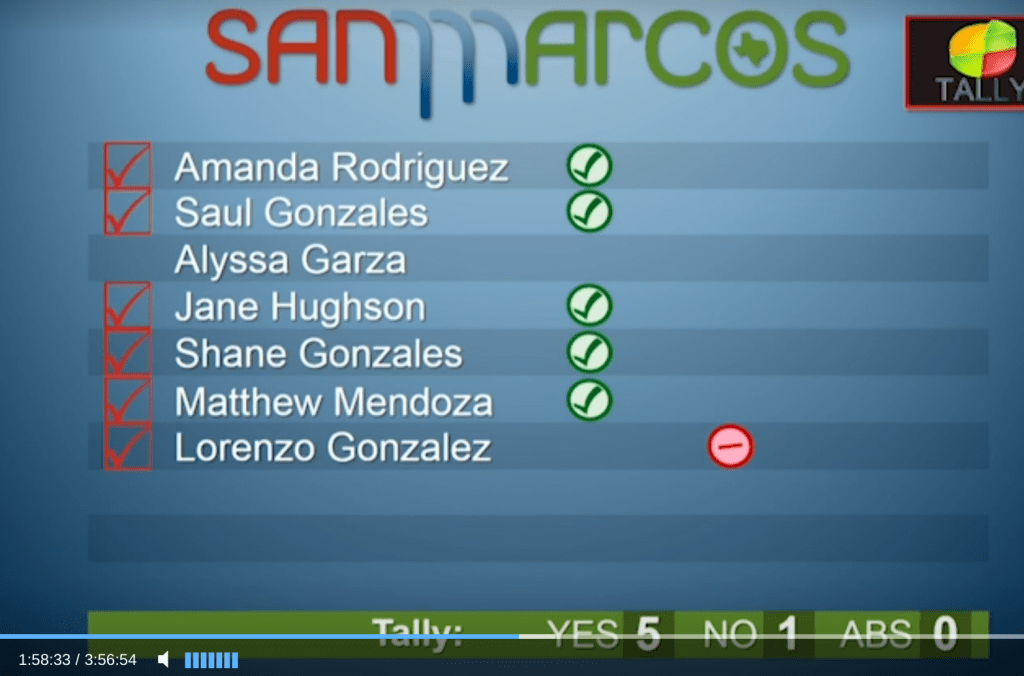
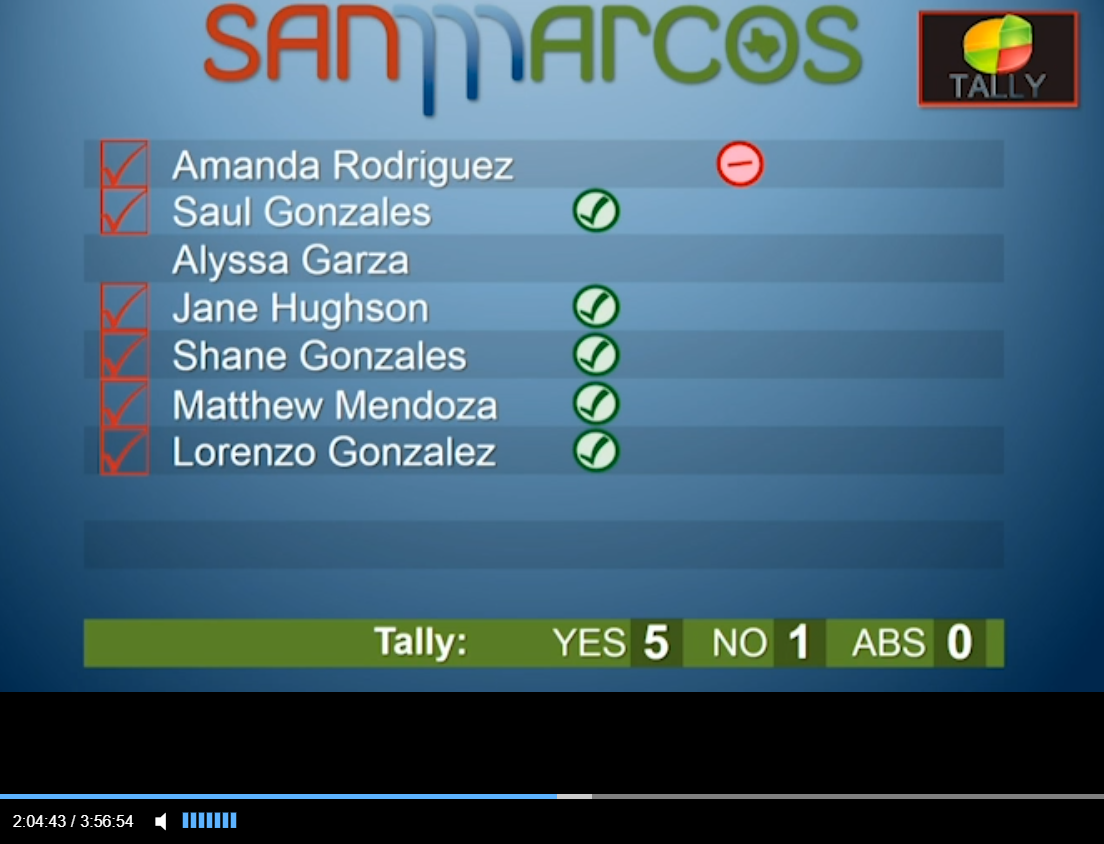

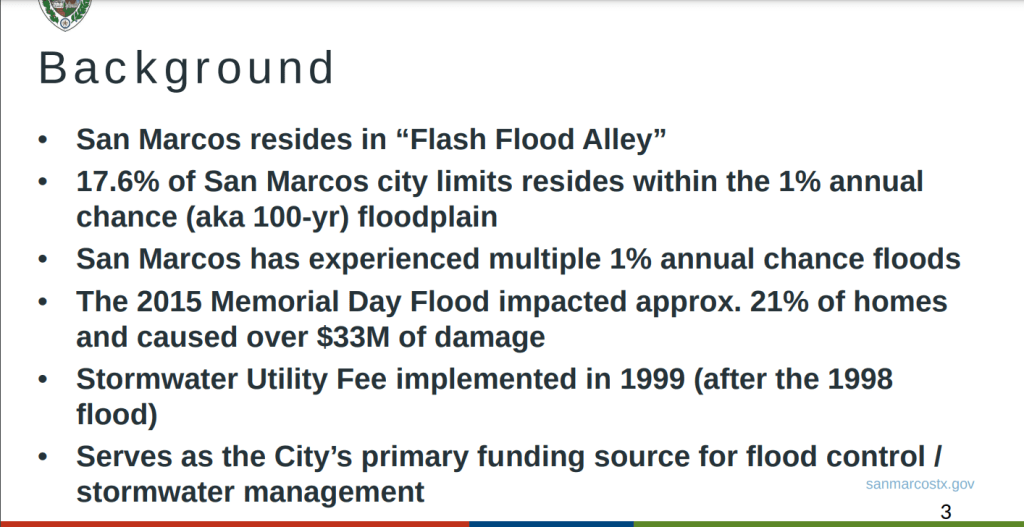

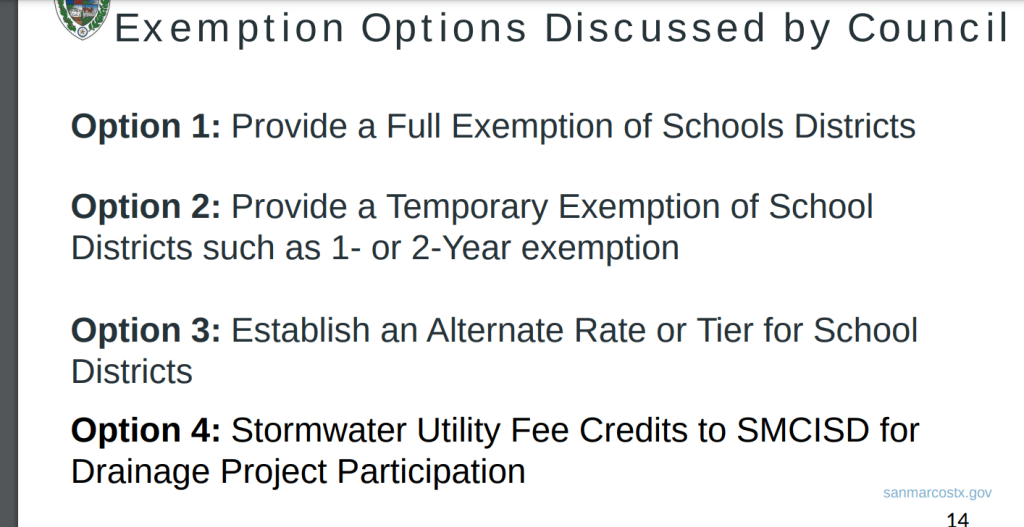
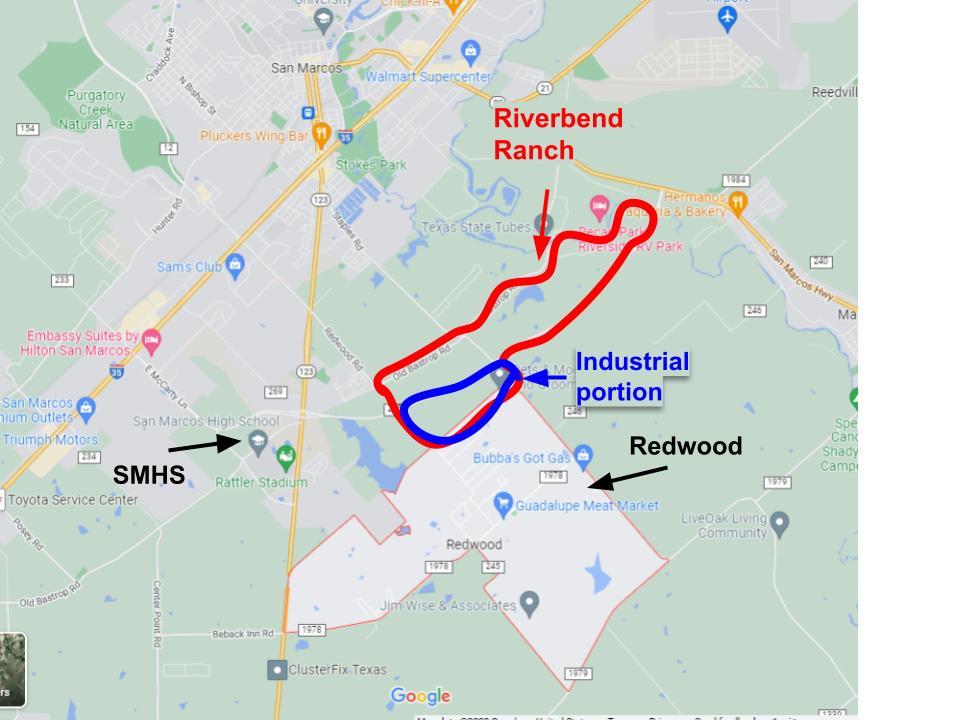


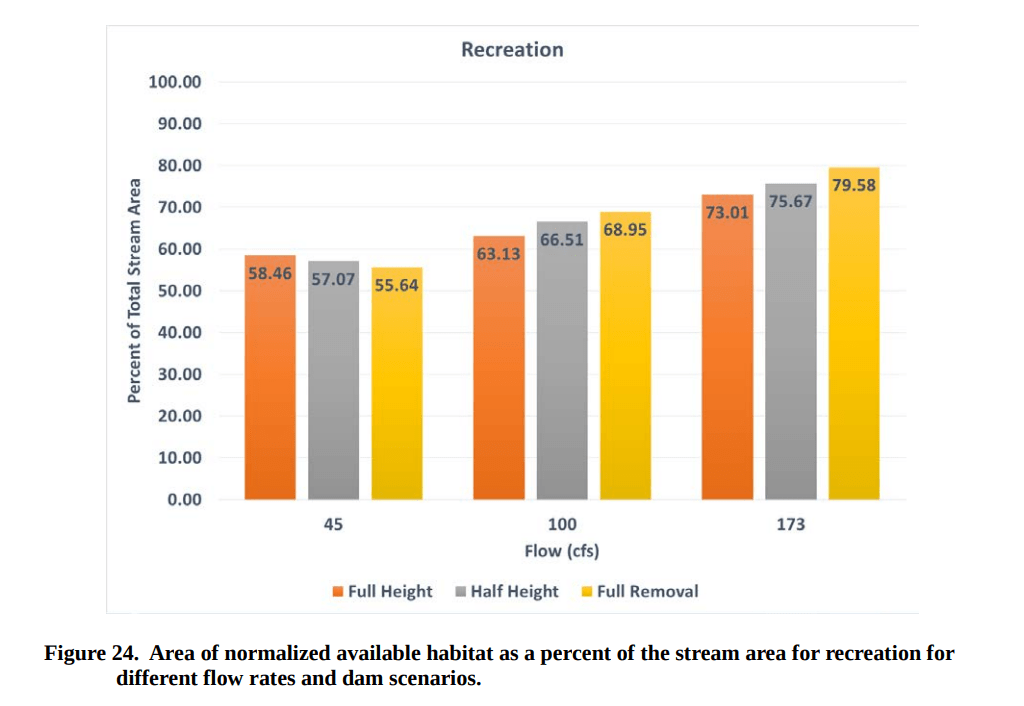



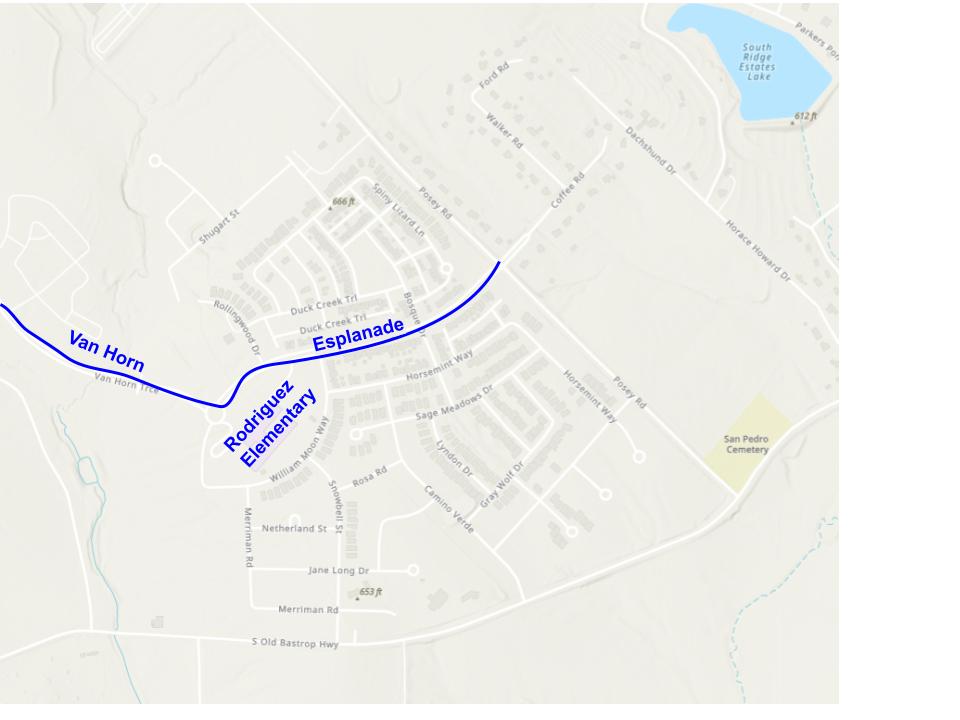


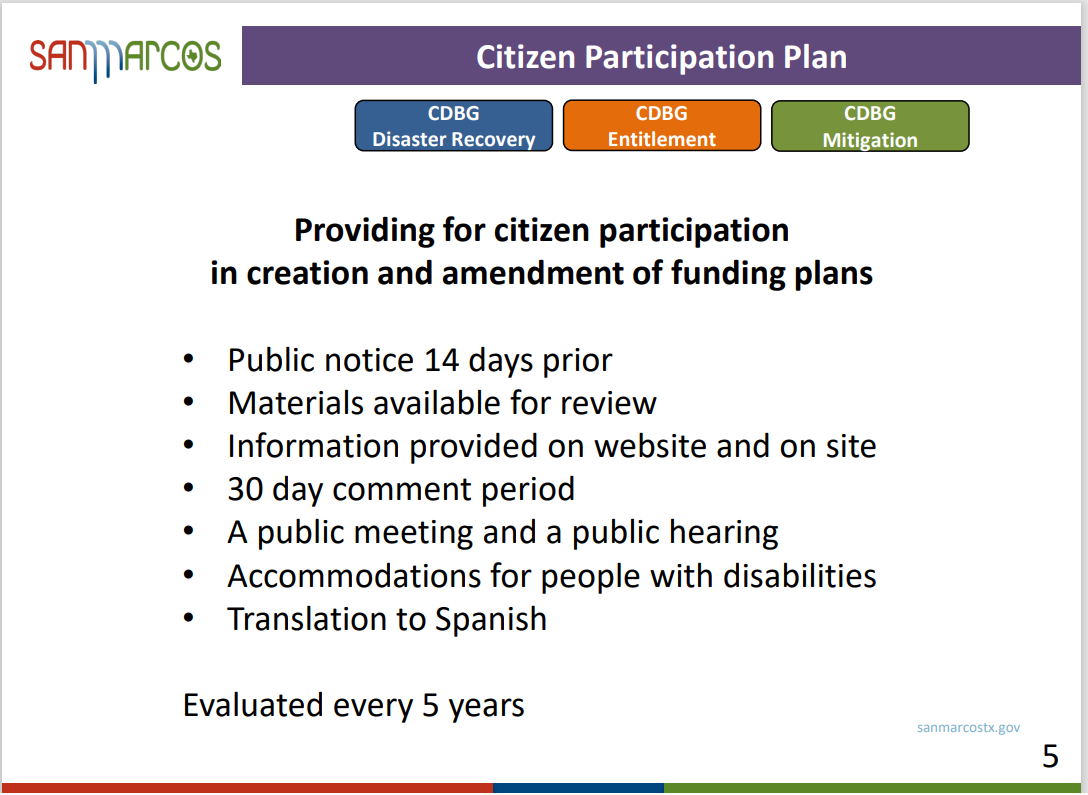
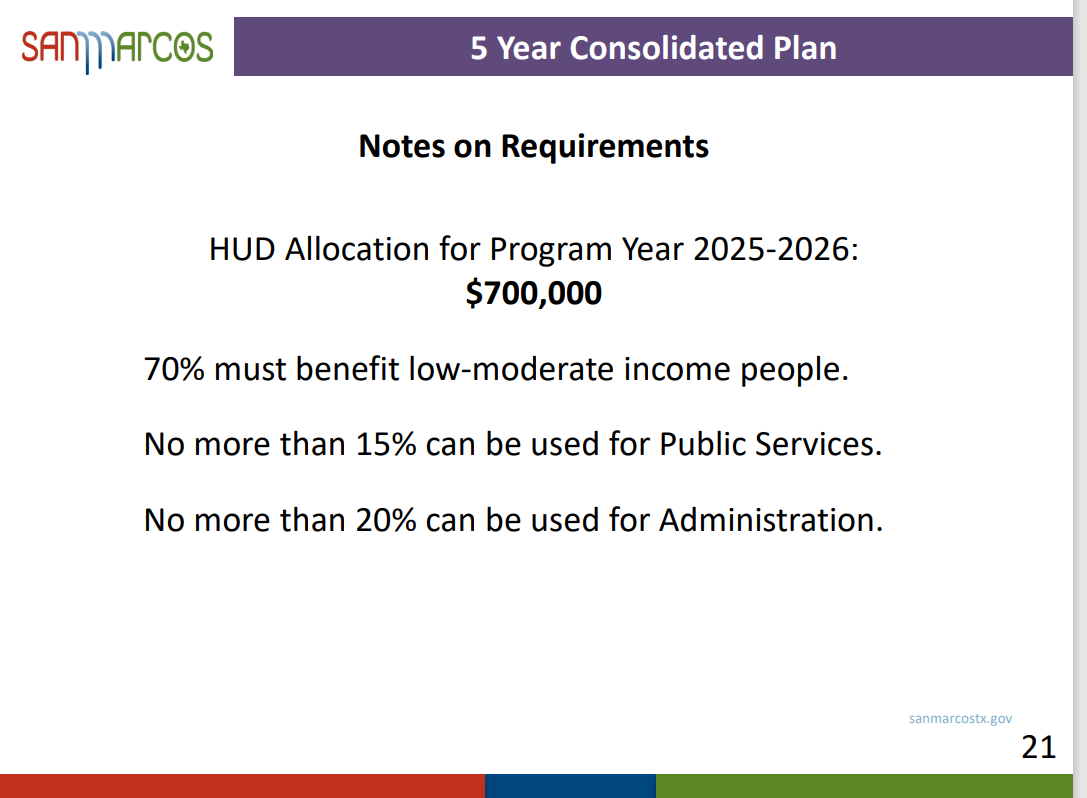


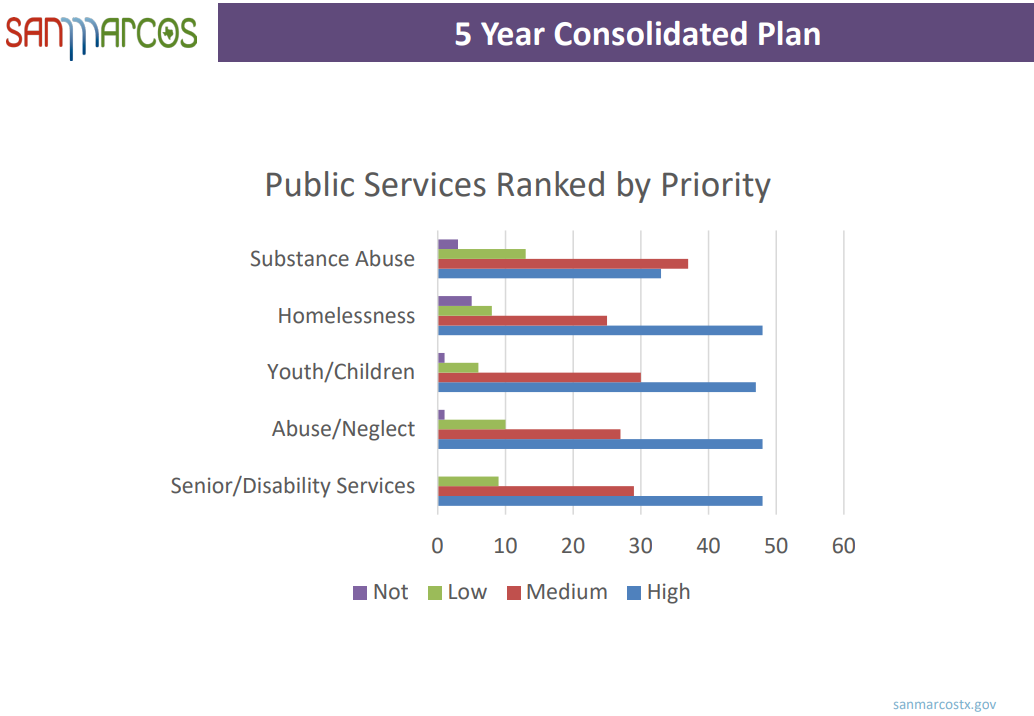








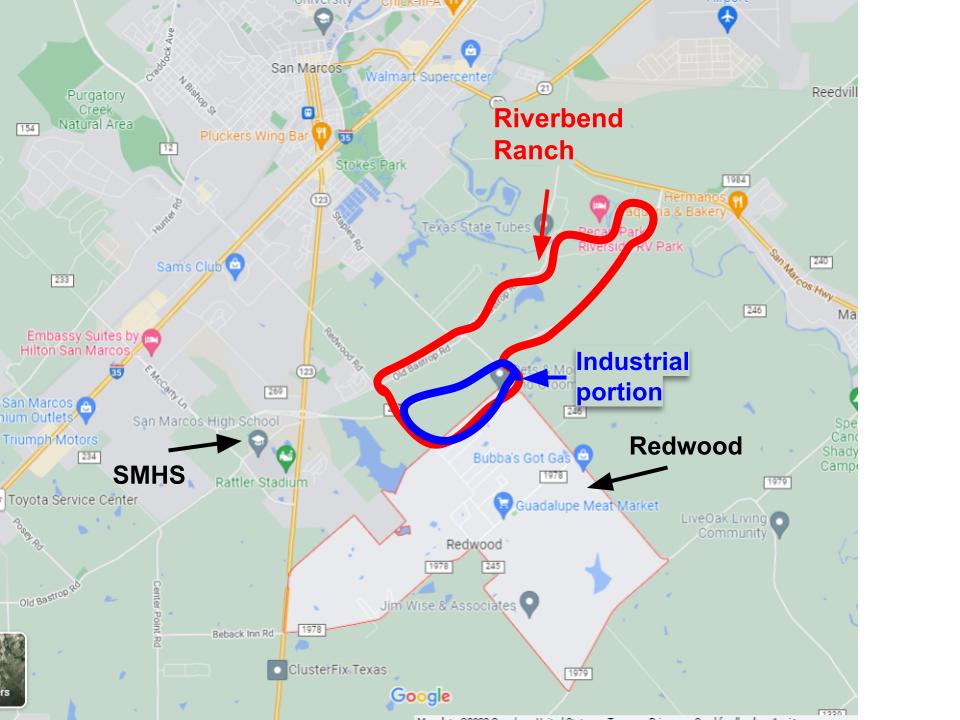






 The San Marxist