Hours 0:00 – 2:06, 6/4/24

A solid hour of citizen comments to kick things off!  

Nearly everyone – 17 speakers – spoke about the issues of Malachi Williams’ death at the hands of SMPD, and calling for a ceasefire resolution for Gaza.

Malachi Williams: backstory here.

The family and activists are calling for three things:

  1. Release the name and badge ID number of the officer that killed Malachi Williams
  2. The officer should be placed on leave while the investigation is ongoing.
  3. The family should be able to view all officer and storefront footage, with a lawyer present.

It sounds like the chief has offered to let the family watch some of the footage, but not all, and is denying the request to have their lawyer present. That’s pretty goddamn outrageous that you would ever require someone to forgo a lawyer in a legal context.  (They don’t have a right to a lawyer, because nobody is under arrest or anything, but plainly it’s what’s fair.)

A lawyer would be able to inform the family about what Chief Standridge is legally able to do, and what he can’t, and a lawyer can advise the family – on the spot – on what’s in their best interests. If a lawyer isn’t there, then Chief Standridge is the authority on what Chief Standridge is legally able to say and do. See the problem?

Resolution for a ceasefire:  

The activists didn’t just make this up on a whim. This is what’s going on all over the country.  They’re working on it in Austin, where they ultimately got fed up and passed a People’s Resolution instead. They’re working on it in San Antonio, which also got stuck. There haven’t actually been any cities in Texas that have been successful, but here’s a full list elsewhere.

There were a few other speakers:

  • One guy from Outsiders Anonymous shows up to advocate for their gym/treatment center during the CDBG grants item. (We ended up funding them at about 80% of what they asked.)
  • One speaker talks about her adult child with disabilities. There’s no day center in San Marcos anymore, and he commutes to New Braunfels.

We absolutely should have a day center for adults with special needs. I’m super uninformed on this topic, but it’s definitely part of serving the needs of your community.

But let’s talk about the other part: there’s no public transportation to get back and forth between San Marcos and New Braunfels.

Here’s the problem: we’re on the southern tip of the Austin Cap Metro service area:

New Braunfels, Redwood and Seguin are on the northern edge of the San Antonio Alamo Regional Transit:

And the two systems don’t overlap or coordinate on their boundaries, so there’s just this cliff dividing San Marcos from its neighbors:

Puzzle pieces! (I had fun making that picture.)

Suppose you use the shuttle service because of your physical disability. How are you supposed to get from Redwood to San Marcos? There are a lot more mental health resources in New Braunfels than in San Marcos, but only if you’ve got the means to get yourself there and back.

Listen: Seguin, New Braunfels, and San Marcos need to triangulate on some shared public transit along I-35 and 123. Austin Metro is not meeting our needs here.

Item 9: Community Development Block Grant applications, 2024-25

HUD gave us $766K this year to give away, and we’ve got $639K rolling over from last year. So total, we’ve got about $1.4 million to give away.

First off: we have $639K leftover? Out of $712K that we were awarded last year? What on earth happened?!

It turns out that it rolls over from year to year, and there are project delays. It’s spelled out in the report here:

So the first two categories – Housing Programs and Public Facilities – are really falling short.

Alyssa Garza asks about the Housing Rehab program?

Answer: Housing Rehab had $800K from CDBG and $800K from ARPA, for a total of $1.6 million. They are running seriously behind. Currently there are 30 houses with bids in place. Five are under construction and 25 are pending, and that will use up the funding.

Alyssa also asks: Can we hire lawyers to help homeowners with title problems? (This is mentioned under the Home Demo program above – “Properties with sub-standard structures also tend to have ownership issues”.)

Answer: We mostly rely on volunteers, because Texas Rio Grande Legal Aid tends to be so backed up.

Alyssa: There are free legal aid programs at St. Mary’s and UT-Austin that have offered to help.

The staff is vaguely friendly about this suggestion, but not in an “omg I’ll do that tomorrow” kind of way.

In the end, they decide to put “paying for a lawyer” on the list of side-projects that can be consulted when there’s a loose bit of money that suddenly becomes available.

Onto 2024! Here’s the criteria that we use:

(For what it’s worth, I don’t love the Council Priorities. I think they risk creating perverse incentives.)

Moving on! There was one ineligible application and 11 eligible applications. Here are the recommended funding amounts from staff:

Anyway: Council does not make any changes.

I believe this is just a first reading, so if you’ve got advice for Council, you’ve got another chance at the July meeting.

Items 10-11: Kissing Tree

Kissing Tree was approved in 2010. It’s a PDD – “Planned Development District”. This means the city got to micromanage every last detail of the whole project, and put it in writing, in a contract.

[Quick primer on PDDs: They’re a mixed bag. You can spell out exactly what will be built, but you can also waive a lot of regulations that the developer doesn’t like. In general, PDDs are only as good as the Council that negotiates them.

We got rid of them in 2016, which was an unforced error and I’ve complained about it a lot.  Then recently we brought them back again. So now the city has the ability to lock things down again.]

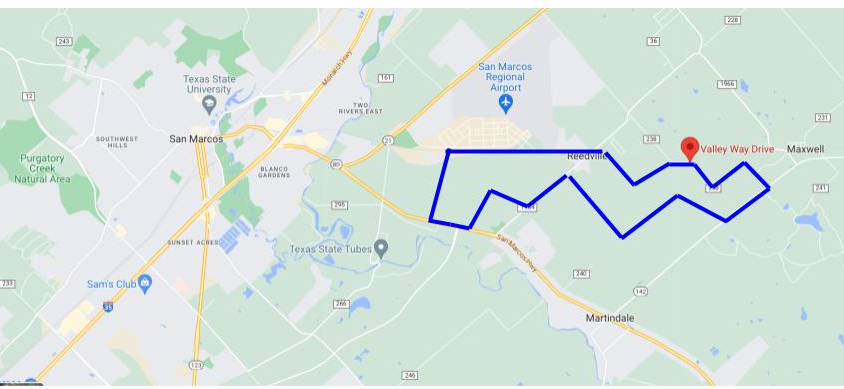
Here’s where it is:

You know, this thing, out on Hunter Road and Centerpoint:

Here’s the original plan:

So, a lot of homes around a lot of golf course. (To their credit, they use reclaimed water on the golf course.)

That map has not been updated since 2010, so I have no idea how much has been built out already.

Kissing Tree wants to modify their PDD, so they have to go back to Council.  Here’s what Kissing Tree wants to do:

“Active Adult Units” means senior housing. 

In other words:
The original plan is for 3,450 units:
– 2,850 were senior housing
– 600 were available for everyone else.

Now they want build 3,150 total units:
– 3,150 for seniors
– 0 available for everyone else.

It’s not that big a deal – I’m sure this is more profitable for them now – but I’m irritated that no one provided an explanation or talked about consequences.   In fact, Council talked about it for roughly 30 seconds, and this was the entire exchange:

Shane Scott: “This is a great example of why PDDs are so useful. We got rid of them, and we should bring them back.”

Jane Hughson: “We are bringing them back. We’ve discussed this.”

Shane: “Was I here for that?”

Jane: “I think so?”

SMCISD gets kind of affected by this kind of decision. The problem is that San Marcos is lopsided – we need more families to balance out all the non-family tax base (ie the university, the outlet malls, and things like Kissing Tree.) From time to time, we get dinged under the state’s Robin Hood law and have to send money back to the state for poorer districts, despite being a Title 1 school district ourself. It’s a complicated mess.

But just remember: Texas squandered a $32 BILLION dollar surplus last legislative session.  This was sales tax money – from all Texans – which got sent back to property owners. We literally took money from renters and gave it to home owners.

There is plenty of money in this state to fund all schools properly. We just need to elect a governor and legislature that wants to do so.

….

Item 12:  Good news on the Water-Wastewater Treatment Plant front!   

We’re getting a new centrifuge:

and a diffuser replacement in aeration basin:

We promise not to spend more than $6,716,477.45.

And a very special San Marxist shout-out to the kind soul on city staff who put these photos in the powerpoint presentation!
These slides didn’t even get shown during the meeting. I see you, I appreciate you.

Item 16:  We are meekly opening the door for the possibility of maybe someday, beginning a conversation about paid parking downtown.

This is such a tentative baby step that there are no details or decision points yet.  We’re just strapping on our sun bonnets, lacing up our sneakers, and sizing up the path ahead of us.

I did think this heat map was interesting:

That map is pretty unintelligible; here’s my attempt to improve:

This is only measuring parking – not traffic congestion or anything.

Here’s what the colors mean:
20 red blocks: street parking is generally over 90% full.
Three orange blocks: street parking is usually 85-90% full.
Twelve yellow blocks: street parking is usually 75-85% full.
Eight green blocks: street parking is usually 50-75% full.
Four light blue blocks: street parking is usually 25-50% full.
Three dark blue blocks: street parking is usually under 25% full.

It was a very short meeting!

Bonus! 3 pm workshop, 6/4/24

How’d the city do during the May 9th storm? I’m just going to run through some of the slides.

These are the Alert Towers. They’re being tested, but haven’t come online yet. (I think they used to be used years ago, but have been broken for a long time, and now we’re bringing them back?)

So a ton of work was done overnight and into Friday.

There were a ton of people without electricity:

The last people didn’t get their power back for two full days.

There were a lot of anecdotes about the city not knowing about different outages, and people reaching out directly to councilmembers. Staff says that often the resident is talking to a field worker who doesn’t have access to the master map of all outages. So the resident thinks the city is ignorant about an outage, but really they weren’t talking to the right person.

Still, they conceded they need to do a better job of staying in touch with residents who call in to say they’ve lost power.

Kind of a bummer to see all those trees down.

Lots and lots of community volunteers.

Some plans for what to do better, next time.

May 21st City Council Meeting

What are our zany Councilmembers up to this week? Lots of little things: noise complaints, new low-income housing, that crazy storm, tiny homes, and more. Also, our budget is in trouble, which is definitely a bummer.

Let’s dive in!

Hours 0:00 – 1:36: In which we discuss the Dunbar-Heritage Area Plan split, a noisy warehouse, and two more low-income housing projects.

Hours 1:36 – 2:17: A wee bit of eminent domain, that crazy storm from May 9th, some new developments, Green Guy, and Tiny Houses

Bonus! 3 pm Workshops:  Our budget is not okay.  😦

See you next time.

Hours 0:00 – 1:36, 5/21/24

Citizen Comment: much briefer than last time, but hitting most of the same points:

  • Seven people spoke about Malachi Williams and calling for a ceasefire resolution in Gaza.
  • Max Baker attended the UniverCity class that the city offers, and is calling for increased transparency.
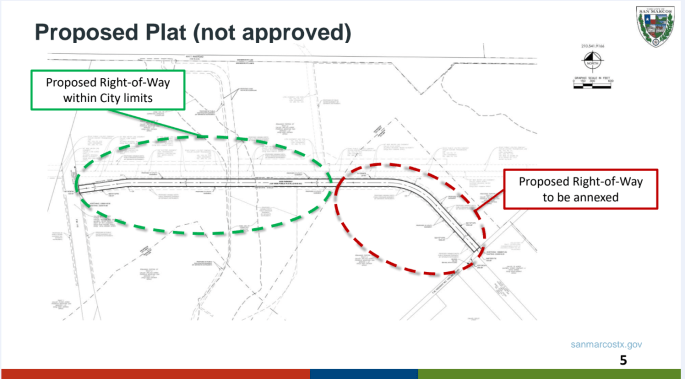
  • Noah Brock spoke about the SMART/Axis right of way annexation again. (The whole agenda item ended up getting postponed until July 2nd.)

Item 1: Area Plans

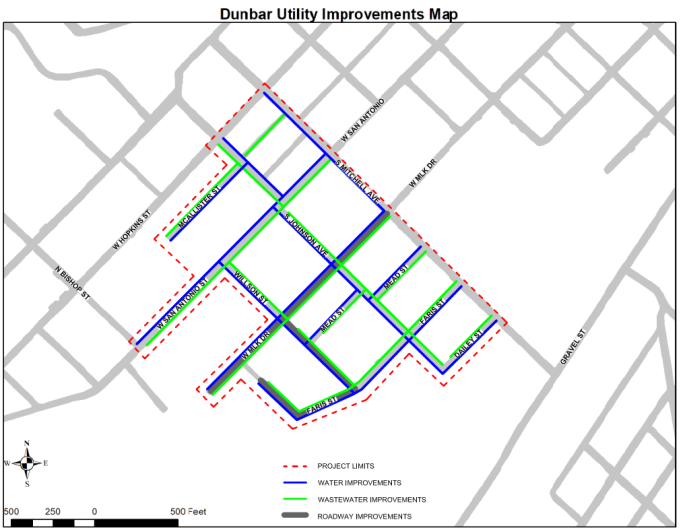
The city is diving into its first Area Plan, which was going to be the Dunbar-Heritage neighborhood. Discussed before, here.

Here was the boundary:

The very first thing that happened is that P&Z declared that this was a terrible idea. It needs to be split into two separate area plans, Dunbar and Heritage. Council agreed.

(Why? Historically, Heritage has always gotten all the resources and city attention, and Dunbar gets neglected. So we’re trying to stop doing that. This way each neighborhood can determine their own priorities and character.)

So tonight, we have new boundaries for two separate area plans:

All done! Splitsville.

(Now to write the actual area plans.)

Item 16:

This warehouse place – Elliot Electric Supply – is off Wonderworld:

They’ve been operating since the 90s.  

There were townhomes built here: 

They were built in 2019.

Elliot Electric is in the yellow box below, and you can see the townhomes right across the street:

Here’s the problem: the developer who sold the townhomes did not disclose to the buyers how noisy the warehouse business is. The homeowners get woken up every night around 3 am, with delivery trucks, forklifts beeping when they back up, loud music playing, and so on. 

In April, the warehouse guy came to P&Z for a permit to expand his warehouse.  A bunch of condo owners showed up with a number of complaints.

The branch manager came across as a very sympathetic guy who had not been told that the neighbors had all these complaints, but was willing to work with them.   He gave them his personal phone number and agreed to a fence to block the noise:

It also runs along Dutton Drive, which seems like the important part.

Ultimately, P&Z felt like the business has seniority, since they’d been operating this way for about two decades before the townhomes were built.   So they approved the permit.

Sidebar: So what went wrong? How did we get here?

The townhomes were approved by this same P&Z, in this meeting.  There was no mention of noise nearby.  Probably the city staff weren’t aware and P&Z wasn’t informed.

If staff had known about the noise, they probably would have recommended a deed restriction, where the developer had to inform potential buyers about noises next door. But that did not happen.

I don’t think anyone was being a jerk here. But it would still be good to figure out a way for everyone to get some sleep at night, without wrecking this guy’s business model.

….

This brings us to Tuesday’s meeting: the condo association is appealing the P&Z decision to council. They want quiet hours.

There’s two problems.

First, San Marcos already has a noise ordinance. It’s just a matter of getting someone out to document it.

Second, it’s not really the local employees that are playing loud music, driving forklifts, etc at 3 am. It’s delivery drivers from Austin and San Antonio. They have keys to the place, let themselves in, unload the delivery, and head out.

Also, if they get the permit for the extra warehouse, it will (supposedly) help block some of the noise.

Council ends up circling in on some extra requirements:

  • Apparently there are noise-cancelling and white noise forklift add-ons, for the back up beep. Elliot Electric will put these on.
  • There will be conspicuous signs about how overnight workers need to keep it quiet

The vote: Should Elliot Electric keep their permit, with these extra requirements?

Yes: everyone
No: no one

The actual solution here is to build relationships. The condo owners should use the branch manager’s personal cell phone number to let him know when they’re getting woken up. But they should be nice about it, and assume he’s doing the best he can. (And he should do the best he can.)

Items 17-18: Two LIHTC projects.

LIHTC sounds for Low Income Housing Tax Credits. There are two separate projects being proposed.

The last time we saw a LIHTC project was here:

These were fake-affordable housing. But it was free for the city – they were going to the state for tax breaks.

Whereas these next two are not free for San Marcos, so they’d better be more legit. (Which they are!)

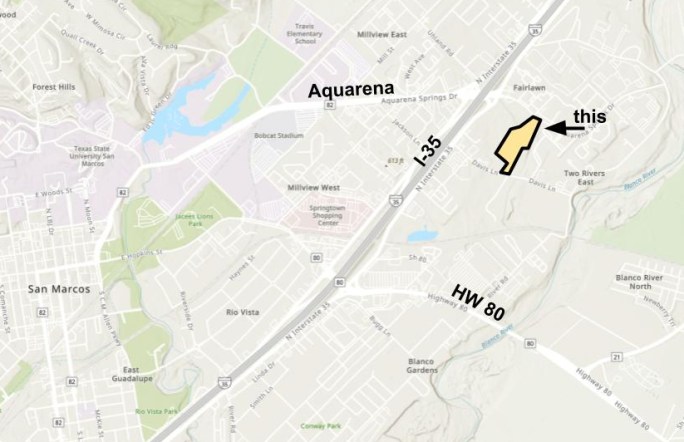
The first one is on McCarty, here:

between Hunter and I-35.

This one is supposed to be a retirement community, so it’s all 1 and 2 bedrooms.

Here’s the affordability part:

The important part is that first row: 34 units will be reserved for people earning under 30% of the Area Mean Income, or AMI. (We’re part of Austin metro, so we use Austin household income levels. It’s not ideal, but we can’t change that.)

Technical note: See in the first row where it says $0-$35,040 as the income range? That’s misleading, because that’s based on a family of 4, but these apartments are reserved for seniors. For one person, the 30% income cut-off is $24,550, and for two people, the 30% cut-off is $28,050. (Full AMI chart here.) You should also ignore the $58,401-$70,080 for the remaining 188 apartments. For one or two seniors, the income cut-off in this bracket is $40,900 or $46,750, respectively.

Point being: those 34 apartments are legitimately reserved for people without much money. This is good!

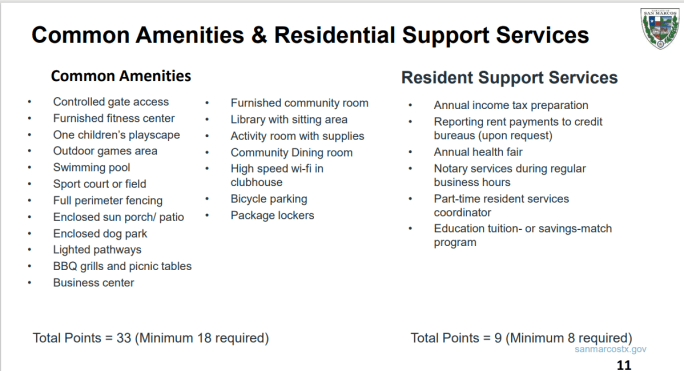
In addition, there are services for all residents:

I mean, fine. These are fine.

The property tax estimate for 18 years is $7,262,589, which works out to about $400K per year. So that’s the contribution of San Marcos to this project: about $400K per year.

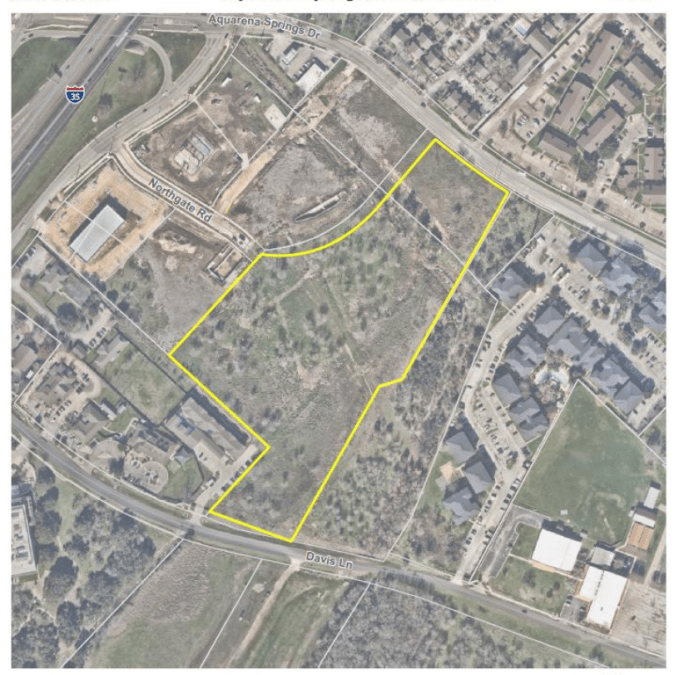
The second LIHTC project is here:

Out between Centerpoint and Posey Road.

Here’s the affordability:

These are 1, 2, and 3 bedroom units. Here the income ranges do make sense, because there will probably be families living here. So there will be 55 units reserved for the lowest income bracket.

Great!

Services:

More services than the first place, but the location is worse. You don’t have Target and everything around the corner.

The property tax estimate is $4,000,000 for 15 years, or $266K per year.

I don’t totally understand how these things work, because:

  • This is cheaper per year than the first place – $266K vs $400K
  • There are more low-income units here – 55 vs 34

And in addition, this second place is offering us a cash-back offer. So clearly I’m missing something about why all this makes sense.

For the cash-back offer, Council has a choice:

  1. They’ll pay us $36,666 per year for 15 years, so we’d get $550K total.
  2. Or, they’ll pay us $400K up front.

Council goes with the lump sum payout. Especially in lieu of the 3 pm workshop, where our budget took a beating.

Side note #1: Note that both projects are both along the railroad tracks. Poor people get to live along railroad tracks.

You know how it went. Someone said, “What can we do with this land, along the tracks? No one with money would live here. Maybe we get some poor-people tax credits and make some affordable housing?”

(I loathe wealth segregation so much.)

Side note #2: Both these complexes are reserving 15% of their units for people earning under 30% of the AMI. That’s because the city of San Marcos fixed 15% as the requirement for LIHTC applications.

We used to require that you set aside 25% of your units. But we didn’t get as many applications, and so we changed it to 15%. I don’t know how I feel about this.

But look. This chart is from 2017:

So seven years ago, we had a shortfall of 4233 rental units for all households earning under $35K. We have not updated these numbers since then.

These two LIHTC projects will yield 89 units. That’s a drop in the bucket.

This Council is not serious about housing affordability. If they were, they would start by dusting off the Housing Action Plan (which was deep-sixed in 2019) and updating it. They would listen to the research about what it takes to increase the affordable housing stock. (This is going to come up when we get to Tiny Homes, at the end of the meeting.)

In fact, city staff gave a workshop on the Housing Action Plan last July. But since then … <crickets>. It is up to Council to put things on the agenda and actually make them happen, and they are not doing that.

Hours 1:36 – 2:17, 5/21/24

Items 9-11: Eminent Domain

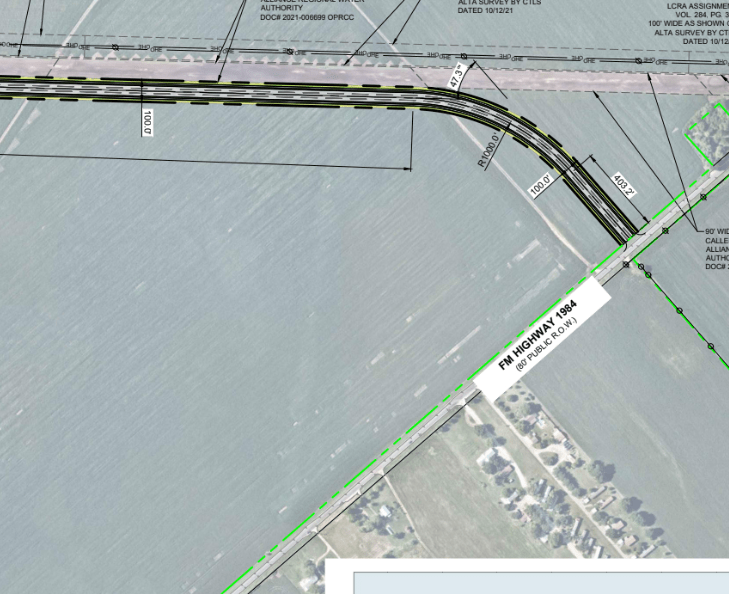
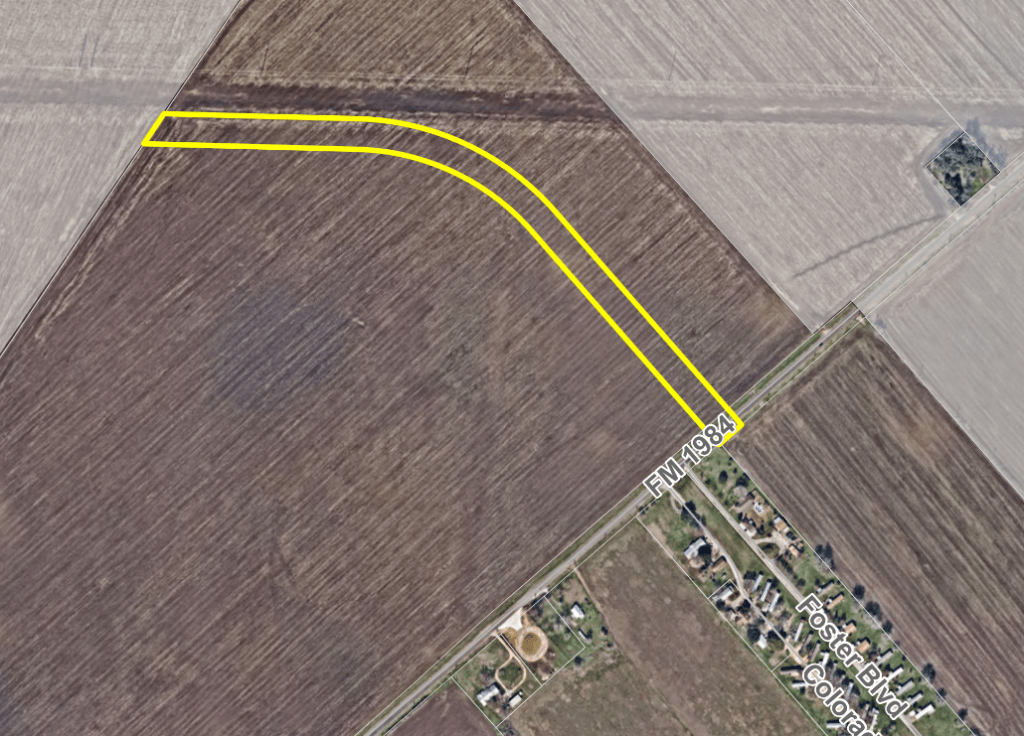
We need this long skinny strip:

for some water and wastewater lines.

We need this:

for the Linda Drive project, which you can read about here.

We need this:

for the River Ridge Drainage Improvements Project, which you can read about at that same link as the Linda Drive project.

We aren’t just going in with guns blazing and taking the land. The plan is to go talk to the land owners and try to buy it. The key phrase for eminent domain is “To the extent that negotiations are unsuccessful.”

So, we’ll try. Otherwise we’ll take.

Item 19: That wild storm back on May 9th. (I hope everyone is okay.)

We’re pulling $750,000 out of the general fund to cover the associated costs, like all the extra curbside brush pickup and tree removal.

Here’s the thing: Hays County is requesting a disaster declaration. If we get it, then we can get reimbursed for this expense. Which is good, since our budget is kinda tanking at the moment. (See here)

To get the disaster declaration, we have to report at least $1.1 million in damages. And the more we report, the more federal money we can receive. You get reimbursed in proportion to the damages you report.

So really, the community needs to report whatever happened:

  • Volunteer hours. Did you and some neighbors spend a few hours using a chainsaw on your neighbor’s fallen tree? Report it.
  • Did you have to pay for tree removal? Report it.
  • Did your car or your house get damaged? that really sucks and I’m sorry. But also, report it.

Go here and scroll down to “Reporting Damages” and “Reporting Volunteer Hours”.

There, that’s your good deed for the day.

Item 21: Project Snapdragon

Ah, such intrigue.

Council approved this with zero discussion and no presentation, so I’m basically winging it here. (There are slides in the packet, but staff didn’t present them during the meeting.)

Let’s see how I do!

A speculative industrial building. So in other words, they don’t know who exactly will lease it yet, but they’ve got a good feeling in their belly.

It’s going to be here:

In other words, if you’re going southbound on the frontage road, it’s behind these buidlings here:

right behind Floor King, Life Storage, and Classic Collision.

Side note: Do we all think “Floorking, I don’t even know how to floork” when we see that place, or just me? (You will now! Sorry!)

What will it look like?

haha, no it won’t. Renderings are just pretty pictures. They’re not promises. They’ll build whatever they want (as long as it fits city code).

How much money are we giving them?

Ok, so we’re giving them $235K. How much do we think we’ll get?

So someone is projecting that we’ll bring in $97K yearly, once it’s up and running.

Side note: You know what would be nice? To go back 5-10 years at old Chapter 380 agreements, and see how they panned out. In 2014, who did we give tax breaks to? What kind of revenue did they pinky swear to generate? How much money are we actually collecting from them?

Anyway, Chapter 380 agreements now take two readings, so if you hate this, you can tell us all about it at the next meeting.

Item 22: 5 year lease with Green Guy Recycling

We went over all the details here, in a workshop back in March. So now it’s official. 💍

….

Item 26: Tiny Homes

Mayor Hughson brought this item up. I think what Jane is saying is that you should be able to build Tiny Homes on weird, tiny lots.

We started allowing Tiny Homes under the land development code in 2021. Right now, there are a few ways to have one:

  • In a single family zoning, you can put one on a lot, just like a non-tiny home.
  • If you want to put several of them on a lot, it needs to be zoned for mobile homes. So in most neighborhoods, you can’t do this.
  • If you had a big lot, you could apply for a zoning change to a zone where you could subdivide it into several small lots. This would go to P&Z and Council, where they’d look at it on a case-by-case basis.

Matthew Mendoza says that he doesn’t want someone subdividing a larger lot into several small lots to put tiny homes on them.

Mark Gleason: As long as we’re not doing what Austin did!

What he’s talking about is this: Austin passed a new ordinance that changes the minimum lot size for houses from 5,750 square feet to 1,800 square feet.

Let’s talk about this, because I think it’s really important. Here’s a 6,000 square foot lot:

That’s a listing from San Marcos. If you set Zillow to lot sizes of 5000-75000 square feet, the vast majority of San Marcos options are in the $300K range.

You can have much bigger lots, but you can’t go smaller than that in a traditional Single Family 6 neighborhood. What this means is that your neighborhoods are sprawling and your prices stay high. It’s bad for traffic, bad for the environment, and bad for creating affordable housing. It’s good for keeping poor people away from middle and upper class people.

So last week, the Austin City Council approved a minimum lot size of 1800 square feet for single family neighborhoods. You can still have bigger lots! But you’re allowed to have small lots, in traditional neighborhoods. This is what is blowing San Marcos City Council’s collective minds.

There were also a bunch of reforms passed last December:

The arguments against these things are usually about “preserving the character of a neighborhood”. But we’re not talking about bulldozing twenty houses and replacing them with a giant apartment complex. We’re talking about gently increasing the affordability and number of people in a neighborhood. I promise it won’t hurt.

These changes really do bring down housing costs, and higher density really does cut down on traffic, sprawl, and the environmental impact.

Bonus! 3 pm workshop, 5/21/24

Presentation 1: Our budget is not doing well. Let’s look at some slides.

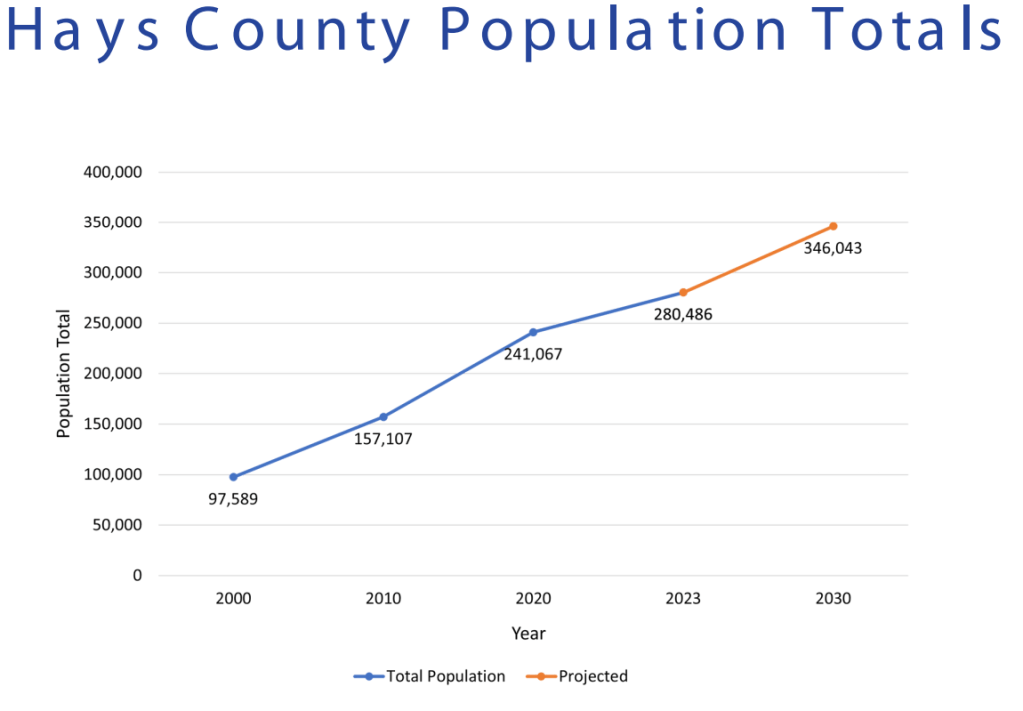
First, San Marcos keeps growing:

And while inflation is back to a normal healthy amount, it still exists:

So due to a larger population and 3% inflation, it will cost more to run the city more next year, even if we don’t change what we’re doing.

But unfortunately, we took a big hit on sales tax:

This is sort of a cumbersome chart. It’s doing a few things simultaneously.

So you see where it says October 2023 is 6.6%? What that means is:

  1. Average all the sales tax revenue from October 2021 to October 2022.
  2. Average all the sales tax revenue from October 2022 to October 2023.
  3. Work out the percent growth from the first average to the second average. For October, the past 12 months were 6.6% bigger than the previous 12 months. Great!

But you can see how this plays out over 2024 – we kept shrinking and then turned negative. So the average the sales tax income from April 2023 to April 2024 is smaller than it was over April 2022-April 2023. That is not good.

Who’s coughing all this up, anyway?

I would not have guessed that!

(I would say it’s their customers, not the business, but you get the point.)

No one else is having this problem. Just San Marcos:

No one offers up an explanation, because I don’t think anyone has one? Nobody knows if this is a shortterm fluke, or if it’s the beginning of something bad. We can’t know until it plays out a little more.

Anyway, here’s the bottom line:

We do not have the money we thought we’d have this year.

So we have to do two things simultaneously:

  1. Figure out how to tighten our budgets mid-year. There are established contingency plans on how to do this, but it’s not, like, fun to do.
  2. Figure out how to plan for the 2025 budget, if we’ve got more people and slightly higher prices, but less revenue.

Can property taxes make up the difference? Basically no.

First off, sales tax is a bigger chunk of our budget than property taxes:

But second, even though homestead prices are going up:

they’re not going up by as much as they had been going up.

The blue portion is the key amount:

So the city is expecting to collect 1.3 million more dollars next year than this year. It’s growing, but not enough to keep up with inflation and a larger population. Not like the past two jumps: from 2023 to 24, we jumped 6.8 million, and the year before that, an extra 5.8 million dollars.

So here’s the bottom line:

We are looking at being 2.3 million short this year, and 1.12 million short next year, if we don’t do anything different. Ouch.

I mean, we’re going to tighten belts, etc. The city is smart, there are plans to implement. But they involve hard choices and going without good things.

Here’s how we’re handling 2024:

Basically, that’s how they’re handling it. And they’re working on making next year’s budget work on a shoestring, as well.

One last thing:

There’s a new law that caps the how much business property appraisals can increase each year. Any non-homestead can’t grow more than 20% in a year. Or rather, the appraisal can come in higher than that, but you won’t be taxed on the excess.

Now, this only affects businesses appraised under $5 million. The problem is that we have a high number of small rental properties, and they all qualify. So we’ve lost $123 million of taxable land value, which works out to $745K from the budget.

Bottom line: the city has to tighten the budget. Kinda a giant bummer.

Presentation 2: There was also a presentation on the 2025 Capital Improvement Plan.

The CIP plan is all the major city projects, like re-doing the drainage for a street so it doesn’t flood anymore, or whatever. Basically it takes a lot of longterm planning. I don’t have much to say about it besides that they emphasized how much they’re trying to apply for lots of grants.

May 7th City Council Meeting

Hey there kiddos! I hope everyone is safe from the storm on Thursday. Big citizen comment time – mostly Malachi Williams and a call for ceasefire resolution – and then lots of little city business topics.

Here we go:

Hours 0:00 – 2:03:  Two hours of citizen comments! The biggest topics are the SMPD killing of Malachi Williams and a call for a resolution on a ceasefire of Palestine.  (And a bit on Bro-dozers, the resurrection of SMART/Axis Terminal, and some other things.)

Hours 2:03 – 3:58: La Cima, baseball and soccer youth scholarships, selling more water to Kyle, speed cushions, bringing more grocery stores in, concrete, and a new wastewater treatment plant.  Lots of little items. 

Bonus! 3 pm workshops: Three interesting presentations: Equity Cabinets, the Point-in-Time homeless count, and those orange scooters are spreading. This was my favorite part of the meeting!

See you all next time!

Hours 0:00 – 2:03, 5/7/24

Yowza, you guys. Most of this meeting was Citizen Comments. There were two full hours of citizen comments on Tuesday. A total of 40 speakers. Plus an additional 3 speakers at the 3 pm meeting.

So we are going to park it at Citizen Comment and unpack all this.

Topic 1: Malachi Williams.

We’re going to start with the most heartbreaking part, which is that the family of Malachi Williams spoke to council.  I cannot do it justice – you should go listen yourself.  Here’s the video. 
– Malachi’s grandfather speaks first, at 1:25:40
– His older sister, at 1:29
– His mother at 1:31
– His younger sister at 1:36
– His aunt at 1:38:30
– His third sister at 1:58
– His grandfather also spoke at the 3 pm workshop, here at 11:30.

You should definitely believe that Malachi Williams came from an incredibly loving, supportive family who is devastated by this loss.  They are desperate for some answers.

So what do we know?

Malachi Williams was a 22 year old who was killed by cops on April 11th, 2024.  You can read the basic facts here.

Here’s a video of Chief Standridge explaining the SMPD side. There is a transcript at the YT video, if you don’t feel like watching

The family has three requests:

  • Release the name and badge of the officer
  • Take the officer off duty until the investigation is complete
  • Let the family and their lawyer watch the bodycam videos, as well as gas station and HEB footage.

These are really reasonable.  In the video, Chief Standridge has a big long thing about how legally, the videos are evidence, and so they can’t be released publicly until after the grand jury and/or trials play itself out.  But the family is not asking him to publicly release the videos – they’re asking for family and a lawyer to see them.

The family’s comments are beautiful and heartbreaking. They’re an extremely close family. They just need answers so that they can begin processing this enormous loss.  

The rest of us will not know what happened for a long time. (But look: a knife is not a gun.  He was armed with two large kitchen knives. I have questions about how exactly Malachi could be close enough to pose an immediate risk to someone else, and yet it was safe to fire a gun at him.)

About 20 of the other speakers talked about Malachi Williams and called on Council for justice.

Topic 2: Ceasefire in Gaza.

There were 32 speakers calling on Council to pass a resolution calling for a ceasefire in Gaza.  (Most of these speakers were also the same ones who talked about about Malachi Williams, and they connected these two topics under the same umbrella of state violence against civilians.)

There’s been some drama, because this appeared on the rough draft of the council agenda:

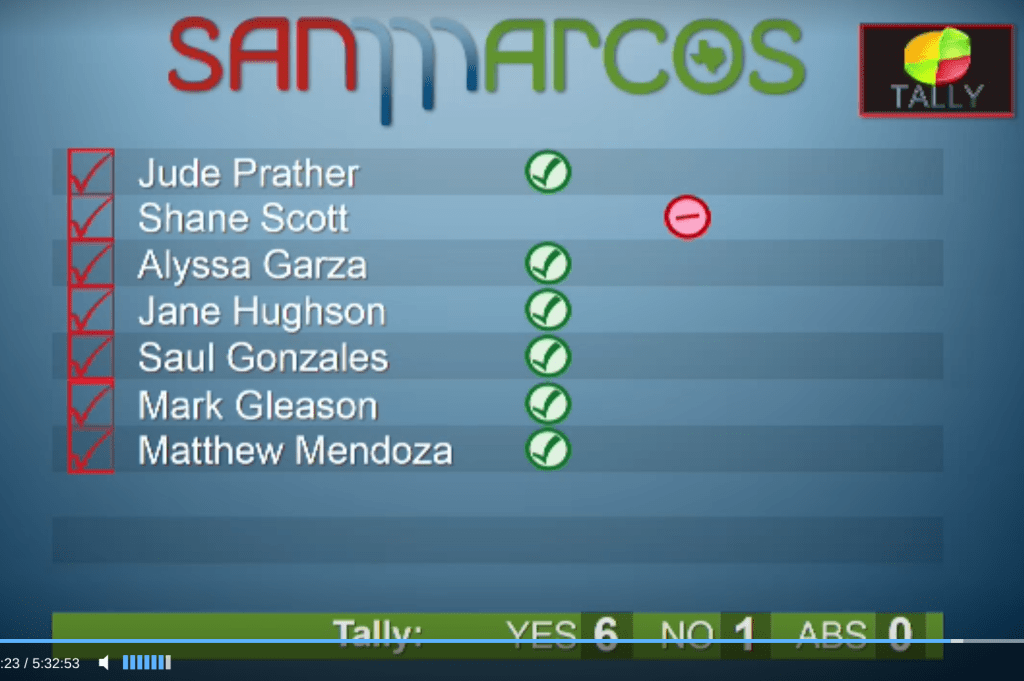
But then it was not on the final agenda, because Shane Scott withdrew his support. (It takes two council members, or the mayor alone, to put something on the agenda.)

Lots of speakers say that Shane withdrew his support due to a threat of some sort? Maybe! Or maybe he just didn’t feel like being in the hot seat. Who knows.

Anyway, 32 speakers is a LOT of speakers. The resolution for a ceasefire has been coming up for months – here, here, here, here, and here – but not this many speakers. Obviously this connects with the mounting protests at Columbia, University of Texas, USC, and so on.

And look, the protests are actually paying off. Biden has paused two shipments of bombs to Israel over the invasion of Rafah. Biden is slowly hardening on Israel. (He’s going too slowly for me to stomach, but he’s miles away from how Abbot or Trump would handle it.  They would escalate the destruction of Palestine to armageddon levels. )

Look, we’ve got a governor who is actively supporting Israel in a number of ways.

This ceasefire resolution is a municipal issue because city councils can amplify the voices of their community. This resolution would send a message to Abbott (which he would ignore) and a smaller message to Biden (which he seems to be responding to). So c’mon, Council, get your act together.

Topic #3: Miscellaneous

Finally, there were a few other topics:

  • The need for more teen programming in San Marcos
  • A great comment about “bro-dozers”. I love this one. You know the guys that rev their engines through town and startle you into spilling your drink, if you weren’t expecting it?

The speaker has an apartment on Hopkins, and so he got himself a decibel reader. When the bros rev their engines, it’s 90-95 decibels in his apartment.

We actually have a noise ordinance against vehicles!

But see, it only covers music coming from the vehicle, and not the engine itself.  

But consider:

Presto! Look how easy to fix!

City staff! File this away for the next round of code updates, please and thank you.

  • Remember the SMART Terminal? Oh yes you do. (Brush up on it here, if you don’t.)

It was originally on the agenda for tonight as well:

But it got pushed back to a future meeting. (Franklin Mountain is the SMART/Axis company.)

Noah Brock and Annie Donovan were two of the main activist organizers last time. They’ve submitted a ton of open records requests. Here’s what they’re saying about this upcoming issue:

Franklin-Mountain is apparently getting mad at Caldwell County, because Caldwell County doesn’t let developers do whatever the hell they want. Caldwell County requires all these planning documents up front, such as:

  • Subdivision plan
  • Water Protection Plan
  • Phase Development Plan
  • Traffic Impact Analysis
  • and more!

before they’ll process Franklin-Mountain’s application.

Whereas we were all ready to let the developer pinky-swear to be good-hearted, and we’d sign over all rights to do anything they wanted. We didn’t require any of those!

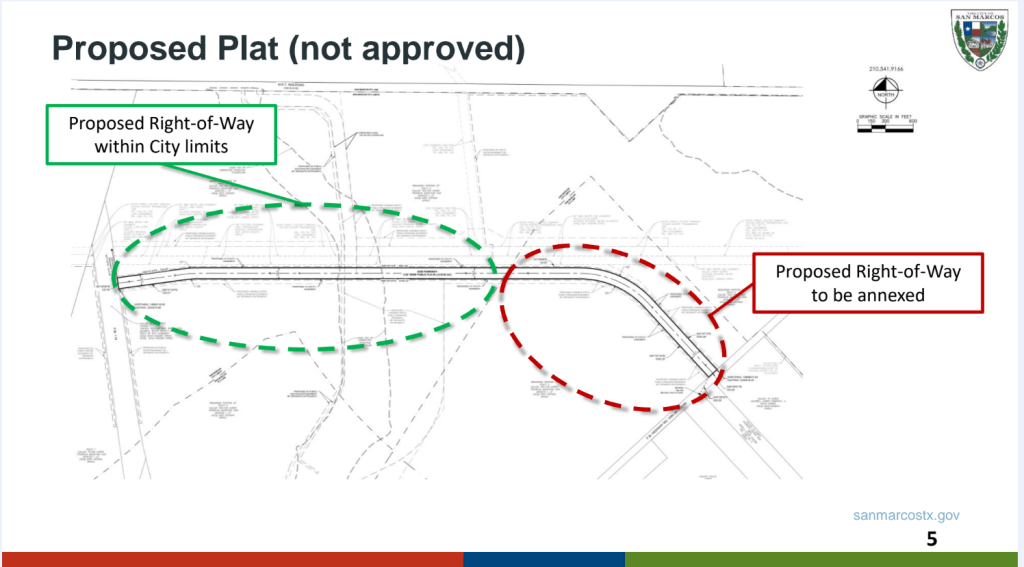
So here, the developer is moving roads around, in ways that seem to violate their good-neighbor promises. This roadway doesn’t match anything they’ve claimed up till now. This annexation seems like it would not benefit San Marcos in any way, but it would off-load costs onto the city.

Stay tuned! This might be on the agenda at the May 21st meeting.

  • Virginia Parker speaks again about the drought triggers passed last time, and asks if there’s any way to revise it.
  • One speaker talks about Purpose Built Student Housing, and has a number of recommendations to address tenants’ rights. Things like increased funding for code enforcement, a right to resolve late payments before evictions, a right to a public defender, just cause evictions, and no-net-loss housing ordinances.

Texas is very pro-landlord, so it would take some research to figure out what’s legal to do here, but I generally support all action in this direction!

Hours 2:03 – 3:58, 5/7/24

Onto council business!

Items 9-10: It’s been a while since we discussed La Cima. (Quick primer on La Cima development here.)

Basically, it was originally approved in 2013.

In 2014, it looked like this:

As of 2022, it looked like this:

It’s grown! It seems to keep growing, in fact.

The problem is that the entire development is in the Edwards Aquifer Recharge Zone. It’s incredibly sensitive land, but it keeps growing.  Anytime there’s an amendment to the Development Agreement, you should sit up straight and take a closer look.  

In this meeting, they’re not changing the actual La Cima Development Agreement.  So there’s nothing controversial here.  Today’s annexation is just following the existing agreement.

The highlighted pink part is what they’re about to start building now:

Have fun with that, you guys!

It’s going to be single-family houses.

….

Items 7-8:  We’re giving a bunch of Covid (ARPA) money to youth soccer and youth baseball, for scholarship money.   

Surge Soccer is getting $100K, and SMYBSA is getting $45K. 

Alyssa Garza asks: how easy will it be for parents to get these scholarships? There’s been a lot of problems with ARPA funds and all kinds of paperwork that make it too hard for community members to actually get the money.

No one really has an answer, but they say that it should be as simple as having a San Marcos address, since most of San Marcos is located in qualifying census tracts.

Unrelated Note:  I heard a rumor once that San Marcos Soccer was going to change their name to Smoccer, but instead they went with Surge Soccer.  Truly a missed opportunity, I don’t know how they sleep at night.

Item 2: (Items are out of order, because they got pulled off the consent agenda)

We’re selling more Edwards Aquifer water rights to Kyle.  

Just like last time, city staff emphasizes that Kyle is going to use this water whether or not we sell our rights, so we might as well collect the $7k – $1.5 million from them, for the proper water rights. 

They have to follow or strengthen all our drought restrictions. Currently, they’re running a tighter ship than we are, but then again, we just loosened our drought triggers considerably.

….

Item 12: Speed cushions!

This is Blanco Gardens:

(image via)

People drive like maniacs on Barbara Drive, and eventually the residents got sick of it. So they filed a petition. There was a survey and some data collection, and everyone agreed that this was a good idea.  

So they’re getting some speed cushions:

Hooray!

If you are also fed up with maniacs driving on your own block, reach out to these folks.

Item 13: Let’s woo some grocery stores on the East side of town, eh?

New Braunfels wooed HEB like so:

Kyles wooed Sprouts like so:

So we want to offer up some goodies for new grocery stores in San Marcos.  

Here’s some questions for Council to field:

  • Do we just want offers for the east side, or all over San Marcos? 
  • Do we only want big grocery stores, or are we open to a mix of big and little grocery stores?
  • Do we want to give them a property tax rebate, or a sales tax rebate, or both?
  • Do we want to offer them some grant money up front?

We’ll negotiate individually with any retailer. This is just putting something out there to negotiate.

So what does council think?

  1. Do we just want offers for the east side, or all over San Marcos? 

Jane Hughson is super enthusiastic that the west side needs more grocery stores. She mentions this several times. Most everyone else says they’re open to offers from all over town.

Alyssa is the one exception: her priorities are strictly the east side of town, and good paying jobs.

My two cents: we should not subsidize grocery stores on the west side.  We’ve specifically said that we do not want to encourage growth over the recharge zone, because run-off ends up in the underground springs that feed the river.  Rivers only run clear if the recharge zone is kept clean.

Second, the west side residents have higher incomes. This attracts grocery stores, as soon as there are enough people living there.  If a grocery store wants to open a location there, they already can.  But the lower incomes on the east side mean that even with tons of people, grocery stores won’t open there without subsidies.

  1. Just big grocery stores? (like 120,000 square feet or bigger). Or both big and little grocery stores?

Everyone’s open to a mix of big and little stores.  This is my preference, too.

  1. What kind of tax breaks? Jane Hughson makes a strong case for giving sales tax rebates instead of property tax rebates.  Basically, with a sales tax rebate, their rebate rises with their performance.  It aligns the incentives of the city and the store.  

They settle on a 5 year offer.  Both property and sales tax would rebate 80% in the first year, and then step down from there. 

4. Should we offer grant money up front?

No, we shouldn’t. No one likes this, and we’re not really set up to do it anyway.

Anyway: This is just a preliminary discussion. There will be more to come.

Item 15: Concrete

We’re paying for $1,000,000 of concrete. 

Honestly, it’s not very clear who we’re paying it to:

but I gather it’s these guys. (They spent about one minute on this item, so I have no details for you.)

Either way, I am amused by the acronym IDIQ, for Indefinite Delivery/Indefinite Quantity. Doing this forever and ever and ever.

….

Item 16: We’re building a Wastewater Treatment Plant!

We spent literally 3 minutes on this during the meeting, and there were no details given.

There is a slide show in the packet, which they did not present during the meeting. So I’m improvising here, with pictures like this:

Maybe the purple areas will be the areas served, and that green corner piece is where the plant will go?

Here’s a close up of that green corner piece from above:

Here’s one of those “I-35 Goes East-West” maps that I am so fond of:

The presentation says this will address all of San Marcos’s waste water needs through 2063.

That’s about all I can get out of that slide show!

Item 18: Purpose Built Student Housing

Back in January, there was a recommendation from the Neighborhood Commission that we end Rent-by-the-Bedroom leasing practices, or RBB. (Discussed previously here – they also wanted to re-instate the ban on 3 unrelated people living together.)

One problem is that the city does not regulate RBB. The city regulates Purpose-Built Student Housing, but these aren’t the same thing. You can have either one without the other.

Council decides that this topic is big enough that it needs a workshop discussion. So stay tuned on this.